The fantastic tour at the Samurai Museum presents visitors with a brief history lesson of feudal Japan. The young and knowledgeable tour guides shed light on the hierarchy of Japan’s ruling power during the Shogunate period, which lasted for roughly 7 centuries between 1192 and 1867 A.D. During this time, Japan alternated between the unnerving peace under military dictatorships and the destructive chaos of civil wars before the Meiji Restoration ushered in the modern era for the nation.
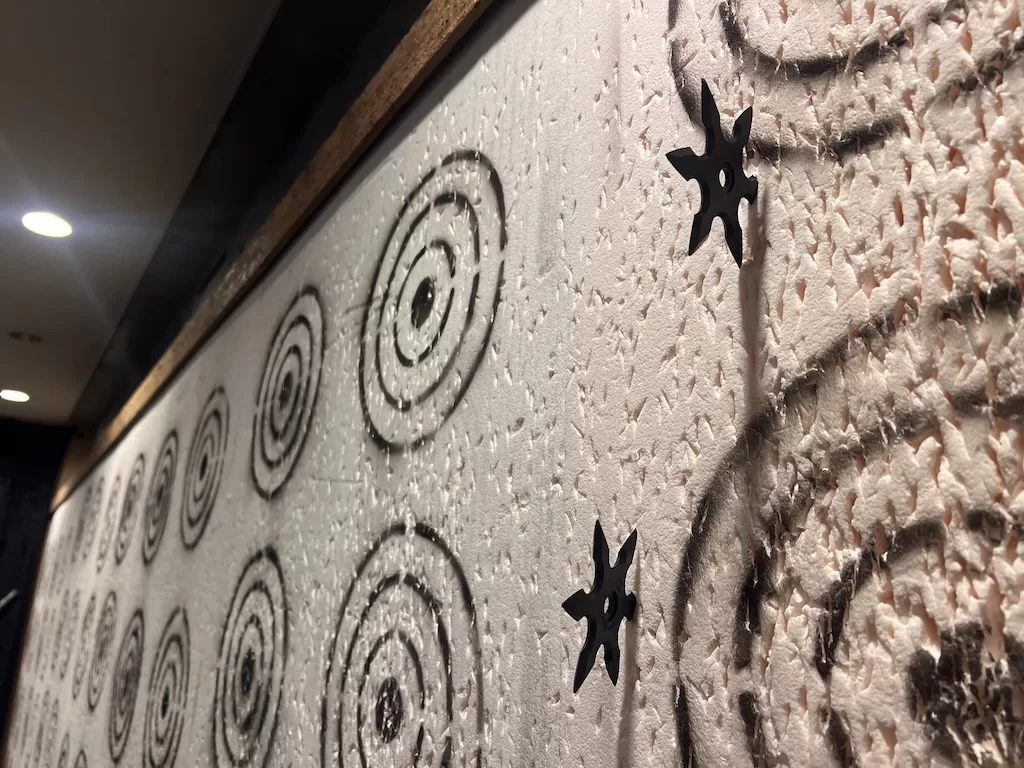
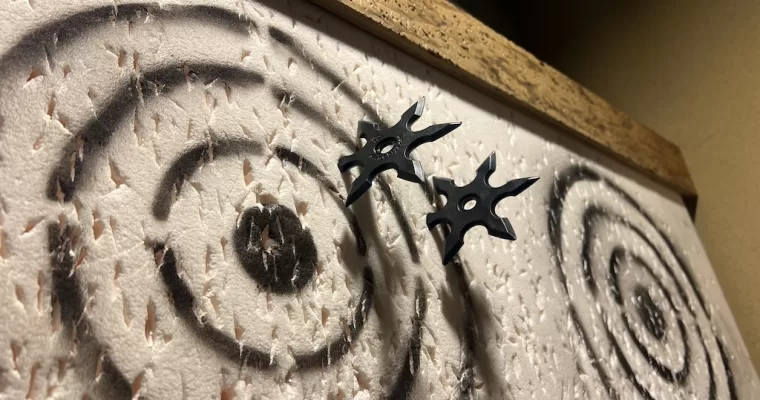
The Samurai Museum is certainly a top activity for a trip in Kyoto. It balances history learning with quite a bit of fun. It is especially suitable for family with children. Even as an adult, I enjoyed participating in the game of throwing shuriken, a typical distraction device of the ninjas. English tours are available.
A Brief History of the Shogunate Period in Japan
The Shogun title was hereditary. There were three families of the Shoguns during the Shogunate period. The first shogunate was named the Kamakura Shogunate (1192-1333 A.D., in Kamakura), which was the name of its administrative capital. The Ashikaga Shogunate (1338-1573 A.D., in Kyoto) and Tokugawa Shogunate (1603-1868 A.D., in Edo, now Tokyo) each donned its name to that particular historical period. These shogunates were based in different cities, but the official seat of the Emperor was always Kyoto.
Generally meaning “generalissimo,” the Shogun was originally the head of the commanding troops that served the interests of Japan’s Emperors. However, “the increasingly feudal character of Japanese society created a situation in which control of the military became tantamount to control of the country,” and the first Shogunate Minamoto Yoritomo established his grip on all ruling power over Japan (Britannica), thus beginning the Shogunate period, what was effectively a military rule.

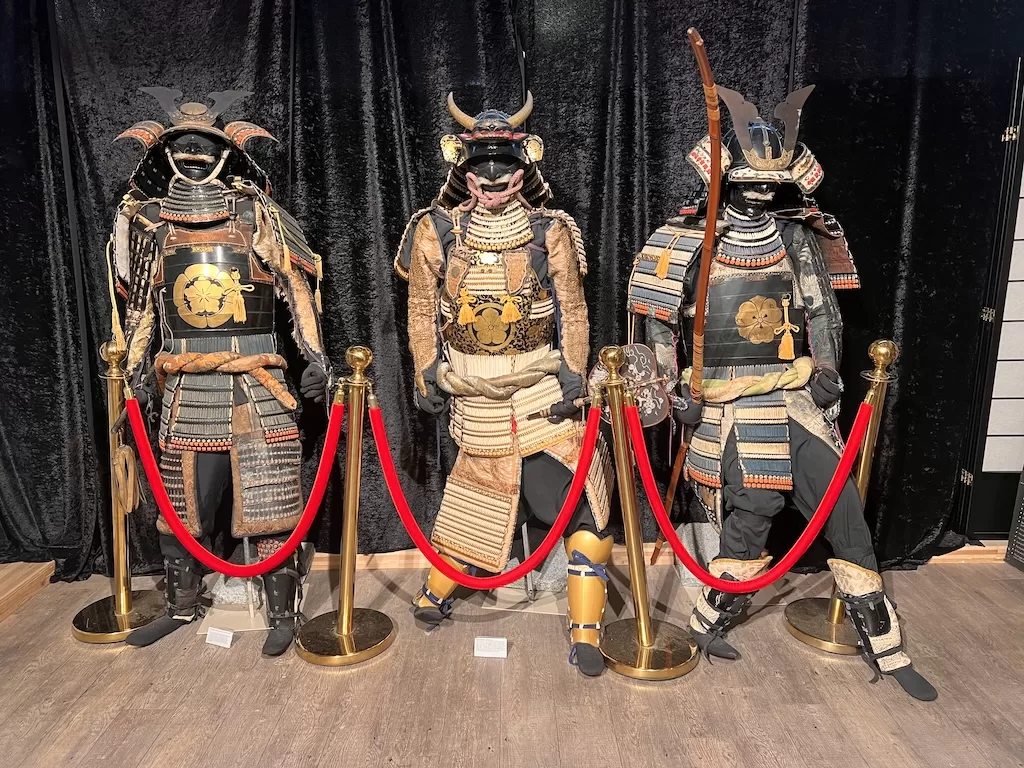
Photo: The clans of the Samurai each had their own crest.
It was in 1600 that the Tokugawa Shogunate established hegemony against the Daimyo (more below) that revolted in the Ashikaga period. With its ruling center in Edo (now Tokyo), the first Tokugawa Shogun, Tokugawa Ieyasu, reunified Japan. The Togukawa Shogunate managed to sustain a strong and stable authority over all matters, in all realms of administrative, judicial, military, cultural and religious affairs.
Toward the end of the Tokugawa period, the Shogun had proven himself to be powerless against the impending threats of opening up Japan to foreign influence and trade. Factions of powers began proposing the abandonment of the Shogunate. The supporters of the Emperor envisioned modernization of the nation by restoring imperial authority with the establishment of modern governance. It was in the Nijo Castle that the last Shogun Tokugawa Yoshinobu declared the transfer of power to the Emperor in the Taiseihokan of 1867.
The Feudal Hierarchy of the Shogunate Period in Japan
At the apex of power stands the Emperor of Japan. During this period, the Shogun was the one military dictator that wielded real power in Japan. The Emperor served only a ceremonial and nominal role as the sovereign.
During the Ashikaga Shogunate, what lies beneath the Shogun is a system of loyalty built around the vassal states that were given out to the feudal warlords, known as the Daimyo. The Daimyo oversaw their own land and people as leaders of their own respective clans. It was also during the Ashikaga Shogunate that the Daimyo became a threat to the ruling authority of the Shogun. The continuous tensions between the Shogun and the Daimyo were one of the causes for civil unrest during the Shogunate period.
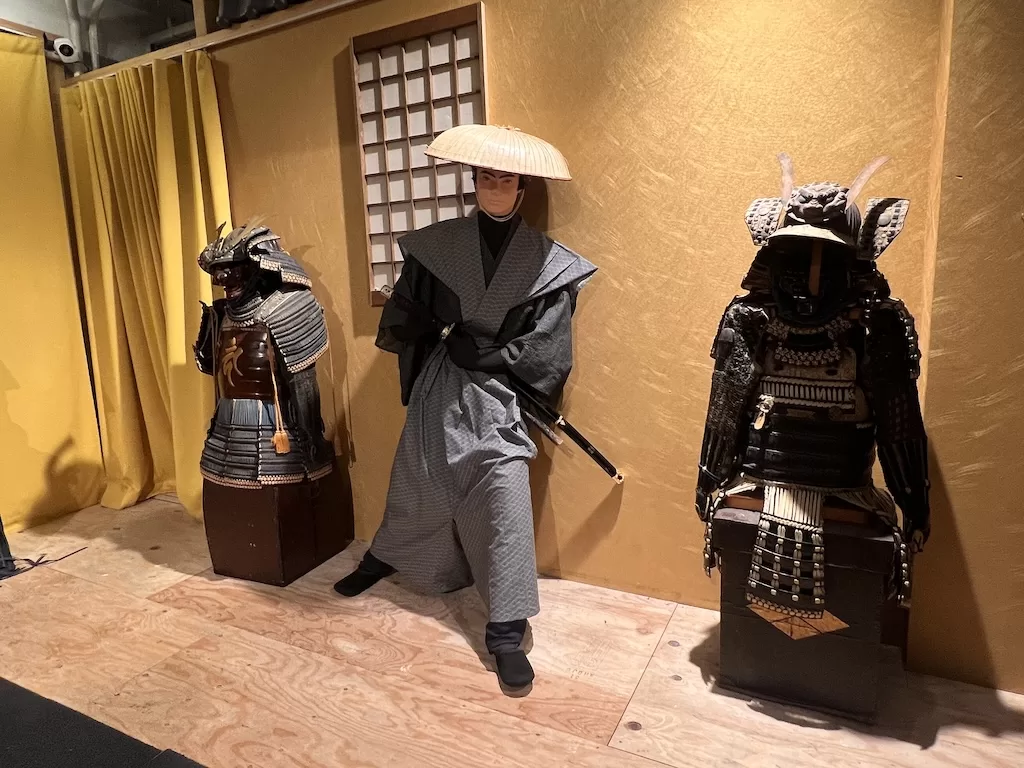
Within these clans there were about 5% – 10% of members of the nobility that served as the samurai, who were essentially the warriors that fought for the Daimyo as their masters. At the bottom of the hierarchy were Ronin, the mercenary fighters that did not serve a particular noble master, then fishermen and farmers, craftsmen and merchants.
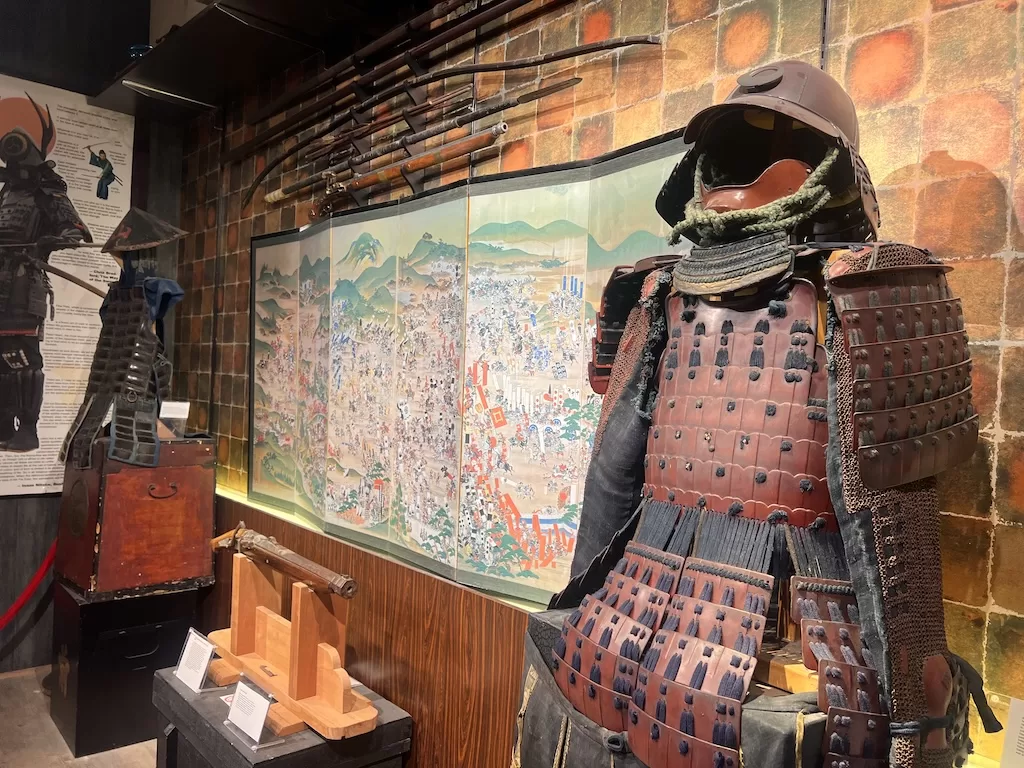
At the Samurai Museum, the Samurai and the Ninja were the stars of the show. Their origins, identities, history and culture expressed the defining traits of Japanese society during the medieval times. I will discuss the samurai in this entry, and ninja in the next.
The Samurai and Their Honor Code
In so many ways the samurai is the very window into understanding the nature of feudalism in Japan. The status of a samurai is passed on by lineage only, meaning that one had to be born into a samurai clan, or be adopted by, or married into one, in order to become one.
Yes, you read it right. There were female samurai. There were instances where the wives or the only female heirs to the samurai clan had to take the helm and manage the clan as the female samurai.
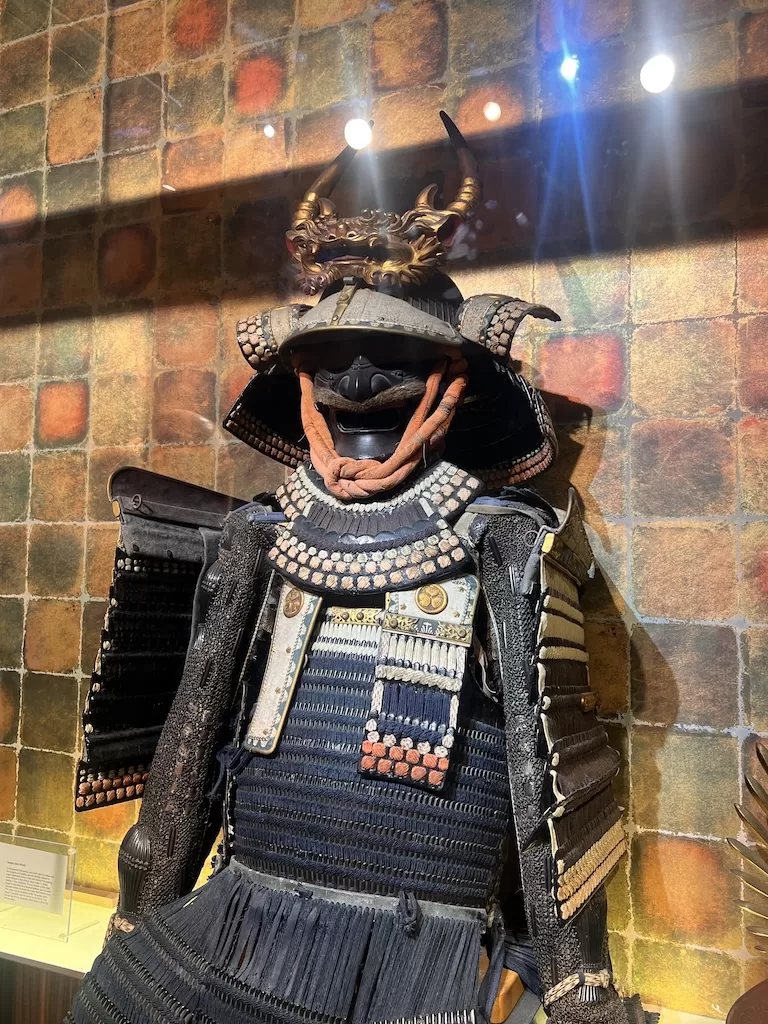
In feudal Japan, when the common people came across the samurai, or any person of a higher rank, they had to perform the etiquette known as dogeza. One would be sitting on the ground and kneel, and bow with the forehead touching the ground for 10 seconds. The idea is that one is lowering himself in humility to a person of a higher position in the power hierarchy. This type of deference could mean life or death for the common people — you could be killed if you did not do so.
Mounted Armors and Heavy Helmets
The samurai’s warfare attire came with a whole lot of features that did not seem conducive to fighting. This is especially so because in much of the medieval times battles were fought by swords, until the Edo period, when the foot soldiers would carry rifles. The helmets of a samurai alone weighed up to 10kg.
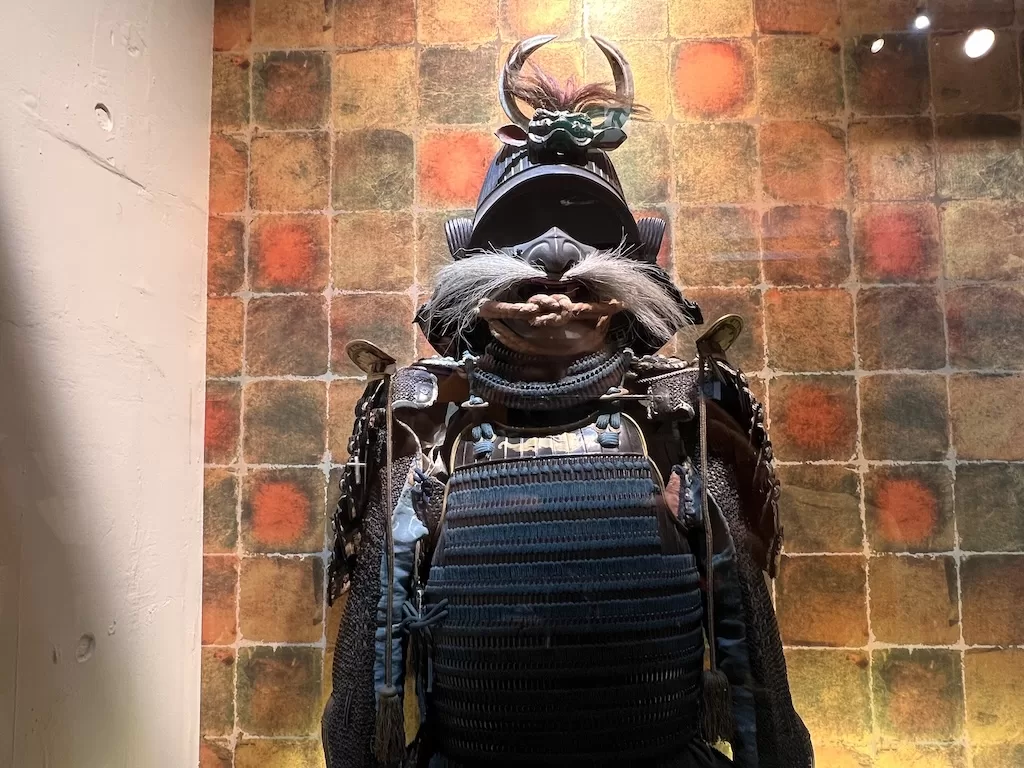
Photo: An armor of the samurai. The moustache in the head area is a deceptive ploy. This armor was meant to be worn by a relatively young samurai. The moustache served to fool the enemy into thinking that it is a grown samurai that they are fighting.
The mounted armor served both protective and ceremonial purposes. The samurai were dressed this way mainly because they were the commanders of their troops. They must be dressed in a way that distinguished themselves from the rank and file fighters. This was to ensure that the soldiers could see their commander from a distance.
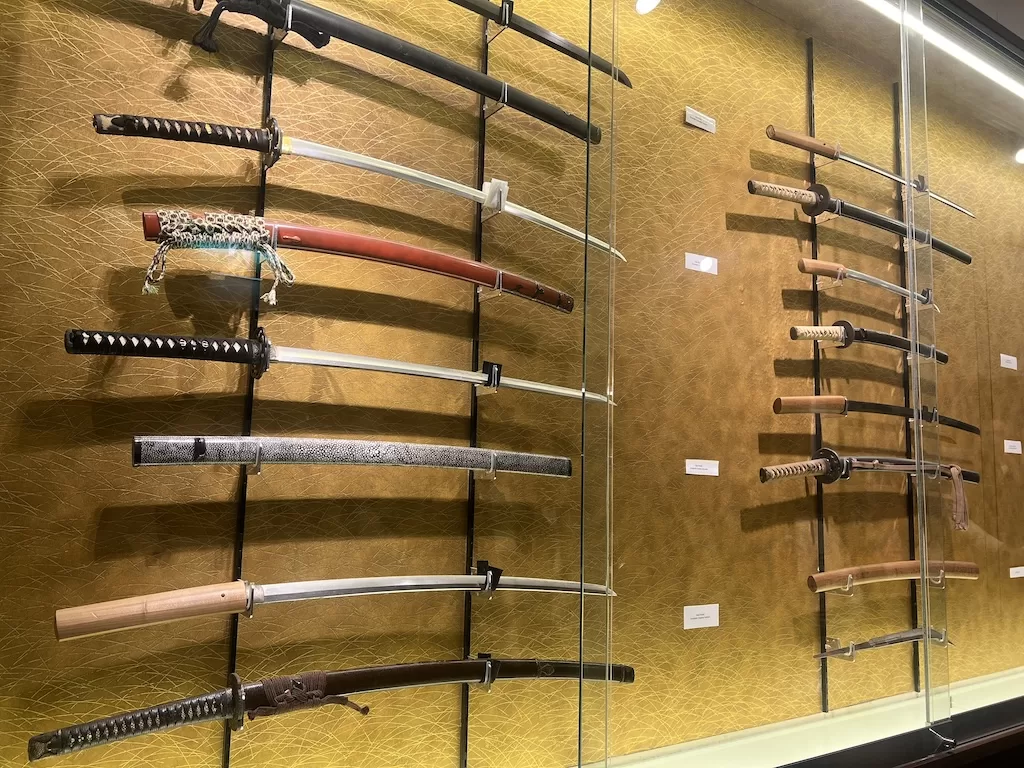
The katana is perhaps the most recognized item associated with the samurai. It is a single-edged blade with a long grip. The samurai wore it with the sharp edge facing up. The katana was more common during the Edo period. Before then, the samurai were, first and foremost, archers. Therefore the mounted archers were actually the classic, original weapon that typified the samurai’s warrior profile.

Bushido and Seppuku
History scholars have traced the practice of seppuku to Minamoto no Yoshitsune. He performed seppuku when he faced certain defeat with no chance of retreat in the Genpei War in 1189 A.D. The Minamoto clan would eventually seize power as the first Shogunate, however.
Seppuku embodies the spirit of bushido, the Code of Samurai. The basic tenets of bushido are honor, loyalty, honesty, respect, courage, justice and mercy.
Warriors, when faced with inevitable defeat or shame, chose the honorable way to die. As a manner of suicide, seppuku was incredibly painful and gruesome. The samurai used his katana for disembowelment (slitting open the stomach). This was a ritualistic death only available to the samurai (the commoners doing so would not have any cultural significance at all). The samurai would commit suicide this way as a means to atone for crimes, regain lost honor or to avoid disgraceful capture. Some samurai have died in the name of avenging their masters, as a show of loyalty.
The Last Samurai
The movie The Last Samurai was not completely true to historical facts. The true last samurai is known to be Saigo Takamori, who lived between 1828 and 1877. At first, the last samurai, of the Satsuma clan, served the Shogun, but he quit and joined the imperial forces. During the Boshin war that resulted in the final demise of the Shogunate in 1867, he was the most important commander. Thereafter, he disavowed his loyalty to the Emperor, and launched his own rebellion in southern Japan.

As he had been defeated by the imperial forces in the Battle of Shiroyama, also known to be “the samurai’s last stand,” Saigo Takamori died by committing seppuku, as the honor code of the samurai demanded of him.
In the official books, there was no American samurai commander that rose against the Japanese Emperor during the Boshin War. However, there was indeed a French commander named Jules Brunet that trained the force for the Shogun and fought against the Emperor in northern Japan. Jules Brunet eventually lost and he left Japan. He might have been the person that inspired The Last Samurai.
With the Meiji Restoration came serious efforts to modernize and westernize Japan. In face of threats by foreign powers (the United States and others) to open up Japan, the Emperor wanted to establish a modern army. It thus concluded the historic role of the samurai as the warrior protectors of the powers that be in Japan.
Today, the samurai is only a thing left to the romanticized imagination of an era that has long since bygone. Although about 5% of the Japanese population can rightly claim its pedigree as samurai descendants, it has no relevance in their daily lives. The samurai is an antiquity that properly belongs to fascinating museums.
Sources
Descriptions on site at the Samurai Museum.
Britannica, Shogunate.
Allthatisinteresting.com on seppuku.
Sengokuchronicles.com, Battle of Shiroyama: Saigo Takamori’s Last Stand.
























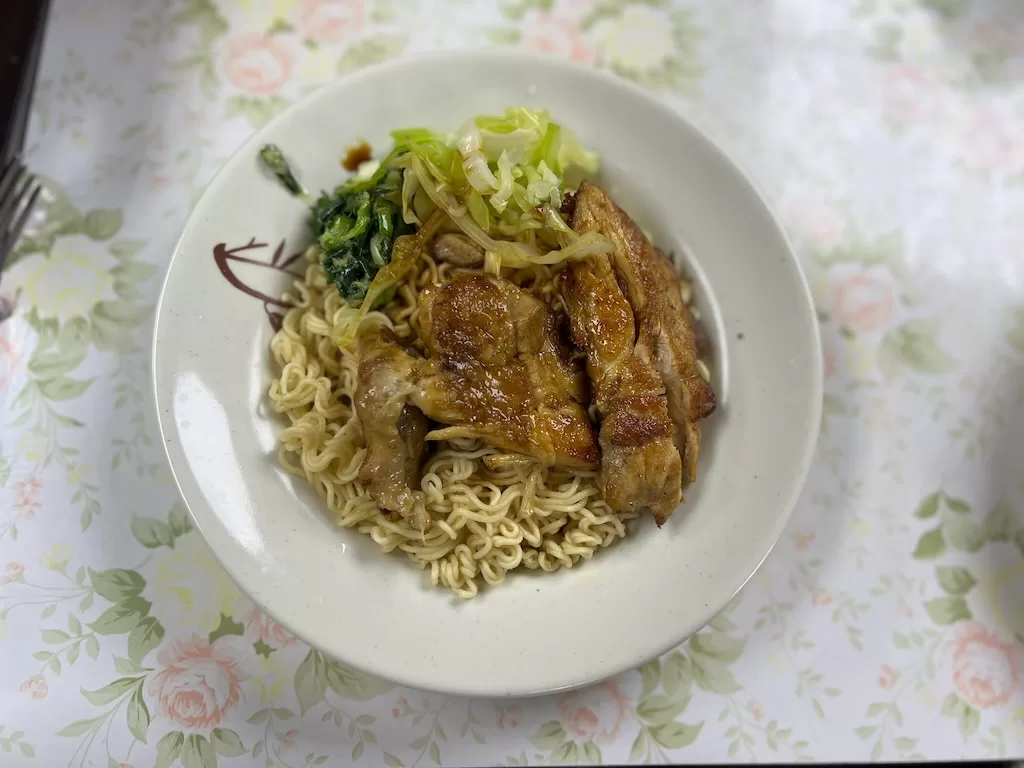 In American terms, the cha chaan teng is like the millions of fast food stores in America, each restaurant or brand serving a variety of, essentially, the same type of food, meant to be consumed in an easy, quick and casual manner.
 There is no argument that the



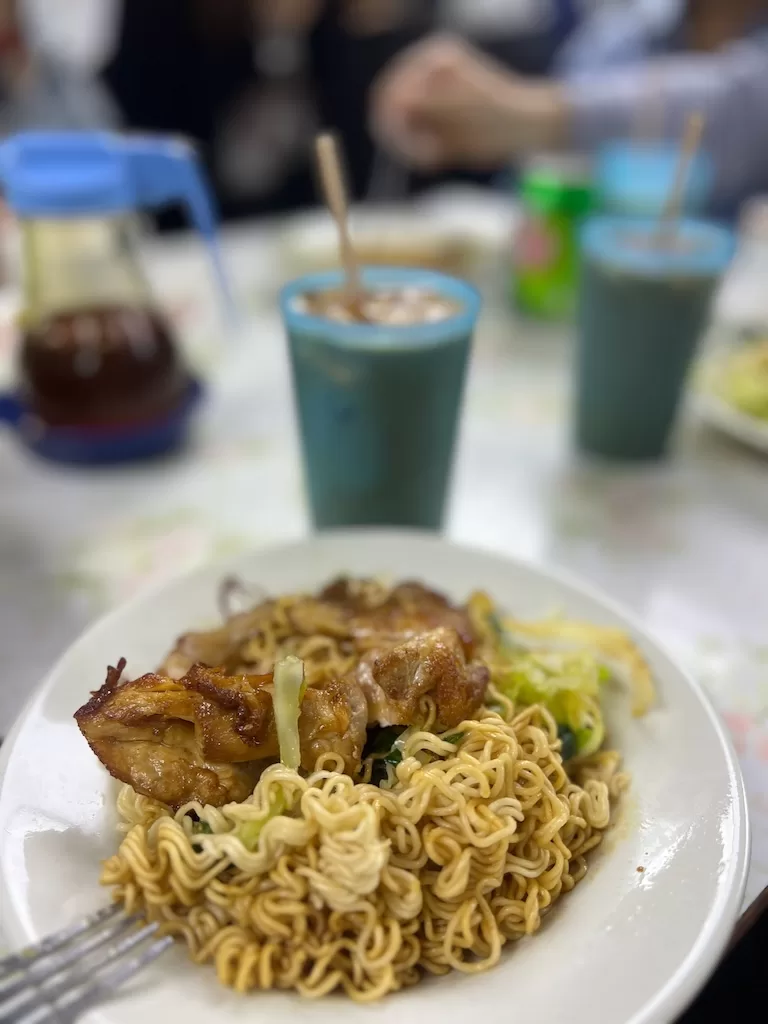
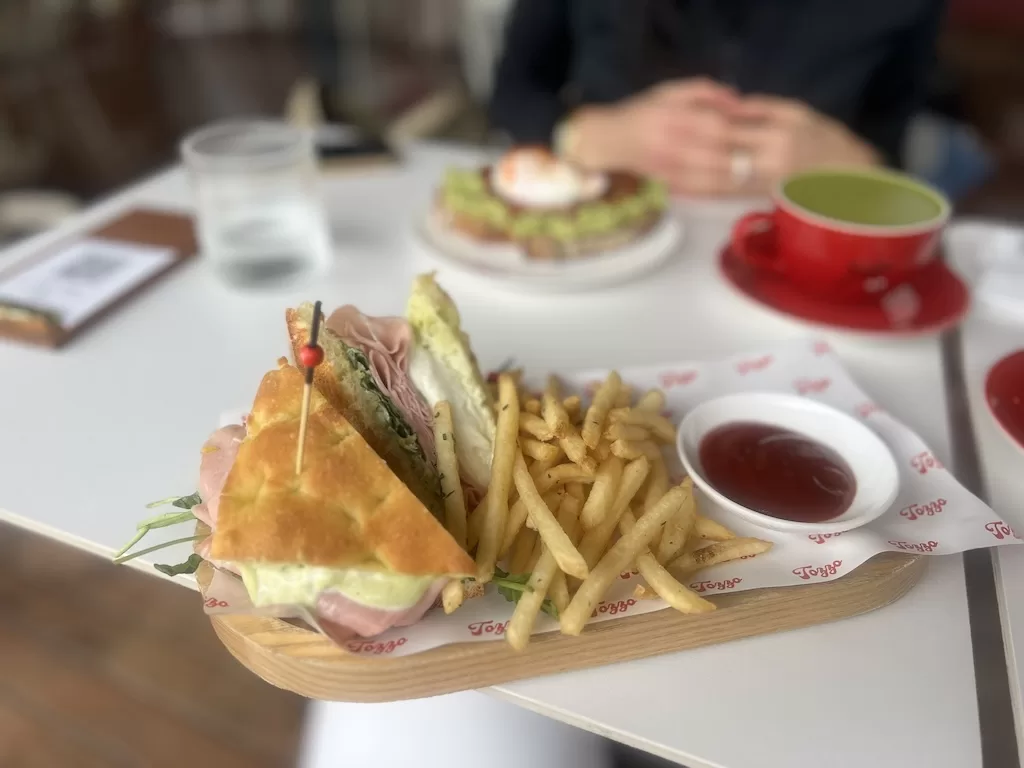
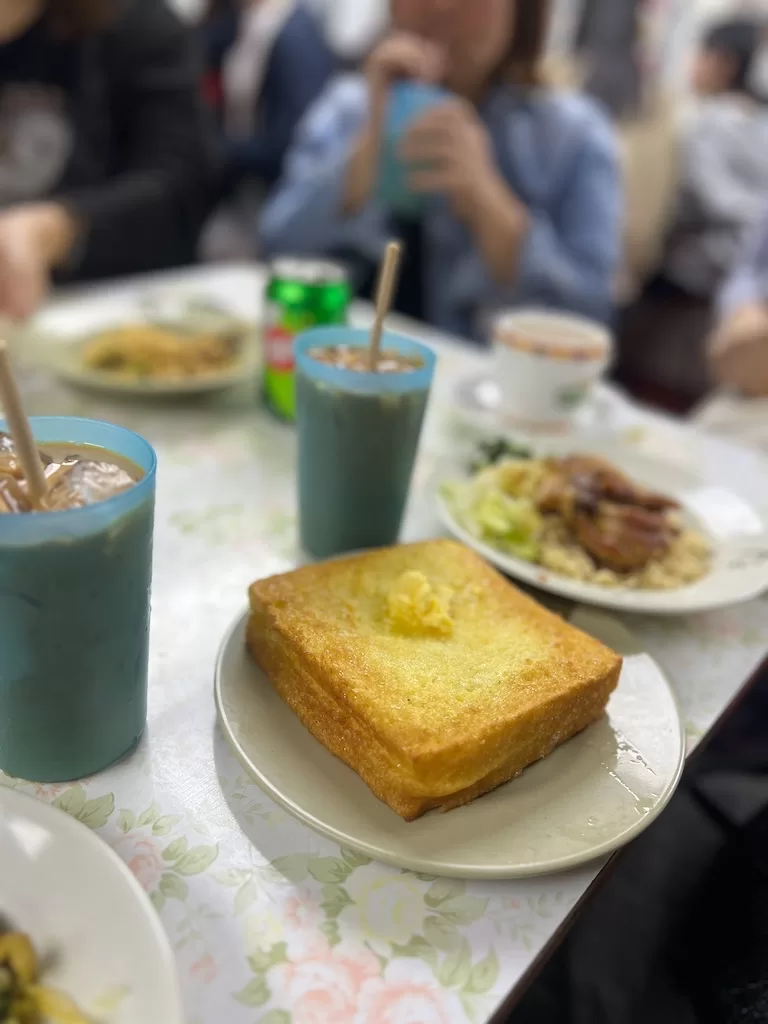 On the day that I visited, I saw people ordering the spring onion chicken ramen and French toast left and right. They must have been the items promoted by the popular “Chinese Instagram” app Red Note.