To the Outback and Back — Uluru’s Women and the Kitchen Cave
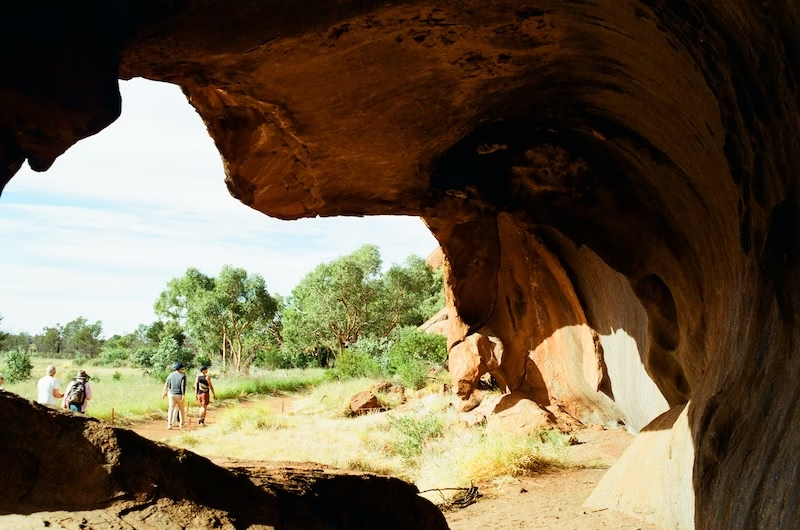
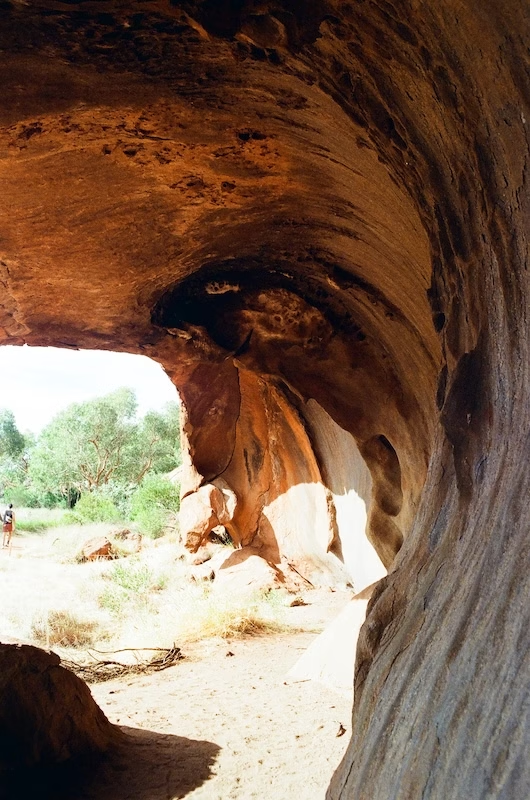
Due to this part of the Uluru being the women’s section, there is no photo on the safe site for women. The Kitchen Cave could be photographed on the inside and the outside. Please respect the rule.
Up close at the Uluru, you would naturally focus attention on the geological features of the monolith. But don’t miss the amazing flora and fauna that make the rusty desert their home. There are 546 kinds of birds, 4 types of frogs, 12 types of snakes, 7 types of which are the most venomous snakes of the world. Besides, there are foxes and dingoes, etc., although no kangaroos. More than 400 types of plants thrive here as well.
Let’s just say this is a full food chain as far as survival goes. There is a practice for the nomadic life at the Uluru. The Aboriginals venture the area, from Uluru to Kata Tjuta, following water and food. When they did leave a habitat behind, they burned it. By the time the tribe returned, the environment would have regenerated, the plants thriving again to welcome them back.
The Kitchen Cave
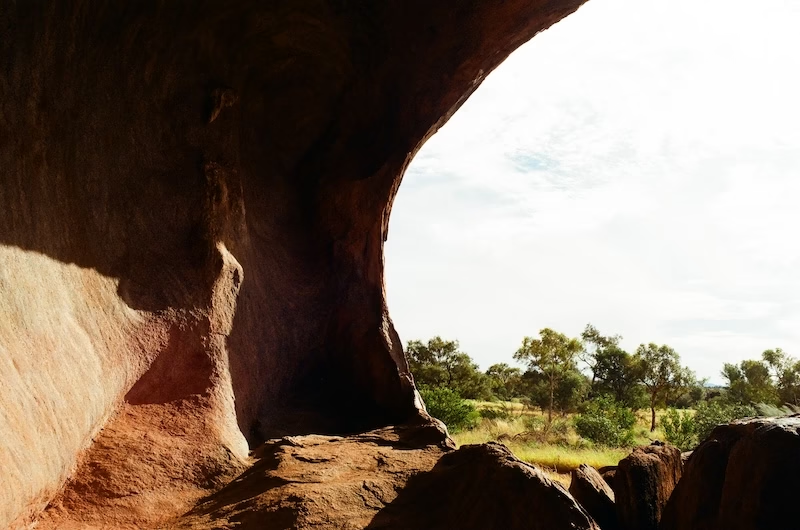
The final walk at the Uluru tour is a visit to the kitchen cave. As kulpi minymaku in the native language, the kitchen cave is the province of the women, who also camped around this area. When it comes down to food, the division of labor is also clear as between men and women. The men brought over the meat of the games they hunted. Women took the girls along in search of bush tucker in the wild.
For the girls’ training, the mothers imparted upon them the knowledge of the bush tucker and what was safely edible. This is the knowledge that is expected upon the Aboriginal girls and it is passed down as age old wisdom of survival (even now). For there are poisonous fruits in the wild.
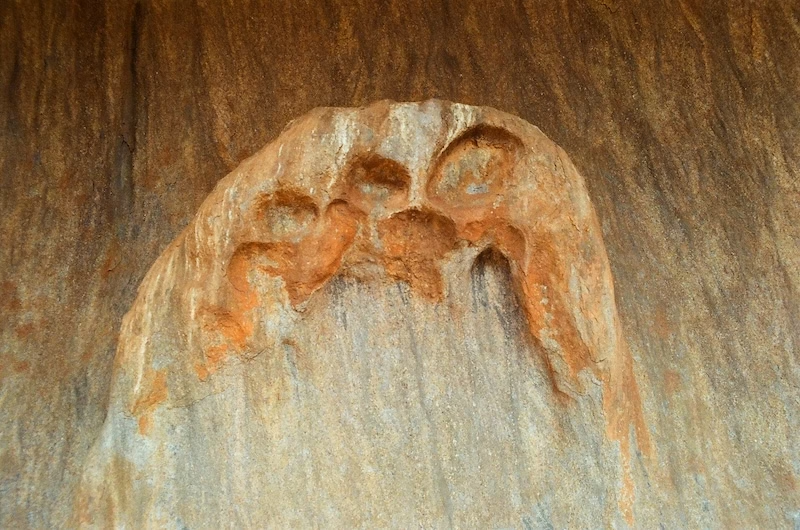
Once picking the edible bush tucker, then the women and the girls would be cooking at the kitchen cave, where they pounded the seeds (such as the Mulga Tree seeds) with round stones. The resulting flour was then made into flatbread. The menu would feature the flatbread, meat, fruits (such as the sweet native fig and bush plum) and other bush tuckers. When the men brought over the game of the day, the community gathered to share food. The families took their share of the food home to the older members of the community. Everybody was taken care of.
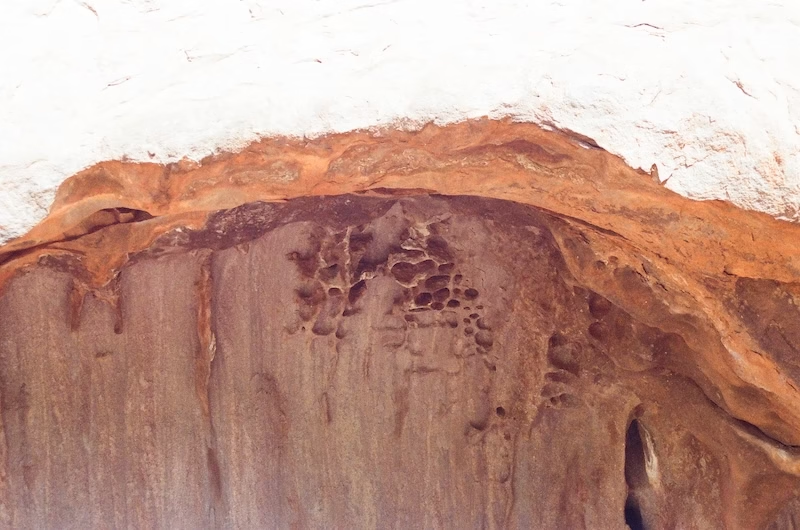
On the floor of the kitchen cave one can still see the smooth surface that resulted from the stone pounding in making flour. The cave shows honeycombed structures.
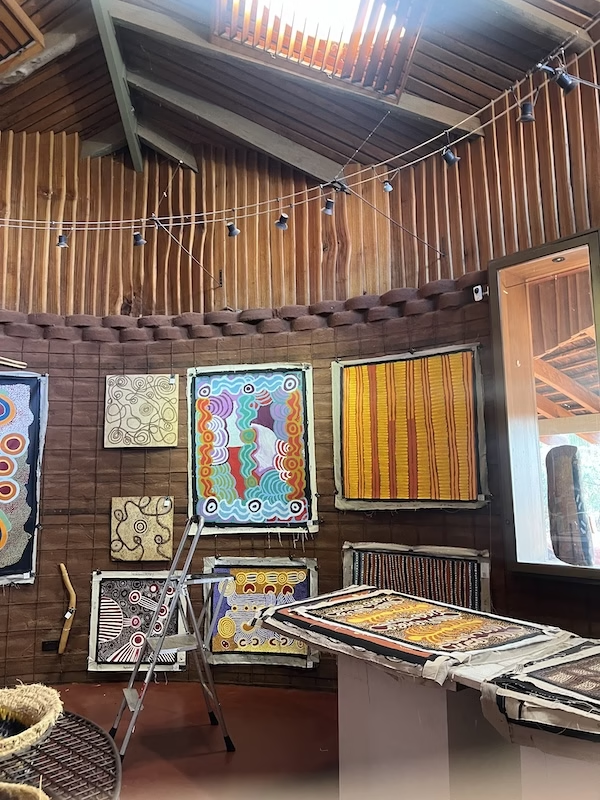
Today the community of the Anangu peoples still live here. Men do outdoor work while the women make arts and crafts.
The Uluru Finale — Barbecue at Sunset
We visited the Cultural Centre as our last stop at Uluru and bid farewell to a day-long adventure shuttling between the manifold secrets amidst the Uluru’s natural and cultural crevices.
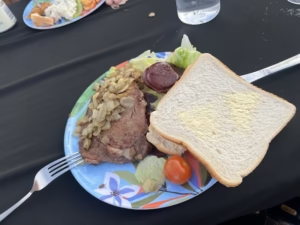
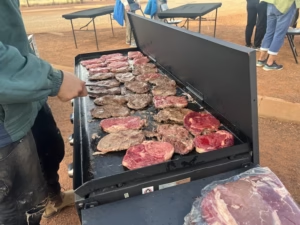
The thought of food came to mind at the Kitchen Cave, and our dinner was half-way Aboriginal, as in an open charcoal fire barbecue in a semi wild setting, in a large parking lot facing the monolith afar.
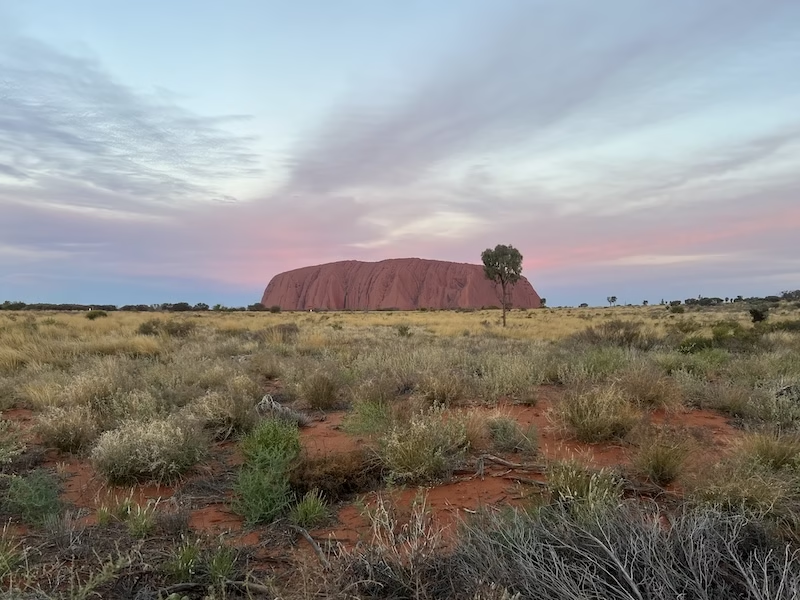
I must say the hospitality exceeded expectations. We literally wined and dined with generous servings of steak.
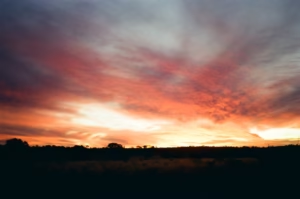
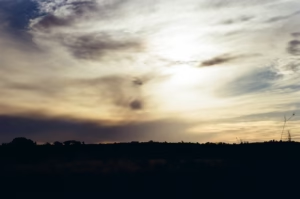
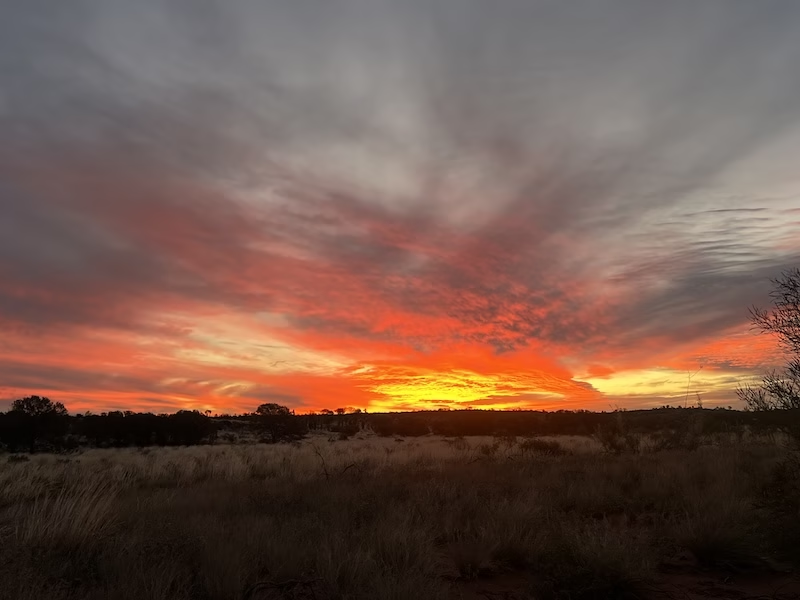
The sunset viewing was great at the Uluru, although the views were not as dramatic as I’d hoped. It was a long day, and I was satisfied, having seen the Uluru in its many different faces up close. I was ready to head back to Alice Springs for a nice night’s sleep.
Sources
Tour with White Emu Run.
Descriptions on site at the Uluru.