To the Outback and Back — Uluru’s Tjukurpa at the Mutitjulu Waterhole
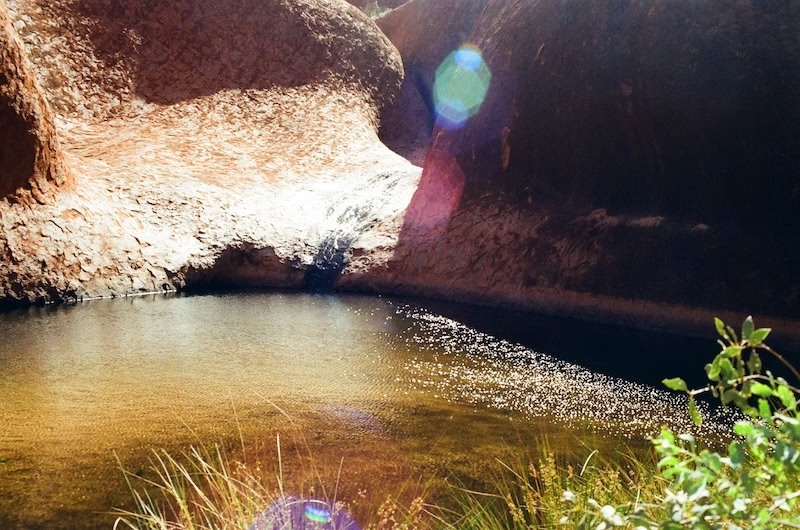
The tour guide started speaking volumes about this scenery before us. Perhaps due to the prolonged hunger that I endured before lunch, I didn’t quite get the significance of this moment, “what are you speaking about, where are we?”
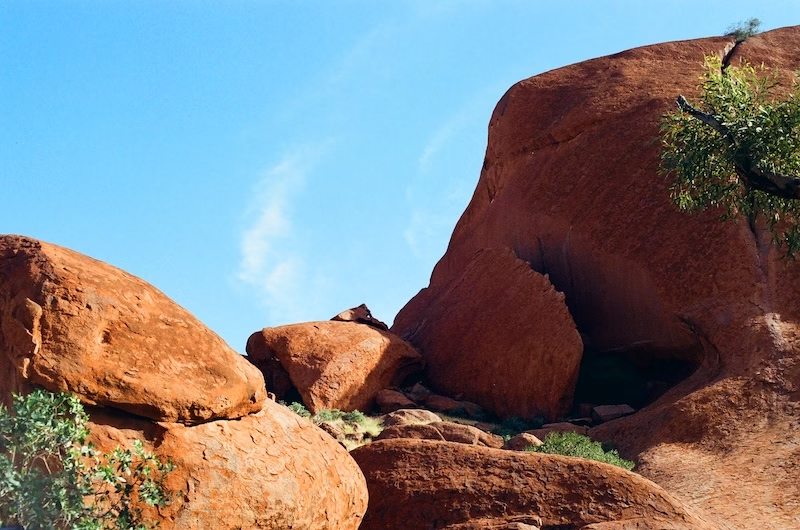
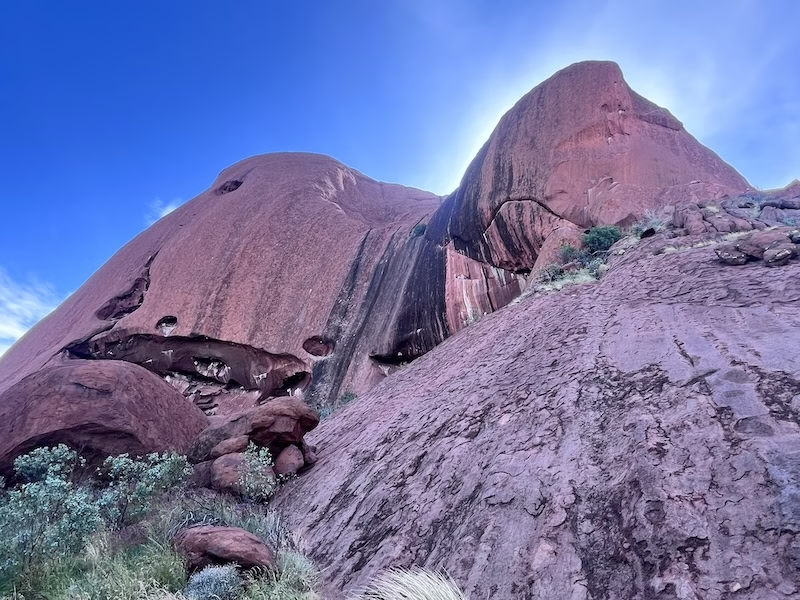
“The Uluru, girl,” my Texan friend was not impressed by my cluelessness as we stood before the soul of the Outback that is Uluru. The embarrassment aside, I knew why I was clueless. Up close, the Uluru is nothing like what one sees from afar, when the monolith stands as one enormous structure. At the Uluru, one might not readily recognize its color — even the signature rusty red surface felt different — let alone being enclosed within the myriad folds of the rock faces that gives an impression of malleability, like the ruffles of a silky party dress. When viewing the Uluru from within, its morphing rockfaces felt almost feminine.
Our first adventure at the Uluru was the Kuniya Walk.
Tjukurpa (pronounced “chook-orr-pa”) is a religion-based philosophy encompassing the initial world views, laws and mores for the two Aboriginal Peoples of Pitjantjatjara and Yankunytjatjara, together known as the Anangu peoples. It lies at the foundation of Anangu culture. While the westerners call it Dreamtime, the Aboriginals take offense at the suggestion that the stories are mere myths. For the people hold the Tjukurpa as every bit of their truth as the Bible is for the Christians in the world.
At the Kuniya Walk, we learned the details of the Aboriginal way of life, seeing some significant rock art, the sacred Mutitjulu Waterhole and hearing fundamental Creation Stories that govern their beliefs. The walk is 1km in distance and there is no climbing at all.
Aboriginal Paintings on the Kuniya Walk
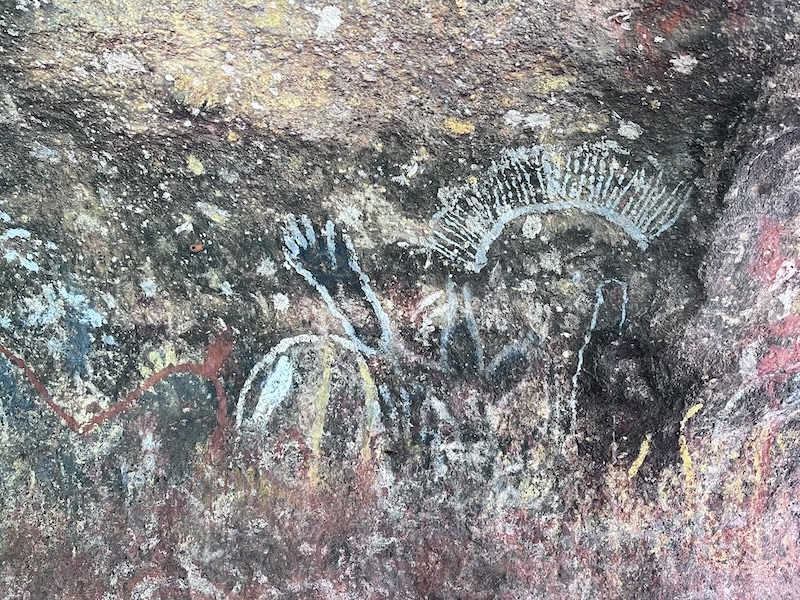
On the Kuniya Walk you will be led through many Aboriginal rock paintings. A lot of these paintings have survived 5,000 years, but there were also paintings from the 1950s.
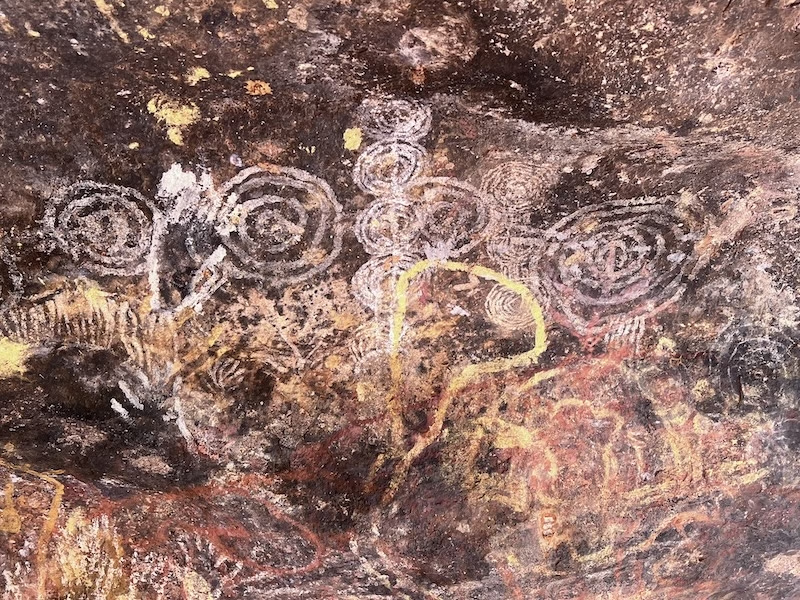
Photo: The concentric circles in Anangu Aboriginal paintings indicate waterfalls.
The science of the durability of the painting is one of age-old practice. The Aboriginals mix the charcoal and ashes of the desert oak tree, blood, water and oil to make their paintings.
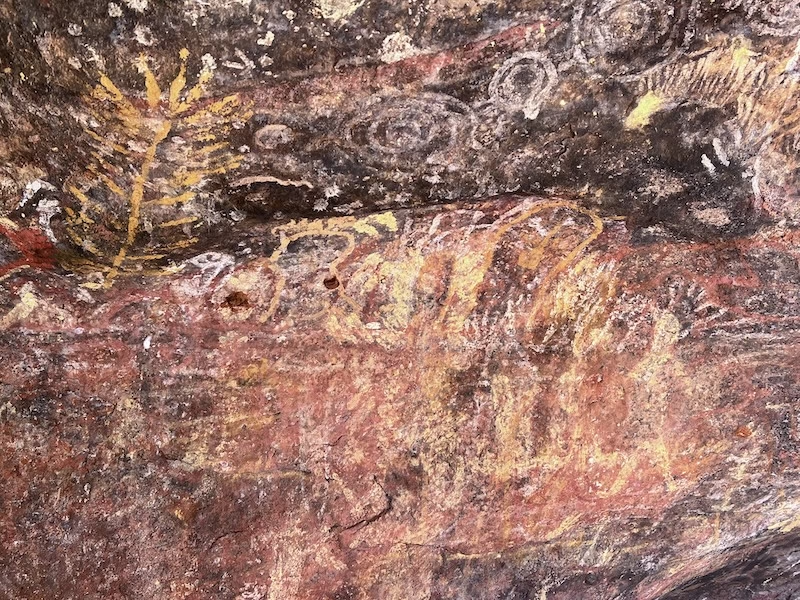
Photo: Yellow leaves indicate plants with medicinal qualities.
The Aboriginal children learn at a tender age about the meaning of the paintings, especially how each individual pictorial representation bear what meaning. The paintings often serve as critical indicators that concern survival, especially with regards to water and food sources. Otherwise, they stand as living instructions to the Aboriginals there.
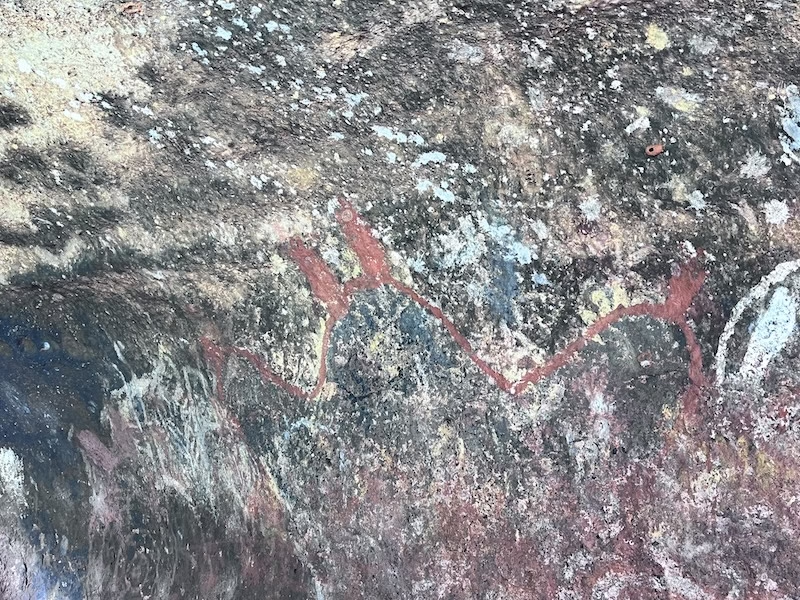
Photo: Animal shapes are a way to teach Aboriginal children the relationship between trees, animals and men. Where you see animal footprints (emu and kangaroo), they are signs for the children that there is food around.
For most of its history, the Pitjantjatjara language was not written. The elders of the Anangu peoples pass down their knowledge and culture mostly by the oral traditions of storytelling (Dreamtime) and song-singing (songline). Another way that culture is preserved and enshrined is through art.
The Kuniya Creation
The Anangu peoples express clear disapproval of the word Dreamtime or Dreaming to describe the Tjukurpa. As discussed before, some of these stories have such a sacredness that they cannot be retold to people outside of the tribe. There is explicit instruction on the uluru.gov.au website not to replicate or retell the story of Kuniya, and I shall respect that.
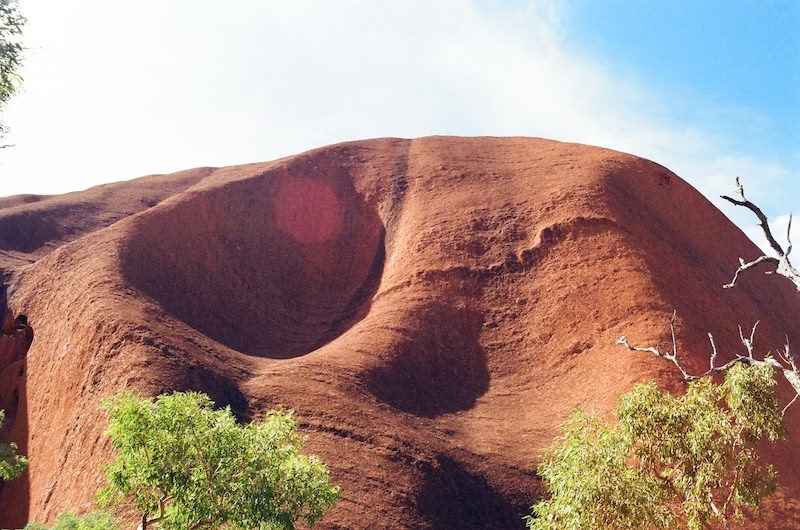
Photo: The “scar” on the rockface is a trail left behind by Kuniya.
Suffice it is to say that Kuniya is a woman that is an Ancestral Being of the Anangu peoples. Her ventures into this area of the Uluru resulted in a critical lesson in the upbringing of Aboriginal children, and women’s role in that endeavour.
If you make it out there to Uluru and get to hear the story of Kuniya, be especially tuned in to two aspects of the story. One is how the dramatic fights between those Ancestral Beings left physical marks onto the nature. The tour guide will show you which physical qualities of the rock are the results of Ancestral actions. That is one critical aspect of the Aboriginal worldview — that natural features are manifestations of their Ancestors’ spirited behaviors.
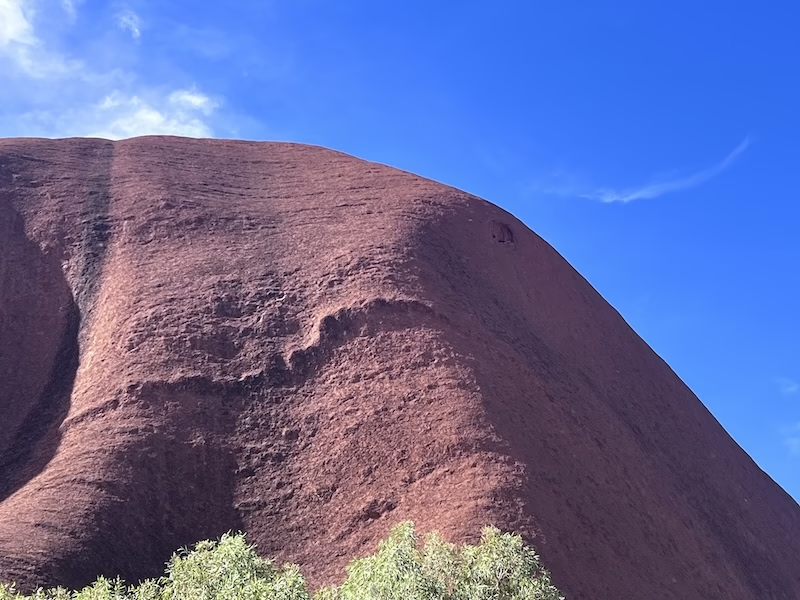
Secondly, be especially attentive when the tour guide tells you the moral of the story. Those morals are the very laws that govern the Aboriginals’ conduct and upbringing.
The Mutitjulu Waterhole
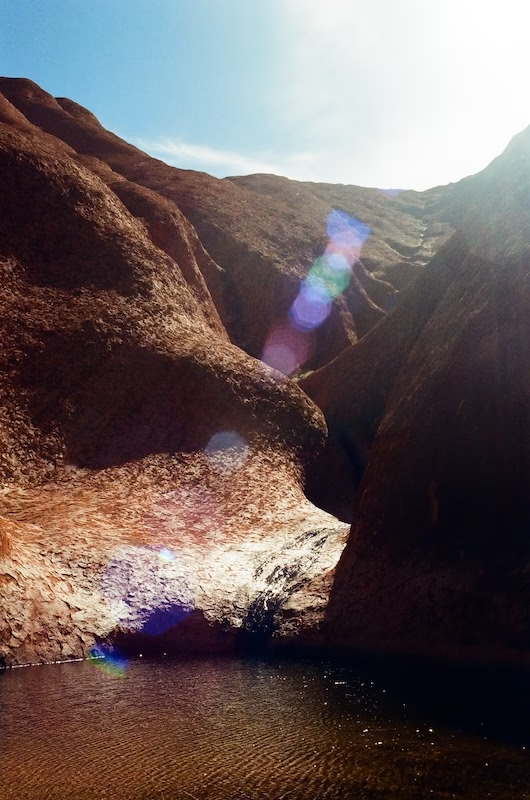
The Mutitjulu Waterhole is the only permanent waterhole in Uluru. While its sacredness is apparent due to this fact alone, it is also sacred for the fact that Kuniya’s spirit resides here.
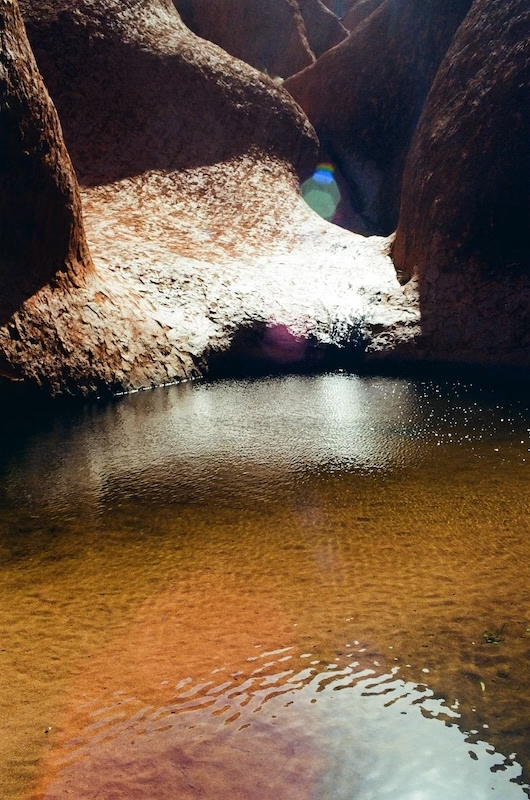
The water at the waterhole was always coming from the top. The water forms the black waterlines, then they lay still in the waterhole. Only the Aboriginals can swim here. In 1873, the first European climbed the rock from this waterhole.
I want to say that the water of Mutitjulu whispered the spirits of the Ancestral Beings of creation, but to be honest, that was not the vibe there. Both before and after us there were tour groups there eagerly waiting to feel the spirit. We only had so much time to snap a few photographs and then we called it a visit.
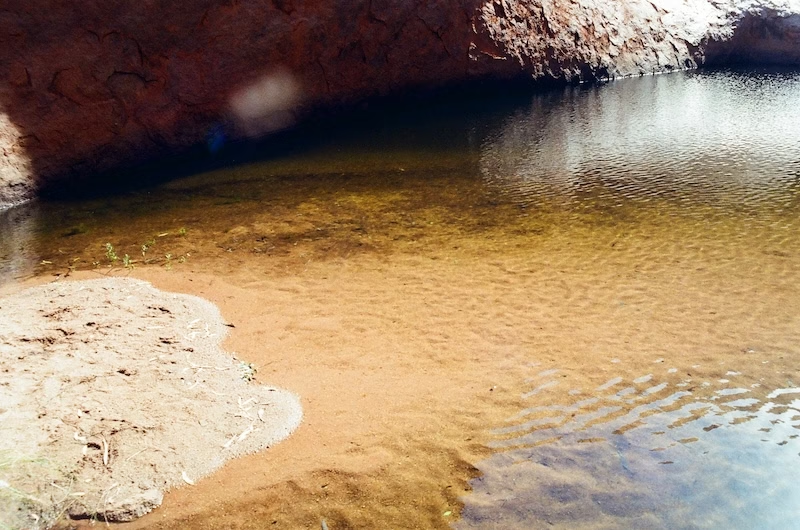
That is not to deny that the spirit was indeed there. There was a moment of rare unity in the tour group when we heard the tour guide explain the Kuniya Creation Story to us. In silence and deference we received the Creation Story at the Mutitjulu Waterhole. There and then, it felt as if we were a group of Aboriginal children being instructed by an elder.
Just an interesting fact. To serve as a guide for Uluru tours, one must be trained in the University of Darwin first. We heard stories that were carefully curated, deemed acceptable to be communicated to the world as fundamental narratives through which one understands Aboriginal culture.
Out of respect to the Anangu peoples’ traditions, one must not touch the water at the Mutitjulu Waterhole. As in, don’t drop things in there (no wish-making!), let alone swimming or dipping in it.
Sources
Tour with White Emu Run.