
America on Foot — The Pittock Mansion
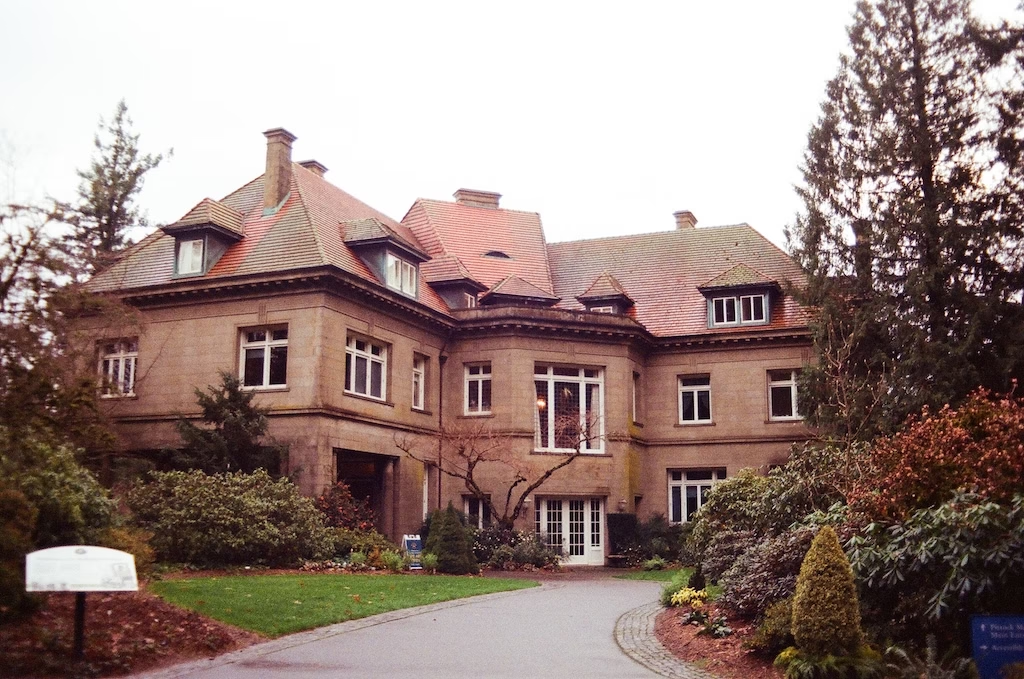
I was drawn to a tour at the Pittock Mansion for two reasons. First is that it is a beautiful heritage building in Portland. Second, one can do hiking trails in the area. Originally, I was going to do a proper hike there, but I did not have enough time.
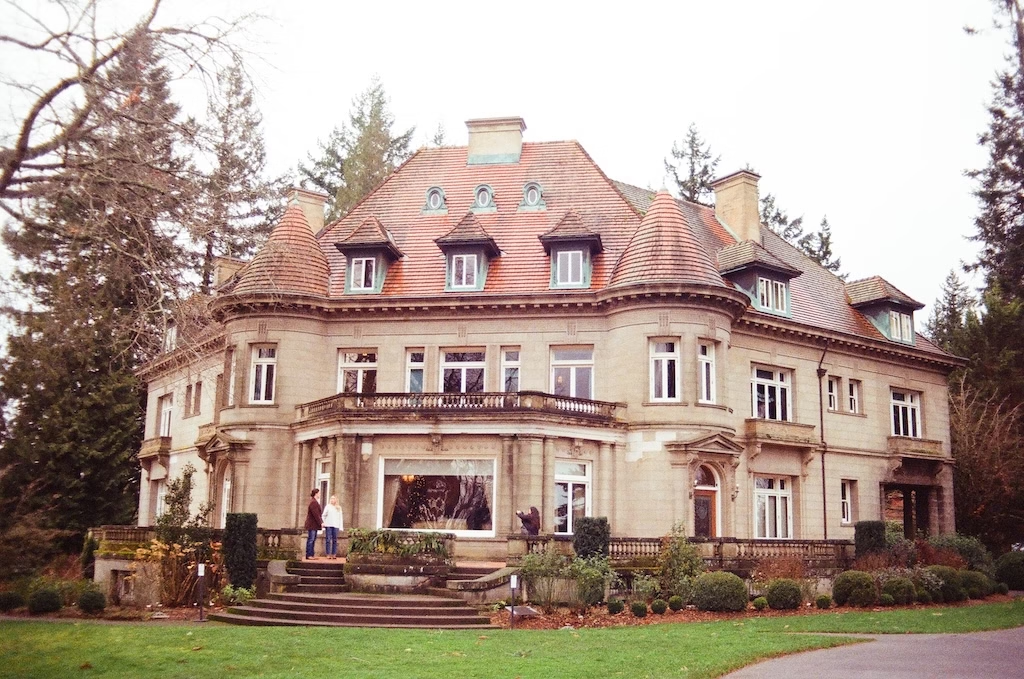
I simply took the bus there and walked up the slopes for about twenty minutes to reach the Mansion, and that was good enough as a walk. Allow for more than two hours of touring if you plan on walking up the mansion.
Getting There
The way to get to the Pittock Mansion is by Bus Route 20 from Downtown. Get off at the W Burnside & NW Barnes, and walk about 20 minutes up a gentle slope to reach the Mansion. There are clear signs along the way.
The Pittock Mansion
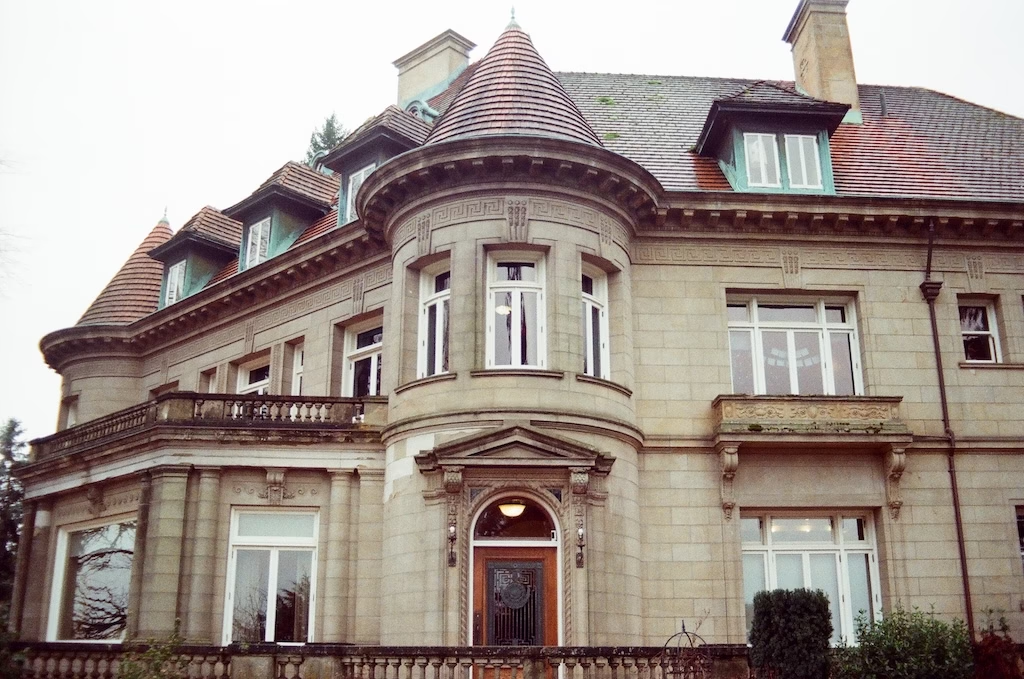
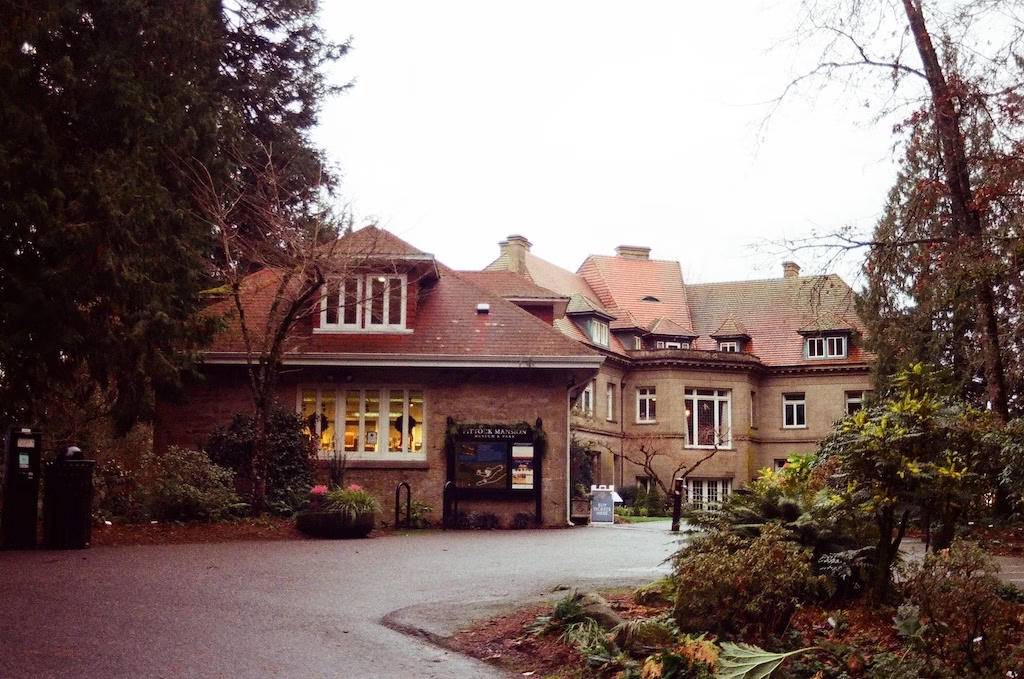
The Pittock Mansion is the perfect window through which one learns about the history of Portland. It was the family residence for the prominent Portland family of Henry and Georgiana Pittock. Architect Edward Foulkes was the mastermind behind this beautiful building. Built in 1914, Pittock Mansion spans 16,000 square feet in a French Renaissance Chateau with 23 rooms.
A grand circular marble staircase serves as the central feature in the mansion that takes one through all of the chateau’s chambers.
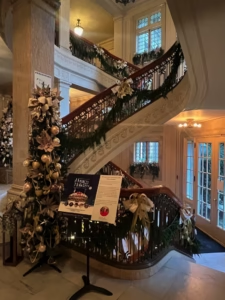
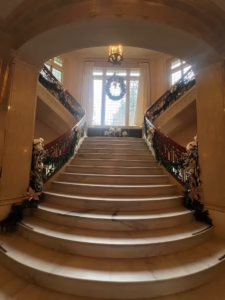
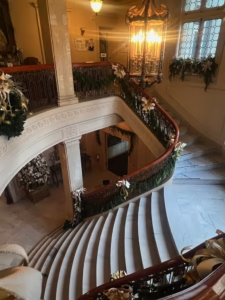
The Pittocks spent about $190,000 to $350,000 (about 5-8 million in today’s terms) to build the mansion. Three generations of the Pittocks lived in the mansion, until 1958, when they could no longer afford the maintenance costs. They put the house onto the property market. Thereafter, some misfortunates befell a dilapidating house. In 1962, the Columbus Day Storm blew away the tiles on the roof and broke the windows. This left the mansion exposed to rain for 18 months.


Photo: Panoramic view of Portland City outside of the Pittock Mansion
In 1964, developers expressed interest in purchasing the property with plans to pull it down for redevelopment. The citizens of Portland initiated a campaign to save the mansion. Eventually, the City of Portland purchased the property with $225,000, of which $67,500 were raised by the citizens.
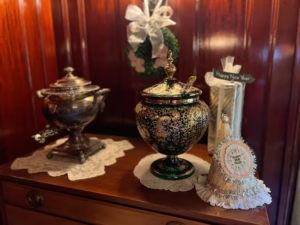
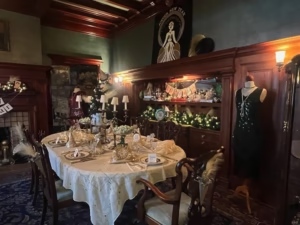
The salvage of Pittock Mansion and the subsequent revival of its former glory was a joint effort mobilized by the Portlanders. For 1.5 years, workers worked diligently to restore the structure. People, including the notable Portland Couch and Failings families, donated and loaned antique furniture and heirloom to refurnish the house. In 1965, the Pittock Mansion and its grounds reopened its doors as a historic house museum.
The Pittocks in Portland
The Pittocks’ establishment as an elite family in Portland was a classic story of success in their times. Henry and his future wife Georgiana Pittock arrived in Portland by wagon trains in the 1850s, via the Oregon Trail. The couple married in 1860, and for decades they lived in Downtown Portland.
This was also the time when Portland was incorporated (1851) and Oregon became the 33rd state (1859). As such, properly considered, they were pioneers in a new world called the Pacific Northwest of the United States.
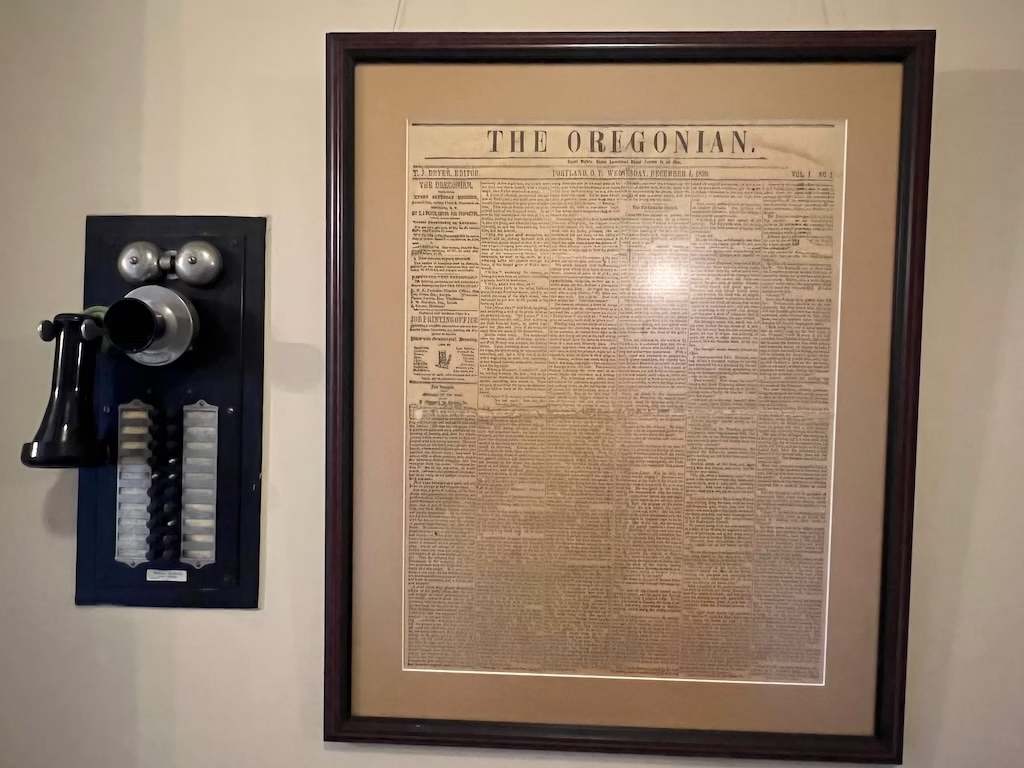
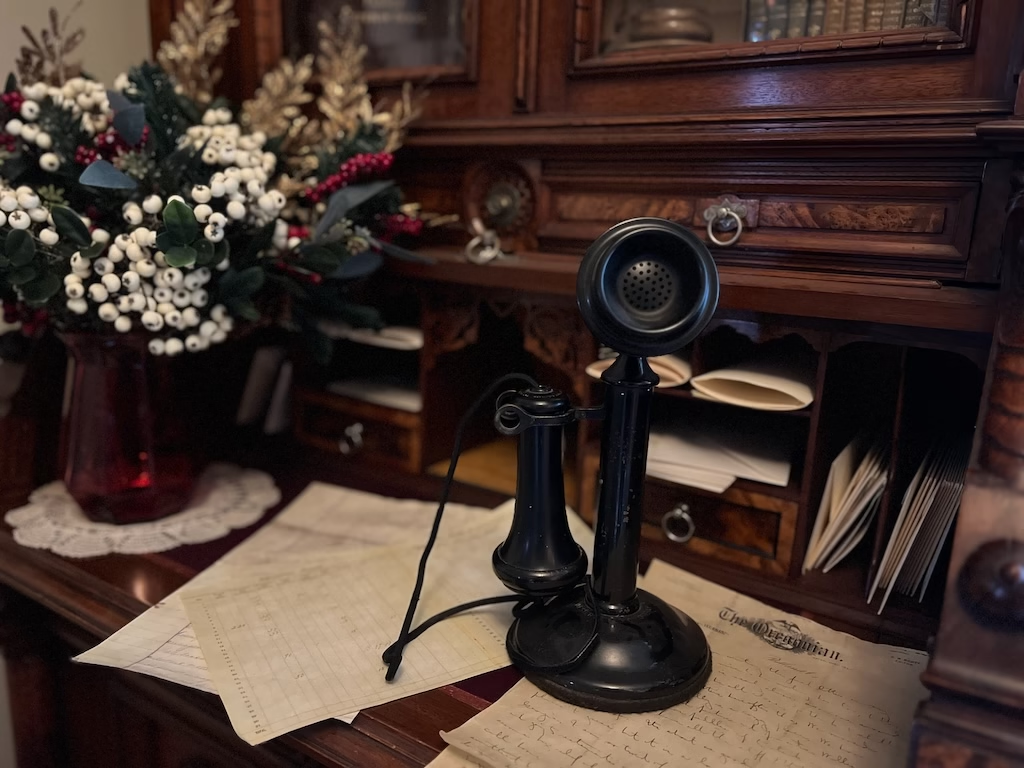
Henry found work as the typesetter of the Weekly Oregonian newspaper. Through years of hard work, Henry cultivated his career in newspaper publishing. He eventually became the owner and publisher of the Oregonian, at his time a Republican newspaper and published daily. Georgiana played a key role in a few charitable and cultural organizations, particular with a cause on the rights of women and children. Henry acquired the wealth that sustained generations of his family, and invested in real estate, banking, sheep ranching, mining and paper manufacturing as well. He left an estate of almost 8 million.
As he became established in Portland’s society, Henry was a critical figure in the city’s bourgeoning industrial and cosmopolitan character. For one thing, the Pittocks are the originator of Portland’s famous Rose Festival, which is still held today in June annually.
Henry and his daughters were avid mountaineers. Their love for nature is shown in the patch in the back half of the property that was kept wild intentionally. The Pittocks planted beds of shrubs and flowers around the house. They also enjoyed the “fruits of their labor,” when family members picked wild-grown apples to the table for enjoyment.

Perhaps it is worth noting that Henry Pittock was especially tolerant when it came down to race relations. One of his servants was of Chinese descent. He said “… During the Chinese riots here [in 1886], we opposed the driving out of the Chinese… and I had a long list of the names of the persons who signed statements supporting us in our contentions… threats of burning us out were made.”
Interiors
Perhaps one of the most innovative structures in the Pittock Mansion is the elevator. Georgiana suffered from a stroke, so the family residence was equipped with an in-house elevator for her convenience. This elevator was a top-of-the-line technology in their times.
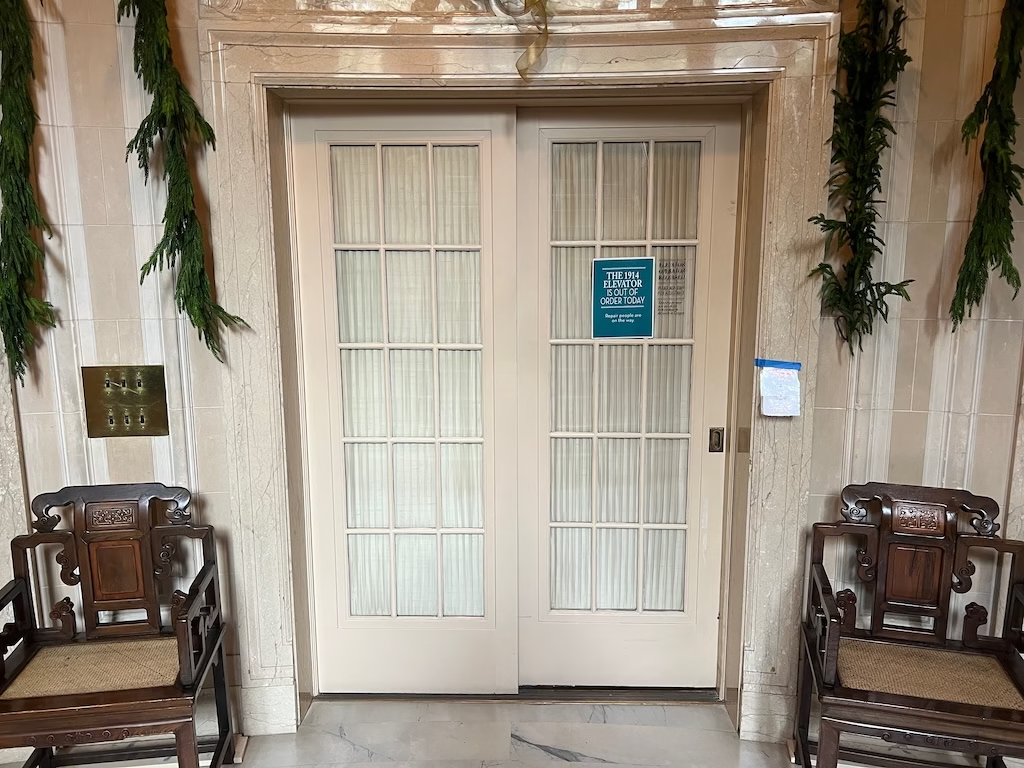
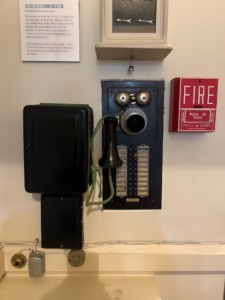
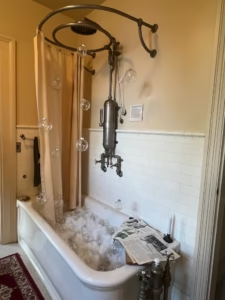
Besides this elevator, other features were also representative of the latest home luxury innovations, including thermostat-controlled central heating, a refrigerator room, and a central vacuum system.
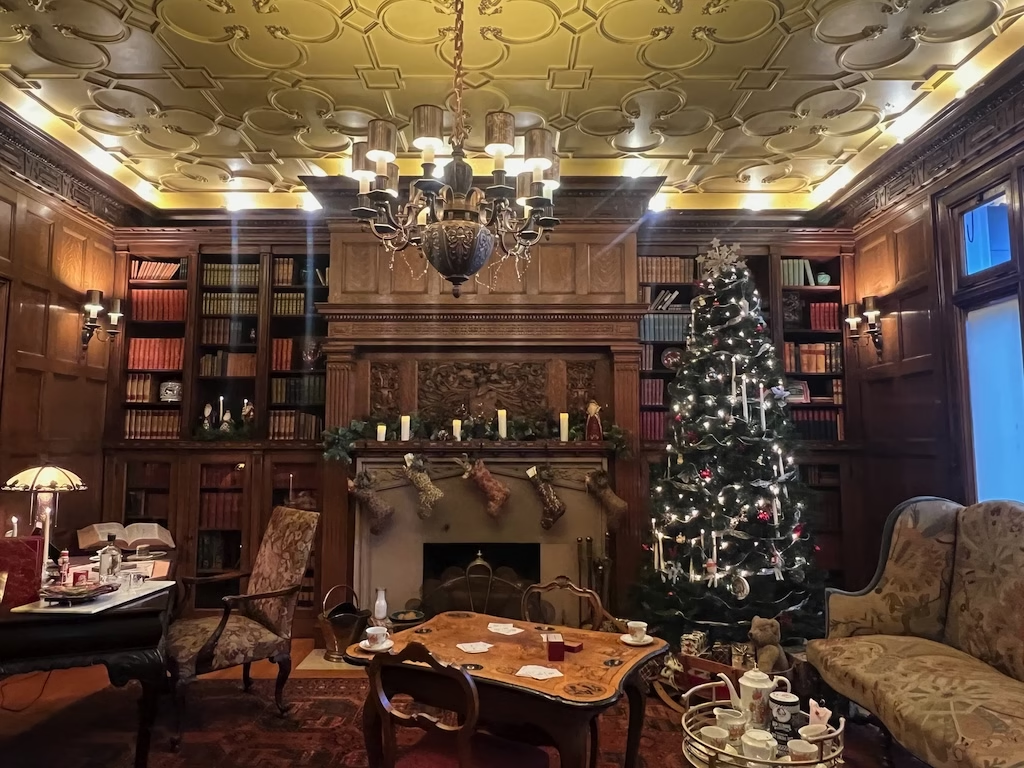
The exhibitions show amply the luxurious lifestyle of the Pittocks. It is a kind of luxury that transcends all eras and regions. By any standard of measure, at any time of history, at any region of the world, their lives in the mansion rivaled that of the world’s elites’.
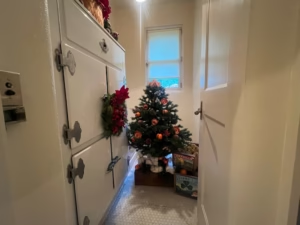
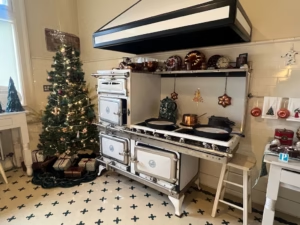
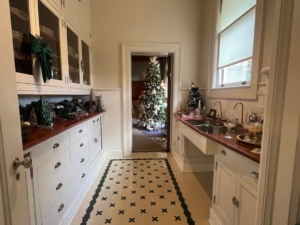
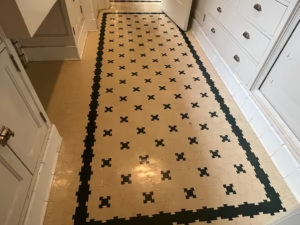
For example, they have a full crew of workers to take care of their daily needs, from a chauffeur to a team of servants. For servants alone, the house provided four bedrooms.
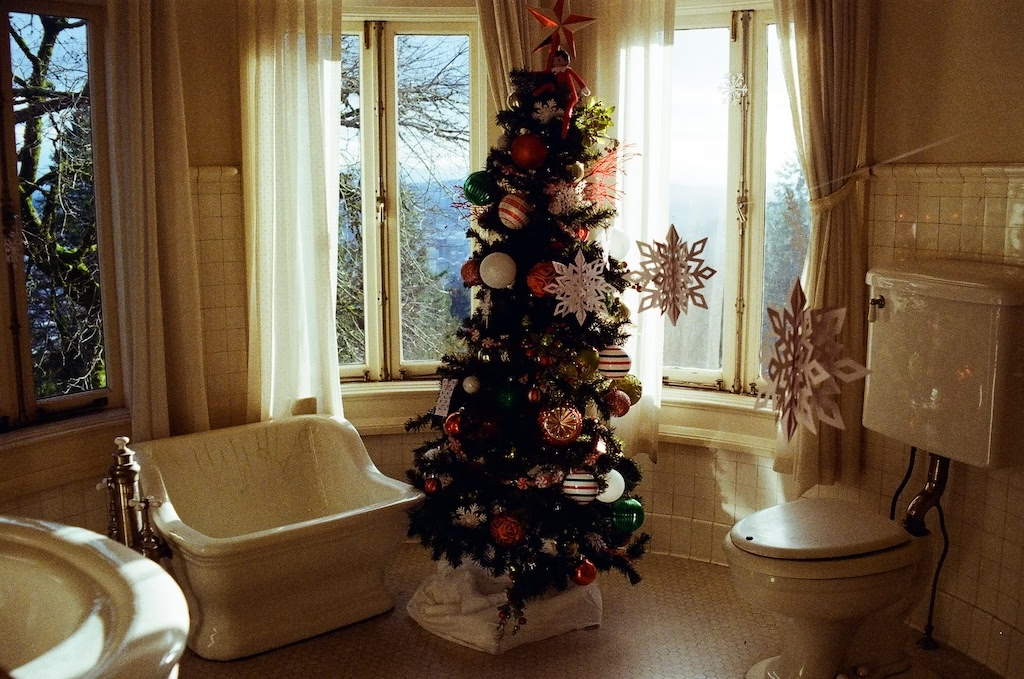
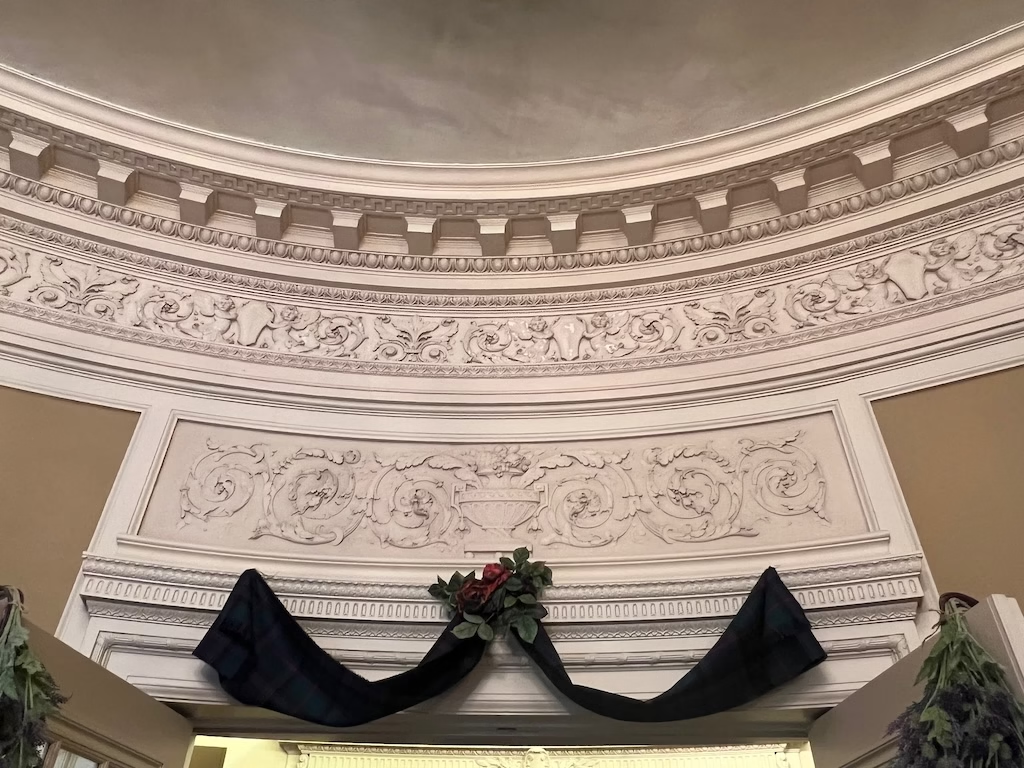
The interior features dark wood panels in medieval and Renaissance designs. The recessed ceiling lighting was also an innovation in 1914.
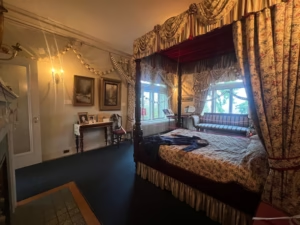
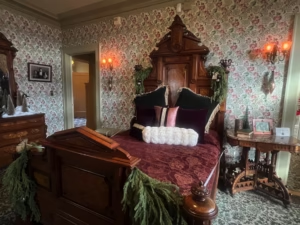
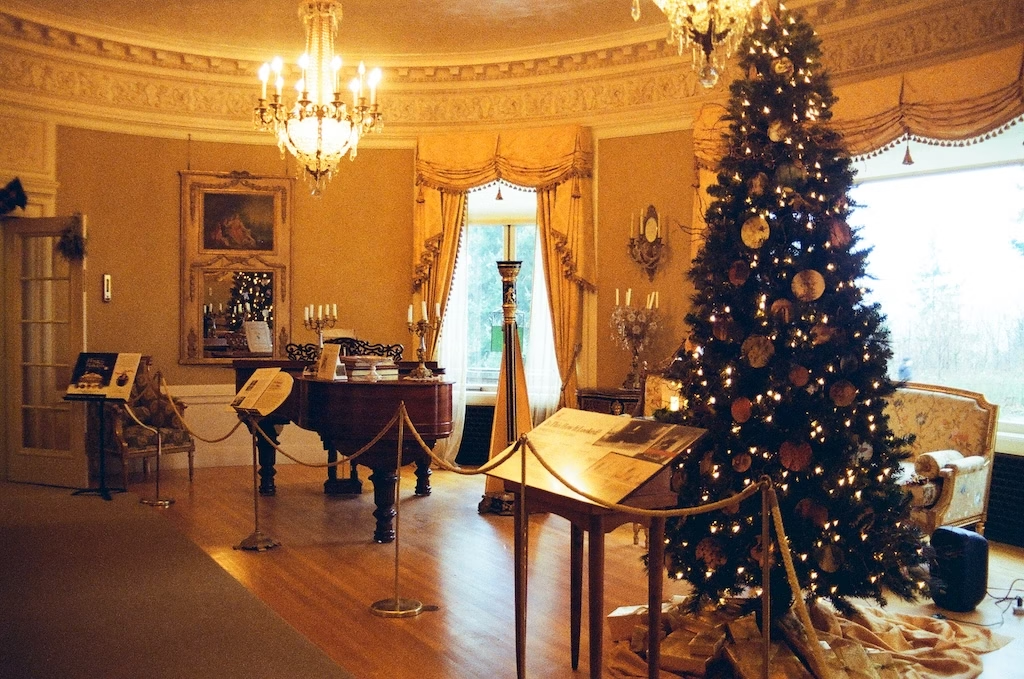
“The mansion’s décor reflects changing approaches to interpretation in historic houses over several decades.” (Descriptions on site) In refurnishing the restored mansion, the administrator drew insights from how other contemporary houses were furnished. The music room was such an example, whereby French revival Louis XIV furnishings reflect a style popular for “high-style parlor” circa 1914.
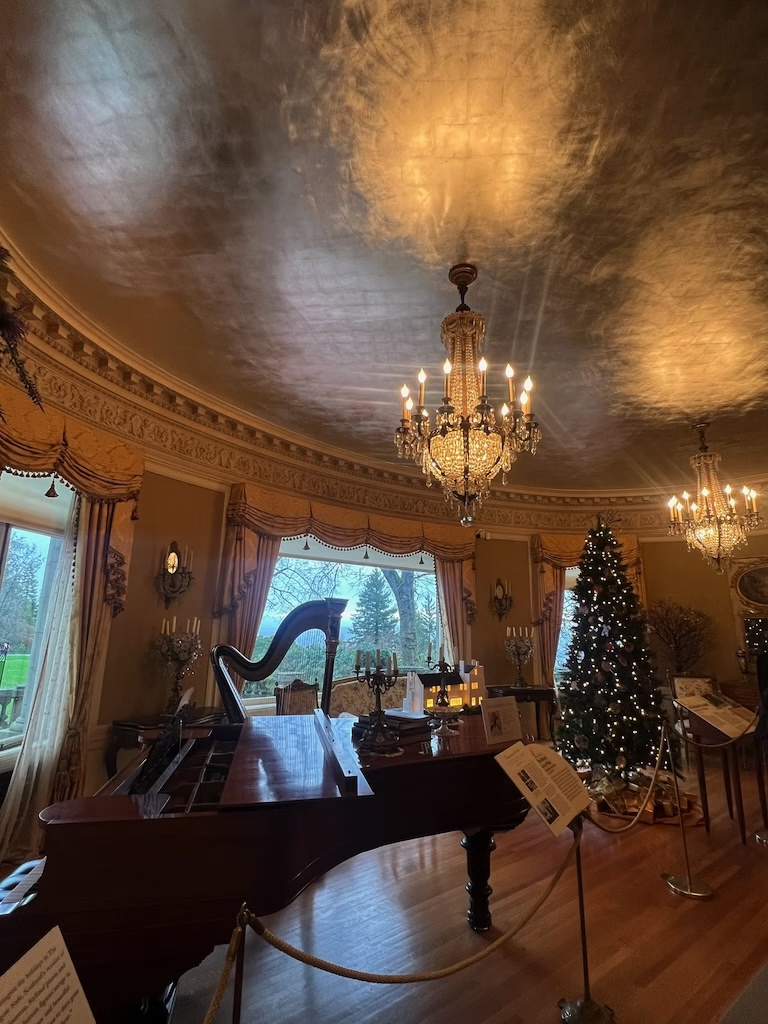
Holiday Décor
Since I visited the Pittock Mansion in December, I could enjoy the festive atmosphere there, carefully put together by the staff. The Christmas theme was exceedingly beautiful, and it felt almost royal in the Pittock Mansion at this time of the year. The place was infused with champaign gold, luxurious but also warm with lots of red pieces juxtaposed for a touch of festivity.
Entrance fee to the Pittock Mansion is $17.
Sources
Descriptions on site at the Pittock Mansion.
Eyewitness Travel Guides, USA (2006).