Blog

Finding Tibet – The Qinghai Tibet Railway

Finding Tibet – The Qinghai Tibet Railway

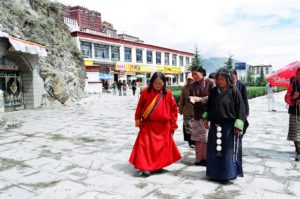
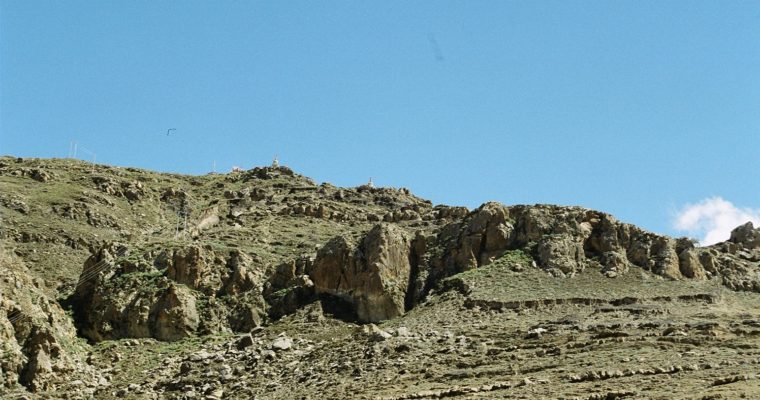
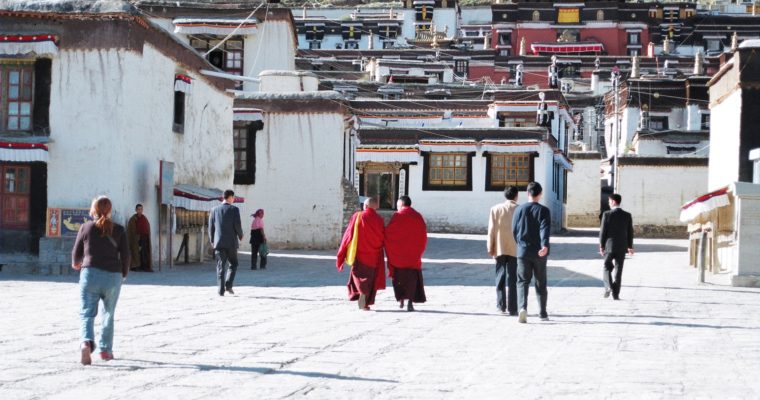
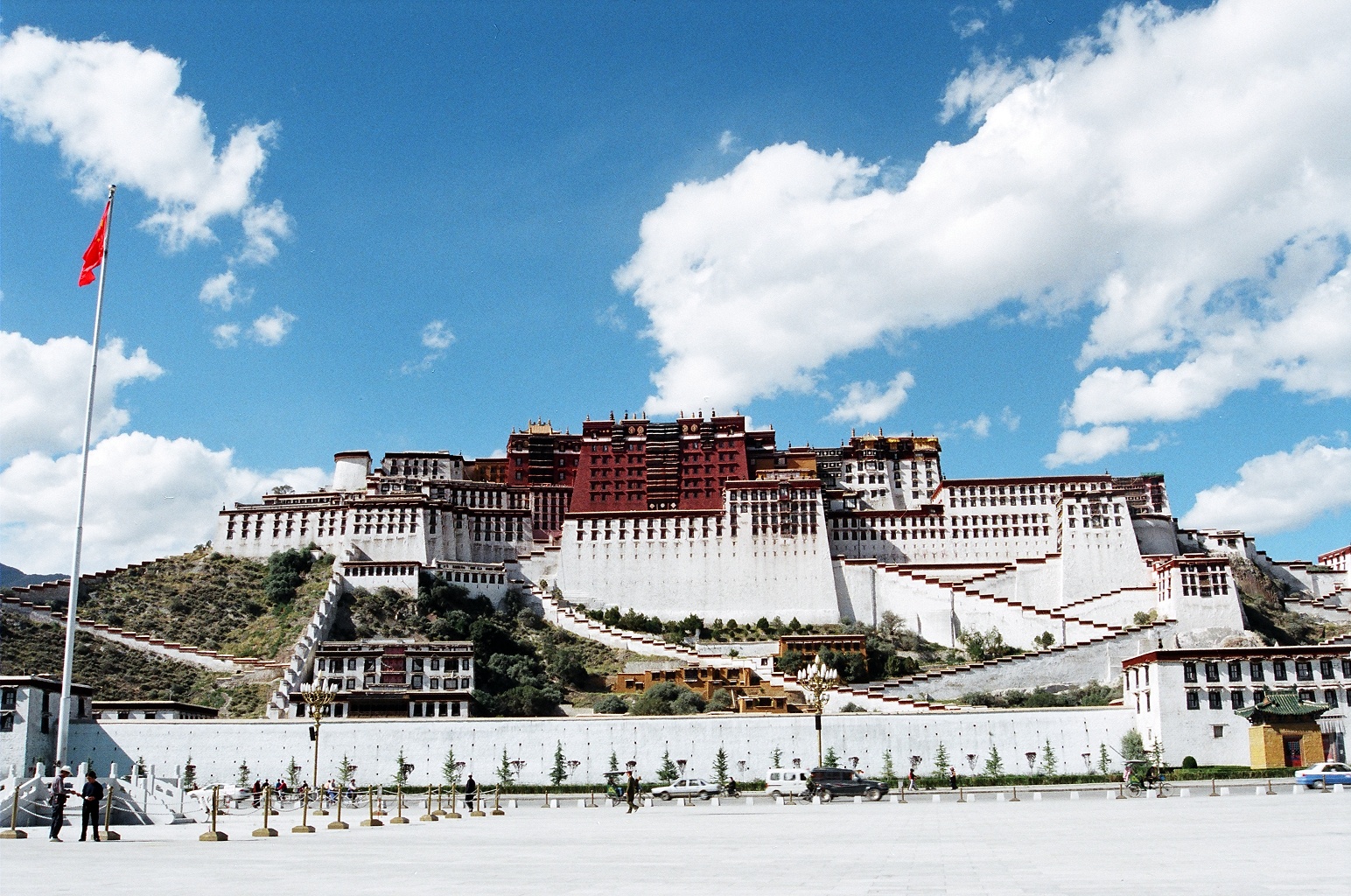
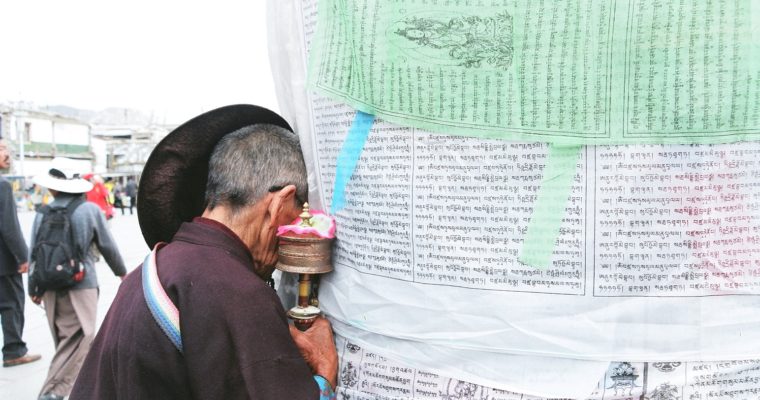
The Qinghai-Tibet Railway was newly opened when my friends and I decided to visit Tibet.  We joined a tour so that we could be arriving in Tibet on the train. The ride was nice as the train was new and equipped with individual oxygen supply. …

A Twenty-Year Dance with Melbourne

A Twenty-Year Dance with Melbourne

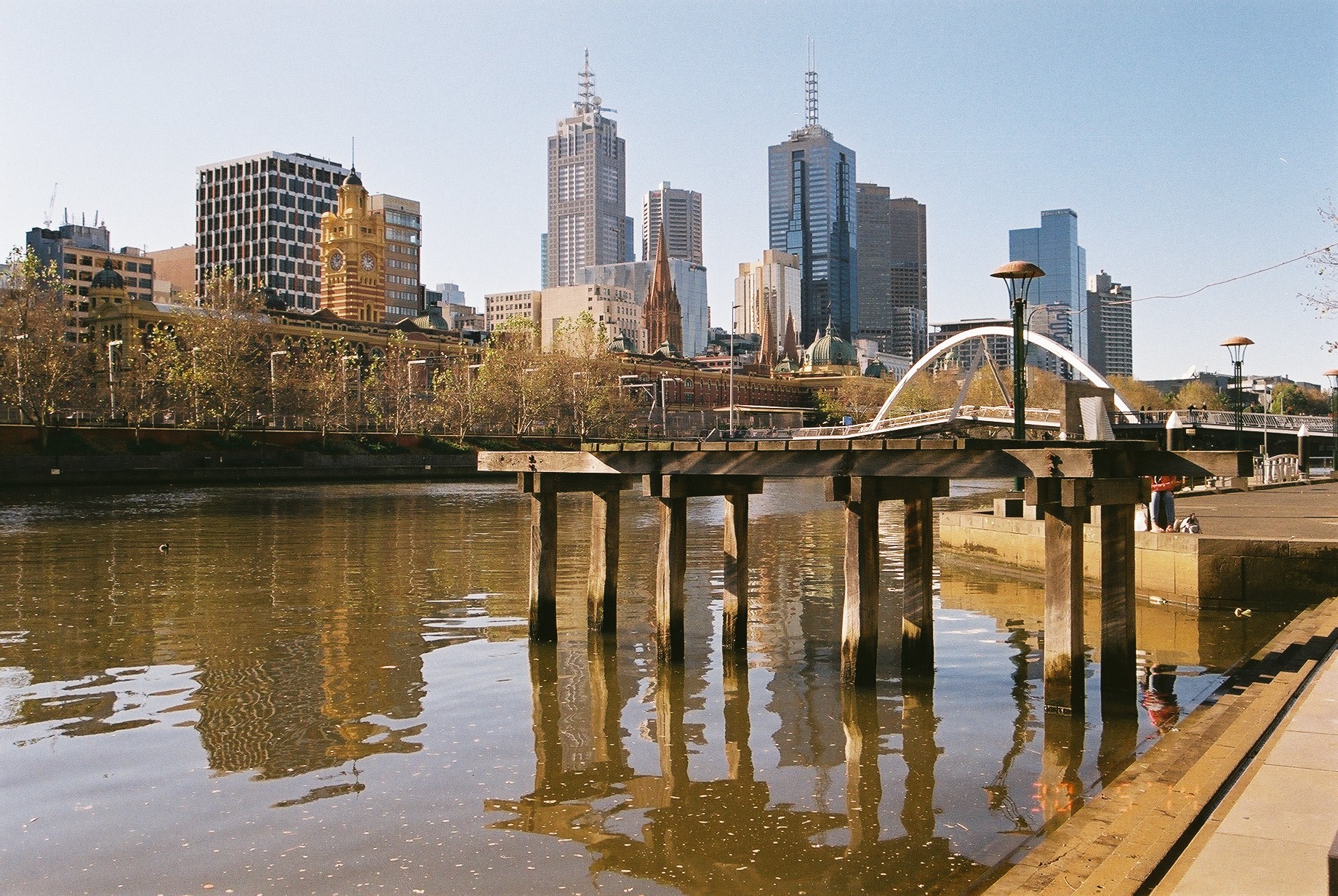
Time flows at an exceedingly slow pace in Australia.  I feel like I can take each second and weave it into the tapestry of a day, thread by thread.  Perhaps it is the lifestyle here making it so, for people are just so laid back.  It is in …

Gweilo: Memories of a Hong Kong Childhood

Gweilo: Memories of a Hong Kong Childhood

By Martin Booth

In this delightful memoir, Martin Booth shares about his childhood exploring Hong Kong in the post WWII period as the son of a British civil servant stationed in Hong Kong.  This was the time when Hong Kong was blossoming from a sleepy fishing village to the grand metropolis that is today.  In lucid details that are highly unusual of a young child, Martin Booth tells wonderful stories in his expeditions and learning in Hong Kong’s lesser known places and people.

The booming phase of development in Hong Kong comes alive in Martin Booth’s vivid memories.  He tells of the struggles of refugees from China trying to find a place and a livelihood; the prostitutes and drug dealers in the seedy parts of the Kowloon Walled City; a Russian lady who was half-delusional and dropped real diamonds into his mother’s hands in exchange for a mere one hundred dollars; a monkey entertainer losing his livelihood as the companion monkey was let loose and electrocuted on the power line; and how villagers who fought the Japanese secretly buried the killed Japanese soldiers upright so that they shall never rest in peace.   The natural curiosity of a foreign child eager to learn gives incredible color to his daring expeditions.  Every story is a riveting account of details, conversations and emotions.  Told in a clear passion for Hong Kong, the book lends itself in an authenticity that far exceeds any history book or exhibition that I have come across growing up here.

Most of the places depicted, such as the Kowloon Walled City, have since become a distant memory and no longer exists today.  As such, for most of Hong Kong people today, Martin Booth’s memoir becomes a rare and rich source of heritage told from a very special angle—a gweilo (foreign man) who can amply claim nativity in this exciting phase of the development of Hong Kong.

Hello from Hong Kong

Hello from Hong Kong

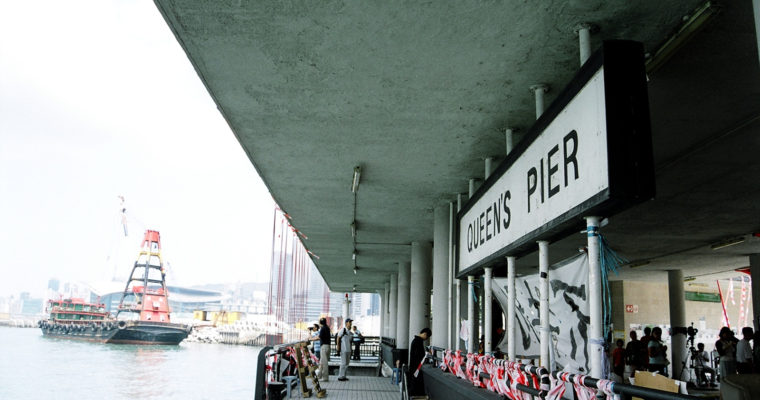
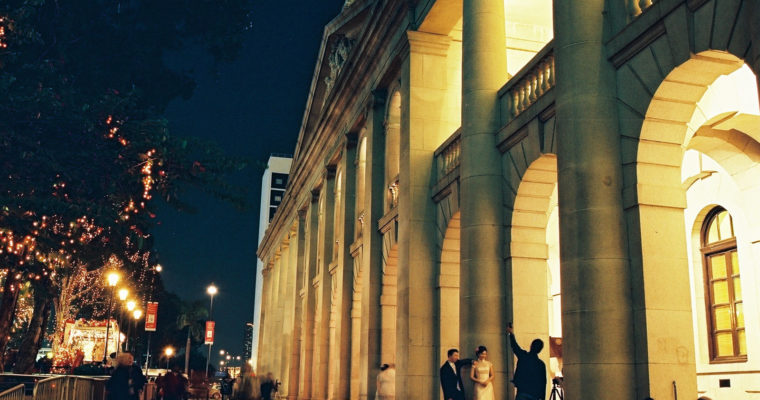
As I am based in Hong Kong, I also intend to share with you about Hong Kong life.  Although I consider myself American, my perspective on Hong Kong is half-way local and half-way foreign, since I did spend the first sixteen years of my life …

South Korea – Please Look After Mother

South Korea – Please Look After Mother

By Kyung-sook Shin The last time that I was aware of the idea of a “Korean farmer” was in 2005, when hordes of them came to Hong Kong to protest against the WTO meeting held here.  The Korean farmers organized more than a thousand members …

Indonesia – The Rainbow Troops

Indonesia – The Rainbow Troops

By Andrea Hirata

Laskar Pelangi, meaning the Rainbow Troops in Indonesian, is a title that conveys hope.  In this autobiographical novel, Andrea Hirata tells readers about a childhood in the struggling village school of Muhammadiyah Elementary in Beilitong, an island province in Indonesia that had been exploited for tin since the Dutch colonial times.   The land was so rich with tin and other precious metal, yet the discrimination so pervasive, that the poor native coolies of the tin mining company were like a “pack of starving rats in a barn full of rice.”[i]

The story begins as nine children attend the first day of school.  There must be a tenth child to come, lest the school shall be closed by the order of the superintendent.  In the very first chapter, the readers witness the first of the many miraculous triumphs that the two teachers and their students would come to experience together: the tenth child comes, in the eleventh hour of the school opening day.

The Muhammadiyah, despite its state of disrepair in the author’s time, had its glorious days as the first school in Belitong.  Pak Harfan, the school principal, bore on his own shoulders the supporting beam in the classroom.  Yet, prejudices slowly ate away the spirit of education for the poor: the community believed that only those that attended rich schools would succeed, and look at those children who did not go to school and worked instead!  They brought home bread.  As such, the students left, and eventually so did all the teachers.   By the time the ten children began elementary education there, the school building was in near-collapse, with only the passion of the principal and the heroine teacher Bus Mus as the sole support of the school.

In the middle of the sorrowful school is a filicium tree, which bears witness to the joys and pains of the poor childhood of these ten children.  They tell each other stories as they climb the tree chasing rainbows.  They swear by the filicium to be forever friends.  Under this same tree they learn, first-hand, that poverty inspires the love of education for the sake of knowledge and humanity.[ii]  The education for poor children in such conditions forms character and values, first and foremost.

Although this book is not intended to be an expose of the exploitation of the natives by the Dutch, the Japanese or the state owned tin mining company, the colonial mindset and the discriminatory, systematic injustice is what consistently threaten the village school, “[their] goal was to give power to a few people to oppress many, to educate a few people in order to make the others docile.”[iii]  In their struggle to survive and the many triumphs that follow, the ten children of coolies, fishermen, shop keepers, dam keepers and the lowly classes of Indonesia not only learn to hope, but also dare to dream.


This Book has been recommended by the Guardian’s World Literature Tour.

[i] Andrea Hirata, The Rainbow Troops, at 20.

[ii] Id. at 197.

[iii] Id. at 24.

Indonesia – Dieng

Indonesia – Dieng

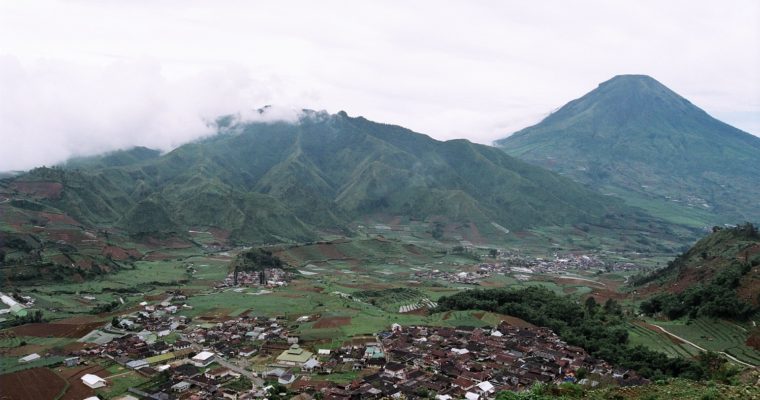
Dieng might not be a prime destination in Indonesia for foreign tourists.  It may have to do more so with its smell than any other reason, as the mountainous region is known for its naturally occurring sulfur lakes. On our way we met many savoring …

Indonesia – Mount Merapi

Indonesia – Mount Merapi

We went to the Ketep pass for a view of Mount Merapi.  The Merapi is still active today and we were advised not to climb it.  The last eruption took place two years ago.  The driver took us to see the face of the volcano …

Indonesia – Borobodur

Indonesia – Borobodur

The Borobodur temple complex is recognized as a world heritage by the UNESCO.  Built in the 7th century (AD750-850), it is a Buddhist temple made wholly of stones.  The complex is shaped in a square, with four levels and stone carved bas relief depicting each four levels of life until one reaches the ultimate enlightenment.

On the highest level there are stone structures of bell shapes (stupas), with peeping holes and housing a Buddha statue within.  It has been said that the Borobodur is the Angkor Wat of Indonesia.  Indeed, there are similarities: the profusion of beautiful bas relief, the preeminence of stones as its building material, and the political will of dynasties (Saliendra for Borobodur, and Suryavarman for Angkor initially) that made possible such massive constructions of religious significance.  Saliendra eventually disappeared mysteriously, and as such the Borobodur was abandoned and forgotten (also due to the 14th century conversion of the Javanese to Islam), until re-discovered again by the British ruler Sir Thomas Stamford Raffles.  Restoration has been done to the structure since the 19th century.1

What is dissimilar and superior to the Angkor Wat, and I know I have the contrarian view here, is that the stories told through the bas relief are better versed in the Borobodur.  While the beauty of Angkor Wat and all its attending temple complexes is, undeniably, unsurpassable due to its beautiful environ and scales of grandeur, the Buddhist message as told in the Borobodur was clear, observable by the modern sojourner and engaging.

The structure was an amazing work of art, history and religion.  The craftsmanship of the restoration was excellent, largely preserving its archaic impression unlike the Water Castle, which looked very modern.  We were awed—the Borobudur was a good prelude to the Angkor Wat.

People say if you touch the Buddha’s head within the stupas you will have good luck, and easily around me I saw people reaching in for the Buddha.  Many of the statues in the stupa did not have heads.  I found one, made a wish, and, “you are very pretty.  Can I take a picture of you?”  Soon after, another similar request!

The Lonely Planet said we were supposed to touch the feet instead of the head of the Buddha.  The magic worked nonetheless, although neither accosts were made by the one that I was wishing for.

That night when we were chatting we wondered how these great wonders of the world came into being.  The rumor goes, as with the Angkor Wat, the construction of Borobudur was done with help from mystic forces; that humans alone could not have built such great architecture with the existing technology of that time.  There was an accompanying sense that the belief in the supernatural was well and alive in Indonesia.


  1.  I took most of these historical facts from the Wikipedia entry on Borobodur.     
Indonesia – Yogyakarta

Indonesia – Yogyakarta

In Yogyakarta (known locally as Jogja) we decided to see the Taman Sari (the Water Castle) first.  We entered the Castle through the local bird market.  It used to sell exotic and illegal birds.  There we climbed an old and decrepit wall.  When we climbed …