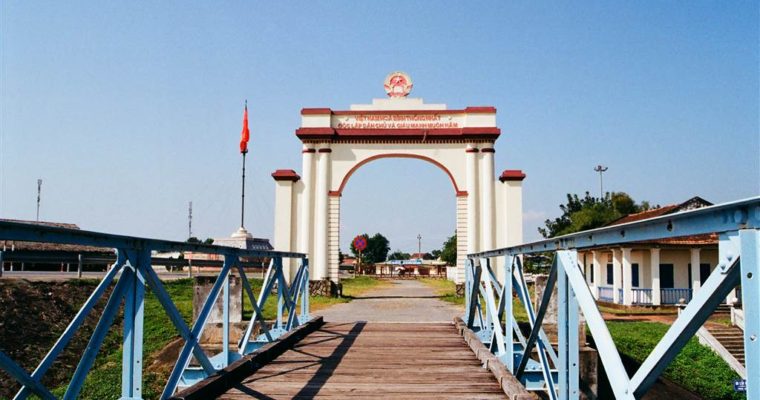
The tour at the DMZ brought me to a place in a time long past. In the decades since, Vietnam has made great strides from the traumas of the American War. That also came with the serious and mutual efforts with the United States to address and to rectify the aftermaths of the war.
When the North Vietnamese took over Vietnam in 1975, the economy of the nation was in shambles. This came at the heels of the land reforms (collectivization and redistribution) that Hanoi instituted across the former South Vietnam. The farmers received coupons from the government, but no stipend. Sometimes the people went to the black markets for goods, but they must pay much higher costs. There was nothing for the farmers to plant. Nor was there any industry.
Nearly 10,000 died from the landmines after the war. And yet in 1979, Vietnam went into war with China. This war originated from Vietnam’s involvement against the Pol Pot regime in Cambodia. The Vietnamese economy declined further.
The situation in the nation caused waves of refugees to leave the country. Most of them took the sea route to land on other locations in Asia. Four to five million people risked their lives to flee communism. And they became the boat people of Vietnam.
When the Soviet Union fell in 1991, Vietnam opened up and began forming relationships with other countries. Hanoi also instituted private ownership. With the opening of the nation to tourism and industries, Vietnam’s economy boomed. In 1995, the United States gave funds for development. This includes the clearing of the landmines and Agent Orange. People could farm freely again, and produced rice, rubber, pepper, coffee and corn etc. There were even factories for auto production.
The widespread use of the Internet came in the 2000’s. That was when the Vietnamese people had a taste of free information. The American War is taught at schools, but again, Mr. T emphasized that it is a one-sided story.
I was very interested in hearing about the current state of affairs in Vietnam. Mr. T said that, of the 95 million population in Vietnam, about 5 million are communists. 75 million are workers and farmers.
Mr. T told me briefly about the Vietnamese people’s aspirations now. “The young people, they want a capitalist economy. They want to be able to make money.” “A lot of university graduates are not able to find respectable jobs. Many end up driving taxi’s or motorbikes. Even for professionals, like doctors, there are significant discrepancies in their outlook. Those who end up in the small government clinics do not earn very much, and that is especially so for the young doctors. Older, more experienced and famous doctors can earn a lot.”
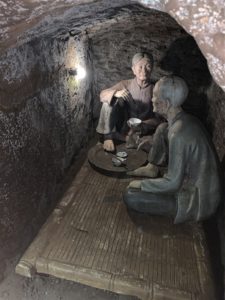
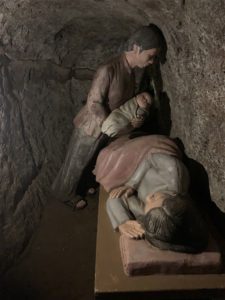
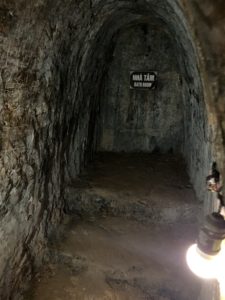
Photos: The living quarter (left) and maternity ward (right) in the underground Tunnels of Vinh Moc.
The national policy in Vietnam now is much like that in China. The economy is largely free and competitive. But power, meaning also the military, remains the exclusive province of the Communist Party. “If Chinese communism falls, so will that of Vietnam’s.” And I did sense that Mr. T leaves that open as a possibility.
The Visit at the Vinh Moc Tunnels
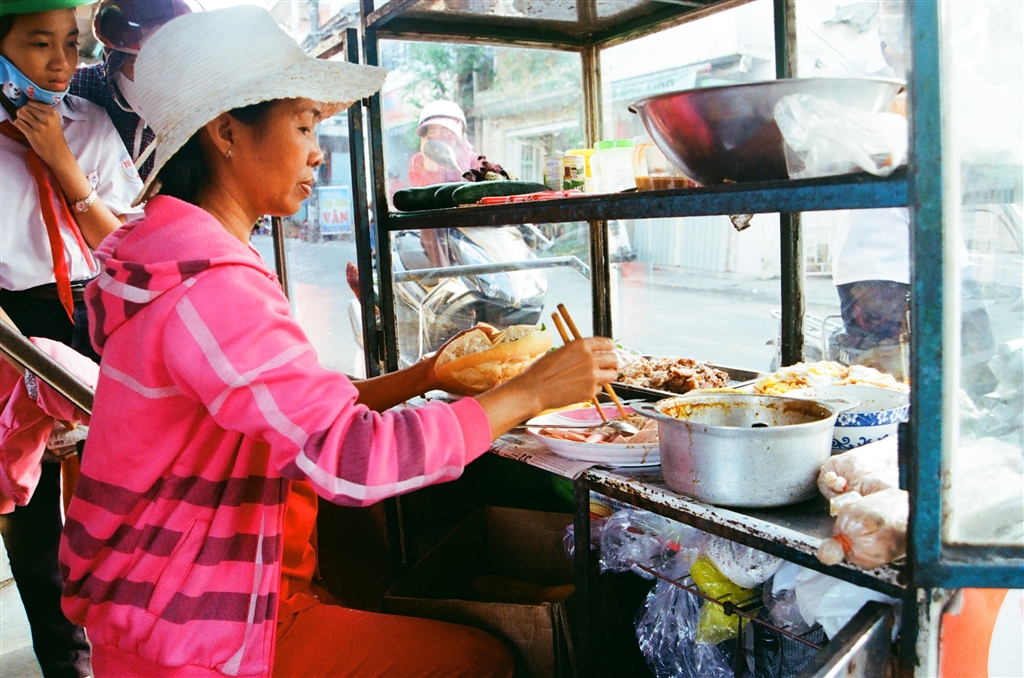
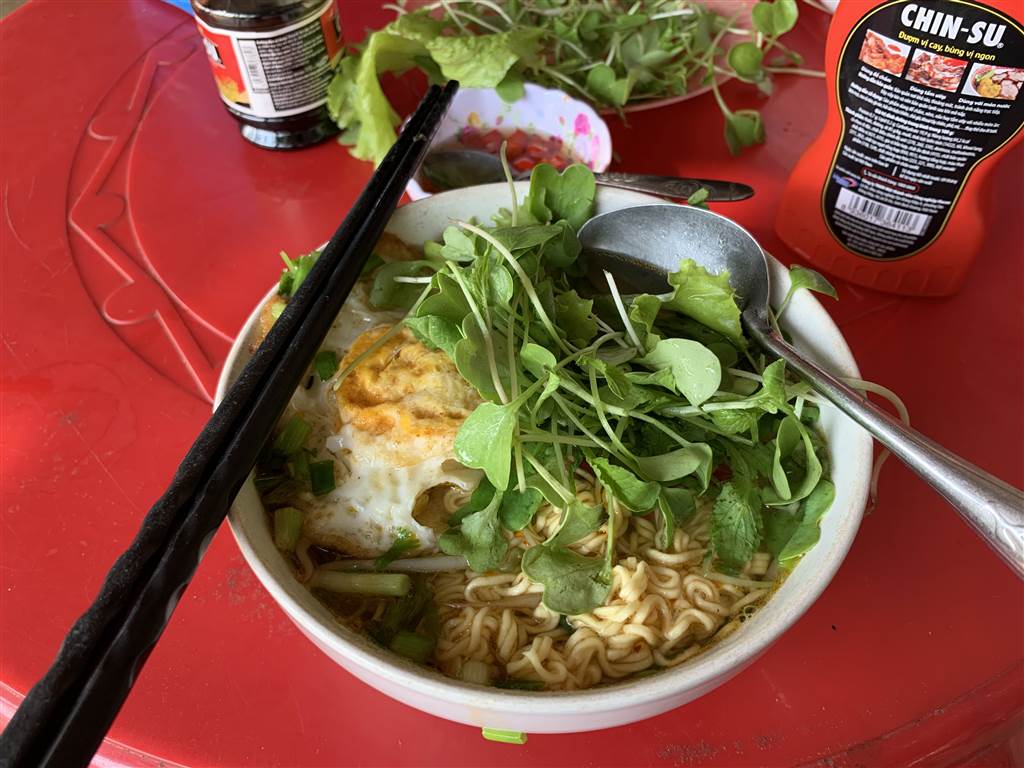
Before we entered the Vinh Moc Tunnels, Mr. T ordered a meal at a small family-owned restaurant in a tent. Lunch was a simple fried egg over ramen. Yet with the condiments and the fresh veggies, it was every way as good as a bowl of pho in the cities.
We entered the proper grounds for the Vinh Moc Tunnels. A large group of young Vietnamese students was volunteering there. They came together to sweep the grounds of Vinh Moc. Some were friendly toward me, but of course, they soon figured that I did not speak Vietnamese. They then spoke English to me. It was a jovial time with them.
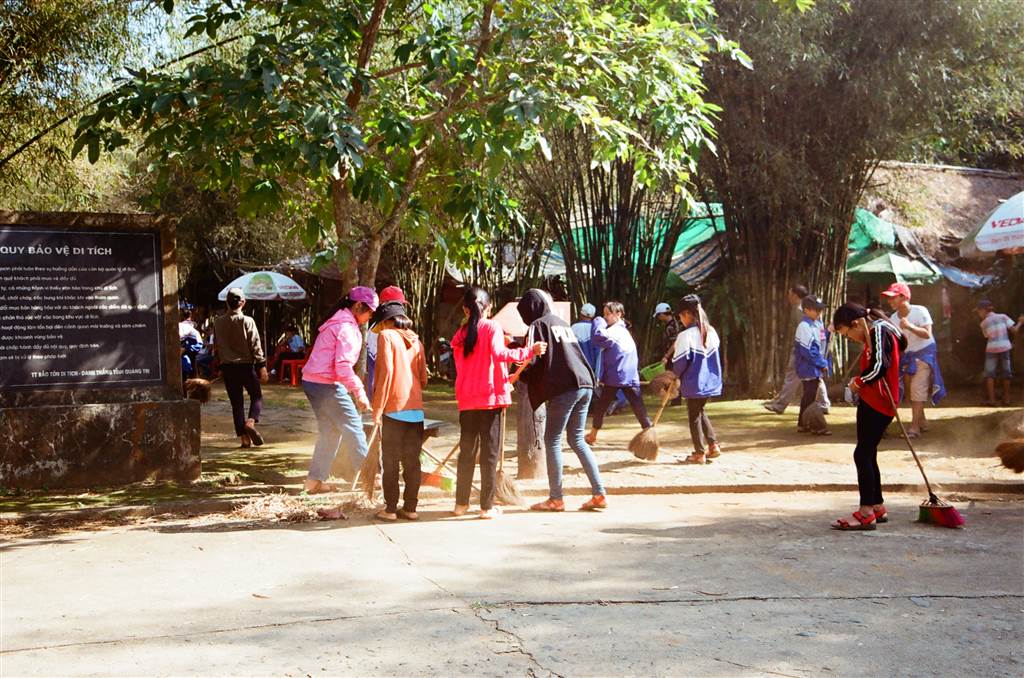
What Mr. T said to me earlier in the day came to my mind at this point. The young people of Vietnam want to lead private lives, where they can work on their own future. Ultimately, what they want, by “earning money,” is the opportunity for a kind of life where they can have a say in their own destiny. And that is a common aspiration for the young people of the world. Those of us growing up in the west, of course, would take it for granted.
The Vinh Moc Tunnels
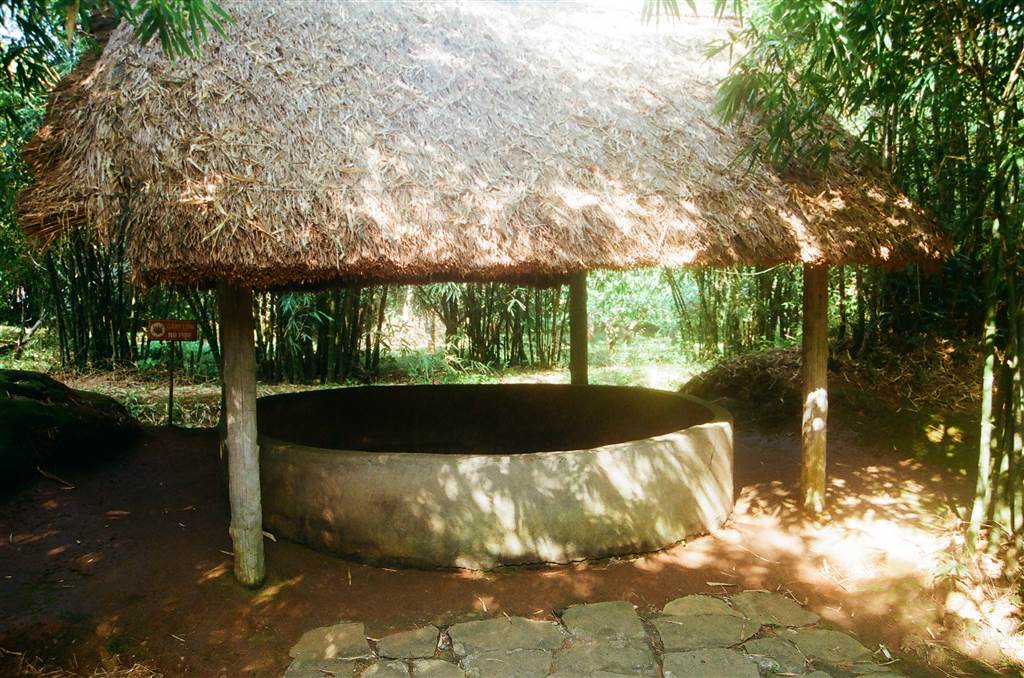
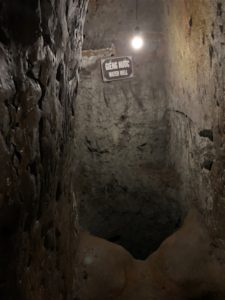
Photo: On the ground level – I believe this is for ventilation.
Ah, the tunnels of Vietnam.
There are vivid memories of the Tunnels of Cu Chi from my visit in Saigon in 2014. The Tunnels of Cu Chi presented the true cruelties of the Vietnam War, and those sights left lasting impressions. Soon into the tunnels, however, I sensed that the Tunnels of Vinh Moc differ in a few significant ways.
The Vinh Moc tunnels were originally hand-dug by the villagers living in the Vinh Linh District during the 1960s. They did so in response to the escalating air strikes that the United States were launching north of the DMZ in 1966. In a span of two years, the villagers dug 50 tunnels through the red laterite soils in the ground. (Rough Guides at 303)
The Tunnels of Vinh Moc village lie along the coast. The villagers have intended these tunnels to merely provide shelters for themselves. Although they did participate in the supply of food and arms to the North Vietnamese army, they were civilians. As a result, the tunnels appeared more as a genuine underground community, rather than a war zone that was at Cu Chi.
In 1972, the villagers could finally move back to their proper village homes to live. The North Vietnamese army has also used these tunnels for military purpose. But their use was nothing like the guerillas that thrived in the Tunnels of Cu Chi.
The Structure of the Vinh Moc Tunnels
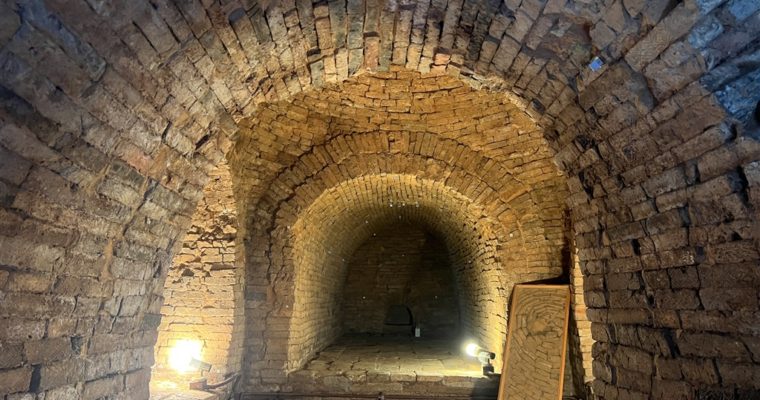
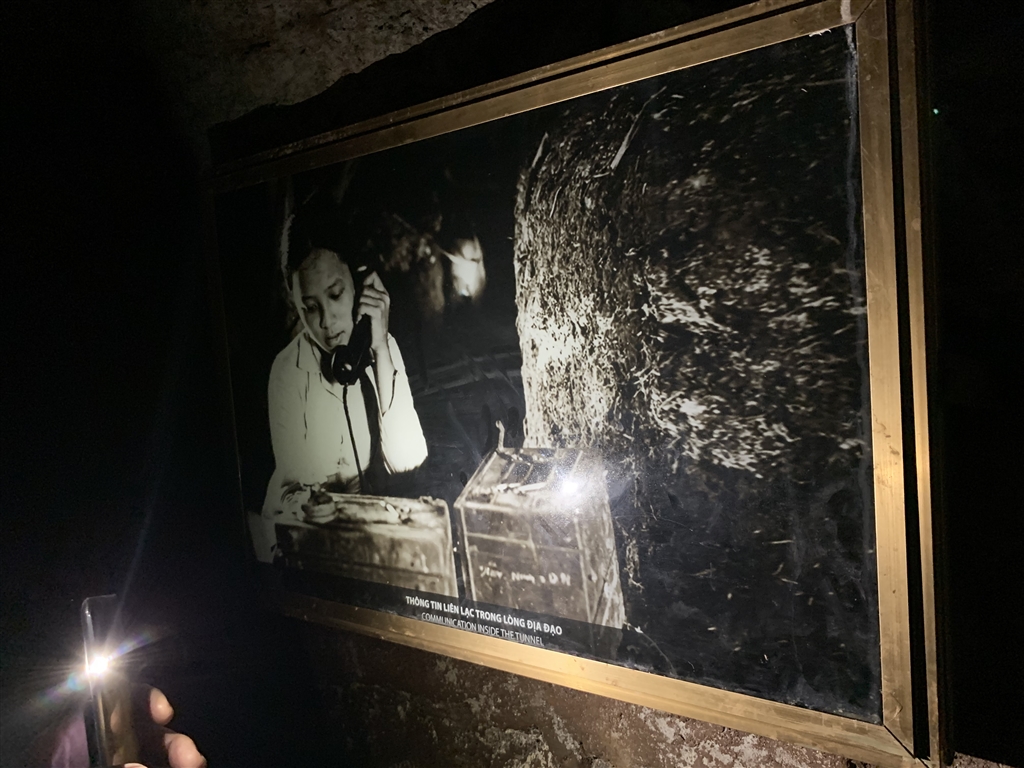
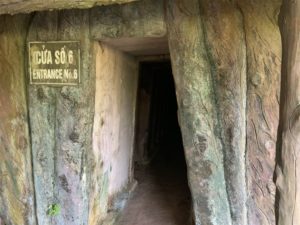
The tunnels at Vinh Moc were longer than 2km, and it gave home to the six hundred villagers of Vinh Moc. The tunnels had three levels at 10, 15 and 20-23m in depth. As with the Tunnels of Cu Chi, they came with chambers that served different functions. There were enclaves as the living space for the families. There were amenities such as fresh water wells, toilets and later electricity and lights. The villagers also made functional chambers, including bomb shelters, maternity wards, meeting rooms, a school and clinics. Seventeen children were born in the underground maternity ward.
Photos: Fresh water well (left) and bathroom (right) inside the underground tunnels of Vinh Moc.
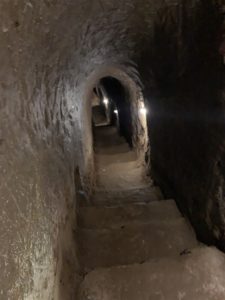
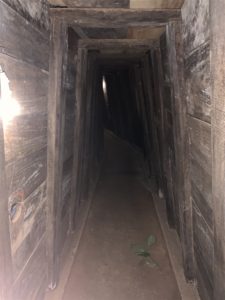
The Vinh Moc Tunnels presented a notably different experience from that of the Cu Chi Tunnels of South Vietnam. First of all, they were much more airy and spacious. Surely, some of these pathways were reinforced for tourism, but the contrast was stark.
I did not come across any traps at Vinh Moc. This mostly has to do with the fact that the Vinh Moc Tunnels are located north of the DMZ. It being in North Vietnam, there was no serious anticipation of warfare to take place at the tunnels themselves. The lack of the need to lure and kill the enemy inside the tunnels also explains why the tunnels were much more airy and spacious.
I found in the English guidebooks the comment that the Tunnels of Vinh Moc are more “authentic,” but I could not quite agree with that statement. The Tunnels of Cu Chi conveyed fully the terrors of war. Therefore, I would say that the Tunnels of Vinh Moc are rather much more “human.”
When we exited the tunnels, we came to the shore of the South China Sea right before us. I had not expected wide open views of the ocean at the end of the tunnels. Mr. T said this was meant to be the ultimate escape route for the villagers.
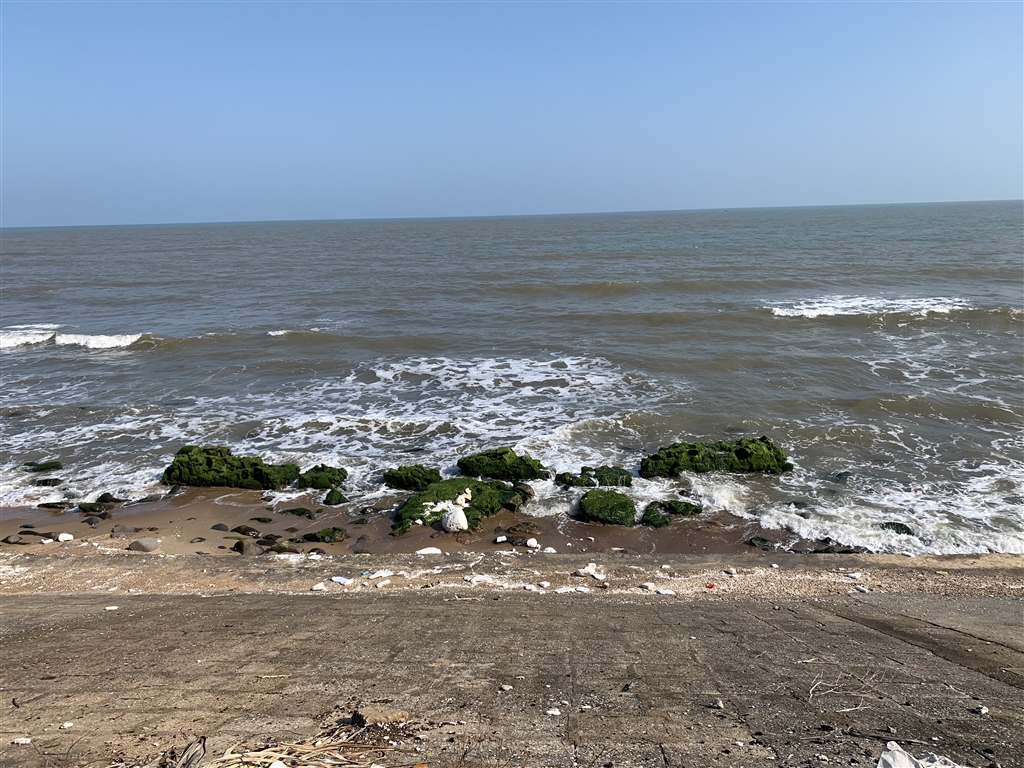
The DMZ tour of Vietnam concluded with a view of the ocean. Somehow that gave me a sense of hope.
Mr. T took me on a different route when we returned to Hue. I saw rice paddies on the way. What Mr. T said about the young Vietnamese’ aspirations lingered on.
Some Reflections on the Visit at the DMZ
The Vietnamese government opened the DMZ for tourism in 2001. When Mr. T began taking tours then, the only means of transportation was by Chinese-made motorbikes. It was only in 2007 that people could visit the DMZ by private cars, like I did in this trip. To say the least, it was quite a luxury. The private car enabled me to have private conversations with Mr. T. And he did share freely on many issues. (We had a small debate about wife-beating as well, but perhaps that is not of interest for my readers here).
There is no longer any military tension at Vietnam’s DMZ today. This is very different from the DMZ between the two Koreas. The visit at the 17th Parallel gave a wholly different vibe, as it was purely historical in nature. I could walk leisurely around, not having to fear that my actions there might provoke the enemy. The 38th Parallel, on the other hand, was a military visit, for the tensions are still live there.
That said, I do sense an uneasiness throughout the tour at Vienam’s DMZ. The sights, the words, the artefacts, and the messages are that of an ideology that I detest. The tensions that are live at the 17th Parallel exist in the mind. “Wait, are these real facts?” “Was there tampering of the artifacts there?” “What is this trying to say to me?”
Being an American, I also felt the weight of history, and shame, bearing heavily in my heart. America has lost more than its soldiers and its weaponry in this war. It has lost credibility to its people, it has also lost the integrity that should have served as the basis of government in democratic societies. Finally, the cruel conduct of warfare in Vietnam has shown that America has lost its humanity in the name of ideology.
We went into a decades-long war in Vietnam. And for what?
Sources
Edwin E Moise, Land Reforms and Land Reform Errors in North Vietnam, 49 Pacific Affairs 70 (1976).
Trung Dinh Dang, Post-1975 Land Reform in Southern Vietnam: How Local Actions and Responses Affected National Land Policy, 5 J. of Vietnamese Studies 72 (2010).
The Wikipedia on the Vinh Moc Tunnels.
The Rough Guide to Vietnam, Rough Guides (2015) at 303.