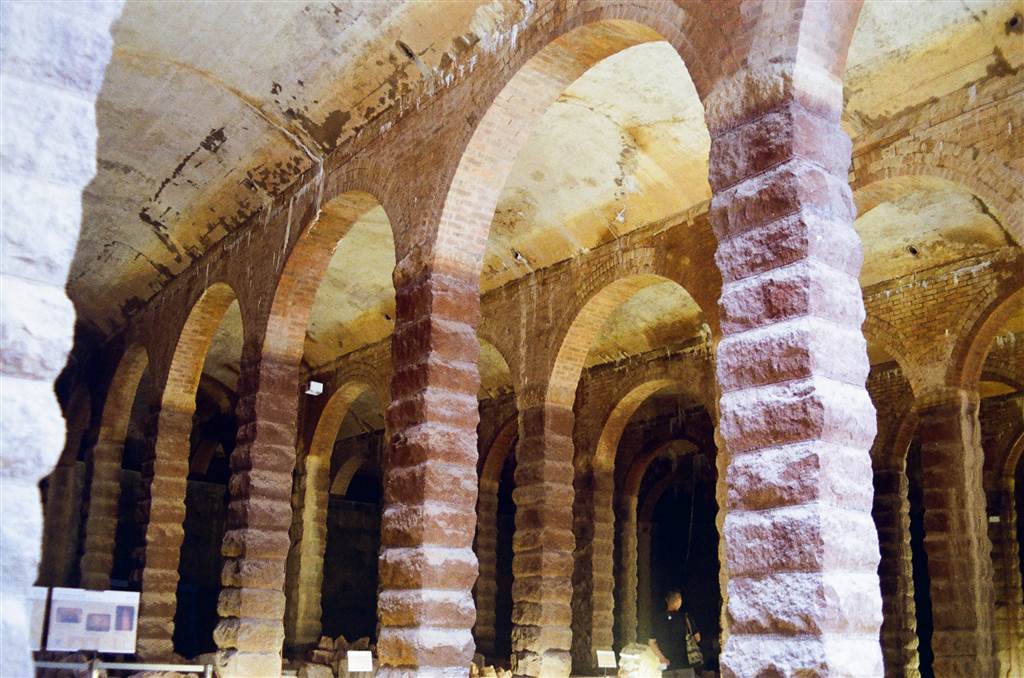
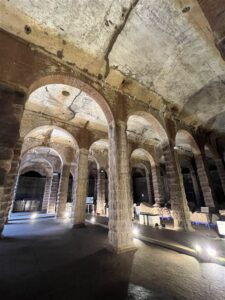
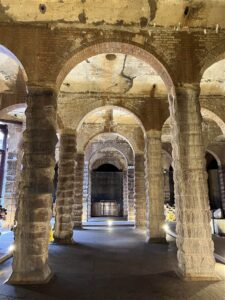
Perhaps a couple years ago, the government had plans to pull down the Ex-Sham Shui Po Service Reservoir. The netizens then leaked some photos of it and caused an uproar. The beautiful imitated Roman architecture fascinated the people of Hong Kong. What followed was an outrage and the call to preserve the service reservoir.
Since then, the government has been opening up the venue for public tours. However, due to its popularity, many people were not able to reserve a spot on the tour. I managed to sign up for it, out of pure luck.
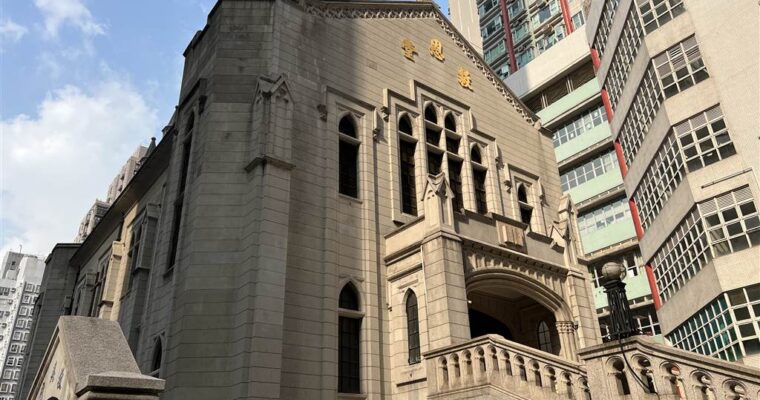
The Bishop Hill
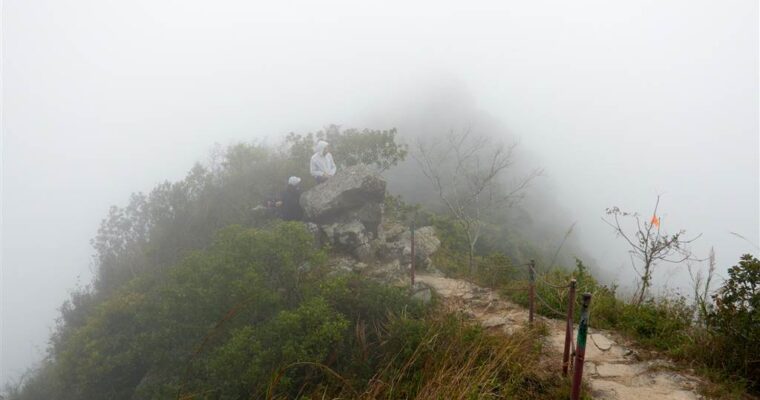
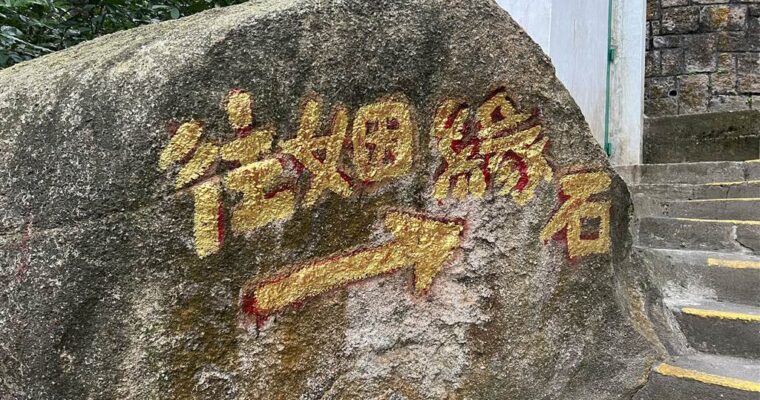
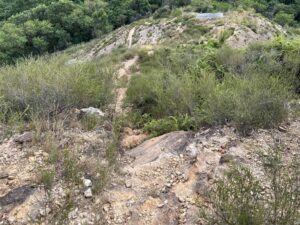
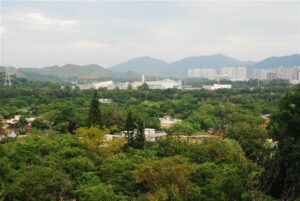
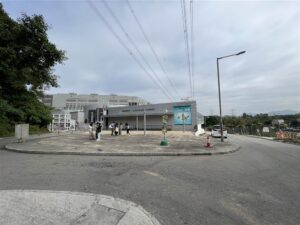
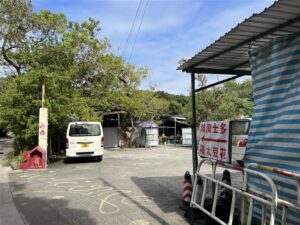
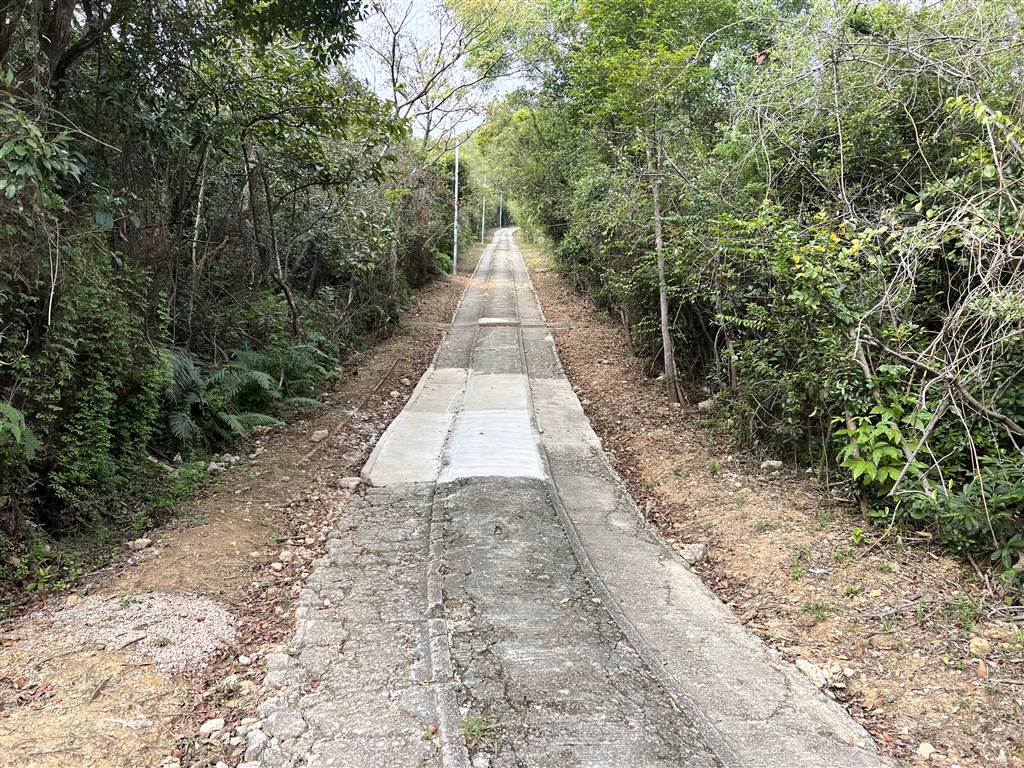
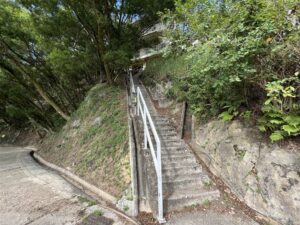
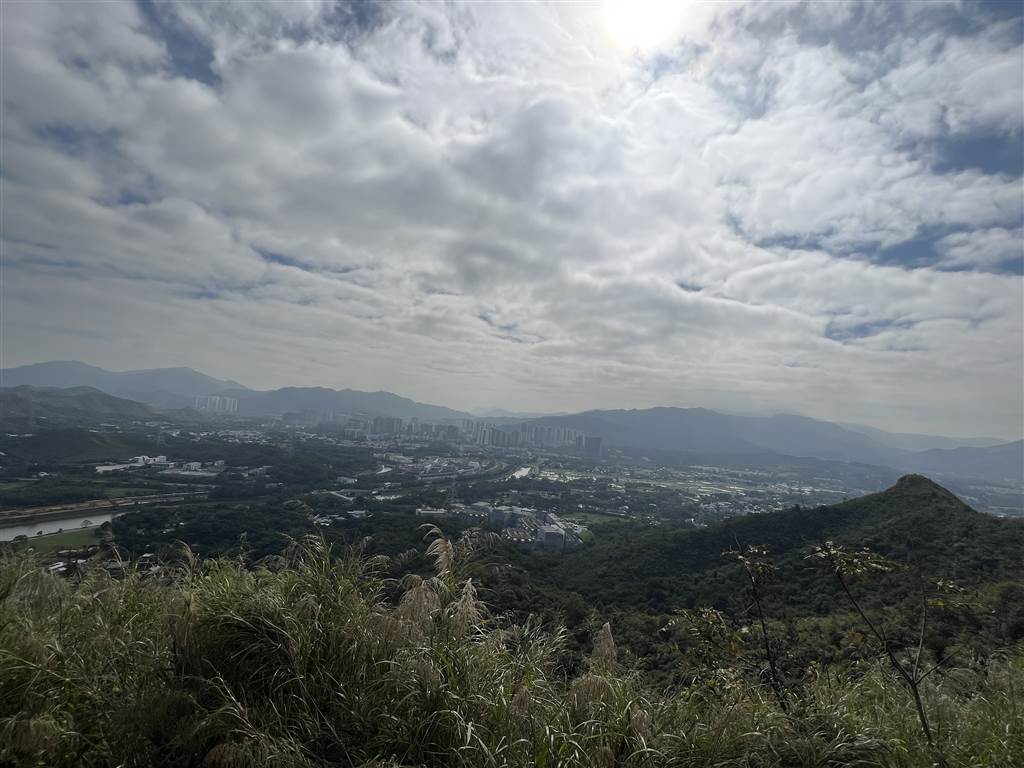
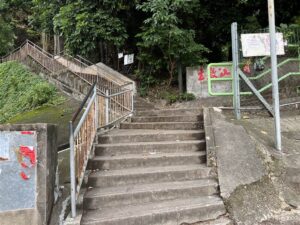
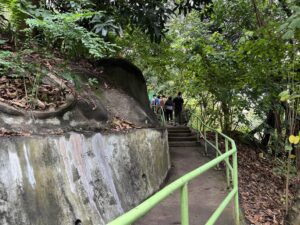
The Ex-Sham Shui Po Service Reservoir is located on Bishop Hill in Shek Kip Mei. The tour gathered outside of the St Francis of Assisi Primary School on Berwick Street, and headed up about 300 steps to reach the reservoir.
Bishop Hill is a name that the community uses for this location. The official name of this hill is Mission Hill. It acquired its name due to the work of the missionaries that brought Christianity to this neighborhood in Hong Kong.
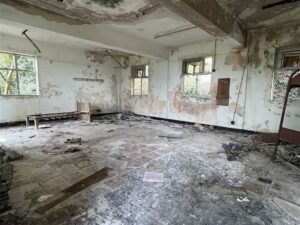
In the 1900s, there were many Hakka residents in the area. The Basel Mission’s missionaries Rev. Theodore Hamberg and Rev. Rudolf Lechler came and built a retreat here for missionaries. The Tsung Tsin Mission, which originated from the Basel Mission, bought the land here and ran a school in the 1950s.
Another official name for this location is Woh Chai Shan, referring to the cliffs that cave in like a “woh chai” (meaning cave, or valley).
After WWII, the area became a squatter settlement with many wooden huts of the refugees.
The History of the Ex-Sham Shui Po Service Reservoir
When the British took over Kowloon, there were already about ten thousand residents in the peninsula. The supply of water to the Kowloon Peninsula then mostly came from subterranean water sources. The Hong Kong government commissioned a British engineer to drill a well. There were interconnecting pipelines that also reached the underground sources of fresh water and collected it at the well. It had a capacity of supplying to twenty-three thousand residents.
By 1900, the population of Kowloon reached forty thousand. The British took over the New Territories in 1898. At that time, Bishop Hill was part of the New Territories. With access to the high mountains in the New Territories, the British could come up with better water plans. In between Beacon Hill and Needle hill, there was a spot that caved in. That was perfect for building a wall to well the water, and as such the Kowloon Reservoir became the first reservoir in the New Territories. In order to preserve extra water during rainy season, water tanks were needed. The original Yau Ma Tei Water Tank, built in the late 19th century, was not enough. The government then built the Ex-Sham Shui Po Service Reservoir at Bishop Hill, and named it Kowloon Tong Service Reservoir.
In 1904, the Ex-Sham Shui Po Service Reservoir completed. It served the water needs of residents in Kowloon Tong, Sham Shui Po and Tai Hang Tung. Eventually, the whole system would consist of the Kowloon Reservoir and Catchwaters, the Tai Po Road Filter Beds, the Ex-Sham Shui Po Service Reservoir, the water pipes connecting all of these facilities, the Ex-Yaumati Service Reservoir, the Yamati Service Reservoir and the Hung Hom Service Reservoir (now demolished).
The Ex-Yaumati Service Reservoir, which came even earlier than the Ex-Sham Shui Po Service Reservoir, also features arched columns. Because it is still in use, the staff can only take photographs when it undergoes inspection and service once a year. Indeed, there are signs of decay there as cracks are showing through the bricks.
When the Shek Kip Mei Fresh Water Service Reservoir began serving the water needs of Sham Shui Po’s residents, the Ex-Sham Shui Po Service Reservoir took a bow and retired from its role as a key water supply facility in 1970. In 2021, only after the neighborhood residents exposed its beauty on the Internet, did the government halt the plan of demolishment. It then earned the status of a Grade 1 Historic Building.
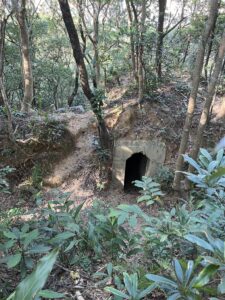
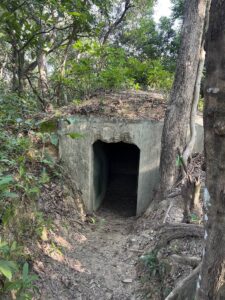
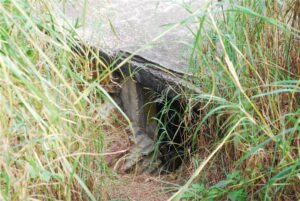
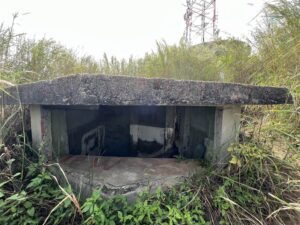
Photo: This is the tunnel portal, there was also a pipeline connecting the opening. This tunnel was sealed in the 1960s. The whole tank area are antique monument.
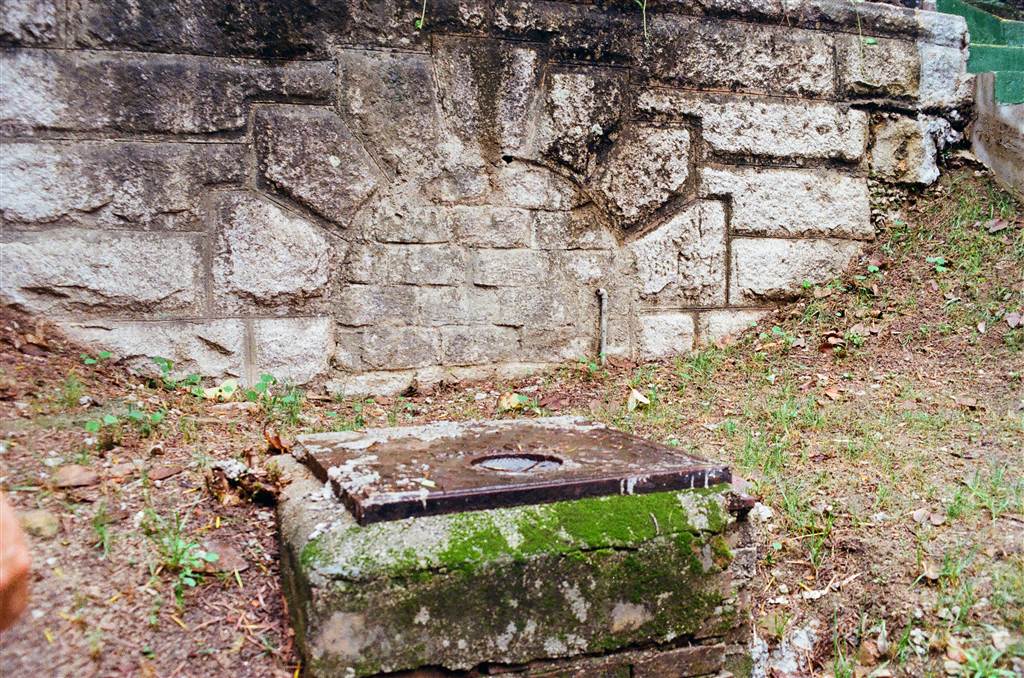
The Architecture of the Ex-Sham Shui Po Service Reservoir
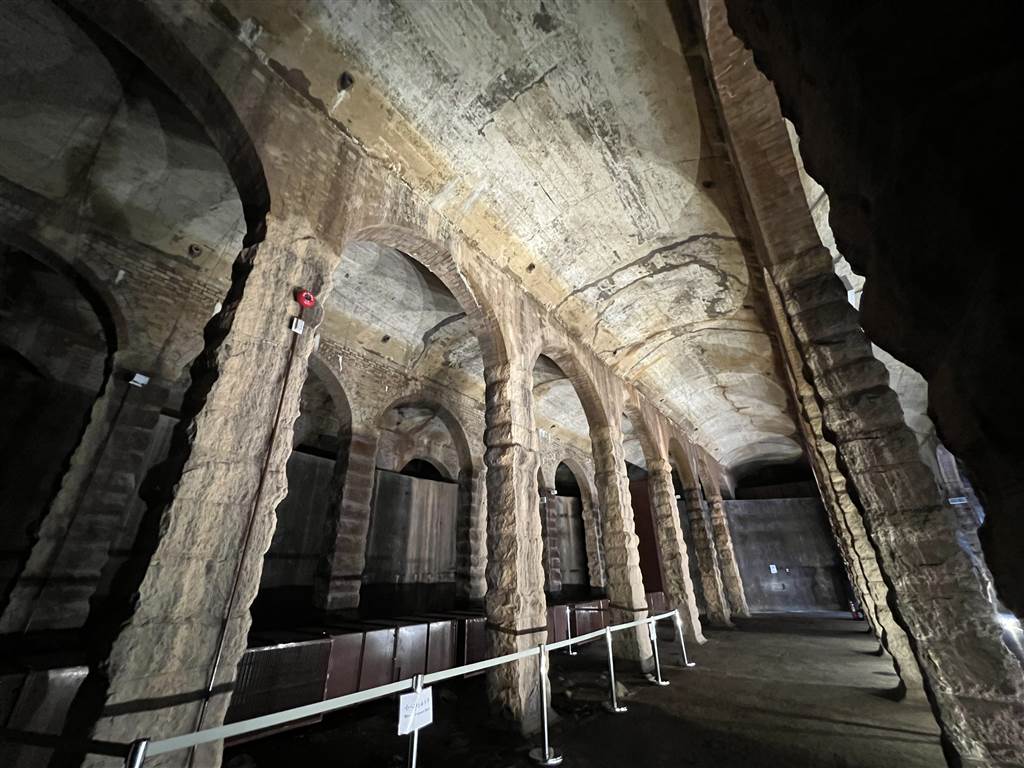
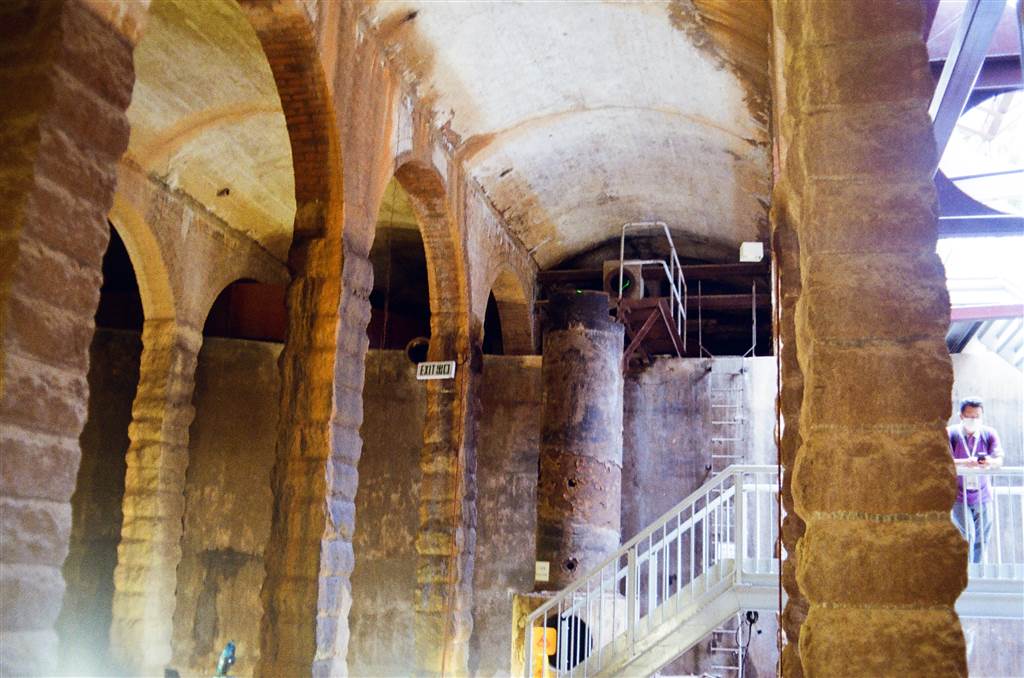
The Service Reservoir comes in a round structure. A simple mathematical truth explains this design – the circumference of a round structure enables a larger volume than a rectangular structure with the same perimeter. Another practical concern is that a rectangular structure may trap dirt. In the 1951, there was a new addition of a wall. It was there to prevent cracks. That wall has reinforced cranes in concrete. Cement-bonded earth fills the void between the two walls. This is to ensure that there would be no more cracks for water to seep through.
At the time of completion in 1904, the diameter of the Service Reservoir was 150 feet. There was a 13-feet distance between the stone piers. Compared to its brick-made counterparts (the Ex Yaumati Service Reservoir and the Hung Hom Service Reservoir), the Ex-Sham Shui Po Service Reservoir had the highest capacity of approximately 2.18 million gallons.
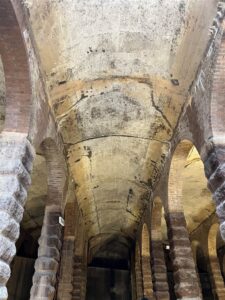
The top vault of the Service Reservoir is also built in concrete. The rounded arches, along with the brick walls, allowed the loading to be transmitted onto the side structures, then onto the foundation. This is how the structure was able to hold its weight. There is tar on the ground, further sealing the space and prevent cracks.
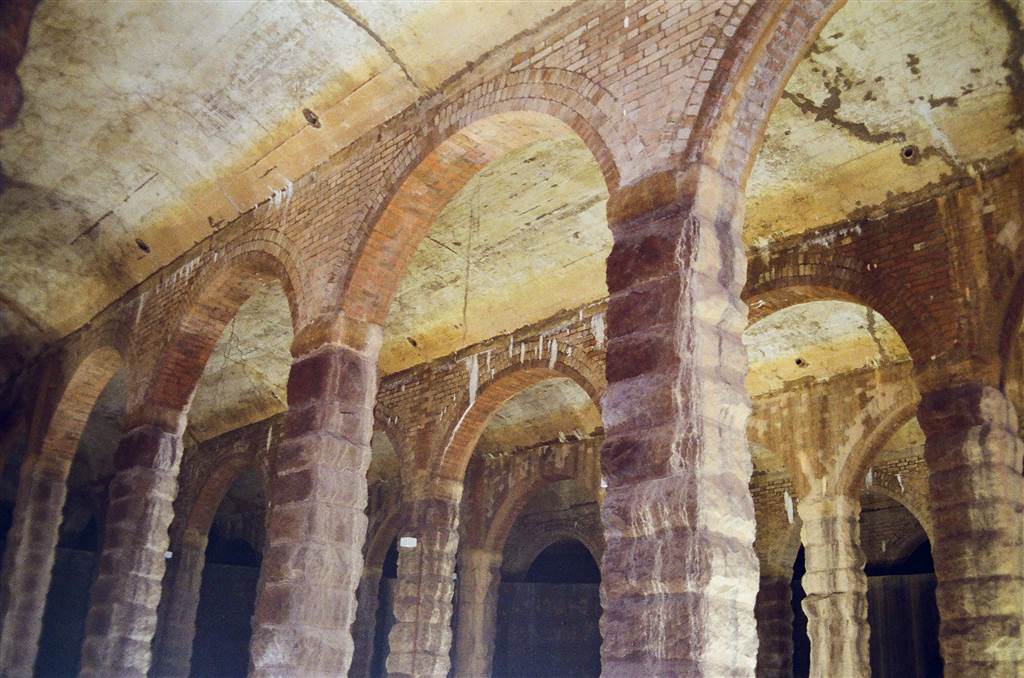
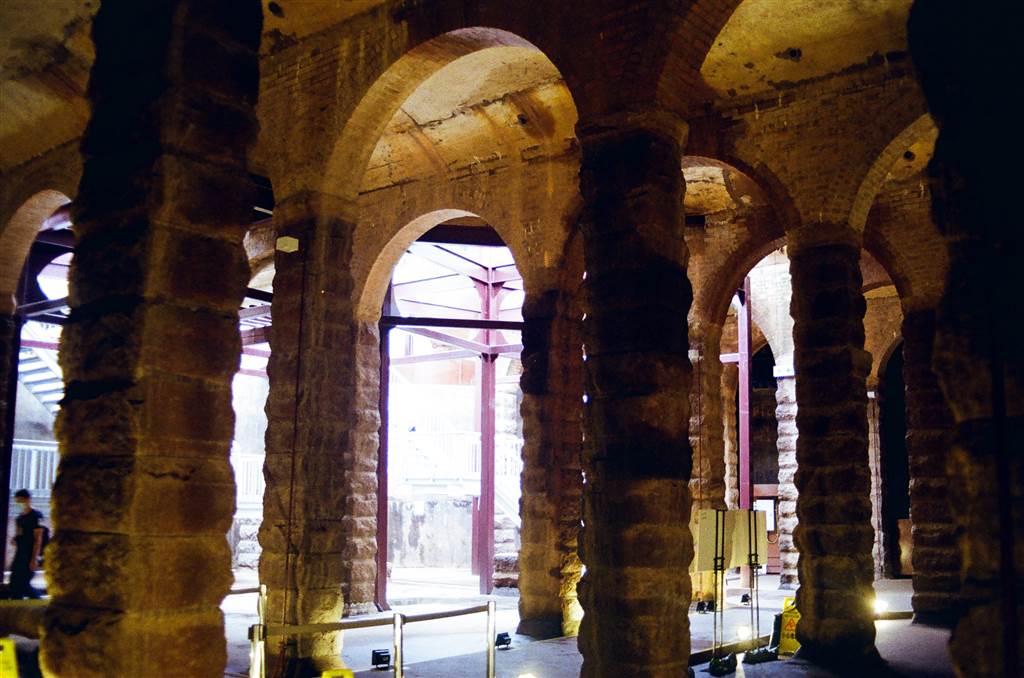
Originally there were 108 granite pillars with red brick arches. After the new wall, there remained 78 pillars. In 2008, the government wanted to take this space down. As a result, four more pillars were gone. There was a mould that formed the granite blocks, as you can see the tracks of the mould still.
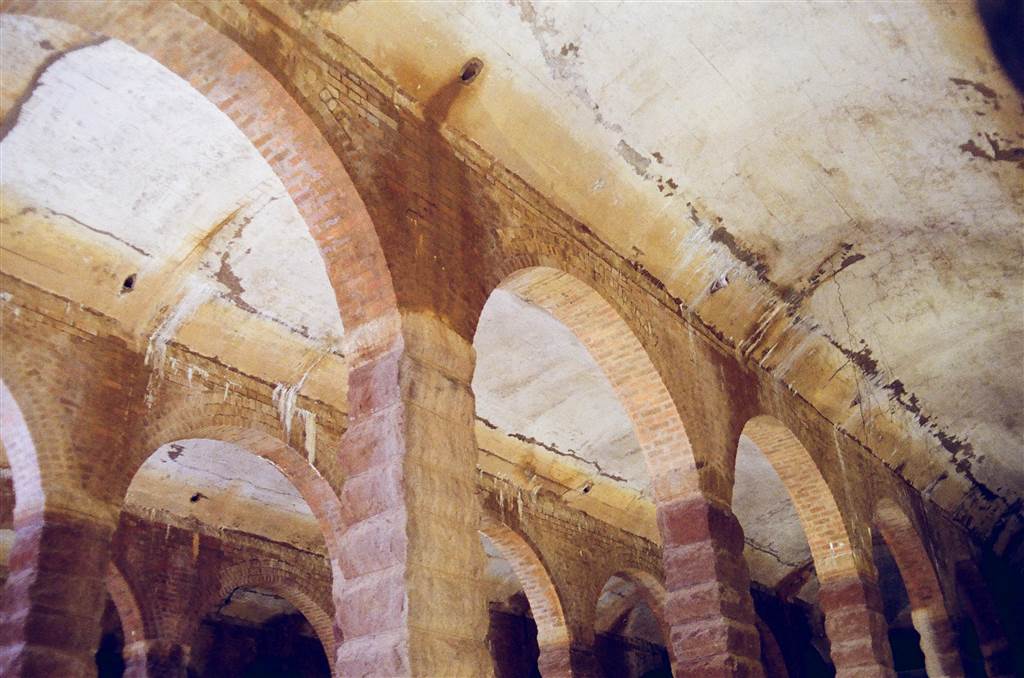
Our tour guide emphasized a few times that, contrary to popular perception, the interior architecture of the Ex-Sham Shui Po Service Reservoir is not of Roman style. It merely imitates the Roman Style. I asked what distinguishes a “truly” Roman and a mere imitation. He said that, in a truly Roman style, there would be no flat surface. The arched tops are curved throughout.
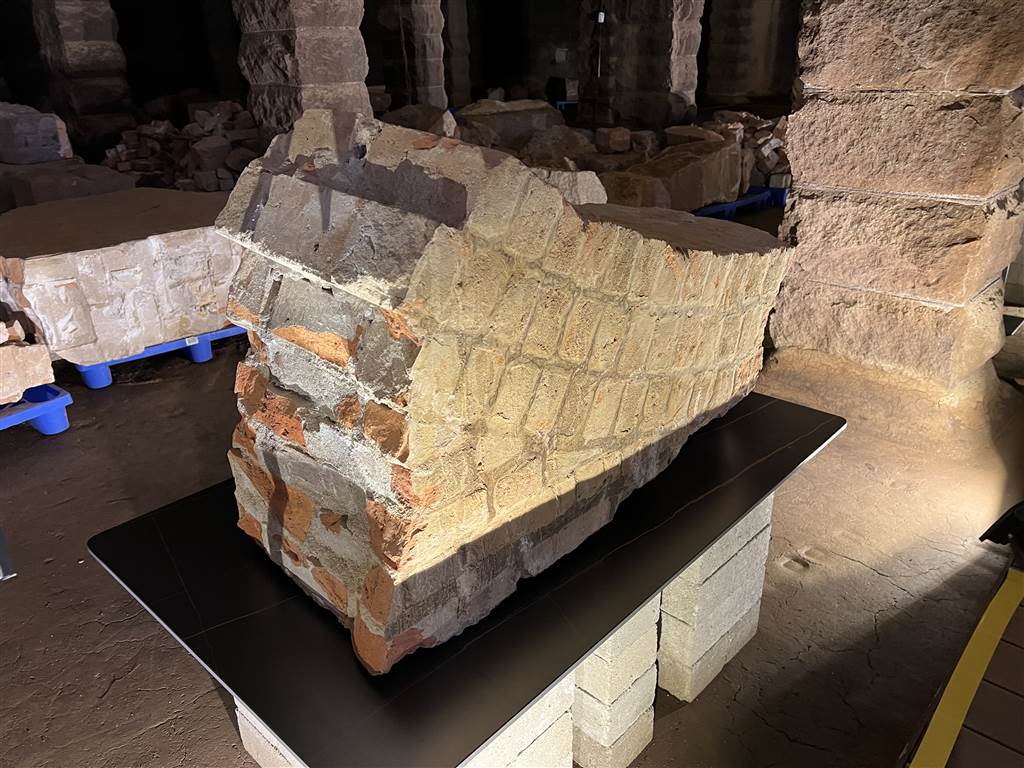
Also, a Roman civil engineering works would be made of bricks throughout. This was not the case in the Ex-Sham Shui Po Service Reservoir. The columns that support the arched brick tops were carved from granite. The Hakka people, many of whom were residents in the same neighborhood, would cut the granite. They chiseled the stones to a flat but rusticated surface. The granite pillars required hard work.
Waterworks Gravitation Scheme
Water facilities that are located on the peak of hilly terrains are easier for digging works because of the forces of gravity. The origin of the water in the Service Reservoir was the Kowloon Reservoir. On Tai Po Road, the left side sits an all-hilly area to collect water, on the right is laid with a pipeline network. Therefore the water from all neighboring hills also collected in reservoir. After filtering the water at the Tai Po Road Filter Beds, the water was collected at the Ex-Sham Shui Po Service Reservoir and other service reservoirs.
Photo: The British Luxfer Prism is a glass construction material company now. At the time, they made prisms and light wells. The glass became calcified and you cannot see through it now.

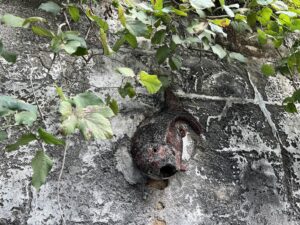
Photo: there are ventilators throughout the top structure of the Service Reservoir but they are all sealed by now.
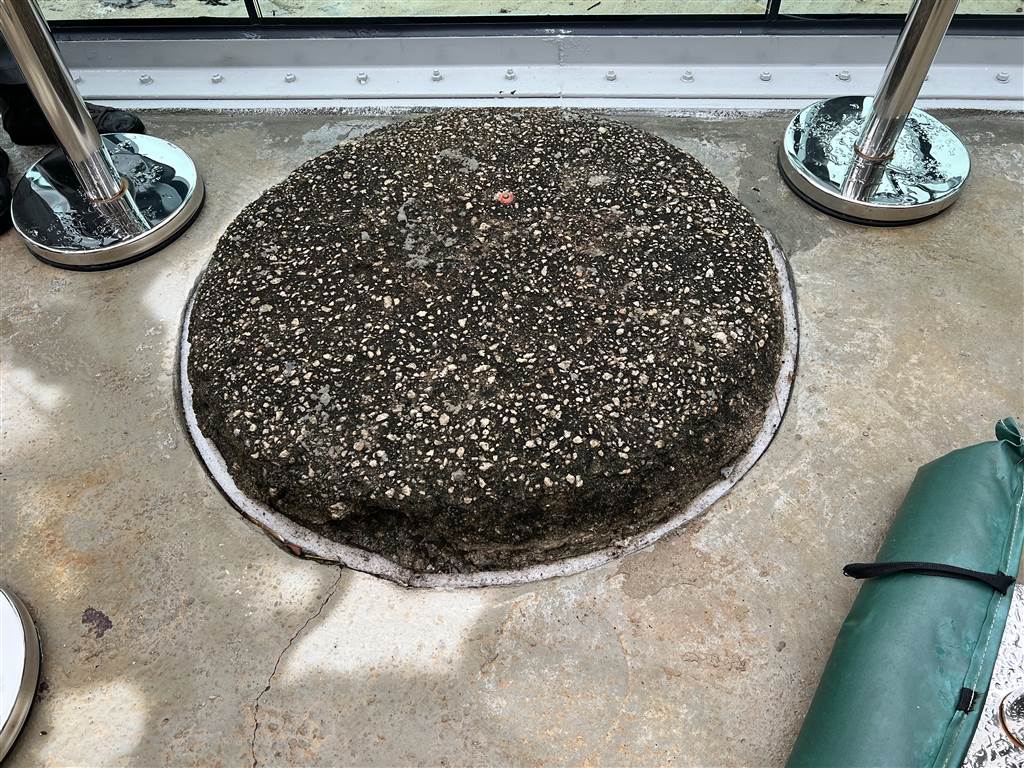
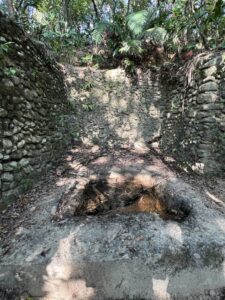
Photo: the Stilling Well “restricted the verticial movement and the movement speed of a float of the ball float inlet valve”.
How to Get There
Besides the guided tours, the government is furthermore opening up the venue for self-guided tours soon. However, you would still have to sign up for the limited spots for the self-guided tour. Please visit this link to sign up.
It remains a very popular location, therefore be sure to grab your chance as soon as registration opens. I managed to sign up for my spots after successfully logging in five seconds after the registration opened.
Sources
The Guided Tour of the Ex-Sham Shui Po Service Reservoir.
Pamphlet of the Guided Tour of the Ex-Sham Shui Po Service Reservoir.
The Basel House Up on Bishop Hill (Chin), inmediahk.net.