Blog

Ubiquitously Uzbekistan – Some Preliminaries

Ubiquitously Uzbekistan – Some Preliminaries

VISA Do take note of VISA issues when you plan on travelling to Uzbekistan. For U.S. passport holders, you must apply for a VISA for a fee, and it is likely to be US$160. You may apply online on the official government portal of Uzbekistan. 

Ubiquitously Uzbekistan – Briefly, Tashkent

Ubiquitously Uzbekistan – Briefly, Tashkent

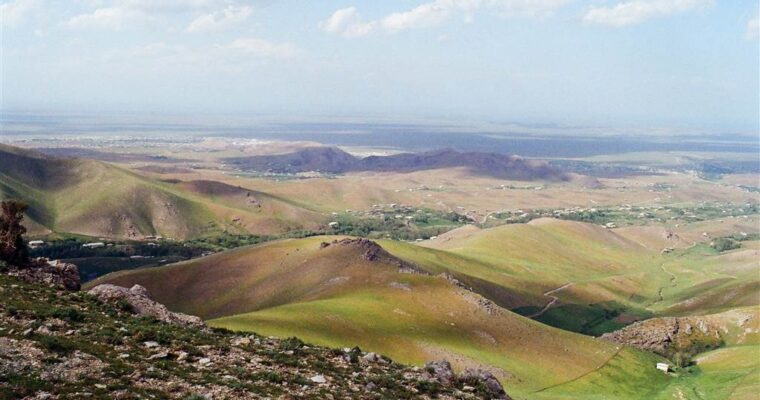
Perhaps Uzbekistan is only ubiquitous within its own borders. It is not a small country by any measure. Amongst the five central Asian countries of Kazakhstan, Turkmenistan, Uzbekistan, Kyrgyzstan, and Tajikistan, Uzbekistan is the third largest. Its population of 33 million also prides the top 

The City of Rams – Last Impressions of Liwan

The City of Rams – Last Impressions of Liwan

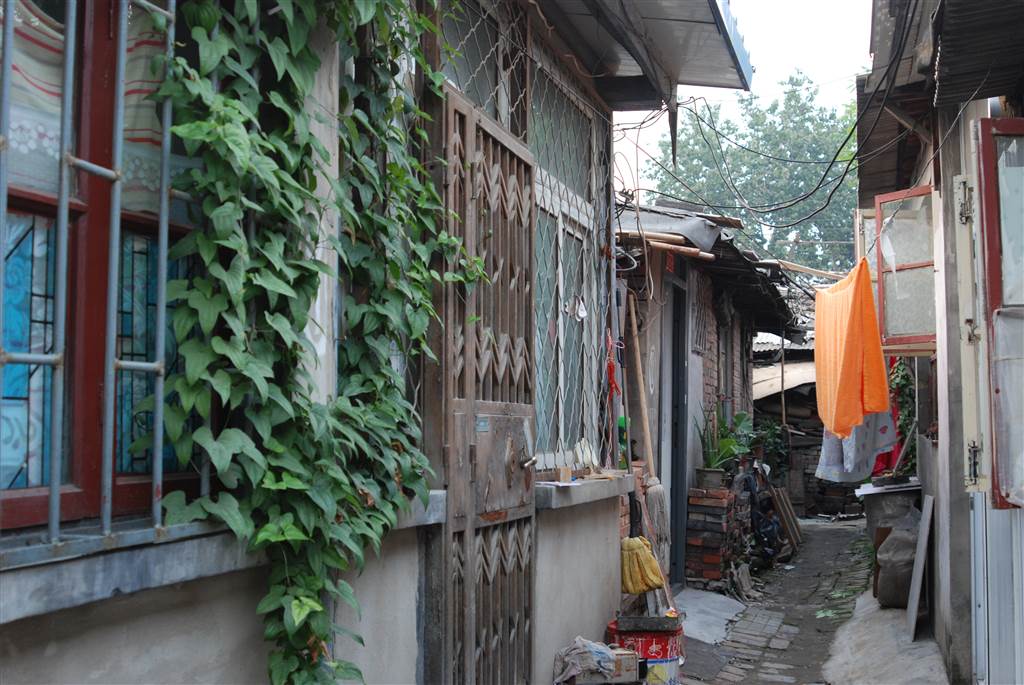
Time flies when one is engaged in seeing interesting museum exhibits, and I realised that I must head back to the guesthouse soon because checkout time was near. I hurried up and walked back toward to the Changshou Lu Metro Stop. The last bit of Liwan that I would be seeing is Yiu Wah Street (Yaohua Jie) and the old surrounding neighborhood.

In one of the museums I saw introduction of Yiu Wah Street as the rocky road of Guangzhou. But I spent a lot of time going back and forth in the neighborhood and could not really find a good spot that conveys the idea of a rocky road. Essentially, they are streets laid in stone slabs, and I was hoping for some photo taking ops.

I finally did find Yiu Wah Street proper. The difficulty is that a few areas in the neighborhood were undergoing renovation. But there were some photogenic spots on Yiu Wah Street, plus a painter’s former home.

Suffice to say, this general idea of an old neighborhood appeals me and I did find a few old buildings there. As to the rocky road, it was perhaps not worth a mention.

This final outing concludes my stay in Guangzhou. I checked out my hotel room and was soon on my way to Guangzhou South Station.

The Guangzhou South Station

The Guangzhou South Station began service in 2010. There is an observable effort to make it a modern hub of national transportation, especially in that it works in the style of an airport boarding system.

I would say allow a lead time of 45 minutes before your actual train departure. There is no immigration there, so you just go through luggage security and see your departure on the big display boards and find your gate. I believe that boarding begins 15 minutes before the departure. Your assigned seat is displayed when you scan your ID so watch out for the display before it disappears. Otherwise you may also ask a train attendant for your assigned seat once you are on the train.

So long, Guangzhou, thank you for the history and the good food. Until next time!

Sources

The Wikipedia on the Guangzhou South Railway Station.

The City of Rams – The Liwan Museum

The City of Rams – The Liwan Museum

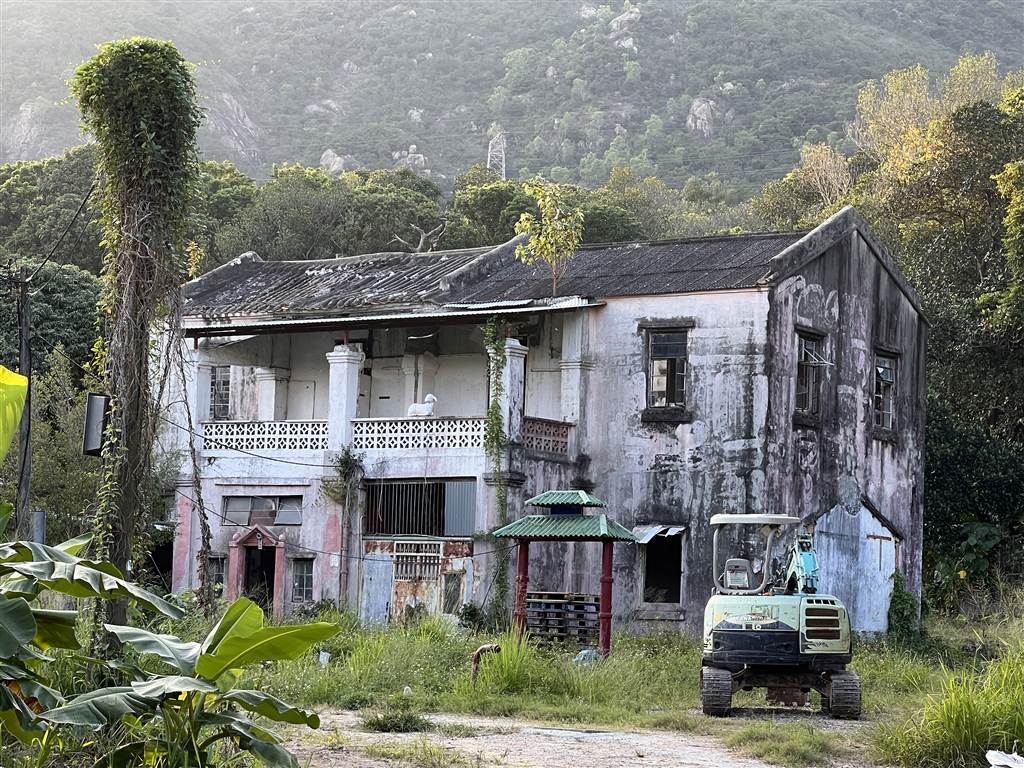
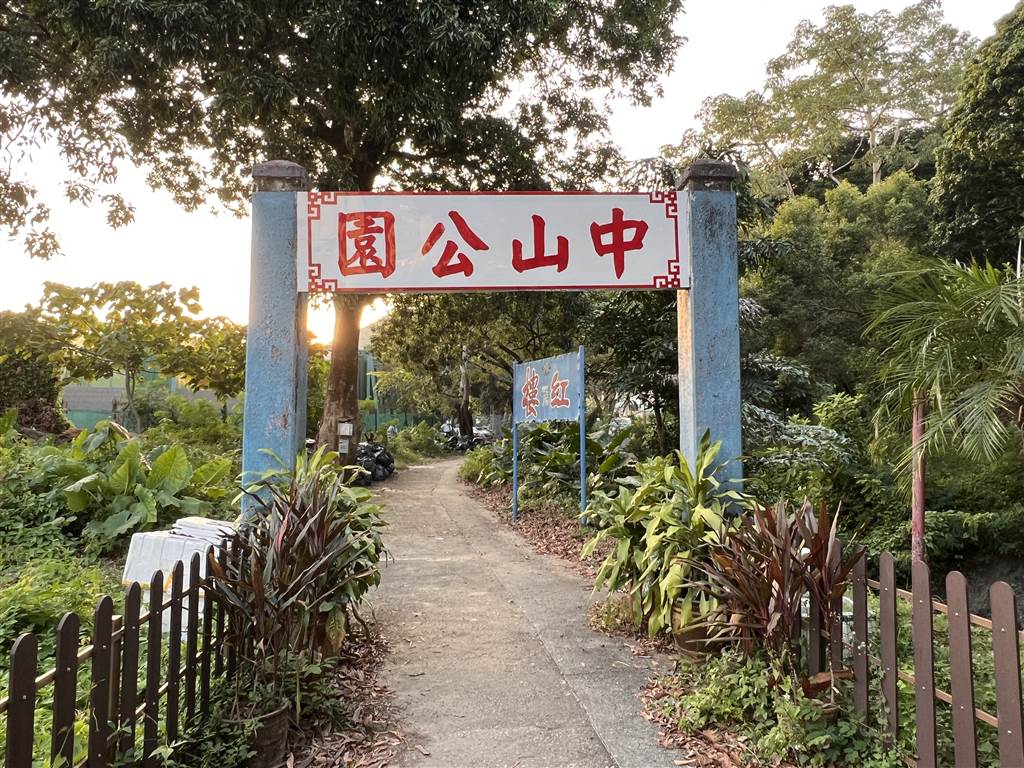
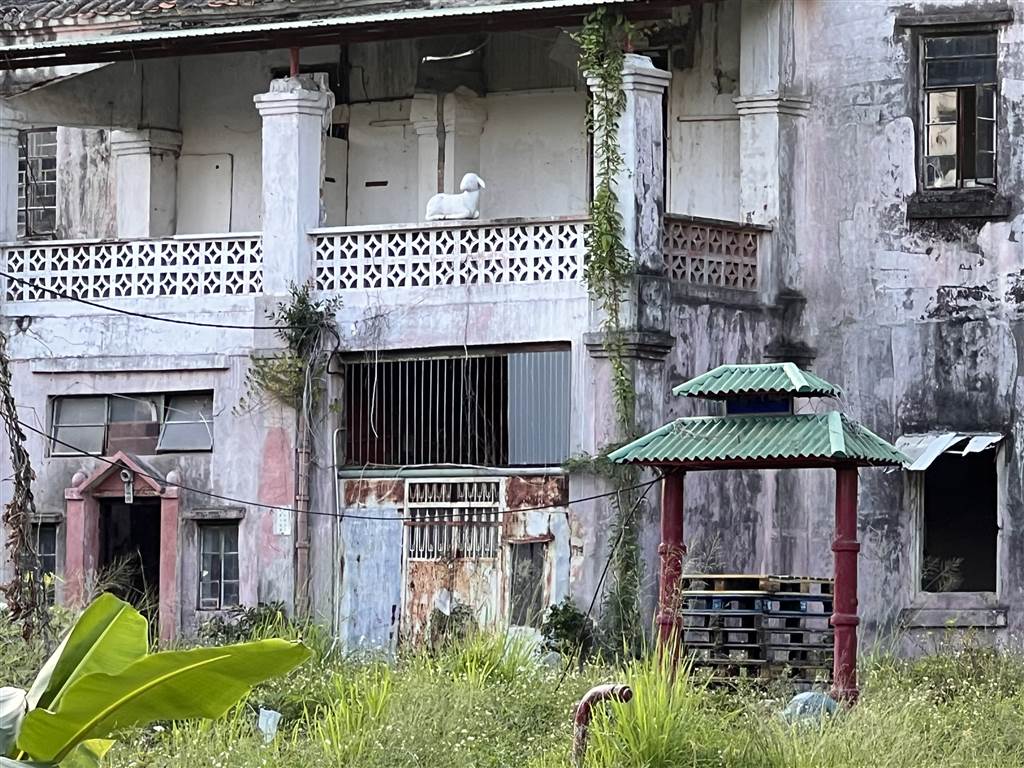
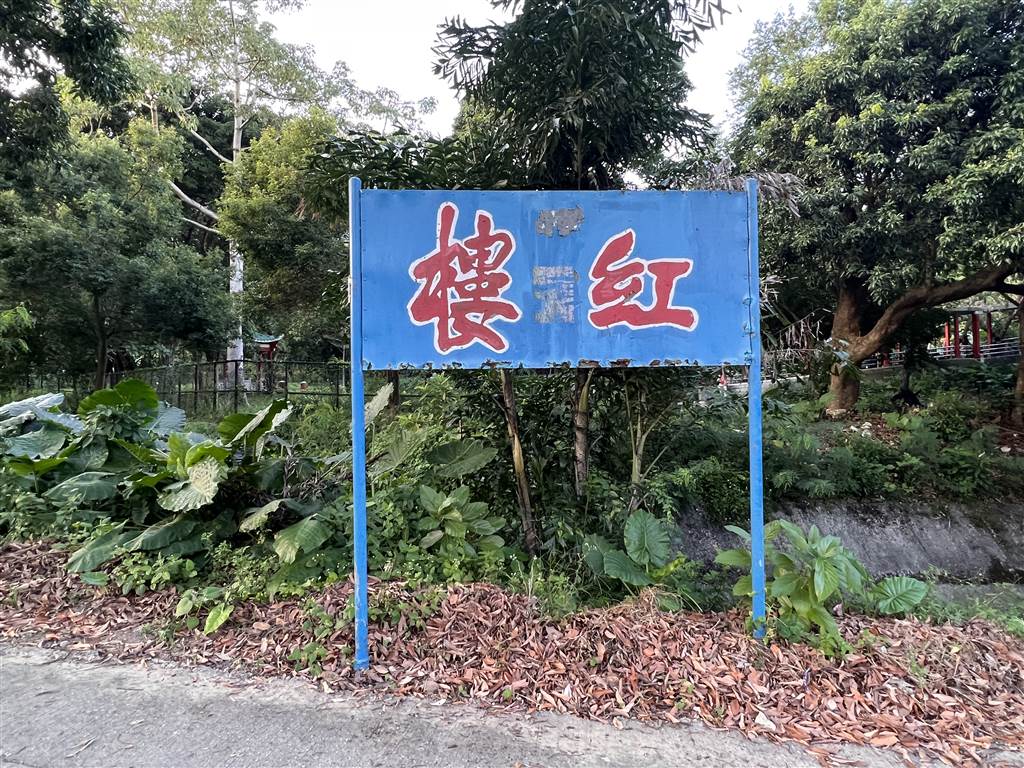
I saw signs pointing to the “Little Red House” on the street, when I was rushing back to the guesthouse. Despite being a little bit pushed for time, I decided to go for a look. I then came across the cluster of the three buildings 

The City of Rams – Pun Tong and Panxi Restaurant

The City of Rams – Pun Tong and Panxi Restaurant

Pun Tong (Pan Tang) is an area in Liwan that breathes history amidst a carefully manicured landscape. Pun Tong – A Waterfront Area The morning was still a little gloomy from the frequent thunderstorms. But it was my last morning in Guangzhou and I must 

The City of Rams – Shangxiajiu Pedestrian Street and the Sacred Heart Cathedral

The City of Rams – Shangxiajiu Pedestrian Street and the Sacred Heart Cathedral

The weather remained calm this morning. I decided to walk over to the Shangxia Jiu Pedestrian Street for a look.

The Shangxiajiu Pedestrian Street

The Shangxiajiu Pedestrian Street is known to be the “Commercial Corridor of Xiguan.” The pedestrian-only street spans a length of 1,237 meters. Restaurants, clothing and jewelry stores line both sides of the street along the whole way.

This area of Liwan was always heavily commercial in nature, a development that could be traced back to as early as the 6th century. The area had its heyday during the late Qing Dynasty, when many tycoons set foot in the area and built the famous Xiguan mansions. After the Thirteen Factories Enclave was burned down, a lot of the commercial activities moved to this area as well. The modern pedestrian street was opened as a designated commercial hub by the city government in 1925.

As with Enning Road, the Shangxiajiu Pedestrian Street is lined with buildings with arcades. The typical use of the buildings is stores on the street level and residential homes above. The “balconies,” meaning the protruding portions of the building, of the residential units above are what give cover to the pedestrians walking on the street below, next to the storefronts. There is a source saying that the buildings in the Shangxiajiu Pedestrian Street were mostly built during the Qing Dynasty. However, as far as the arcades go, the buildings were more likely built during the Republican Period, as the arcade style was the most popular then.

By 9:30 am I made it to the pedestrian street from Shamian Island. It must have been super early for serious shoppers, for there were very few activities on the street. Some shops have surely opened, and so I took a leisurely stroll on a section of the pedestrian street, eventually ending at the Shangxiajiu Square.

I appreciated the fact that there were efforts to introduce some artsy elements amidst an otherwise mercantile-spirited atmosphere. There were again many interesting bronze statues on the pedestrian street.

Lin Heung Lou (Lin Heung Tea House)

Because I frequented the touristy areas of Guangzhou, I did come across many Lin Heung Tea Houses in the places that I visited. I do not tend to like sweet treats, so I did not go in for a snack. But its history is very much representative of Old Xiguan.

Lin Heung Tea House had its roots as a confectionery store specializing in wedding pastries. Its lotus paste was the most popular product. As early as the 15th year of the Guangxu Reign (1889), the shop has adopted its current name. At the time it had a different first character in Chinese. In 1910, a scholar suggested adding a “grass” radical to the first Chinese character to denote the restaurant’s specialty in lotus paste. This scholar’s hand-brushed calligraphy of the restaurant’s name has been used in all of the restaurant’s signages and logos ever since.

According to Baidu, Lin Heung Tea House and Tao Tao Ju, both of which are established in the Shangxiajiu Pedestrian Street, are the only two Chinese restaurants in Guangzhou that have had one hundred years of operation. This is because all the old-names were forced into public-private ownership models when New China was established in 1949. The rest of them simply did not survive the Cultural Revolution of the 1960s.

After a series of onslaughts against the business in the early Communist years, Lin Heung Tea House revived its old name in 1973. Finally, it had a comeback for full operations again only in 1984.

Even in its early years of business, Lin Heung’s lotus paste has been the standard ingredient in mooncakes. The use of lotus paste in mooncakes has become a tradition in Chinese cuisine.

The Sacred Heart Cathedral of Guangzhou

I acquired a Yangcheng Tong because I needed to take a bus to the Sacred Heart Cathedral. The bus dropped me off right at the Cathedral, and I went in for a very peaceful half hour of prayers.

The construction of the Sacred Heart Cathedral of Guangzhou took 25 years from 1863 to 1888. Because the walls and the pillars of the Cathedral were built of granite, in Chinese there is another name, “stone chamber,” that is commonly known for the Sacred Heart Cathedral.

Negotiations for the construction of the Sacred Heart Cathedral proceeded during the third year of the Xianfeng Reign (1853). It was not going to be easy, but the Second Opium War broke out in 1856. The Convention of Peking that followed this war had a provision for the lease, purchase and construction of churches and cathedrals by missionaries. In 1861, due to the ongoing military threat that was posed by the French forces in Guangzhou, the Viceroy of Liangguang agreed to the permanent lease of a large swathe of land by the French missionaries. The area would span 42 acres, and it was later increased by a further 17 acres.

From then on, the area developed itself into a Catholic stronghold in Guangzhou, with the Cathedral as the spiritual home. The missionaries built nurseries, schools and nunneries, amongst others. Important persons in politics and religion attended the Sacred Heart Cathedral’s foundation ceremony.

There were some significant hurdles that halted the construction of the Sacred Heart Cathedral. These hurdles originated both from the government and from the people. At one point, there was an order prohibiting the mining of granite from the Qing Government. French missionary Philippe François Zéphirin Guillemin, who conceived the idea of the Cathedral and oversaw the whole process, dealt directly with the Qing Court on this issue.

At the time, there was also acrimonious local sentiment against anything of foreign origin. The Sacred Heart Cathedral being so conspicuous (and indeed, beautiful) in its architecture was a cause for many Guangzhou people to oppose it. Eventually, Philippe François Zéphirin Guillemin did not live to the day the construction of the Cathedral completed.

The sheer beauty of the Sacred Heart Cathedral of Guangzhou amazed me. It is a petite version of the Notre Dame to me. My prayers inside were peaceful, but only because my mind was. The environment presented very challenging distractions because there were so, so many tourists there. This really is notably different from a visit to any church or cathedral in Europe.

Sources

Baidu on Shangxiajiu Pedestrian Street (Chin).

Baidu on the Sacred Heart Cathedral of Guangzhou (Chin).

The Wikipedia on Lin Heung Tea House (Chin).

The City of Rams – A Haven of Good Food

The City of Rams – A Haven of Good Food

Bread is the staff of life. If you are able to, you may have 6 meals a day in Guangzhou and you wouldn’t run out of options. On any given street of Guangzhou there are endless restaurants that will satisfy your palate, from a typical 

The City of Rams — Colonial Architecture in Shamian

The City of Rams — Colonial Architecture in Shamian

After touring at the Yongqing Fang, I returned to the guesthouse to rest a bit. I was very eager to see my room. I also hoped to take a quick shower to cool down. It was rainy season in Guangzhou and literally ten minutes after 

The City of Rams – Old Xiguan

The City of Rams – Old Xiguan

It takes just a short walk in the neighborhood to appreciate a few rather obvious characteristics of Liwan.

I have enjoyed my first walk on Baoyuan Road when I went from the metro station to the Origin Antique House and Hotel. After dropping off my luggage, I headed out to the direction of Chan Tim Kee for lunch.

A Walk in Liwan

The streets were bustling with afternoon traffic. Needless to say, the food and shopping establishments were innumerable along the way. They were mostly humble establishments, and quite a few of them were clearly restaurants with long-established presence in the neighborhood.

On this hot summer day the abundance of trees along the roads tapered the heat for pedestrians. I looked on and saw many alleyways. They could be the entrance to residences, or they could be an off-the-street extension of commercial life. I noticed the interactions of people on the streets and they reminded me of this expression “the taste of humane love,” in Chinese, referring to a general sense of warmth and kindness amongst a people.

For example, there were a whole lot of construction work on the way, as the sure signs that the district is undergoing a continuous process of renewal and revitalization. Where I bumped into some construction work inadvertently, the workers would say kindly that I should watch my steps.

What makes this an aged community is not merely the existence of old structures on the streets. It lies rather in the fact that the pride of the people are in the people themselves, an assured sense of contentment in the intangible qualities that makes a community last—a shared history, a common vision of hope and a tolerance and the attendant accommodation for new and foreign influences. In this area of Guangzhou, Xiguan is the idea that unites this neighborhood.

Old Xiguan  

Most of Liwan today was known back in the days as Xiguan. “Xi,” meaning west, refers to the area being west of the old walled city of Guangzhou. “Guan,” meaning a gate or a boundary-crossing point, refers to the fact that this area would be a point of entry leading into the west gates of the former walled city of Guangzhou. In Cantonese, the area is called Sai Kwan, which was the old romanization of the area’s name.

I saw frequent references to Xiguan, especially when it came down to restaurant advertising. I garnered the impression that there is a distinct culture, and also pride, associated with Xiguan. In fact, the Wikipedia says that some Xiguan residents speak a distinctive dialect of Cantonese, and I did wonder about that. When I just arrived, I noticed a distinguishable difference in the Cantonese I heard there and the Cantonese that I speak myself. However, I did not hear enough of that Cantonese to be able to articulate what actual differences there are.

The Thirteen Factories

Xiguan has the historical significance of being the former site for the famous Thirteen Factories. In terms of official translation, I prefer to call them the “Thirteen Hongs of Canton.” It speaks to the nature of the “Hongs,” which were traders of foreign goods in Canton since the Qing Dynasty.

During the Qing Dynasty, the imperial government struggled with foreign demands to open up the country for trade. At most junctures it kept its close-door policy. During the 23rd year of Kangxi’s Reign (1684), the Chinese Emperor approved foreign trade in a few of the coastal areas of China. Guangzhou was one of them. By the 22nd year of the Qianlong Reign (1757), the Thirteen Hong Enclave was the one of the restricted areas in which foreign traders could maintain their shops and live in China. Besides foreign traders, there were also government traders dealing in foreign goods within the area. The countries that established their presence in Guangzhou’s Thirteen Hong Enclave included the United States, Great Britain, Austria, Prussia, Denmark, France, Sweden, and Portugal.

Speaking of the Thirteen Hongs, this may be a similar idea to the economic development model that the Chinese Communist Party has implemented during its reform and opening up. Certain areas with convenient sea and air access were carved out for rapid economic development and policy experiments, known as the Special Economic Zones. In these zones people were free to engage in novel and innovative economic activities.

The Thirteen Factories eventually monopolized the foreign trade in Guangzhou. Besides the foreign-owned Hongs, there were also Chinese-run traders there that served as the designated intermediaries for foreign trade. This arrangement has resulted in the rise of very wealthy Chinese tycoons, many of whom were the world’s wealthiest in those times.

Fast-forward to the era of the Opium Wars, many of the Hongs were bankrupt due to the Qing Government’s onerous demands for their wealth. As the Treaty of Nanking opened up foreign trade in all of the five entrepots in southern China, the advantages that the Thirteen Factories formerly enjoyed as the exclusive trading intermediary also became a thing of the past.

Finally, the Thirteen Hongs met an unfortunate ending. In the 6th year of Xianfeng’s Reign (1856), the Second Opium War broke out. People responded angrily to the British forces’ bombing of Guangzhou by burning down the Thirteen Factories and the whole enclave. What became known as the “Great Xiguan Fire” sealed the fate of the Thirteen Hongs.

Enning Road

Enning Lu (Enning Road) is known to be the “arcade street” in Xiguan. The buildings along the road exhibit this special feature of an arcade.  Enning Lu is also known as Guangzhou’s “most beautiful and oldest arcade street.”

As an architectural style, the arcade that line both sides of Enning Lu became very popular during the early 20th century.  Some notable features of Enning Lu’s arcades are the westernized designs with stained glass panes known as Manchurian window.

According to the Wikipedia, “arcades connect houses and make a long path for pedestrians to keep out wind, rain and the glare of sunshine. Arcades seem to be exactly designed for the climate in Guangzhou and meanwhile makes it much more convenient for stores to display their goods and attract customers.”

And I found the experience walking along Enning Lu to be quite a bit more authentic than the revitalized Yongqing Fang. Some eye-catching sites there include the former home of Bruce Lee (his father’s house in Guangzhou).

The Bahe Guild Hall of Cantonese Opera is the spiritual home for Cantonese opera performers. The Bahe Guild of Cantonese Opera was founded during the Guangxu Reign of the Qing Dynasty. It stands as testament to Liwan’s role as one of the origins of Cantonese opera in China.

Finally, my favorite old store is the coppersmith Weixing, which showcases all sorts of copperware with Master Su hammering away. Master Su is the fourth-generation coppersmith of this store.

Yongqing Fang

The Yong Qing Fang area has been in existence since 1931. It has been revitalized into a mixed business-and-cultural district in 2018 after Xi Jinping’s visit. In 2020 it was designated as a national-level Grade AA tourist destination.

But I find the real old-city charm to exist rather on Enning Road instead. What is “old” in Yongqing Fang were really just the old structures. Some of them are merely “built to look old.” The idea of a revitalized district with its business and cultural storefronts is more representative of the current aspirations of China as a whole. They are modern in their appearance, and modern in their essence.

It was, however, a pleasing thought to me that I was standing upon the former Thirteen Factories enclave. In the area there are some eye-catching, beautiful traditional Chinese architecture, amongst them the Cantonese Opera Museum was representative. Because I went on a Monday, some museums in the area were closed.


To my disappointment, the Liwan Museum inside Yongqing Fang was not very good. It really paled in comparison to the museum in Gangkeng Ancient Hakka Townlet in Shenzhen. I felt like seeing something that was quickly put-together without much thought.

On this hot and sunny day, I had an afternoon ice coffee at a cool coffee house in Yongqing Fang.

Sources

The Wikipedia on Xiguan.

The Wikipedia on Thirteen Factories.

Descriptions on site at Yongqing Fang.

Enning Road, the most beautiful old street in Guangzhou, was once dilapidated and was almost demolished, min.news.com.


A Walk in Cape D’Aguilar

A Walk in Cape D’Aguilar

Cape D’Aguilar is a very popular hiking spot for its picturesque landscape along the coast and a few exceptional natural phenomenon. Lying north of Shek O in Hong Kong’s southeastern coast, it offers a good view of the coastline as hikers descend from the motor