Blog

The Rocky Terrain of Ling Kok Shan in Lamma Island

The Rocky Terrain of Ling Kok Shan in Lamma Island

I took a nice walk in Lamma Island on a sunny winter day. The walk took about three hours and it offered wonderful ocean and island views on a high point in Sok Kwu Wan, the southern section of Lamma Island. I have previously done 

The 1881 Heritage  

The 1881 Heritage  

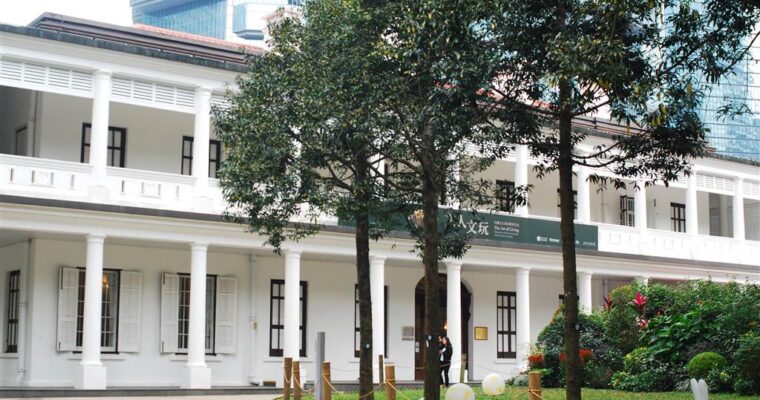
In my opinion, the 1881 Heritage is one of the most successfully restored heritage sites in Hong Kong. Formerly the Marine Police Headquarters, the 1881 Heritage stands tall and grand in what used to be the waterfront of Tsim Sha Tsui. There are two reasons 

Tsim Bei Tsui and the Fish Ponds of Yuen Long

Tsim Bei Tsui and the Fish Ponds of Yuen Long

On this winter day of apricity I did a walk in Tsim Bei Tsui in Lau Fau Shan and then took a leisurely stroll to see the fish ponds of Yuen Long. The walk took a little more than two hours and the only climb is up the Tong Ha Liu Lookout of Kwai Shan at the altitude of 71 meters. The rest of the walk is on level ground.

Tsim Bei Tsui and Kwai Shan

Photo: View of Deep Bay with Shenzhen at the Back, Very Hazy Day

Lying a bit north of Lau Fau Shan and Tin Shui Wai, Tsim Bei Tsui is blessed with a vast expanse of mangroves. As it is enveloped by the Deep Bay, the area offers the unlikely views of an exceptional natural endowment set against the background of the urban skyline of Shekou, Shenzhen, China. In Tsim Bei Tsui, the highest point is Kwai Shan at an altitude of 71 meters. The Tong Ha Liu Lookout is at the peak of Kwai Shan.

Kwai Shan, meaning the “turtle hill,” acquired its name due to it shape looking like the shell of a turtle. Because the foothill extends out to the Deep Bay, the imagery elicited the imagination of an elephant drawing water with its trunk. Tsim Bei Tsui (a pointed nose and mouth) thus came to be the name for this general area south of Deep Bay and north of Lau Fau Shan.

Tong Ha Liu

Tong Ha Liu was once a settlement area for villagers. The waters surrounding Tsim Bei Tsui was once a very convenient passageway for ships taking cargo between Hong Kong and China. The settlement structures at Kwai Shan were rest stops for the travelers, merchants and workers of the sea traffic. Tong Ha Liu, in Chinese, means “the summer settlement for the Chinese people.” This hill was once abundant with sugar cane as well.

At the Tong Ha Liu parking lot I found the stairs to go the Tong Ha Liu Lookout. The climb took less than ten minutes. To be honest, there was not very much to see up there at the viewing point. Some bloggers have said that this would be a good spot for bird watching, and the description on site also says that there are binoculars for this purpose. However, the heavy foliage that surrounds the lookout will likely block visibility into the natural wetland that lies at the Deep Bay.

There was a swing hanging off the tree branch and I sat on the swing for a very cool experience, seeing the tree above me bend and ruffle as I swung.

A brief ten-minute break at the Tong Ha Liu Lookout was plenty for my purposes. I then headed down and continued on to Deep Bay Road. Soon you will see the border fence. There really is only one way on Deep Bay Road, you will pass the Tsim Bei Tsui Police Post on the way.

The Walk on the Fenced Deep Bay Road

All of Deep Bay Road is a walk along the border and therefore there is a high fence throughout the walk. This does mean that there is not much view offered on this part of the walk.

However, keep looking on your right for certain viewing points that show the mangroves. They are not exceptional in terms of views but they are a good look at the natural endowment of the area.

You will also pass through the Drainage Channel of Tin Shui Wai and see some city views afar.

The Fish Ponds of Fung Lok Wai

At this point of the walk, watch out for this exit, and walk through the trees. This way will lead you to the large area of the Fish Ponds of Fung Lok Wai.

Feel free to explore this area any way you want. In the blooming seasons of May and October, some of the Pontederia crassipes in full bloom in the fish ponds will offer amazing views.

Note however that, as with all rural areas of Hong Kong, you are likely to run into some dogs that are unleashed in the area. I saw about four of five such dogs (they may or may not be stray) at the fish ponds. The advice for handling free-roaming dogs is to approach them very slowly. When they bark and move toward you, remain calm and be still. After seeing that you do not present threats, the dogs will move away. Of course, if you have a hiking cane, that could be a protection should they launch attacks, but they usually do not attack.

Finally, note also that beginning at the fenced road section of this walk, there is very little shade throughout. There is virtually no shade at the fish ponds. Therefore be prepared if you are doing this walk in the summer.

The general direction to take is toward the Shing Uk Tsuen area. In Shing Uk Tsuen, you will find Green Top Minibus Route 74.

How to Get There

I do not advise anyone walking from Lau Fau Shan to Tsim Bei Tsui because it is a bit of a long walk without any particularly good views along the way. I suggest therefore to take the Green Top Minibus Route 35 on Tai Fung Street in Yuen Long and get off at the final stop in Tsim Bei Tsui. The minibus ride will take about half an hour.

Once you get off the minibus, keep walking ahead on Deep Bay Road and you will arrive at the parking lot within five minutes.

Photos: the Tong Ha Liu Parking Lot and the Stairway up the Tong Ha Liu Lookout

The stairs up the Tong Ha Liu Lookout is at the parking lot.

To get back to civilization, head toward the Shing Uk Tsuen Green Top Minibus Route 74, which will drop you off at the Long Ping MTR Station.

Sources

Description on site at Tong Ha Liu.

Timhiking on Kwai Shan.

The Grass Island

The Grass Island

The first hike of 2024 was on January 1st and I went to the Grass Island. I wanted a reasonable walk with views of the ocean. In Chinese we like to say “ride the wind and break the waves” to mean that one will stare 

Gazing at Sanxingdui

Gazing at Sanxingdui

Seize the last days of this exhibition and make an appointment to see Gazing at Sanxingdui: Archaeological Discoveries in Sichuan. The last day of the exhibition is January 8, 2024. The Sanxingdui was a civilization that existed during China’s Bronze Age in what is now 

Shenzhen Shorts — The Dapeng Fortress

Shenzhen Shorts — The Dapeng Fortress

In Chinese, Shenzhen is also known as Pengcheng, meaning “The City of Peng.” The Dapeng Fortress is where this other name of Shenzhen comes from. Its full name Dapeng Suocheng refers to the military nature of the ancient city. For the word “suo” is a system of military organization in Chinese.

Photo: Dapeng Fortress–View of the Ancient City from the South Gate

The general area that was known as Pengcheng had a long standing in China’s ancient history. Even as early as the Qin and Han Dynasties, this part of Shenzhen was under the proper central administration of the then China kingdom as Nanhai. Nanyue was a state that was established by a warlord that sought to break away from the rule of the Qin Emperor. Throughout the history that came after, this area was part of the Baoan County of Shenzhen.

The History of the Dapeng Fortress

The Dapeng Fortress was constructed during the Ming Dynasty in the 14th century. In 1394, the 27th year of the Hongwu Reign of Ming Dynasty, the authorities began constructing the Dapeng Fortress, which was intended to serve exclusively defense purposes against pirates, foreign enemies and resistance fighters. Together with the Nantou Ancient City in Nanshan, Shenzhen, the Dapeng Fortress was one of the 24 defense outposts along the mountain ridges of Lingnan (southern China).

The Dapeng Fortress was especially important for coastal defense during the Qing Dynasty. In 1704, the 43rd year of the Kangxi Reign, the Qing Court turned the Dapeng Fortress into a naval base, which oversees the coastal defense of all of Shenzhen and Hong Kong. This role of the Dapeng Fortress would be very important during the Opium Wars of the 1800s.

In 1839, General Lai Enxi, who was a native of Dapeng, sounded the canons that would signal the defense of Kowloon against British attacks. Thus the curtains were drawn for the Opium Wars.  After Hong Kong Island was ceded to Britain in 1940 and before ceding Kowloon to the British in 1860, the Qing Court has constructed the Walled City of Kowloon for the purpose of defending Kowloon. At the time, generals from the Dapeng Fortress oversaw the Walled City of Kowloon. As such, the Dapeng Fortress had a very close relationship with the history of Hong Kong.

A Walk in the Dapeng Fortress

Photo: Nanmen Road–Walking Northward from the South Gate

A leisurely walk of the whole Dapeng Fortress would take about 2 to 2.5 hours.

The North-South Axis

We arrived and our first walk was from the South Gate of Dapeng to the North Gate. You can climb up to the tower to see the aerial views of the city.

The main street of Nanmen Road is the most visited pathway of the ancient city. I suggest touring this street first, then take a break when you reach the North Gate.

Along Nanmen Road there are two museums. One is the Mansion of Liu Qilong, which comes with a brief introduction of the general. However, I found the historical narrative presented there to be a bit thin. Perhaps one would not spend so much time learning about the life of the general. A walk inside the mansion to see the beauty of the structure and the garden would suffice here.

Going further north, watch out for the former granary on your right, which now serves as the Dapeng Suocheng Coastal Defense Museum. I recommend taking a little more time in here. The point of interest is the very thorough exposition of military training and arrangements of the Dapeng Fortress in this museum.

Photo: The Former Granary Now Serves As the Dapeng Suocheng Coastal Defense Museum

Although it gets technical at times, even a cursory reading of the exhibits will give a very good idea of the military nature of the Dapeng Fortress. The exhibits are only presented in Chinese, however.

                                                                                                                                                                                           Heading north, the North Gate is much less crowded than the South Gate, but it is a good spot for resting your feet a little. There were shops and snacks there, and it was worth a stop for pictures too.

The Eastern Section

We were drawn to the garden space next to the former granary (where the Dapeng Suocheng Coastal Defense Museum was). In the garden there were some exhibits about the history of the Opium War. My friend and I had a discussion about the role of the Dapeng Fortress in that war and how it related to developments in Hong Kong.

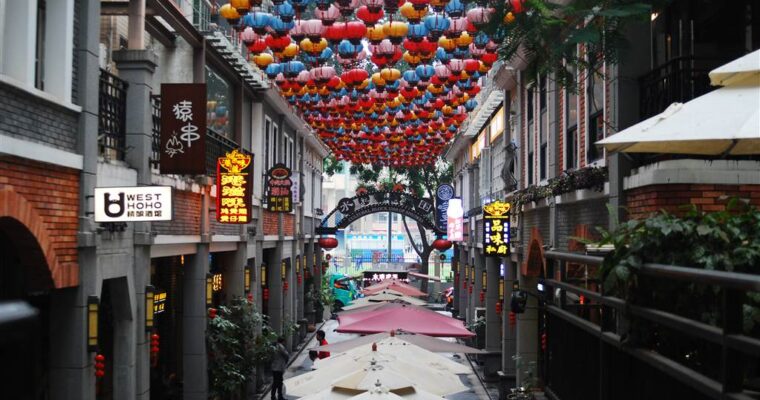
Soon enough we made our way to the eastern section of the Dapeng Fortress. We saw some really beautiful street scenes there, fully decorated with lanterns. It was festive there and surprisingly, a lot quieter as well.

The eastern section of Dapeng Fortress was also where all the restaurants of the ancient city were. We decided that we would come back here for supper.

The Western Section

Compared to the Nanmen Road throughfare and the eastern section, the western section was notably quiet, and I would even say it was deserted.

This was because most of the old buildings there seemed abandoned, and not taken over by businesses. In fact, we thought maybe some residents were still living in this section of the Dapeng Fortress. I would say, however, most of the old buildings were not restored.

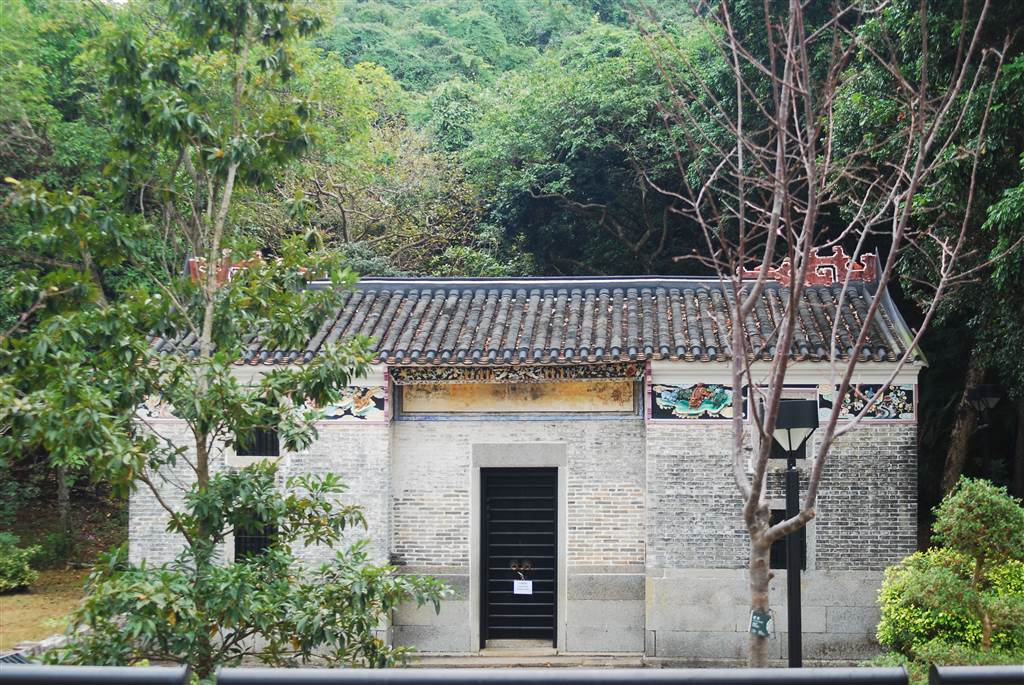
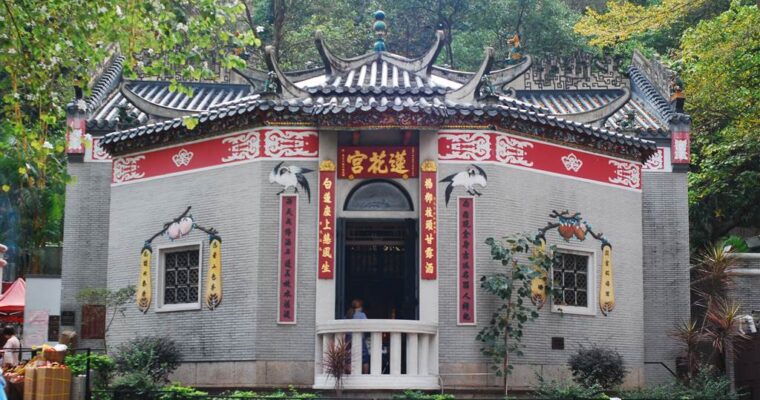
Photo: The Tin Hau Temple in Dapeng Fortress

On the western section of the Dapeng Fortress, there is a Tin Hau Temple. On this same street, on the left when you are facing the West Gate, there is a very nice bar called “Zhang Beinian and His Cat.” I highly recommend taking a break at the bar there. They serve alcoholic and non-alcoholic drinks, and also some desserts. We had a very relaxed time there.

The Dapeng Fortress is the second ancient city in Shenzhen that I visited. As compared to the Gankeng Hakka Ancient Townlet, which is located within the city of Shenzhen, the Dapeng Fortress is a lot larger, and with much more interesting stories to tell.

Firstly, Dapeng has a much longer history as a city since its early beginning in the Ming Dynasty. Secondly, Dapeng was involved in the Opium War and there were military installations inside the city. As such, its history could be said to have influenced the larger historical narrative of this whole region, with far-reaching influence on Hong Kong and even China.

Supper at the Peng Cheng Fan Guan

Like so many ancient cities in Shenzhen, Hakka cuisine is also featured in the Dapeng Fortress. We sat down at the very elaborate Peng Cheng Fan Guan (Peng Cheng Restaurant). There is a large dining space in different sections. The building should be a heritage building itself, but very well-restored. We ordered the traditional yao chicken, which is a baked chicken, and some veggies to go with. The food was fair.

After dinner we looked up other restaurants in this section of the town and decided that all of them served a similar menu. Therefore it really would not matter much which restaurant you pick inside the Dapeng Fortress. Outside the very popular South Gate area, there are a whole array of restaurants, but they almost invariably served Hakka cuisine in similar veins.

The Jiaochangwei Beach

Lying just about 15 minutes by walk south of the Dapeng Fortress, the Jiaochangwei Beach is a nice walk. We went there the next morning, and spent some time at a very nice café by the seaside.

Those who wants to push for more sightseeing can consider the Dapeng Peninsula Geopark, which is actually quite a bit further away from the Dapeng Fortress. Do inquire with the hotel on options to get there, particularly how you may get back from the Geopark.


Some Suggestions for Touring Dapeng

The Ancient City of Dapeng is not close to Shenzhen proper. It takes an hour of a private car ride from Shenzhen to get there, and an hour and a half if you opt for public transportation. Therefore, for anyone to go there from Hong Kong, an overnight stay is recommended.

The boundary crossing that is closest to the Ancient City of Dapeng is Lin Tong in Hong Kong. I highly recommend booking a private car (taxi, for example via the DiDi app), once you arrive at the Lin Tong boundary crossing. Another popular boundary crossing would be Lo Wu, for people who prefer to take the East Rail.

For accommodation, there are many budget hotels that are very modern surrounding the South Gate area. We selected one of those hotels.

There is also a very nice heritage hotel inside the city, in the alleyway off of the South Gate. This hotel is called Unijoy. The building that houses the hotel is an old building of the Fortress. It is pricier than other non-heritage options, but from what we gathered, it is worth the experience. Booking early is recommended.

Photo: View on Nanmen Road in the Dapeng Fortress


Sources

Descriptions on site at the Dapeng Suocheng Coastal Defense Museum.

The Lion Rock

The Lion Rock

The Lion Rock is a very popular trail in Hong Kong, but I have never had the opportunity to walk it. On this wonderful winter day I joined a group hike and had a wonderful time seeing 360 views in this somewhat midway point of 

The Great Gatsby

The Great Gatsby

The Hong Kong Ballet performed The Great Gatsby a couple months ago. When I saw the introduction of the production, I learned about the preparation for the costumes. The program materials showed such sophisticated presentation of the costumes that I bought the ticket right away. 

Ubiquitously Uzbekistan – The Wonders of Uzbek Food

Ubiquitously Uzbekistan – The Wonders of Uzbek Food

Let us pause here for a much-loved topic: the wonders of Uzbek food. Before going to Uzbekistan, I had no knowledge whatsoever of the food that Uzbeks eat. I figured that, first, as long as I do not have craving for pork (and I do not), then I would be fine there. Secondly, my problem is that I do not eat mutton, but I assumed that chicken would be plenty in any Muslim culture, and that was, for the most part, true. As it turned out I absolutely loved the food I had in Uzbekistan despite a general avoidance of mutton.

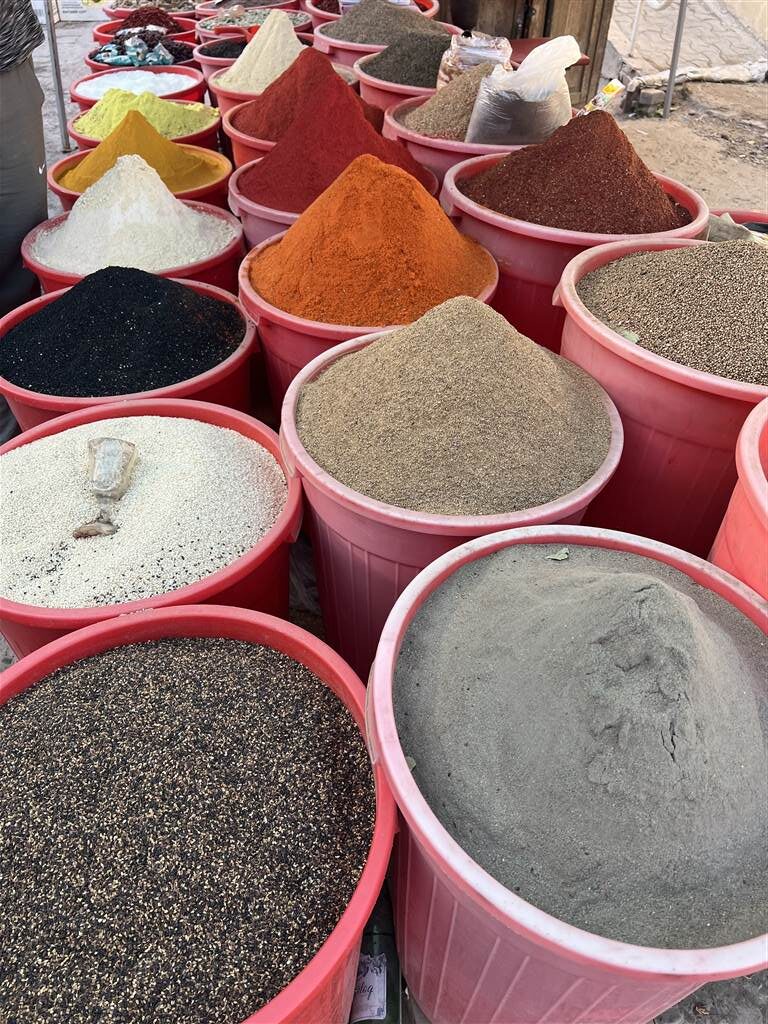
Dining in Uzbekistan was exciting, first and foremost, because the generous use of middle eastern spices really places tourists from the western world into the realm of what we commonly think of as exotic. The olfactory stimulation was immediate and left an indelible impression. The stimulant-in-chief would be cumin, the most pungent, and perhaps overpowering, spice of all.

Because we stayed in hyper-touristy places that are certainly after the business, they knew very well the culinary preferences of the foreigners. Also because they are certainly after the business, we had no trouble finding food anywhere even during the Ramadan. But this would be a point to note for people who want to visit some less popular places in Uzbekistan, in terms of the time of the year to go.

The Plov

When speaking of Uzbek food, the first item that must be featured is the Plov. Ask any Uzbek and he or she will likely tell you that it is the national food of Uzbekistan. Granted, the Plov it is also eaten throughout the other Central Asian countries with slightly differing renditions, the Plov is, properly speaking, a uniquely Central Asian staple.

There is usually a serving of meat on the fried rice (allow me to call it that). Traditionally, the rice is cooked in the pan itself. The shredded carrots are fried first with onions, then adding some turmeric to give it the typical yellow hue. The souls of the fried rice are special Uzbek dried raisins (a type that is not sweet), and of course, cumin. When the server sets down the meal you should smell the fragrance right away, and you will dig in like there is no tomorrow.

Shashlik, Anyone?

The most notable way in which the meats of Uzbekistan are served is the shashlik, which is the local word for grilled meat on skewers. Needless to say, the generous spices give the meat its complex flavors. The grilling on open fire ensures the tenderness and juiciness of the meat.

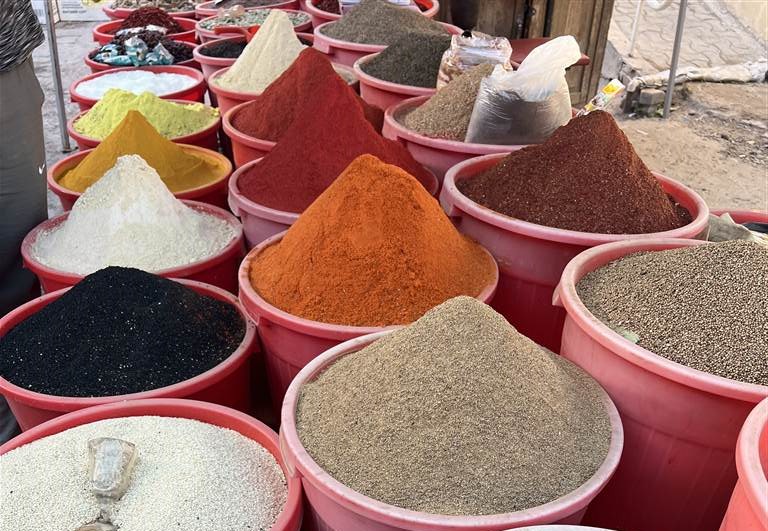
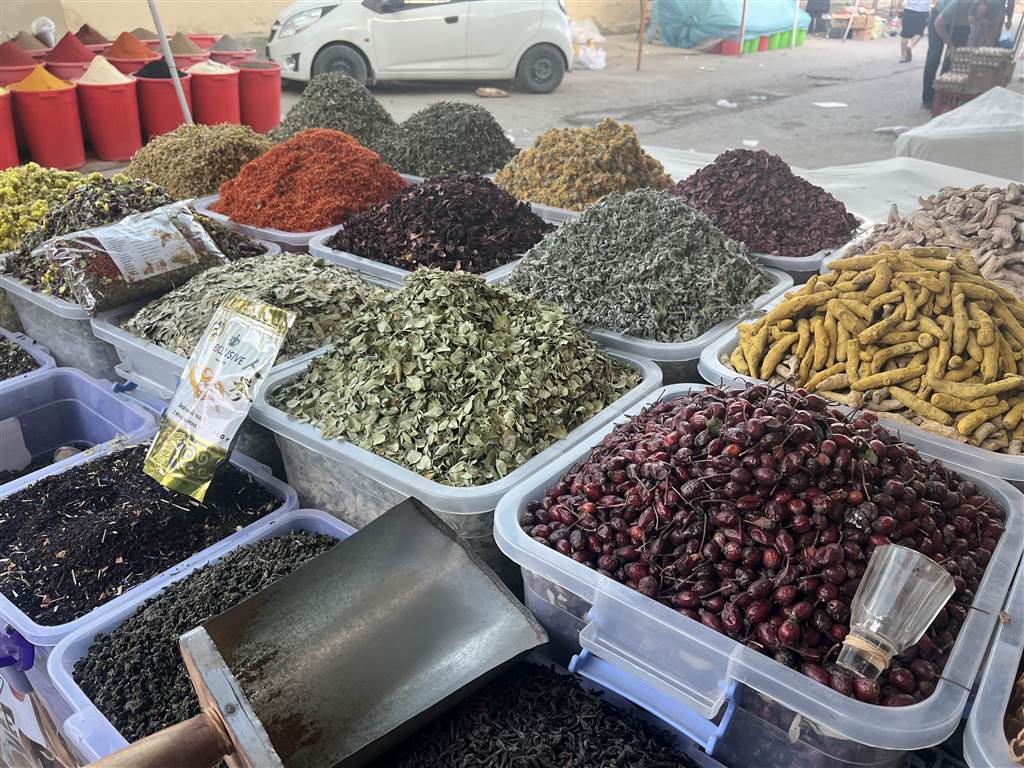
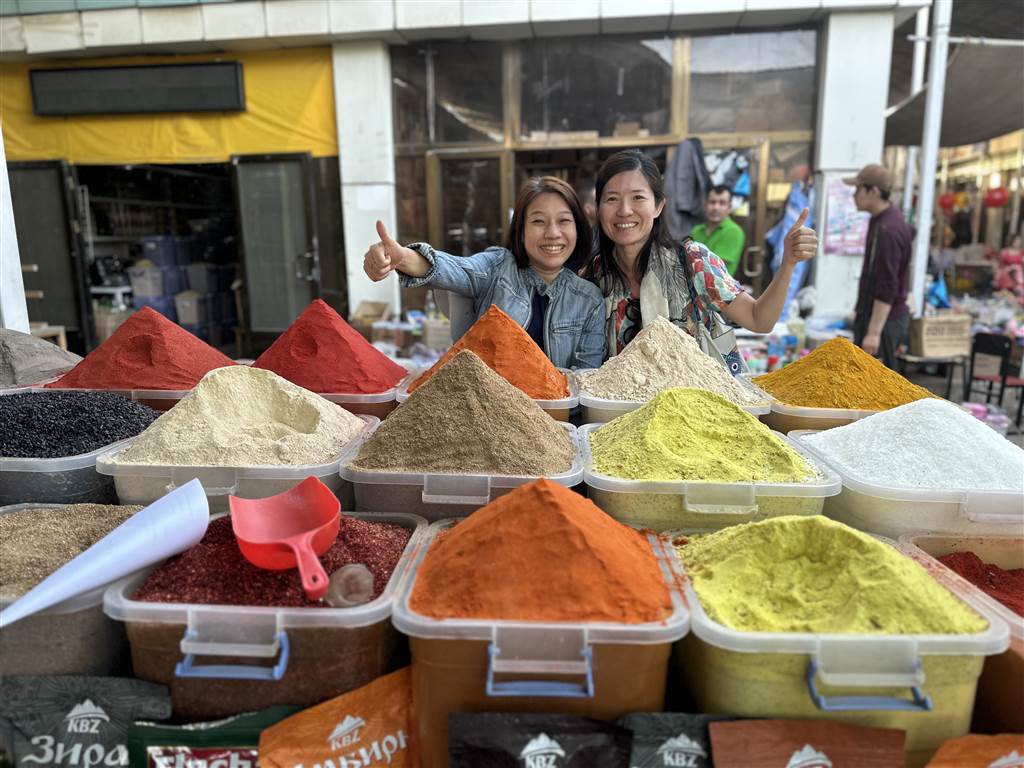
One skewer or two is usually what the Uzbeks would get, but when we got greedy, we would order a whole mouthwatering platter. In Uzbekistan, the shashlik most commonly feature chicken, mutton and beef, but we have also seen a wider variety like fish and bread. I think a generous amount of paprika and cumin is used for its seasoning. In fact, I packed a bag of custom-mixed Uzbek shashlik seasoning home. There will be discussion of our experience at a Bukhara spice shop in a later entry.

The Uzbek Breakfast

I am very sure that this scrumptious portion of Uzbek breakfast is only served on the tourists and guests, but do let me describe the platter of wonderful food. For starch, there is always the unleavened bread of Uzbekistan. They are a little tough, but going with butter, plum or apricot jam and honey, they are very good. Then comes a porridge that is usually sweet with condensed milk, or some kind of sweetened dairy. For meats, there certainly is ham or sausage. For other dairy items, yogurt is also on the side, as well cheese sices. Eggs are commonly featured, usually as omelet. There is always some sort of salad as well, featuring usually tomatoes, onions, cucumbers and dill. Finally, there are also some pastry items, such as beef or sausage puffs. You also have a selection of fruits to finish your breakfast with. Of course, you are free to work through this whole table of food in any order you like. I tend to start mine with hot items.

The Lachman

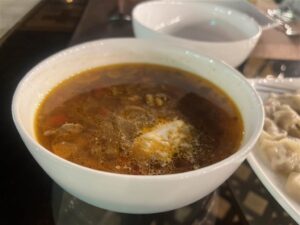
We understood Lachman right away because it is very similarly pronounced with “lamian” in Mandarin Chinese, meaning pulled noodles. I do not in fact know if these noodles are hand-pulled, but they do have a very chewy texture and they are very satisfying. The noodles are cooked usually in a meat broth. I have a fear for mutton’s gamey taste, and it would usually come out very pronounced in soup, so when I ordered Lachman, I either made sure it came with a beef or chicken broth, or asked specifically for veggies only. It is a very common dish in Uzbekistan, just like noodles in China.

In Bukhara, we had a fried version of Lachman, topped with a fried egg with runny yolk and it was heavenly. It is a must-try in Bukhara.

The Dolma

The dolma reminds me a lot of the Lebanese stuffed grape leaves. And I also assume that the preparation is similar, with ground meat wrapped in grape leaves. Although in Bukhara we made sure that the meat was beef, it came out having the gamey taste of mutton, and I did not like it too much.

The Manti

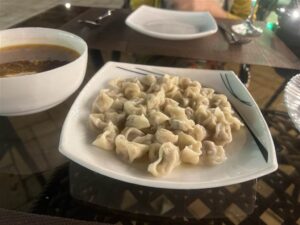
The manti is a steamed dumpling with stuffed ground meat. At some restaurants they would serve a vegetarian option of the manti, usually in pumpkin. I had the pumpkin once in our very last meal in Khiva and it was wonderful. I tend not to like ground meat fillings because even if it is ground beef, it comes with somewhat of a gamey taste. Pumpkin manti would have to do it for me.

The Uzbek Dumpling (Chuchvara)

This type of Uzbek dumpling is slightly different from the big pocketed, meat-filled pouches of manti. This rendition of the dumpling is more similar to the well-wrapped smaller versions that we see in China. The filling is also ground meat, except that in Uzbekistan pork is never used. I did not have any trouble with the ground meat in these dumplings in Uzbekistan. It was also a nice reminder of my comfort food back home.

The Meyer Lemon

I saw Meyer Lemons for the first time in Samarkand’s Siab Bazaar. We could not resist and packed some home. The next morning, we squeezed this goodness into our tea. It was notably juicier than a lemon with a sweet flavor of the mandarin, as it is a cross between lemon and mandarin. Apparently, this breed is native in China, but I have never seen it before Uzbekistan.

The Green Noodles of Khiva

When we arrived in Khiva, we had our first meal at a heritage building. All the restaurants in Khiva serve a green noodle, with very strong fragrance of dill. I absolutely loved this noodle. It is usually served with a serving of meat on the side along with sour cream, and served dry instead of in soup.

The Honym

I learned my first Uzbek word at the Chorsu Bazaar in Tashkent, and it was the name of a food called Honym. The lady there told me that it is “Uzbek Lasagna” and that was quite true. It is a potato dough cooked in a rich and creamy tomato base and dished out piping hot.

The Herbal Tea

Tea culture is big in Uzbekistan, especially in Bukhara, where tea houses are everywhere like the cafés in western countries. I will discuss more about this experience in a later entry. For now, let me just introduce the herbal tea that I picked at the teahouse. I selected the cardamom and saffron tea, because saffron is the most exquisite spice in the world. The cardamom was a very spicy ingredient, and there is a natural streak of coolness and smoothness in the tea. I did not like sugar in my tea, but when drinking this tea a bit of sweetness to taper the spiciness was a good idea.

Finally, the Salad Dressing

In having our first dinner salad in Uzbekistan I noticed that the dressing was very good, with a touch of something that gave the salad a fuller body than the usual lemon juice / vinegar with olive oil combination. After a few bites, I figured that soy sauce was used in the salad dressing. The most common veggie combination for a soy-based salad dressing would be tomatoes, onions, eggplant and cucumber, with the very soul of the salad being fresh dill. This salad is served warm. I have replicated this when I went home and it is now a standard on my home salad menu.

At touristy restaurants, there is never a lack of western food to select from, and I have had some really good pasta and salads in Uzbekistan as well.  I did, however, try to pick Uzbek local food to the extent that I could.

The dining experience I had in Uzbekistan was truly wonderful. I will always miss the shashlik. For my family’s souvenirs, I tried to replicate the Plov, the shashlik and the herbal tea. I could not handle making the Plov the Uzbek way, meaning cooking the rice in the pan itself, so I did it the “Chinese fried rice style” but with the standard spices that Uzbeks use. That was about as good as it gets for me.


Ubiquitously Uzbekistan – First Impressions of Bukhara

Ubiquitously Uzbekistan – First Impressions of Bukhara

We were greeted with exceptional hospitality as soon as we arrived at Bukhara. By the time we checked in to the Oasis Boutique, it was dusk hour. On our way to the restaurant, we met a group of ladies from four generations of a family.