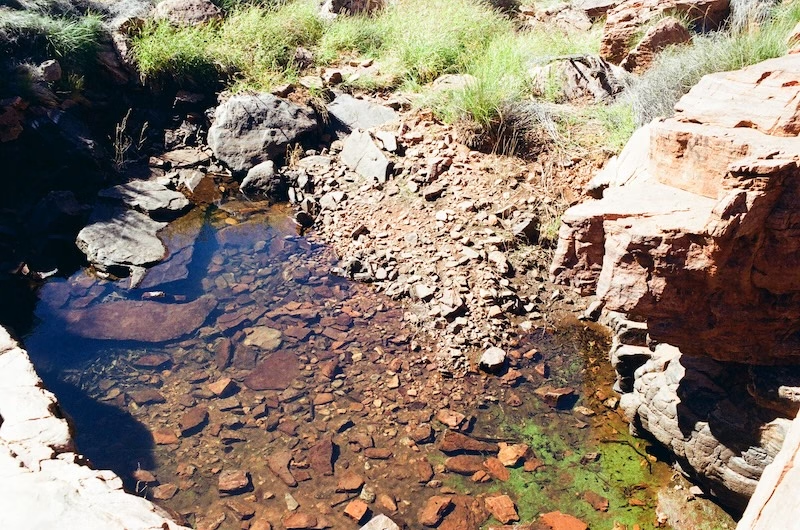
To the Outback and Back — Embrace East Macdonnell at the Trephina Gorge
“What do you think this is?” Kirsty said to me, her smile shrouded in an expression of knowing mystery.
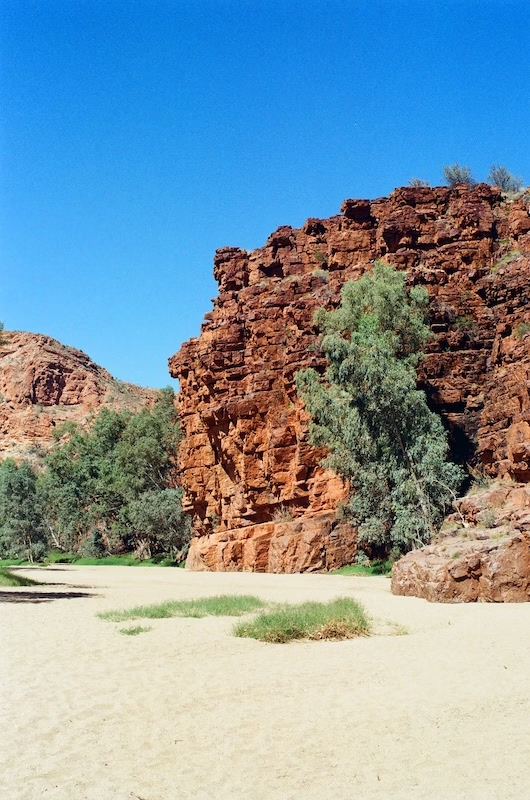
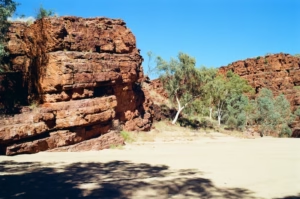
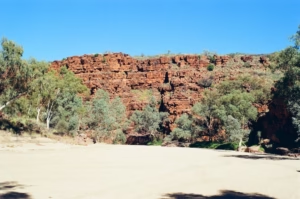
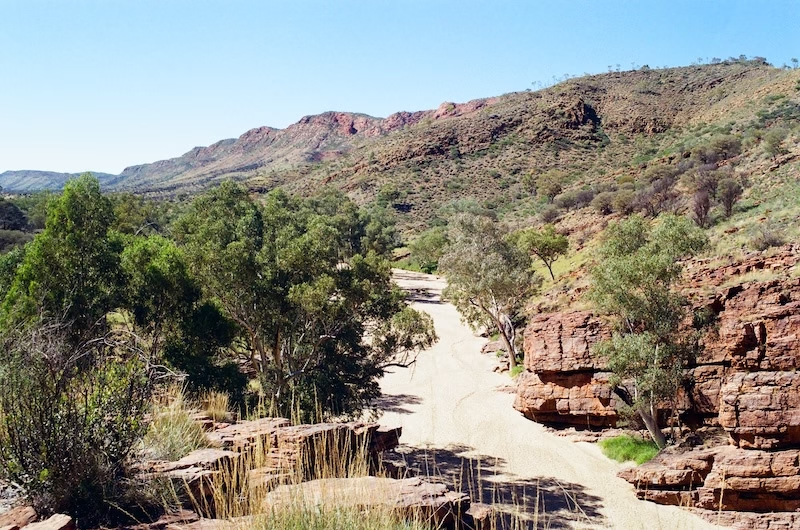
“Uhm, I mean, it has to be sand?” I replied with a question, quite unsure of what this view in front of me could possibly be, besides what I could observe. What I observed was simply long stretches of sand-laid pathways. In my imagination, sand in desert is associated with aridity, not water.
“This is a river.”
“?” Kirsty saw the puzzlement on my face.
“If you dig hard and long enough, you would come across actual flowing water beneath this massive layer of sand.” Kirsty was pleased, as she saw my expression of astonishment.
A river?
Yes, a river.
I started digging in the sand. Kirsty kept her knowing smile, somewhat approving of my silliness. “You do sense the increasing moist the deeper you dig.” “True to your word,” me replying, in utter amazement.
A Sojourn in the Desert and It is About Water
The day was gorgeous, and with generous sunshine came the waves of desert heat, arriving unforgivingly. In the late morning, we reached Trephina Gorge. This nature park has six trails that serve the interests of hikers at all experience levels.
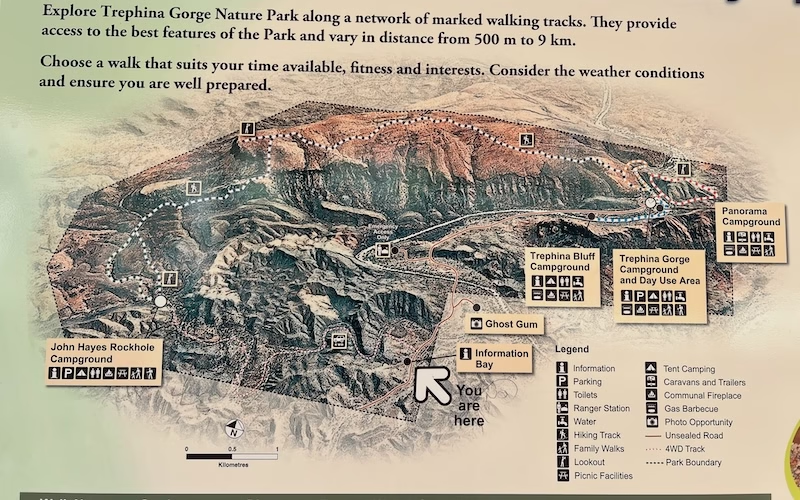
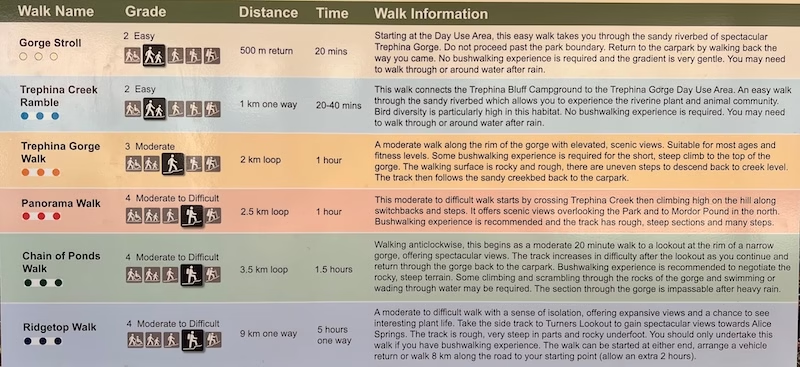
The Trephina Gorge is my favorite part of the East Mac experience. That is because I found the river-beneath-sand phenomenon to be an incredulous discovery, never-encountered in my previous experiences of nature. The Government factsheet on the Trephina Gorge is here.
The Trails
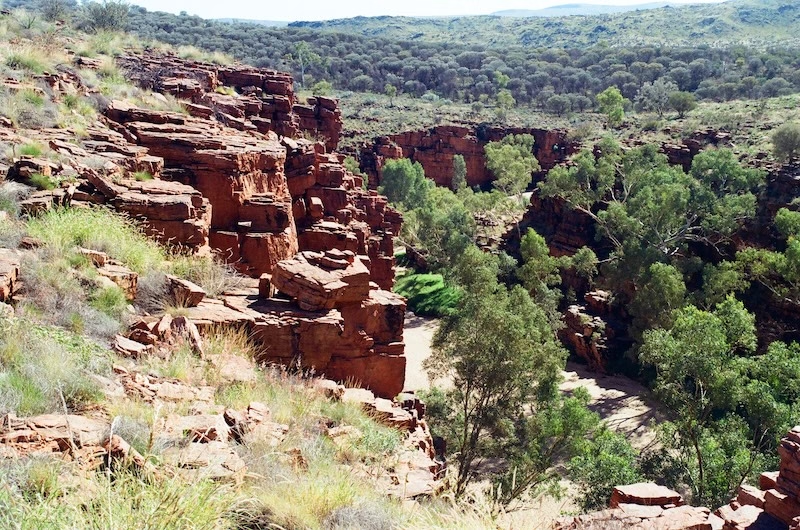
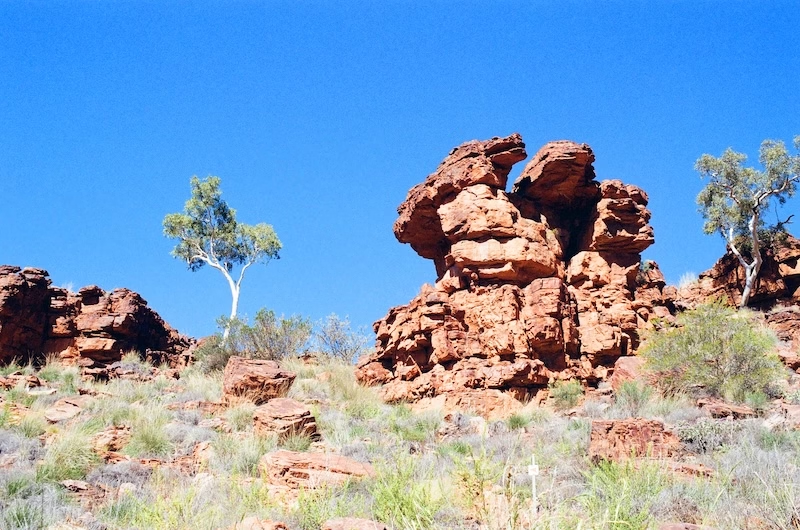
We went uphill to see the cliffs. The red cliff faces of the Trephina Gorge are extensive rusted sediments. The rocks here are composed of quartzites. Quartzite is limestone and quartz combined, first forming sandstones. With high heat, then pushed pressures, the harder quartzites are formed. In here, the quartzites have high iron content. In time, the iron becomes rusted, and the color turns into red. The rocks that lie beneath the red surface could be any color.
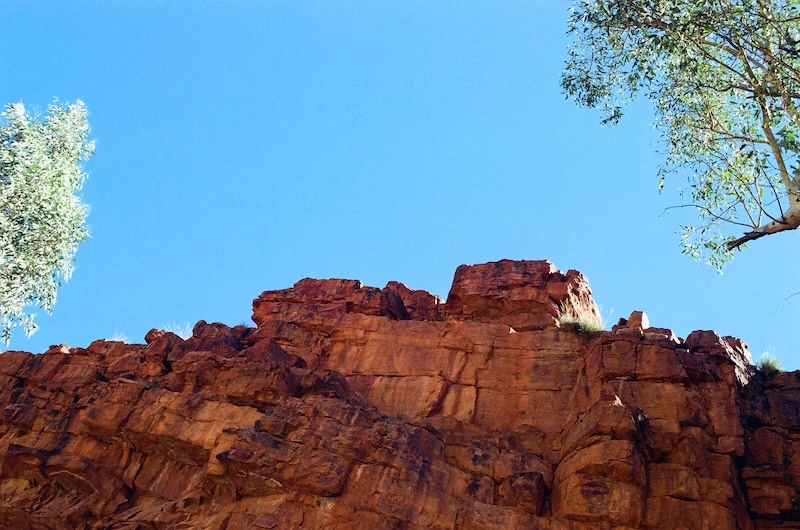
We went on the trails that offered panoramic, aerial views of the gorge. At the “river” (sandy creek bed, named Trephina Creek) we enjoyed the moist and soft sands there.
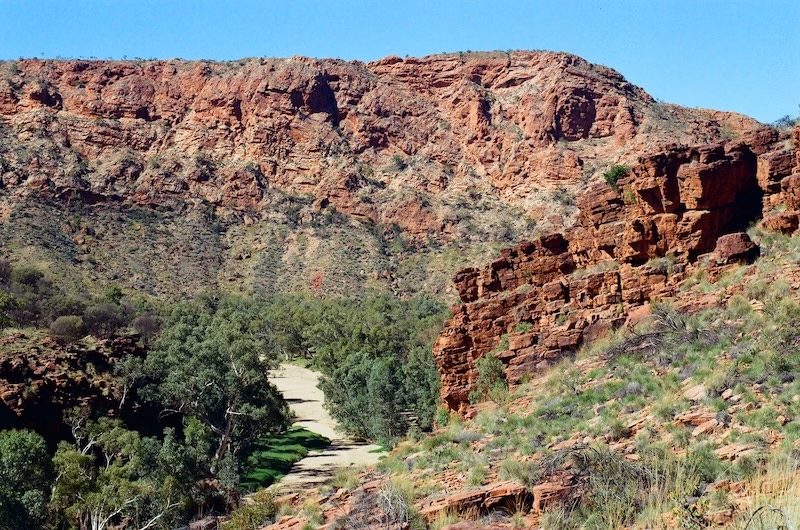
Desert geology is itself an amazing learning for me. In West Macdonnell, the tour guide told us about the incredible biodiversity that exists in this desert region. Perhaps because of the beauty of the scenery, I had not paid much attention to the animals that must have come across us during the West Mac tour.
In the East Mac tour, however, Kirsty was very keen to point out the instances of animal appearance. She also explained desert geology in great detail, as in how animals and plants survive.
As I dug in the sand, I admired the environ of Trephina Gorge. There were a whole lot of tall trees that lined the sandy creek. The shade from these trees was a welcome reprieve at that hour of the day. The Red River Gum Tree is the champion of survival here.
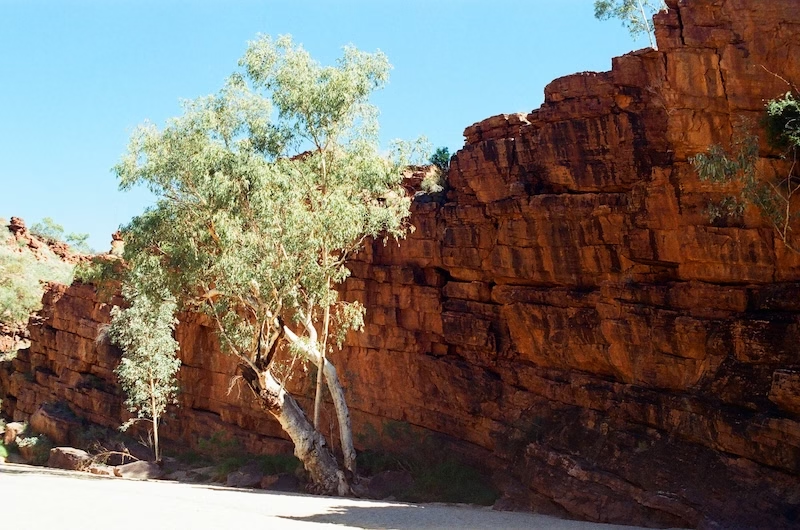
“Hear it,” Kirsty pressed her ear at the river gum tree as an illustration, “really?”
“Yes, do you hear the flow of water inside?” I knocked on the bark before I laid my ear on it. “Oh, yes!”
This is the second amazement at the Trephina Gorge. I heard the water flowing inside the tree trunk.
The River Gum tree
Water may not be visible as water in the Trephina Gorge, but it is in abundance, a perfect illustration of something hiding in plain sight. According to descriptions on site, the river red gum tree grow “long roots extending down like huge straws to soak up life-giving water. Young plants quickly grow a long, central tap root to anchor themselves in the sand and a network of stabilising roots just under the surface. This root system can be just as large as the above-ground parts of the tree.”
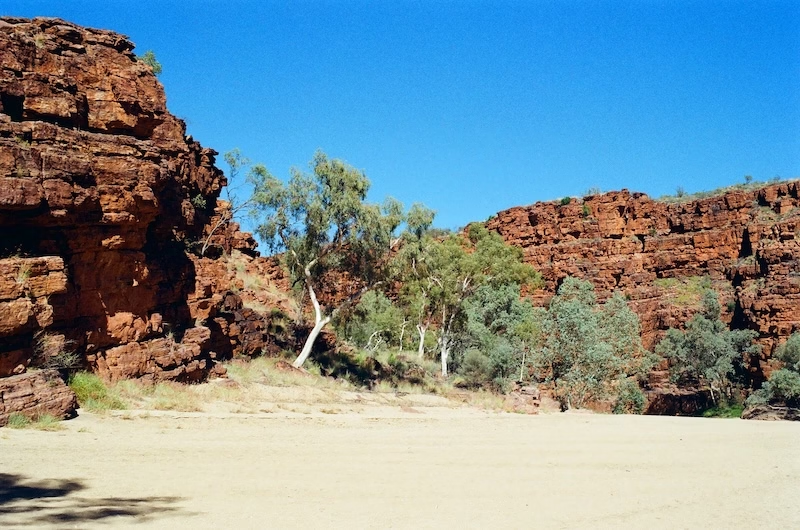
One can hear the sound of water flowing inside the tree because the tree trunk is hollow. The Trephina Gorge is home also to the largest ghost gum tree in Australia. The fact that there is a large population of river red gum there indicates that there are sources of water in the area.
The river red gum is known as apere to the Eastern Arrernte Aboriginals, who are the traditional owners of the land at East Mac. The abundance of these trees in this area, coupled with thousands of years of cultural practice, have together generated innumerable manners of usage of different parts of the tree, as well as the creatures that dwell on them. That includes the making of chewed tobacco, medicinal usage, lollies, and herbs and spices for Aboriginal foods.
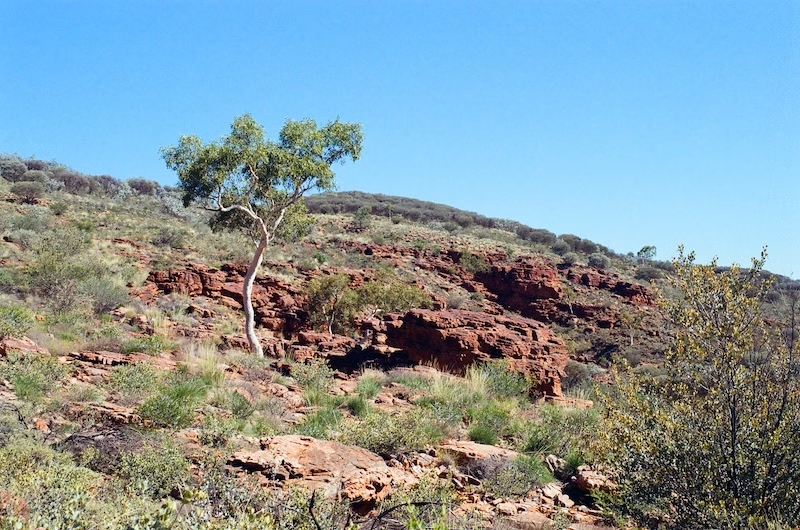
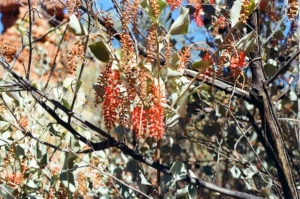
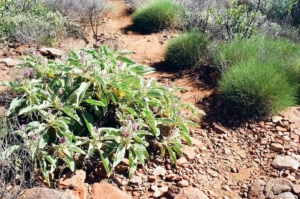
The snowy, smooth white barks of the river red gum trees present a pleasant color contrast to the rusted, rugged folds of the cliffs in the background. But there are many other kinds of plants that thrive in this climate and geology. I saw flowers there.
There was simply no provision of drinking water at East Macdonnell (perhaps with the exception at the Ross River Resort). In fact, nor were there any trash cans either. Therefore, be sure to bring plenty of water with you, especially if you plan on hiking there.
Sources
Descriptions on site at East Macdonnell.
Tour with Red Earth Roaming.