
Luk On Kui
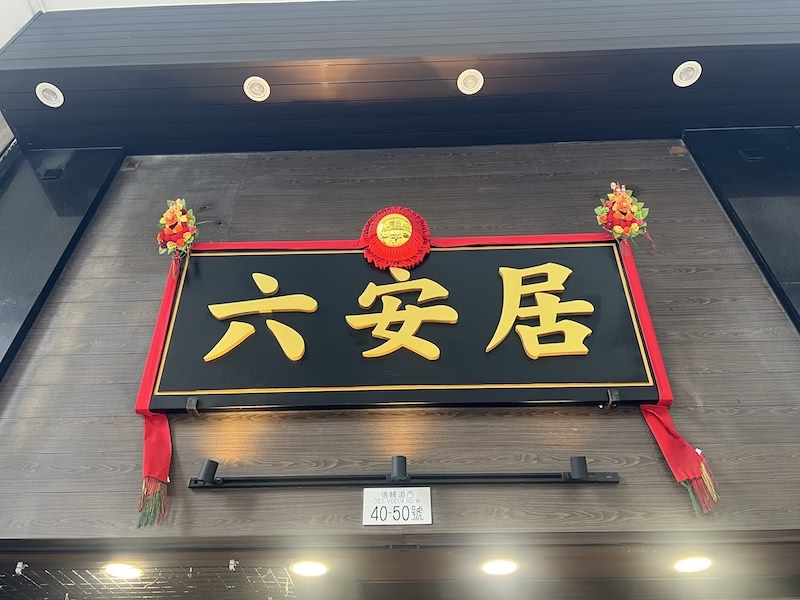
Craving for some dim sum, and wanting it in traditional Canton style? Luk On Kui is the restaurant for the occasion. In previous entries, I have discussed the longstanding brand of dim sum, Lin Heung Tea House. Luk On Kui is the regenerated brand of the former Lin Heung Kui, which itself was a sister restaurant of Lin Heung Tea House.
Lin Heung Kui (Predecessor of Luk On Kui)
From Cantonese lotus paste confectionaries to a renowned dim sum restaurant, the Lin Heung Tea House (Lin Heung Lou) brand has had a century-long repute in the crowded scene of Cantonese cuisine. Lin Heung Tea House originated in Guangzhou and made its debut in Hong Kong in 1927, as a branch of the Guangzhou Lin Heung Lou. In its heyday, there were three Lin Heung restaurants in Hong Kong operating under its umbrella brand name, namely Lin Heung Tea House, Lin Heung Chaan and Lin Heung Kui.
Lin Heung Kui was a sister restaurant of Lin Heung Tea House when it started. The Ngan descendants, as the family owner of Lin Heung Tea House, opened Lin Heung Kui in 2009 in Sheung Wan, with the intention of passing on the family’s experience in traditional Cantonese cuisine.
In 2022, Lin Heung Tea House and Lin Heung Chaan, which were under the original ownership of the Ngan’s, declared their closures due to the pandemic. Lin Heung Kui, which was in Sheung Wan all these years (with independent business and financial operations), continued its business.
In 2024, Lin Heung Kui changed its name into Luk On Kui, perhaps due to disagreements in the family about the business branding and trademark issues. As of now, Luk On Kui has no connection to the Lin Heung Tea House brand, in name, management or ownership. But the Lin Heung Kui in Mong Kok is under the Luk On Kui group.
Yum Cha at Luk On Kui
On a weekday afternoon I met with a group of friends for dim sum at Luk On Kui. Even the waiting on the table is done the traditional way. Instead of getting a ticket and then waiting outside the restaurant, at Luk On Kui one spots a table, where the patrons are about to finish, and “mark it” by standing next to the table. When the patrons leave, then you sit down and the table is yours.
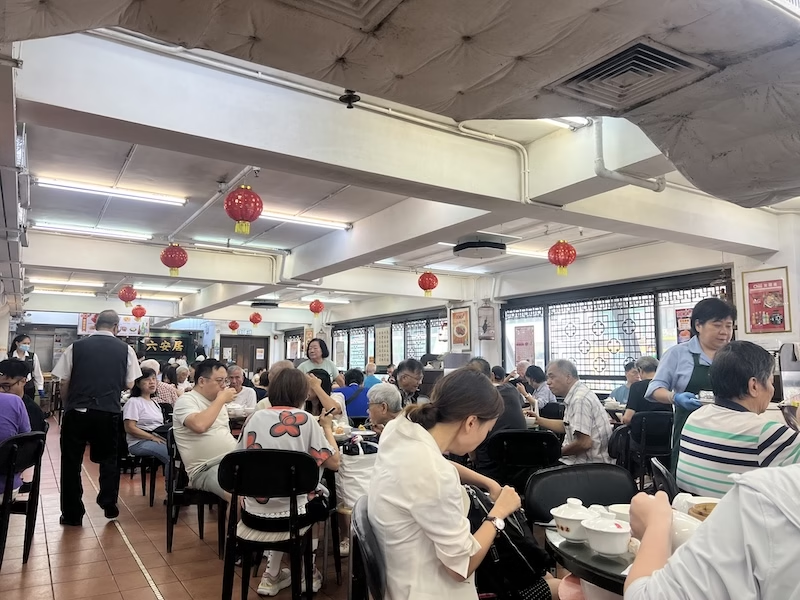
We had enough people to take up a medium sized table, and we had a merry good time doing dim sum the traditional way.
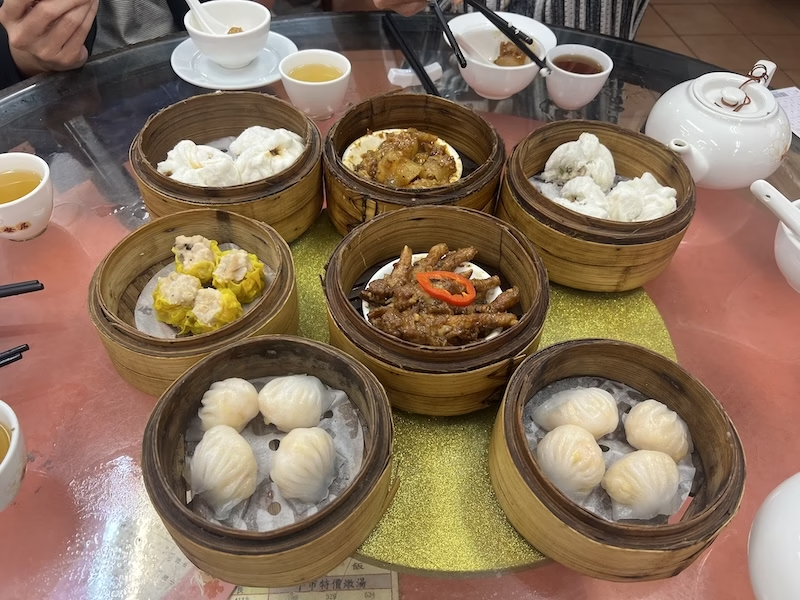
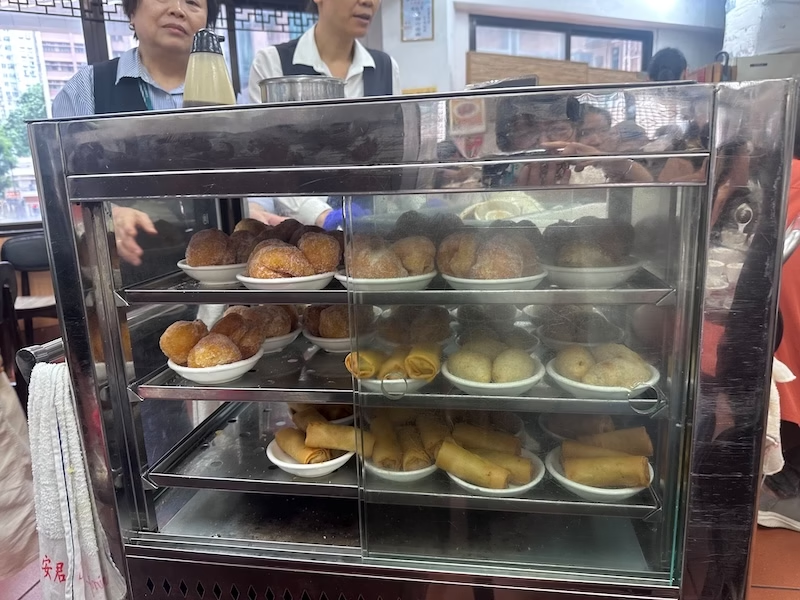
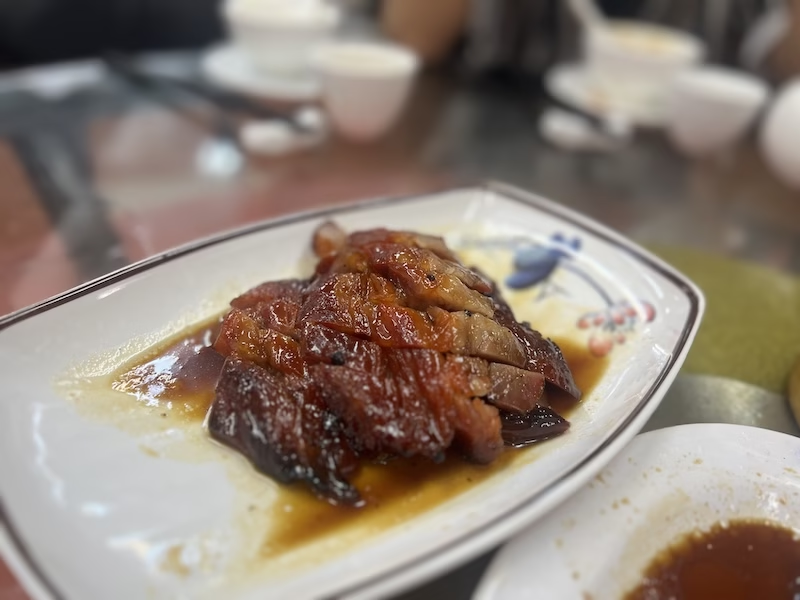
We went all out in ordering the dim sum served piping hot from the dim sum carts. The traditional hot pu’er tea is meant to taper the greasiness of the morsels. It was prime lunch hour but we chatted till the afternoon menu came out and ordered more food. Our American-born youngster experienced Cantonese dim sum the old-schooled way.
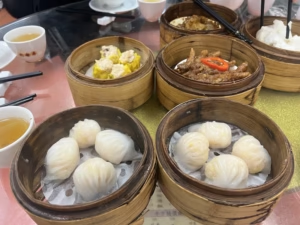
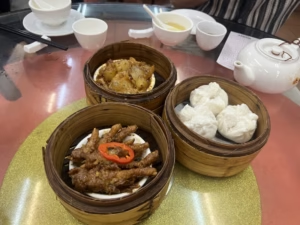
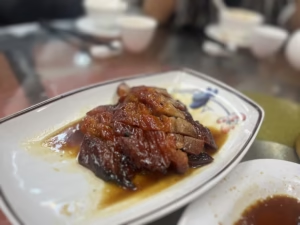
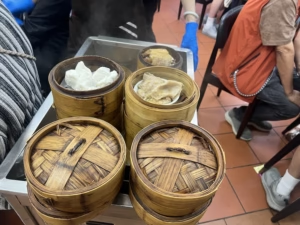
As to whether one should opt for Lin Heung Tea House or Luk On Kui, I say that both restaurants have modernized to a point of not being so remarkably different from each other. The quality of the food and the dining experience is similar, as in, both are still serving Cantonese dim sum in the traditional way. During lunch hour, both restaurants are crowded as well. Therefore, the choice really comes down to which one you are closer to on the dim sum day.
Sources
The Fragrance of Tea in Hong Kong, the Heritage of Lin Heung Kui (Chin), tyaward.com.tw, August 6, 2026.
UpToGo, The Taste of Old Hong Kong: The Difference between Lin Heung Lou and Lin Heung Kui (Chin).