
Historic Macau — A Two-Day Itinerary for a Heritage Tour in Macau
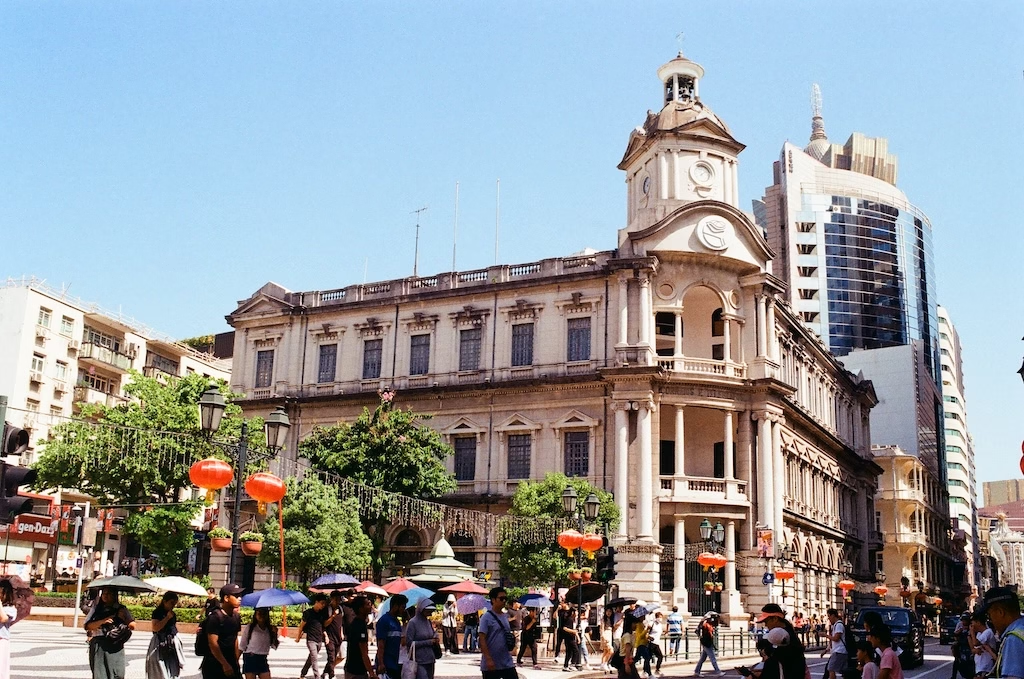
In this two-day trip in Macau, I visited a host of significant historic heritage in the Macau Peninsula area. The following is an itinerary for those two days. There are relatively less historical sites in the Taipa area, and that is for another occasion.
Macau is a very walkable city, and so I visited all these sites on foot.
Day 1 Morning
| Site | Significance | Time required | Nature of Scenery |
| View of Nam Van Lake | A man-made lake that is bisected by the Macau-Taipa Bridge. | 10 minutes | City views |
| Sei Kee Café in Nam Van | Besides its claypot brewed coffee, Sei Kee’s pork chop buns also top the charts for this distinctly Macau delicacy. However, at the Nam Van Lake, the restaurant only serves the beef variation of the bun. | 30 minutes | Food |
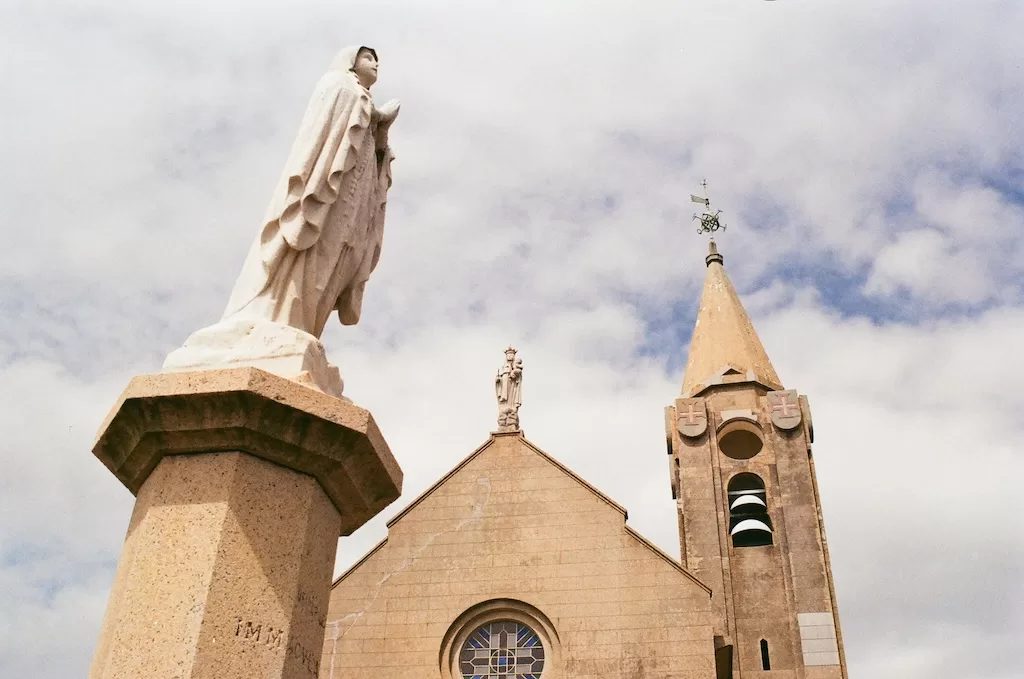
| Our Lady of Penha Chapel | Colina de Penha is the third highest elevation point in all of Macau at 62.7 meters above sea level. Our Lady of Penha Chapel was established in 1622 by the Augustinian priests. The church originated from a crew of the ship São Bartholomeu, which was pursued by the Dutch when it was near Formosa, en route to Japan. The Crew then established this church to thank for a safe return. | 30 minutes | Religious & architecture |
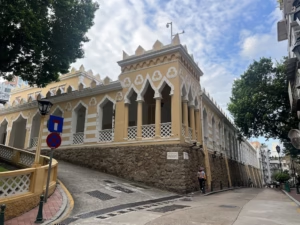
| Moorish Barracks | The barracks was built in August 1874 to accommodate a regiment from Goa, Portuguese India. It was designed by an Italian architect. | 15 minutes | Historical Architecture |
| The Lilau Square | Legend has it that an old woman built a pool that collected fresh water here. In Chinese, Lilau Square means, “the grandma’s well square.” It is said that “once you have drunk the water of Lilau Square, you would never be able to forget Macau.” | 15 minutes | Historical and cultural |
| The Mandarin’s House | Of the Zheng’s, the Mandarin’s House was built in 1869. The Mandarin’s House is the only Tai Fu Tai in all of Macau that celebrates the Qing official title of Ronglu. Tai Fu Tai was the traditional mansion type of residency for a civilian government official, in Qing dynasty times known as Tai Fu. | 45 minutes | Chinese heritage in Macau |
Day 1 Late Morning to Noon
| Site | Significance | Time required | Nature of Scenery |
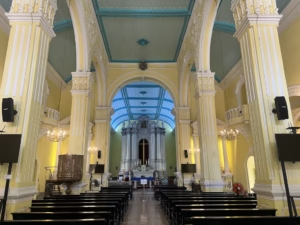
| St. Lawrence’s Church | St. Lawrence is the patron saint for navigation. This church used to overlook the shore of Macau. The family of the Portuguese seamen would pray here for the safety of their beloved, as well as watching -the approaching vessels moor to the safety of home. The current structure is of 1846. | 20-30 minutes | Religious & architecture |
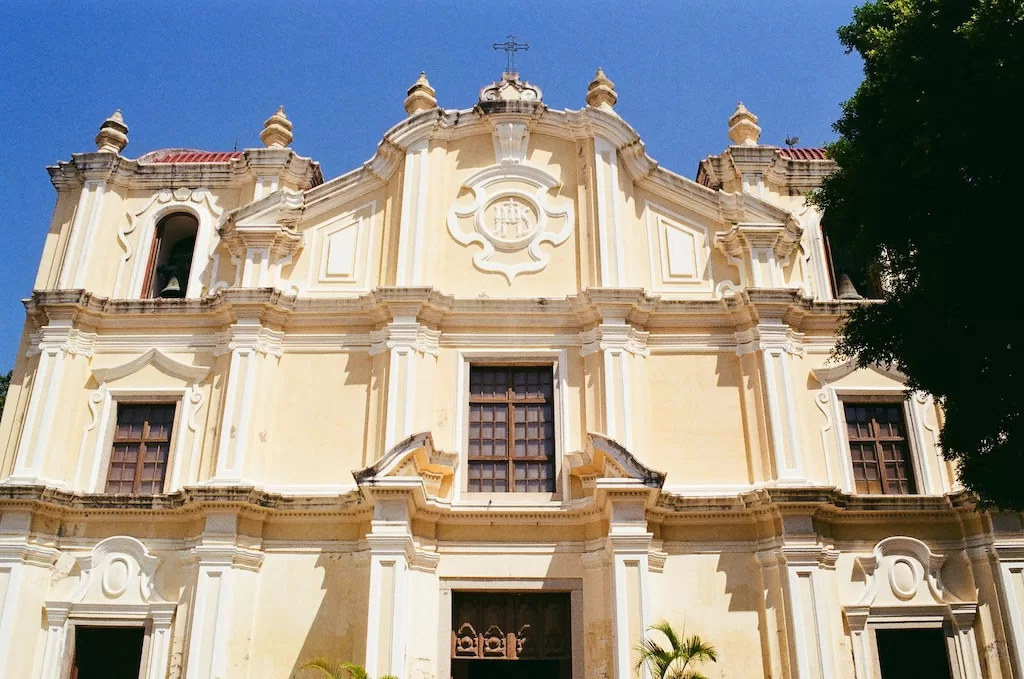
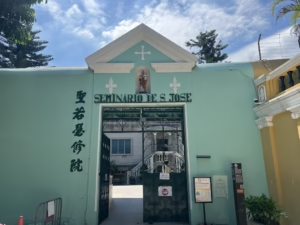
| St. Joseph’s Seminary and Church | Along with the St. Paul’s Ruins, this church stand for the only two examples of baroque architecture in China. | 20 minutes | Religious & architecture |
| St. Augustine’s Church | St. Augustine’s Church features neoclassical elements of architecture, with just a tiled and gabled roof, no dome, and one tower. Overall, its style reflects the spirit of the Renaissance. The current Augustine’s Church is a structure of 1814. | 15 minutes | Religious & architecture |
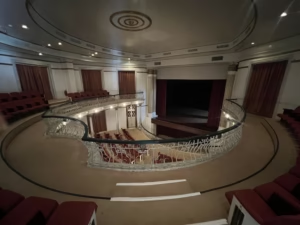
| Dom Pedro V Theatre | Built in 1860, it was the first western-style theater in China. Needless to say, its establishment was originally to serve the cultural and social circles of the Portuguese / Macanese in Macau. | 15 minutes | Cultural and architecture |
| Sir Robert Ho Tung Library | Sir Robert Ho Tung purchased the mansion in Macau in 1918. The original structure was built in 1894 in the Macanese style. During the Japanese Occupation years in Hong Kong, Sir Robert Ho Tung lived in this mansion, as Macau remained neutral during the war. He left the mansion to the Macau government in his will, designating its use as a public library. | 15-20 minutes, can sit at the benches to rest there. | Cultural and architecture |
Day 1 Afternoon
| Site | Significance | Time required | Nature of Scenery |
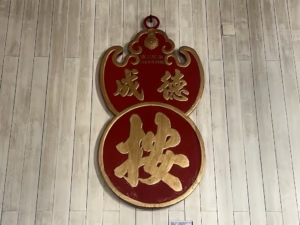
| Tak Seng On | A very small but engaging museum that showcases the history of the pawn business in Macau. | 30 minutes | History and museum |
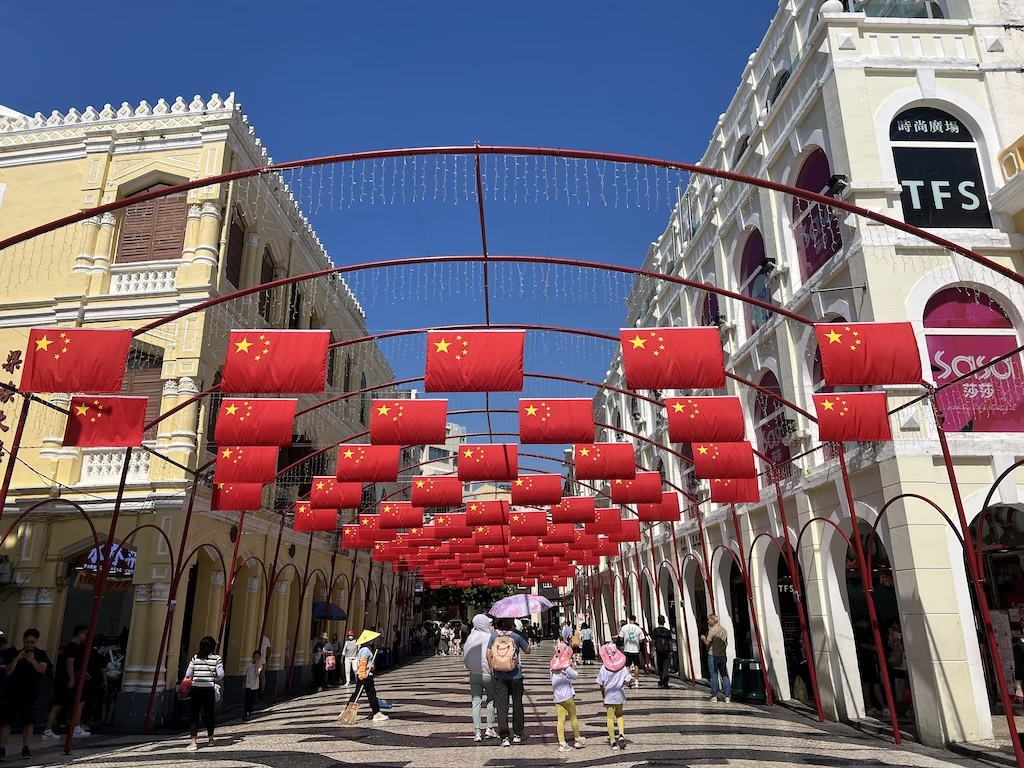
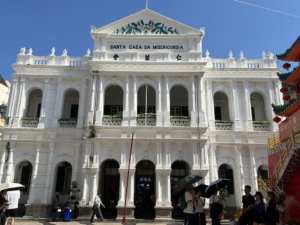
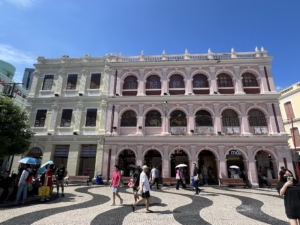
| Senate Square (Senado Square) | Namely the heart of Macau that drives all pedestrian flows, the Senado Square is a must-see before one reaches the famous Ruins of Saint Paul’s. In this square, you will come across an innumerable number of historic structures, including the St. Dominic’s Church, the Municipal Administration Office, the Santa Casa Misericordia, the Macau Post Office, amongst others. | 1 hour
|
Urban scenery, historical architecture, street food. |
Day 2 Morning
| Site | Significance | Time required | Nature of Scenery |
| Ruins of Saint Paul’s | The Jesuits set up a college at St. Paul’s to give home to Japanese students due to the persecution of Christians in Nagasaki. The very first St. Paul’s cathedral was thus known conterminously as St. Paul’s college. The college was an institute of higher learning, with didactics in theology as well as mathematics. | 15-20 minutes, depending on the crowd and how well you can take good photos. | Historical architecture |
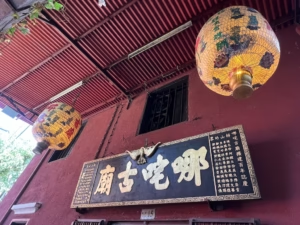
| Na Tcha Temple | This old temple lies on the way from the Ruins of Saint Paul’s to the Monte Fort. Built in 1888 and the Na Tcha Festival takes place annually in May of the Lunar calendar. | 10 minutes | Religious and architecture |
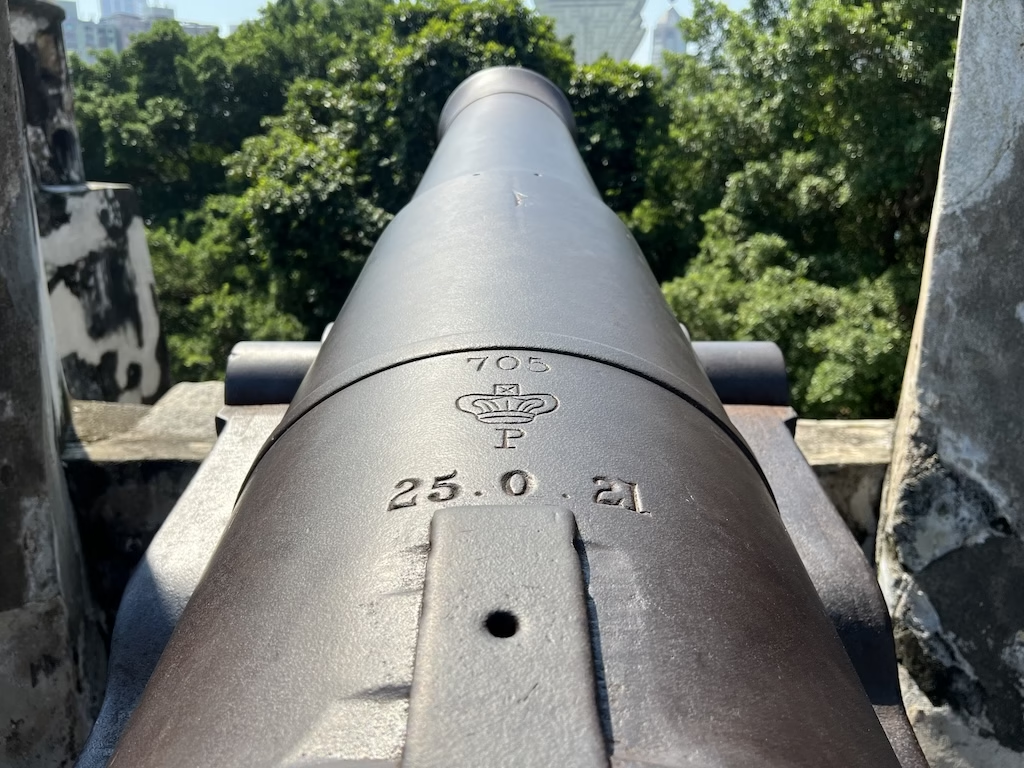
| Monte Fort (Fortaleza do Monte or Mount Fortress) | The fort was built between 1617 and 1626 on Mount Hill by the Jesuits in order protect their properties. The fort had also served as the governor’s residence. | 1 hour (longer if you want to visit the Macao Museum) | Historical architecture |
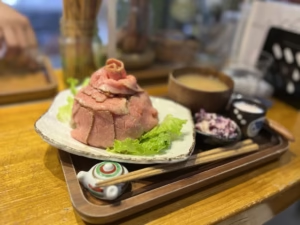
| Wabi-Sabi | A super economical and good restaurant, but very small space, so be prepared to line up at 11am for lunch. | 1 hour | Recommended restaurant |
Day 2 Afternoon
| Site | Significance | Time required | Nature of Scenery |
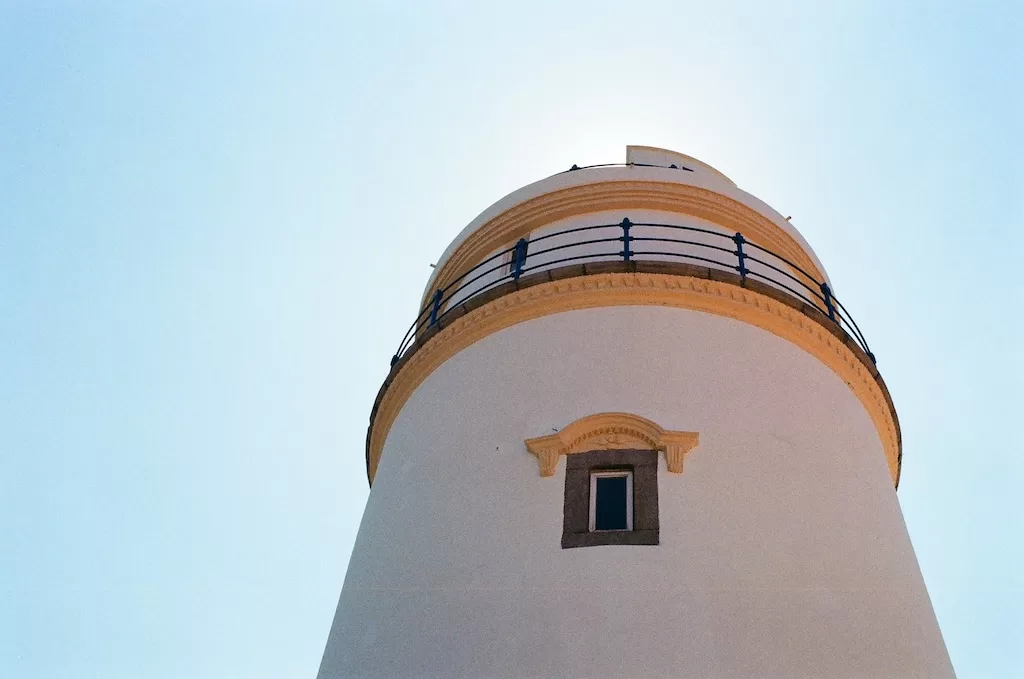
| Guia Fortress and Lighthouse | The fort was built in the 17th century as a colonial military facility. At the time of the Dutch invasion, it was partly constructed. | 1 hour | Historical architecture |