
The Hong Kong Museum of Art
We did a quick tour at the Hong Kong Museum of Art (HKMOA) this day. Getting In We got a ticket for the timeslot of 12:30 – 2:30pm. We were mistaken as we thought that we could stay for as long as we wanted upon …

Vignettes of the World
We did a quick tour at the Hong Kong Museum of Art (HKMOA) this day. Getting In We got a ticket for the timeslot of 12:30 – 2:30pm. We were mistaken as we thought that we could stay for as long as we wanted upon …
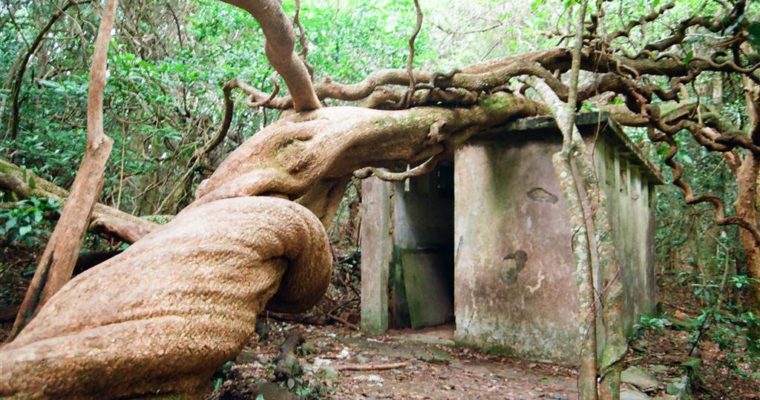
As of June 2023, the giant twines of Mau Ping have been destroyed (not completely) by a vicious person, who chopped down parts of the old trees. The twines suffered significant damage. Some experts have assessed that the damage is too great for the twines …
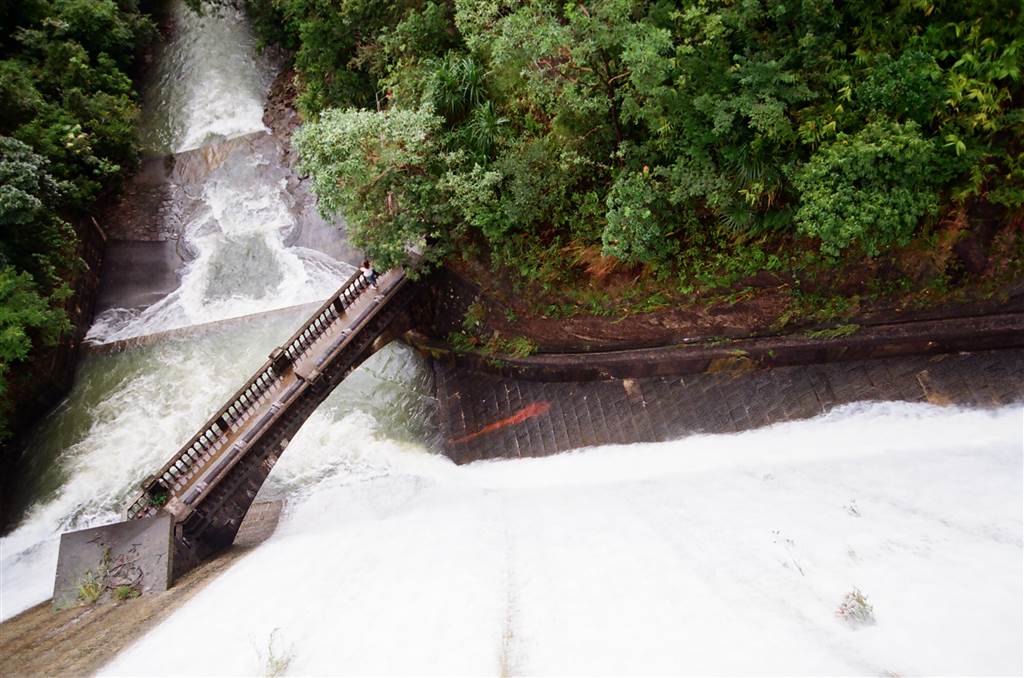
After visiting the Police Museum, we decided to take a walk in the neighboring Aberdeen Reservoir. The entrance to the trail is right next to the Wan Chai Gap Park on the Aberdeen Reservoir Road. Simply walk along, all the way down on the paved road, and you will reach the Upper Aberdeen Reservoir.
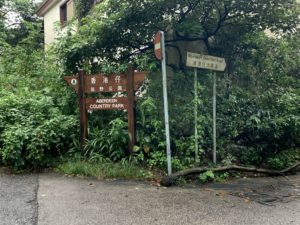
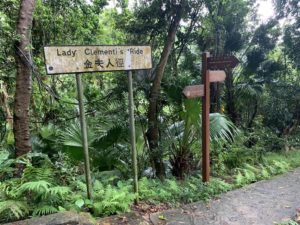
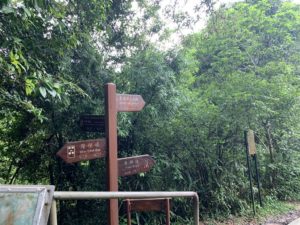
Photos: Signs on the Aberdeen Reservoir Road leading down to the Upper Aberdeen Reservoir
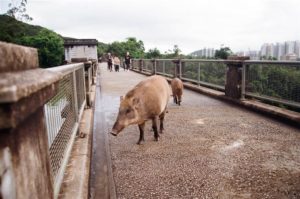
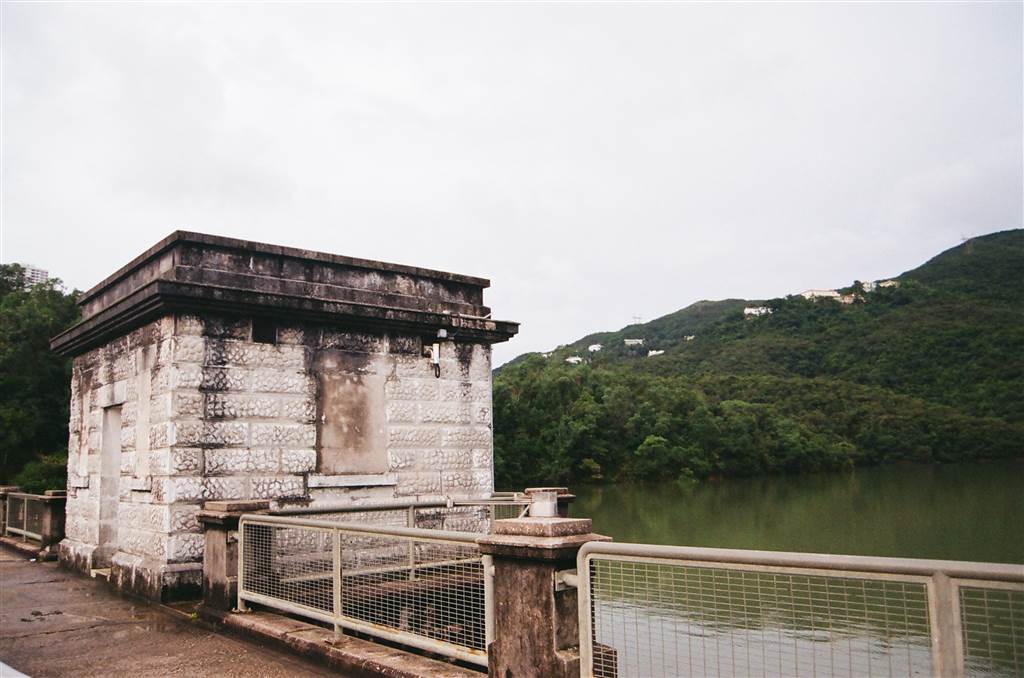
The view there was good. The reservoir is notably smaller than the other ones in Hong Kong, but due to the consistent rain of recent weeks, the water flowed down the slope of the dam in a waterfall fashion. Together with the antique footbridge, the scenery was very special.
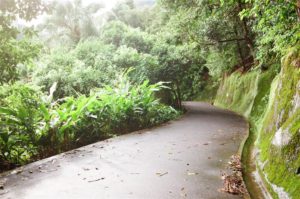
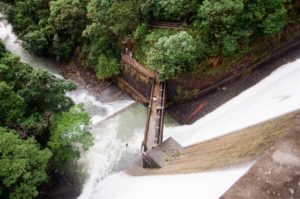
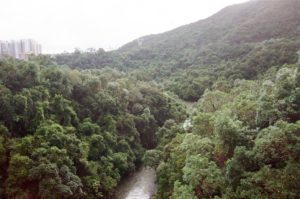
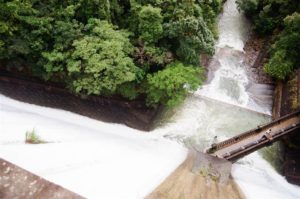
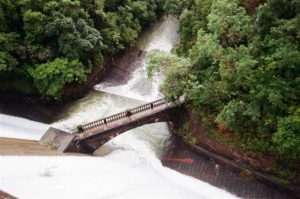
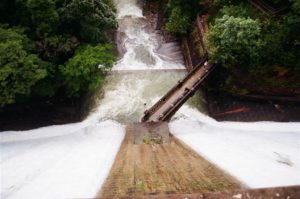
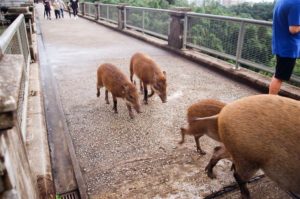
The Aberdeen Reservoir was the last group of reservoir in Hong Kong Island, built in 1931. It was intended to support the water needs of western Hong Kong by augmenting the Pok Fu Lam Reservoir. The Hong Kong Government declared them a monument in 2009.
The trail is an easy walk down to the reservoir area, then back up on the same road in a steady, and sometimes steep incline. It is possible to walk a loop back to the Police Museum, by taking on the fitness trail. But due to the possibility of rain that day, we spent one hour going back and forth on the Aberdeen Reservoir Road only. It was very pleasant nonetheless.
This video shows the rapid flow of the water down the dam:
Source:
The Wikipedia on the Aberdeen Reservoirs.
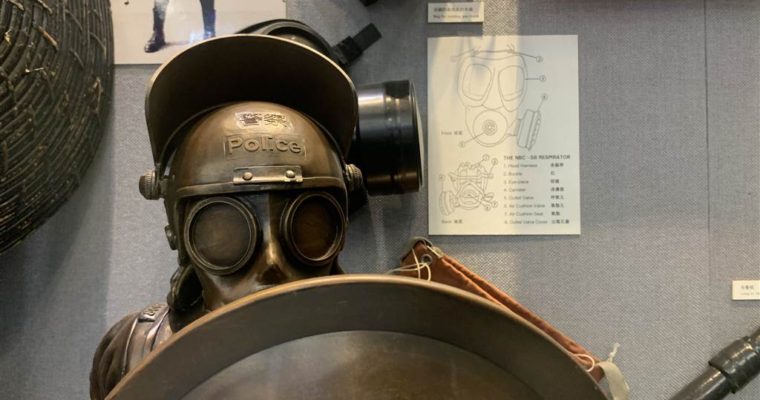
Given the turn of events since last year, the Police Museum is probably not a kind of place that I would like to visit. Who wants to make the effort just to receive more propaganda, as if what we have been getting is not enough? …

The Chinese name of Amah Rock means the “husband-yearning rock.” “Why do you always go to these haunted places?” A good friend said when I told her that I would like to visit the Amah rock. Like so many places in Hong Kong that come …
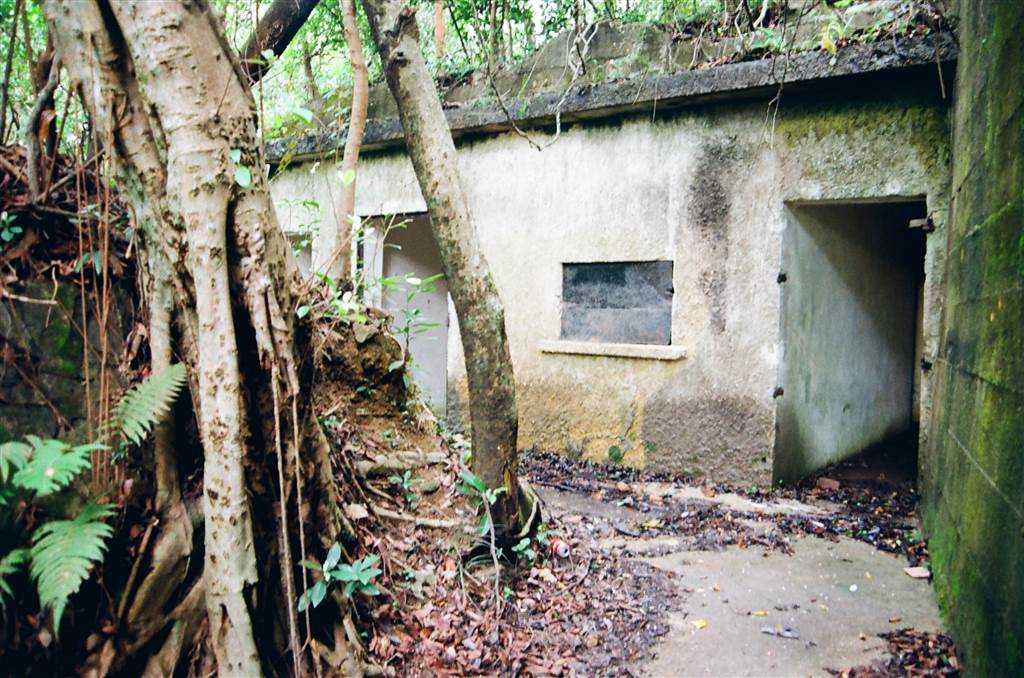
I visited the Mount Davis Battery twice. On the first visit, I went on a sunny day and saw the Mount Davis Battery at mid-hill. I stopped short at seeing the command center on the hilltop. The steep incline was daunting. On my second visit, I went on a rainy day. The visit at the Mount Davis Command Center on the hilltop was the most eerie adventure of all the places I have visited in Hong Kong.
We saw beautiful sea views on western Hong Kong on the Mount Davis Path. The trail is a gradual incline from the ground level for thirty to forty-five minutes up to the top. On a sunny summer day it can be a bit strenuous. There is a shortcut, but the steps are quite rigorous, so on both times we avoided the steps and only took on the paved road.
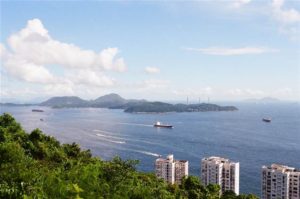
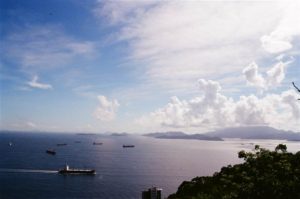
In the early 1900s when it was built, the Mount Davis Battery was envisioned to be a major defense for western Hong Kong. The entry into Victoria Harbour from the west is as wide as 3,600 yard. As compared to the entry on the East via Lei Yue Mun, which is only 500 yards, the wide entry point on the west clearly presented the need for significant fortifications.
As such, the Mount Davis Battery has, at one point, had the capability of hosting five cannons. Out of these five, four could aim at all strategic points on the sea entry on the west. The gun emplacements completed in 1912. The hilltop fortification served as the command center for the defense of western Hong Kong Island, consisting of gun emplacements, the Western Fire Command, ammunition storage, barracks and concealed structures.
By the mid-1930s, thinking on defense strategy changed. Two of the five 9.2-inch canons at Mount Davis were moved to the Stanley battery in order to reinforce defense at southern Hong Kong Island. Indeed, Stanley would become the “last man standing” in Hong Kong’s anti-Japanese war.
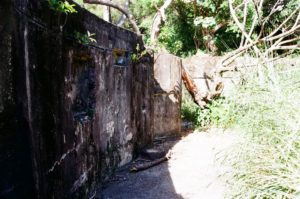
Photos above and below: a Gun Emplacement Mid-Hill at Mount Davis
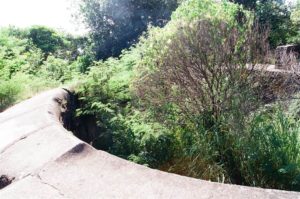

Beginning on December 11th, 1941, the Japanese imperial army launched aerial attacks on the Mount Davis Battery. On December 16th, the Japanese intensified its attacks by calling in its air force in the Philippines and its naval fleets. A total of 62 air bombers focused on the battle at Mount Davis. This has effectively destroyed the command center at Mount Davis. Before the final surrender, the British forces destroyed most of the fortification on site. Since then, the Mount Davis Battery has remained a historic relic.
“I am not going in there, too many mosquitoes already,” my friend stopped at the entrance of the command center. With that I went into the fortifications on my own.
The eeriness was apparent. Odd sounds seemed to be coming at me everywhere. I swear that each step I took triggered echoes. It felt as if the spirits murmured through the silent passing of time, from deep inside the hollows of the chambers. It is believed that there are mass graves there.
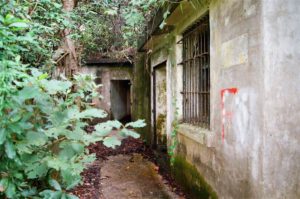
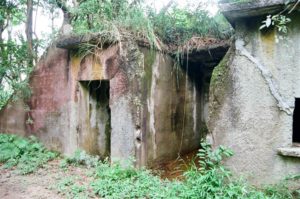
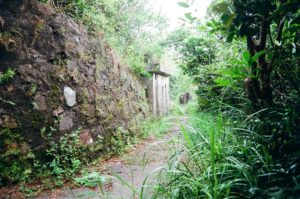
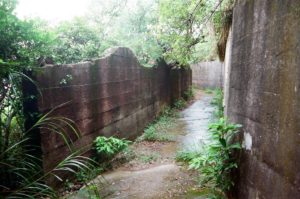
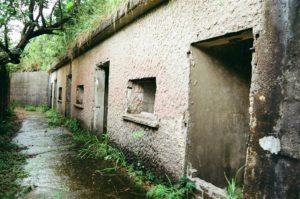
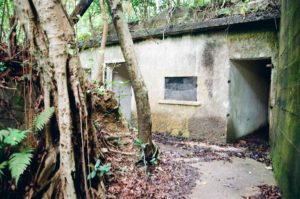
After a brief walk-around, I went further uphill and found even more structures in ruins. There was a sign at one site barring tourists from going further. Due to the rain, puddles of water has formed. I would not have been able to pass through anyway. The further I went around, the more eerie it was. Overgrown trees hovered over me, their branches seemed to bear the memory of the only war that Hong Kong has seen in its short history.
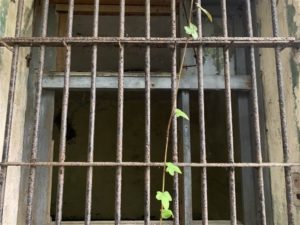
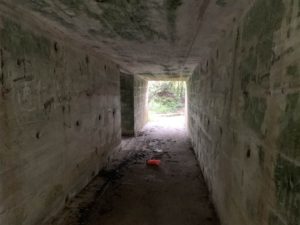
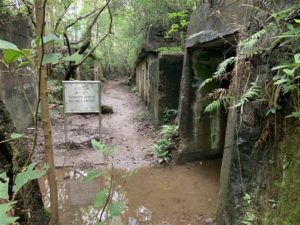
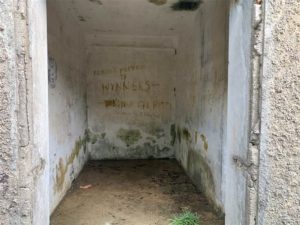
I usually do not believe in ghosts, but I do think that the Mount Davis Battery is haunted — perhaps by the horrors of war.
Sources:
The introduction on site at the Mount Davis Battery
A Guide to Hong Kong’s War Zones, Ko Tim Keung (Chin. 1995) at 73-78, 93-94.
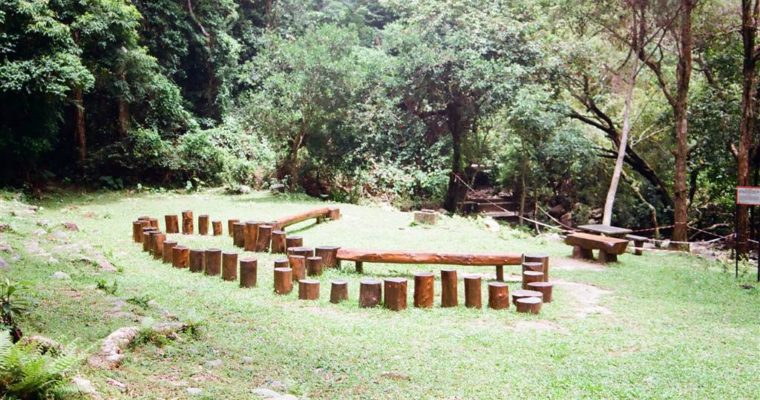
We aimed to do a short 1.5 hour walk from Pineapple Dam, but we asked for the wrong directions and ended up on the Shing Mun Reservoir Walk for three hours instead. But there were many pleasant surprises on the way. As usual, we began …
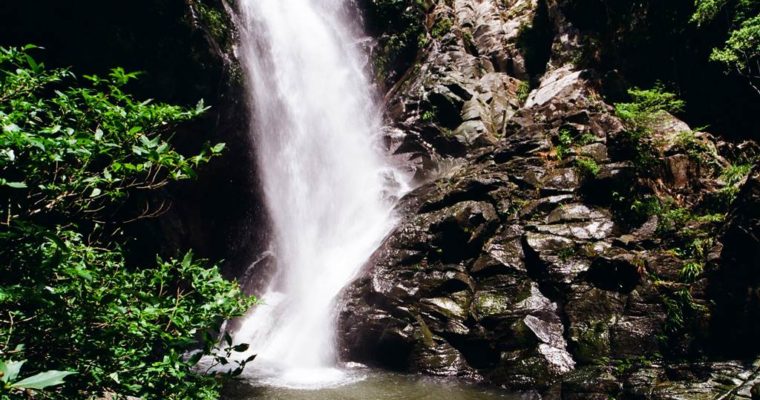
Legend has it that a bride was carried through the pool in a wedding sedan chair on a rainy day. One of the carriers slipped and fell. The whole sedan chair fell into the pool. As a result the bride drowned. To remember this ill-fated …
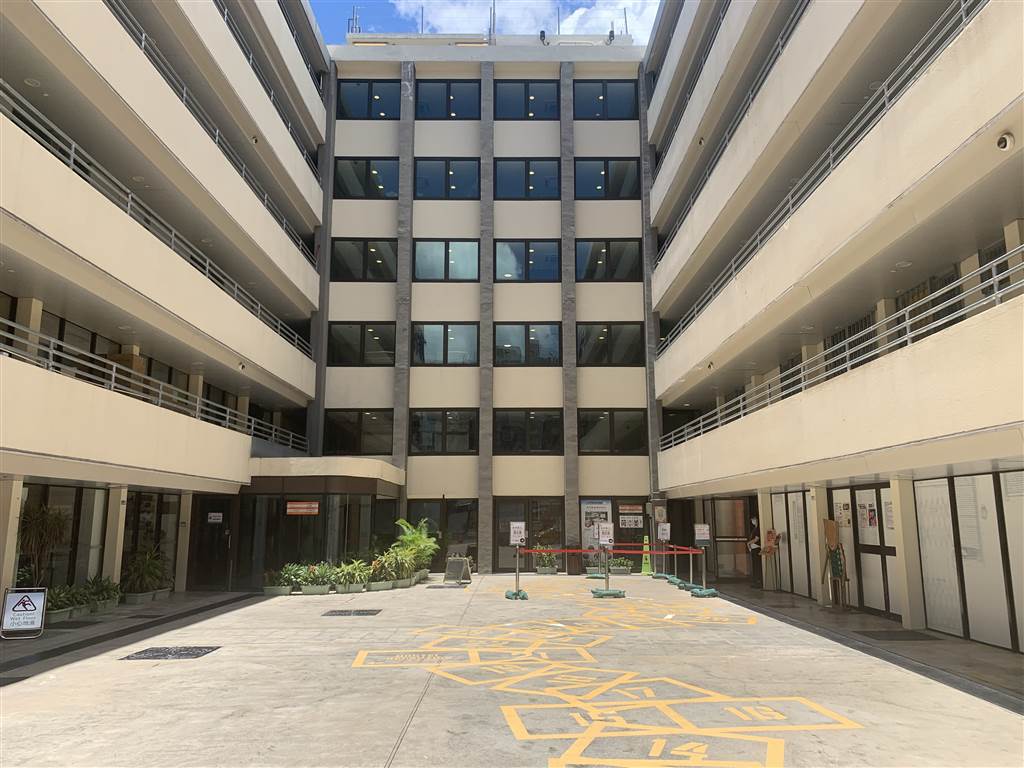
Heritage, history, hiking, and happy dining – we did an all-in-one trip at Mei Ho House in Shek Kip Mei on a sunny afternoon.
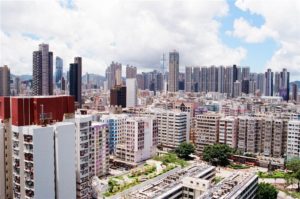
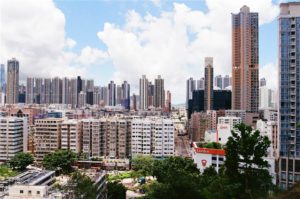
The original intention of the day was to do a simple walk up the stairs behind Mei Ho House for a panoramic view of western Kowloon. We entered the trail right behind Mei Ho House, and climbed up on a set of long stairs. There were around 300 steps. The open view of urban Kowloon was amazing. We watched the busy world go by its business as we clocked in the little exercise we had to do in order to see this view.
When we passed by the back of Mei Ho House, we had a glimpse of its backyard seating area. Although we walked through the neighborhood’s generous offering of food options, we still preferred the ambiance at Mei Ho House. So we sat down at the Mei Ho Café for a humbly-priced but very satisfying lunch.

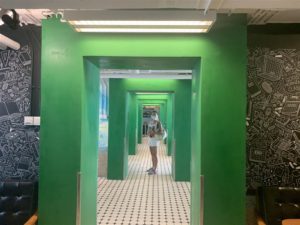
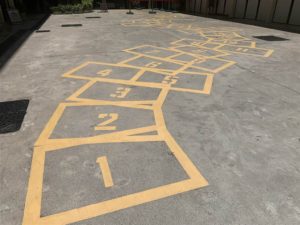
It being the attached dining unit to a youth hostel, the Mei Ho Café is clean and hip. Its décor is somewhat Avant Garde, with different chambers showing distinctive colors, themes and furnishings. It certainly was the work of young designers, we thought. The whole dining experience was self-served, from picking up the food after ordering to busing the table after. I am glad to see that my friend did not feel that she was too old for youth hostel life.
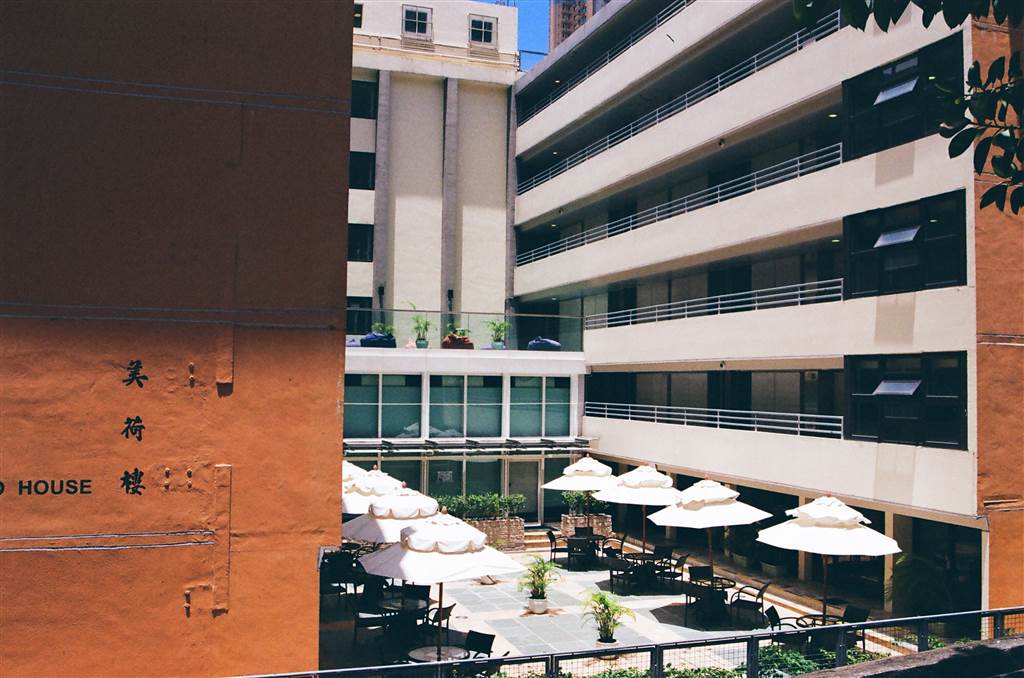
The Mei Ho House was once a public housing estate. In this area of Shek Kip Mei, the early residents lived in the wooden huts of a shanty town during the 1950s, a time when poverty was the norm and survival was the only aspiration. Many of those living in this area were refugees from China’s civil war.
The Christmas day of 1953 brought to the residents of the squatter area an enormous disaster. At around 9:30pm in one home a fire started by an accidental drop of a kerosene lamp. It became uncontrollable within ten minutes. The fire continued and destroyed most of the settlement area well into midnight. More than 53,000 people were on the streets within the short span of a few hours. In 1954, the Colonial Government built Mei Ho House to give home to the tens of thousands of whom the fire rendered homeless.
The Mei Ho House was the resettlement housing that the Hong Kong Government built on the original site of the settlement area. The original resettlement consisted of eight six-storey resettlement blocks (A-H). They were H-shaped structures, which would become the prototype of the earlier public housing projects in Hong Kong. Indeed, the Shek Kip Mei Fire and the resultant government accommodation of residents marked the beginning of the Colonial Government’s general housing policies in Hong Kong. The first projects were public housing estates.
In 2012, Mei Ho House’s Block H stands as the only building that remains on its original site. The Government had plans to revitalize this part of Shek Kip Mei, and Mei Ho House Block H was preserved. It now shines also as the only remaining Mark 1 H-shaped resettlement block in Hong Kong. The Youth Hostels Association now manages the building, providing room and board to visitors as a city hostel. Most importantly, the YHA also oversees the cultural mandate of the revitalized Mei Ho House.
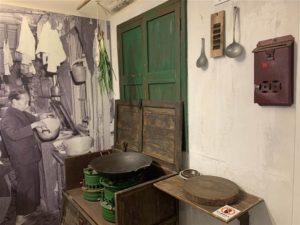
The petite museum in Mei Ho House creates an unusual cultural space that celebrates the heritage of Shek Kip Mei. The exhibits on the ground level shows the experience of the residents of Mei Ho House. As a collection of their memories, the exhibition shows the spirit of perseverance, resilience and community as residents picked up hope again after a disaster. Perhaps the best known person who lived through this period in Shek Kip Mei is John Woo, the famous movie director. He shot his first experimental film in and appeared on stage for the first time in here. Even when he directed his first commercial production The Young Dragons at the age of 26, he was still living in Mei Ho House, Shek Kip Mei.
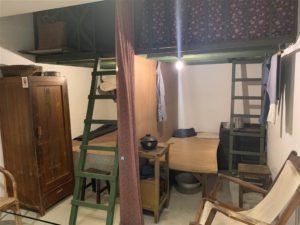
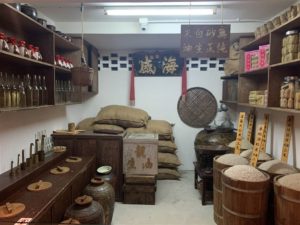
The exhibits upstairs consist of restored scenes of the public housing estate during those times. Rooms showed cramped living spaces. The goods of humble neighborhood grocers brought forth a nostalgia for both me and my friend. “Yeah, I remember these scenes.” And then we marveled at Hong Kong’s stellar rise to prosperity in the following few decades. It sits with a vague sense of discomfort that the life we once knew is now part of a proper exhibition in a museum. “Are we really that old?”
The many available curbside spaces in the area would be very tempting for private car drivers but we did get a ticket. When I do go the next time, I certainly will park at the paid garage.
Sources:
The Heritage of Mei Ho House Museum.
The Youth Hostels Association Website(YHA).

You may have noticed a big white cross on top of the mountain as you drive through Tai Wai into Shatin. The cross is part of the Tao Fong Shan Christian Center on Tao Fong Shan. History In its name, Tao Fong Shan may sound …