This is my second time visiting the Museum of Coastal Defense. My last visit was more than ten years ago. Revisiting this incredibly interesting museum, I found the learning to be even more comprehensive than my last visit.
It is my view that the Museum of Coastal Defense is the only place in Hong Kong where a coherent narrative of the British’s presence in Hong Kong is presented, a narrative approached from the specific angle of the defense of Hong Kong during war times. Surely, in British Hong Kong’s history there was really only one invasion that took place during WWII by the Japanese imperial forces. But the defense of Hong Kong was always a critical matter for the British military, due to the threats of war from other European powers during the 19th century, and the British’s own ambitions in China.
The exhibitions at the Museum of Coastal Defense lay out story of Hong Kong’s military defense in full light, beginning in the early dynastic times before the British takeover. The exhibitions then proceed to tell visitors about the British’s strategic considerations in preparing Hong Kong against the threat of invasion as early as the 19th century, as soon as the British took over the administration of Hong Kong.
The History of the Lyemun Fort and the Subsequent Establishment of the Museum of Coastal Defense
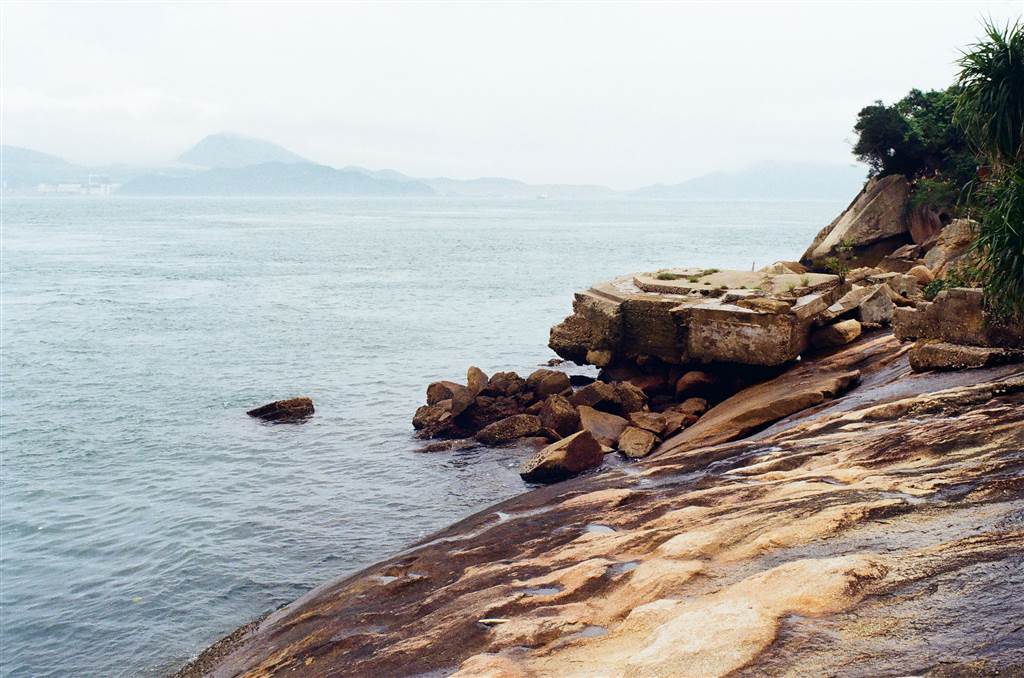
The former site of the Museum of Coastal Defense is the Lyemun Fort. The Lei Yue Mun Channel is a narrow maritime approach to the Victoria Harbour from the east. At the Lyemun Fort, one can see the fortifications at Devil’s Peak. Together these locations on the headlands along the sides of the channel provided strategic defensive advantages as recognized by the British military in the late 19th century. Construction for the Lyemun Fort completed in 1887.
However, the Lyemun Fort lost its significance as a defensive position during the early 20th century, especially when the batteries at Pak Sha Wan, Devil’s Peak and Sai Wan began their service. As a matter of efficacy, the British military determined that the firing range of the defensive positions in Lyemun Fort was too narrow. Therefore, at the time of the Japanese invasion in 1941, the Lyemun Fort was already decommissioned.
After WWII, the British military further determined that the Lyemun Fort was too exposed in the air. Therefore the Lyemun Fort permanently retired from active defensive posture. Instead, it became the venue for the storage of ammunition, as well as military training.
In 2000 the Hong Kong Government turned this site into the Museum of Coastal Defense, and since then it has served the very important purpose of educating the public about the lesser-known history of war and defense in Hong Kong.
A Tour of the Museum of Coastal Defense
A comprehensive tour of the Museum of Coastal Defense should take at least 2-3 hours. Besides the fact that the site is itself very big, there is also the need to go through a few really wonderful exhibition galleries at the former redoubt. There are a whole lot of outdoor displays as well. Please be sure to visit the museum on a non-rainy day. On sunny days, bring a hat, put on sunscreen and have bottled water with you.
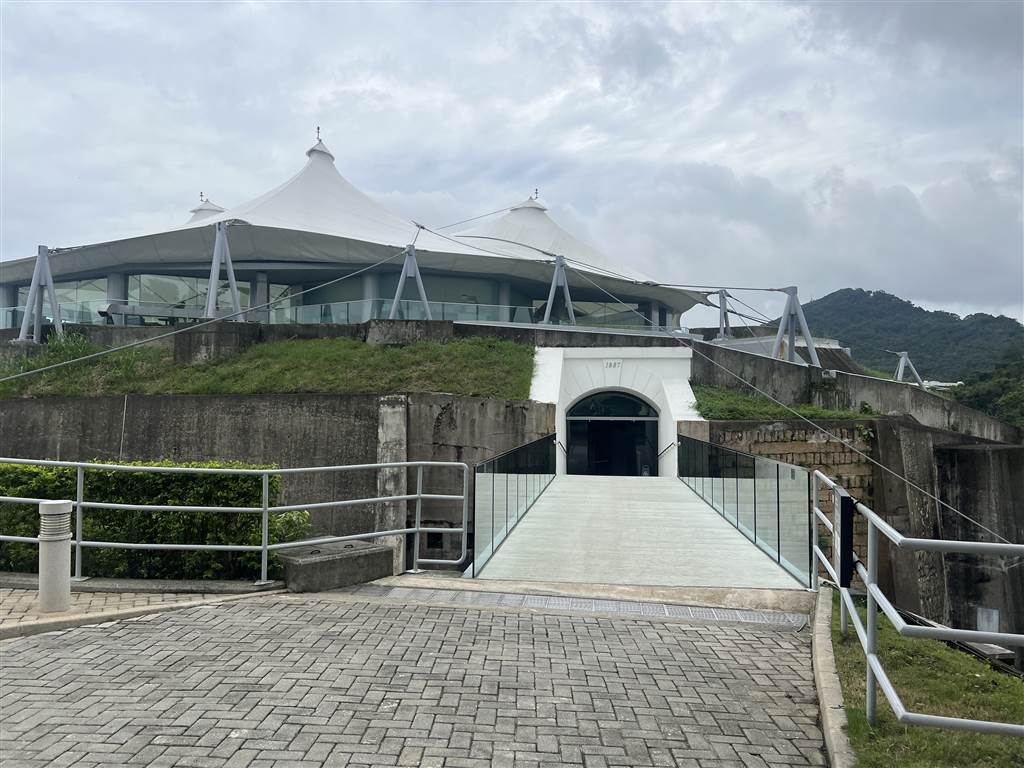
The former Redoubt of the Lyemun Fort hosts the exhibitions in a spacious and air-conditioned place for visitors to enjoy the history learning. The former Redoubt had 14 casemates, which were used as barrack rooms, magazines, engine room, coal storage etc. The soldiers used to assemble in the open courtyard. The Redoubt was reinforced by a defensive ditch (more below).
Some Notable Galleries
There are a total of 11 galleries in the permanent exhibition, detailing the history of Hong Kong’s military defense with wonderful photographs and coherent narratives. I had a great time visiting the main galleries that showcased the strategic measures taken by the British for the defense of Hong Kong during WWII. That certainly was the crux of the exhibitions, and I encourage readers to spend a bit of time to see those galleries. In here I would like to introduce to readers the defense of Hong Kong before the British takeover.
The exhibition is entitled Hong Kong Defence in the Past. Even as early as the Tang Dynasty, Tuen Mun has been a military outpost that protected maritime trade. Over the later dynastic times of the Ming and Qing dynasties, the defense of Hong Kong had the twin purposes of proper national defense as well as the protection of trade against the menace of pirates.
The story of the last emperors of Southern Song dynasty taking refuge in Hong Kong is well known. But besides the stationing of Song troops in the Kowloon City area that protected the last two young (boy) emperors of the Song Dynasty, there were troops guarding the eastern seas of Hong Kong in Fat Tong Mun (Sai Kung) as well, to protect the salt production of that area and in the Lantau Island.
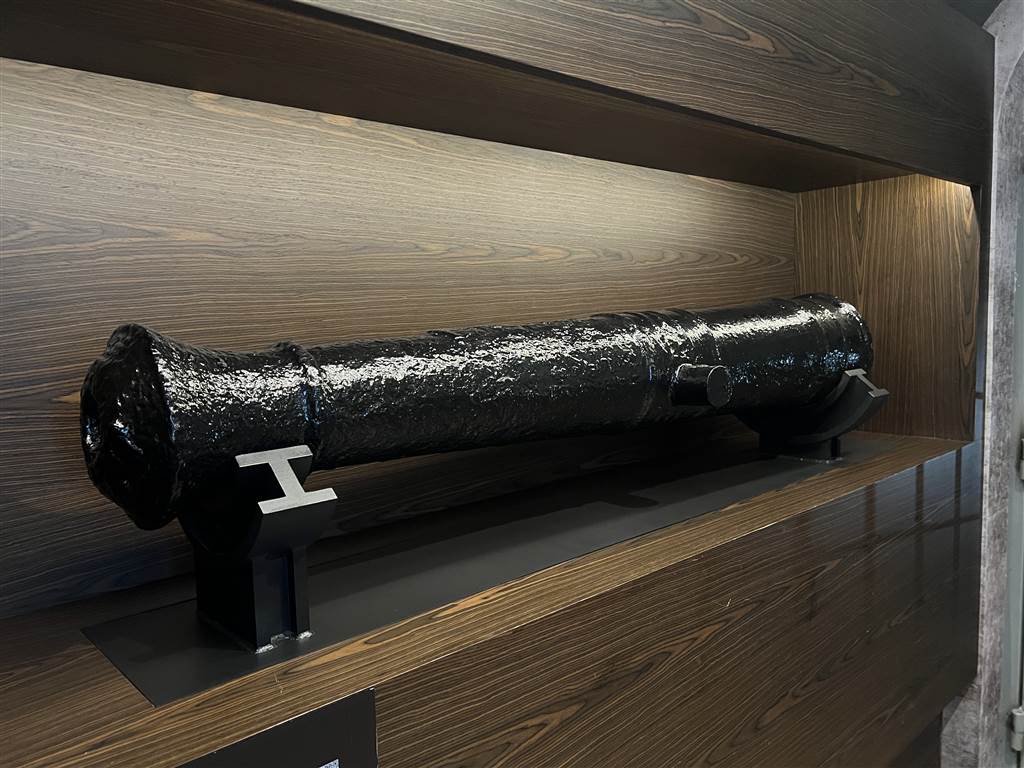
The Lei Yue Mun Gap was once a hotbed for both pirates and resistance fighters of the Ming dynasty, as such the Qing government had long been wary of threat. It was due to the existence of remnant Ming forces in Hong Kong and Taiwan that the imperial edict for coastal evacuation was issued in the 8th year of the Kangxi reign (1699).
On display at this exhibition are some of the historical military artefacts, including the oldest Chinese-cast cannon discovered within Hong Kong, an instrument of the Yongli reign of the Ming dynasty.
This exhibition shows amply the fact that for all of Hong Kong’s history it has had military significance for both the imperial governments of China and the British administration. Although the military significance would not be considered a “defining feature” of Hong Kong, it was always operating in the minds of the governments that saw the strategic value of Hong Kong being the southern opening to China.
Outdoor Exhibitions
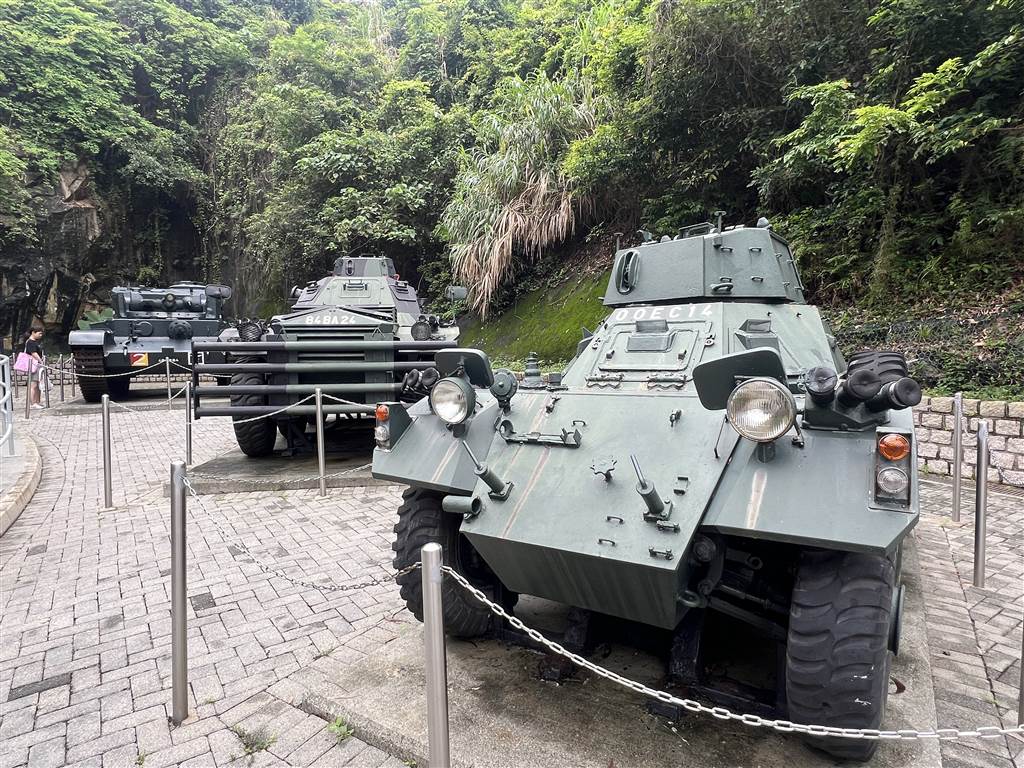
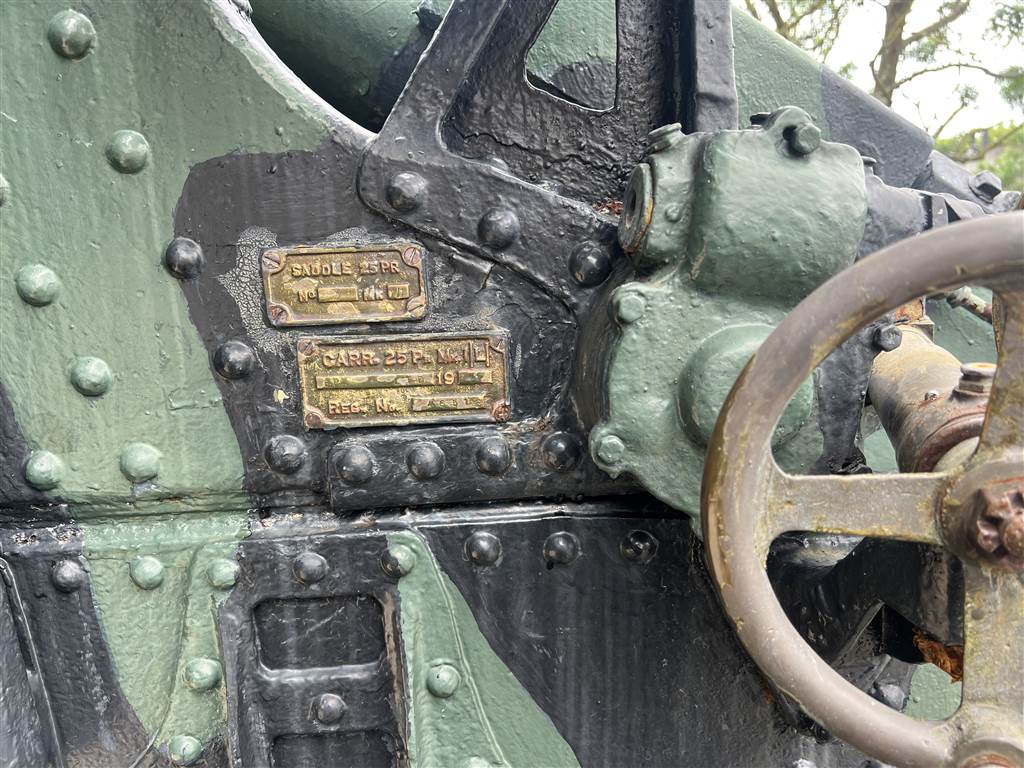
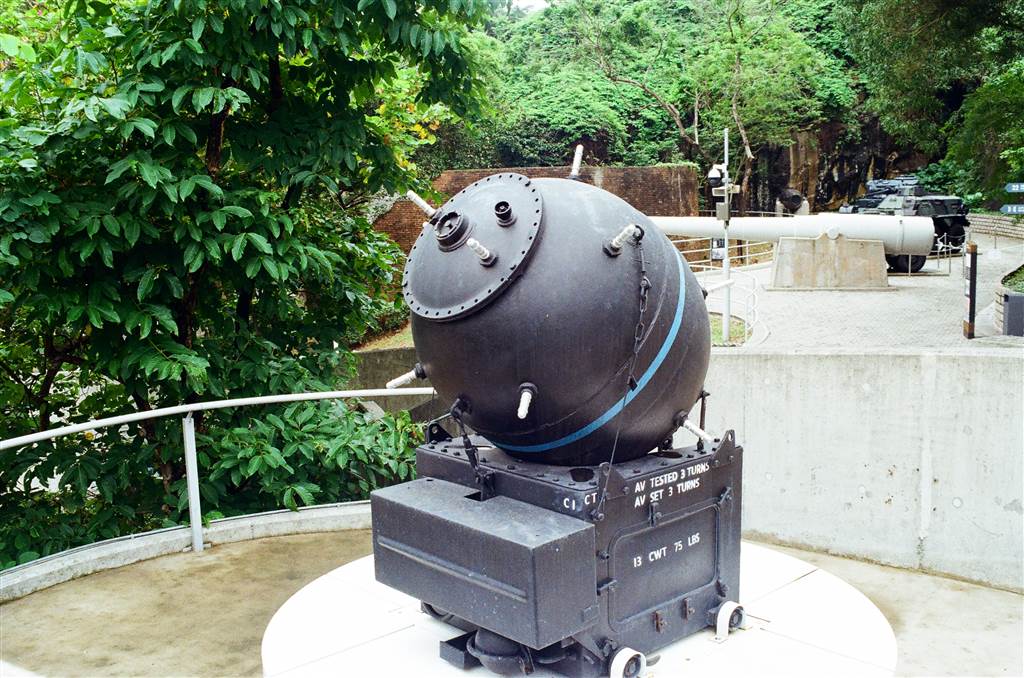
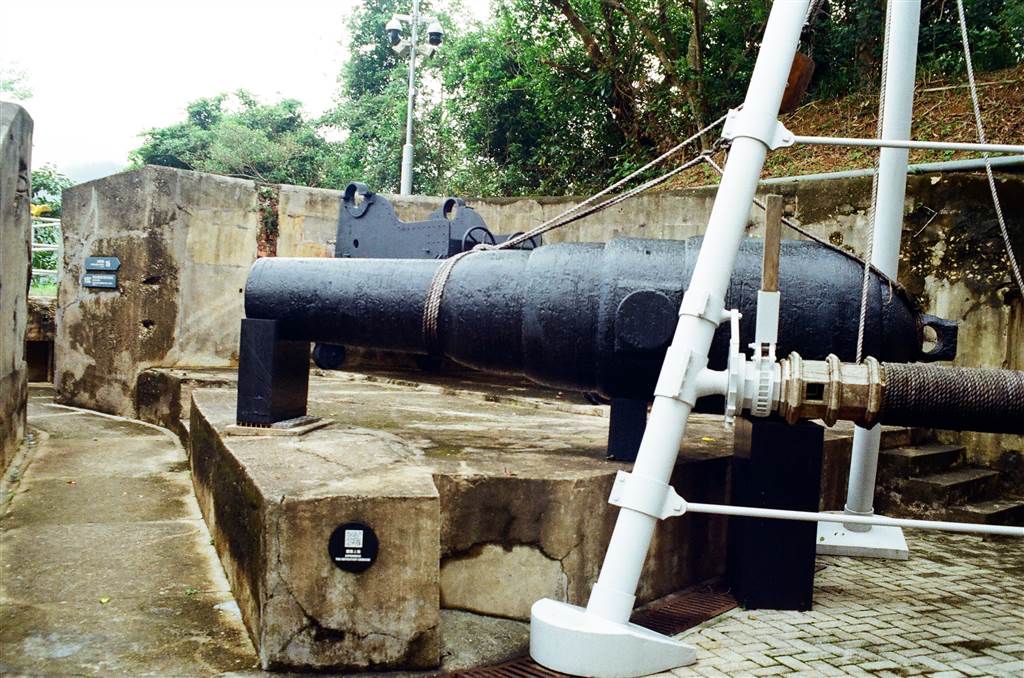
There are plenty of outdoor exhibitions showcasing some retired weaponry and military installations. The Armaments Display Area lies close to the entrance of the museum.
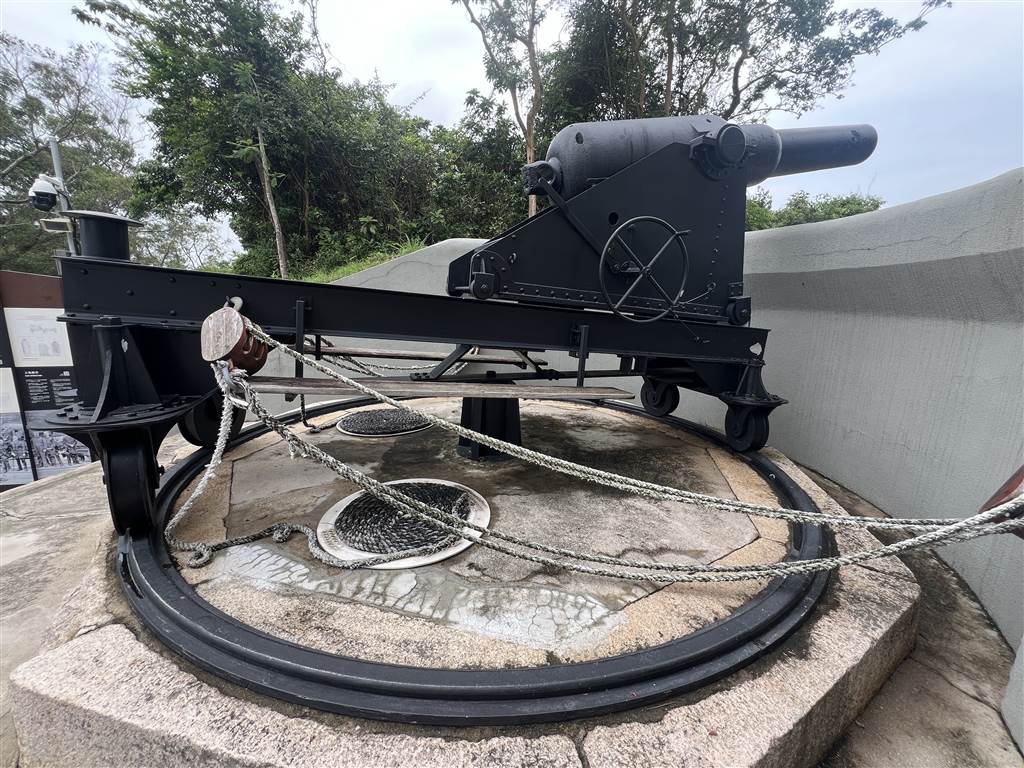
I will go through the ones that I found particularly fascinating.
The Southern Ditch
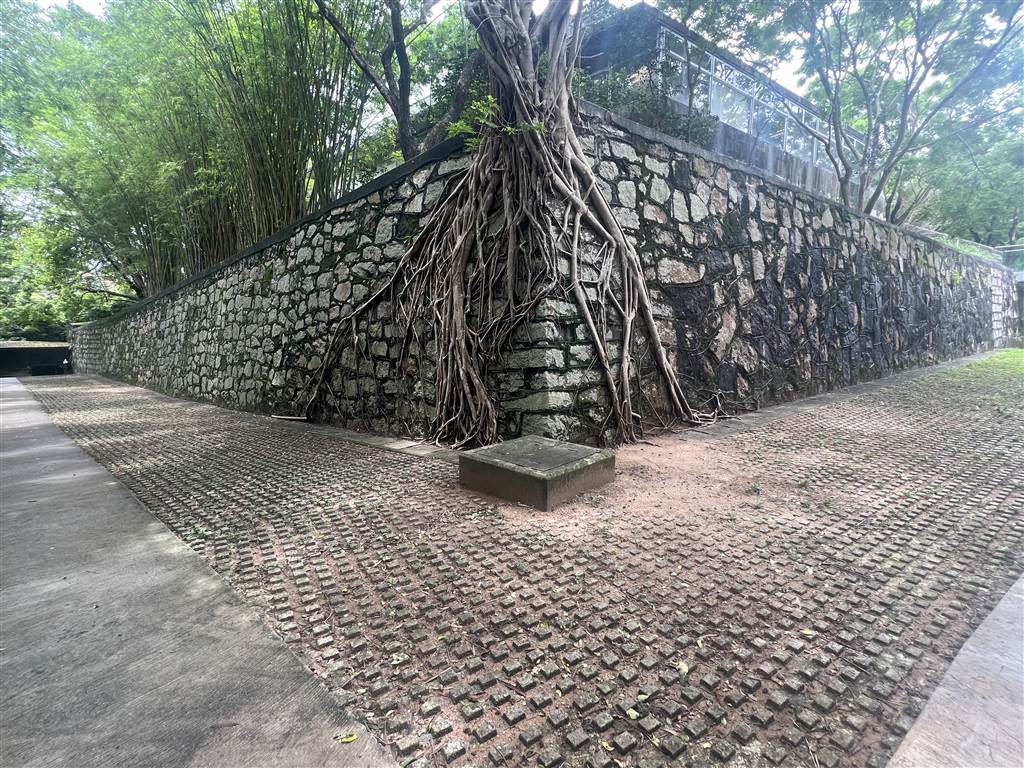
According to the descriptions on site, “a ditch is a channel around a defensive position, designed to form a barrier around caponier to slow down or break up an enemy attack.”
A caponier is a Victorian era military structure, where soldiers are placed in a shelter with gun slits for shooting the intruders. In the South Caponier of Lyemun Redoubt, there were 14 firing slits, an underground passage, a drawbridge and a trough to serve the objective of pushing back potential approaching enemies.
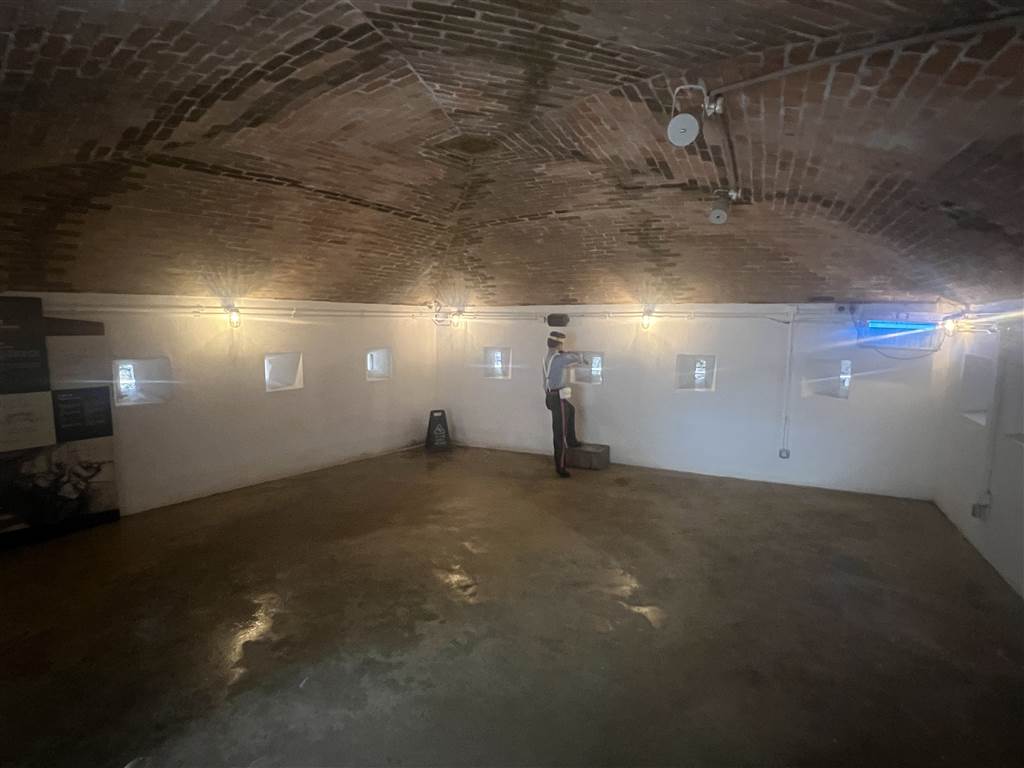
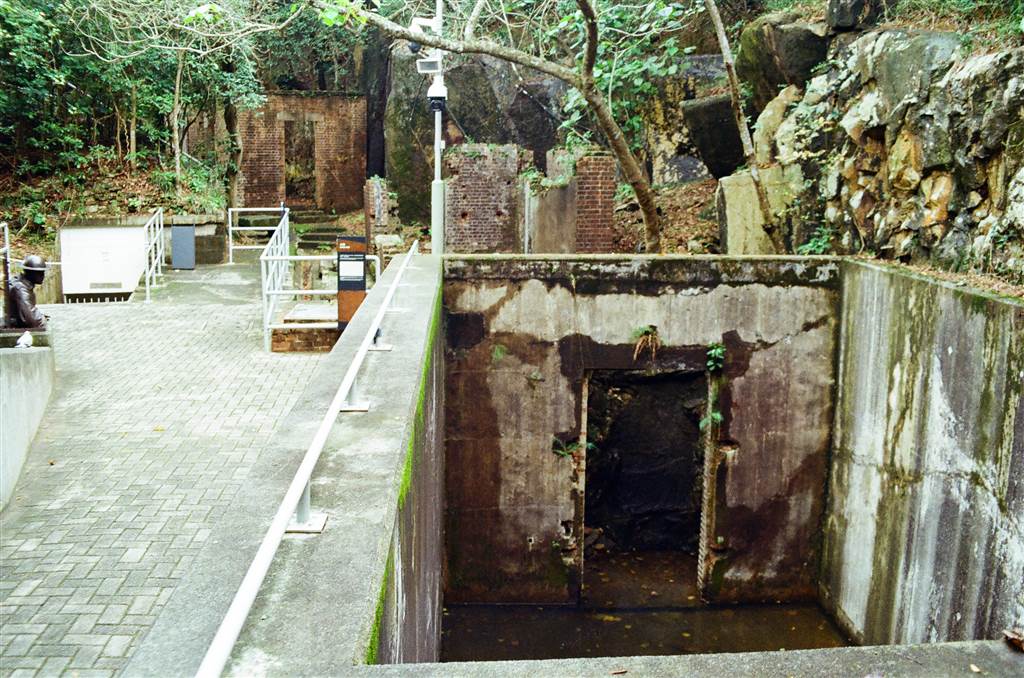
The ditch at the Lyemun Redoubt is a dry ditch, unlike the typical moats that afford protection to more traditional forts. However, with the advance of weaponry technology at the end of the 19th century, the use of ditches, caponiers and ramparts gradually faded out. There was no longer the engagement of tunnel warfare around these types of structures.
The Torpedo Launch
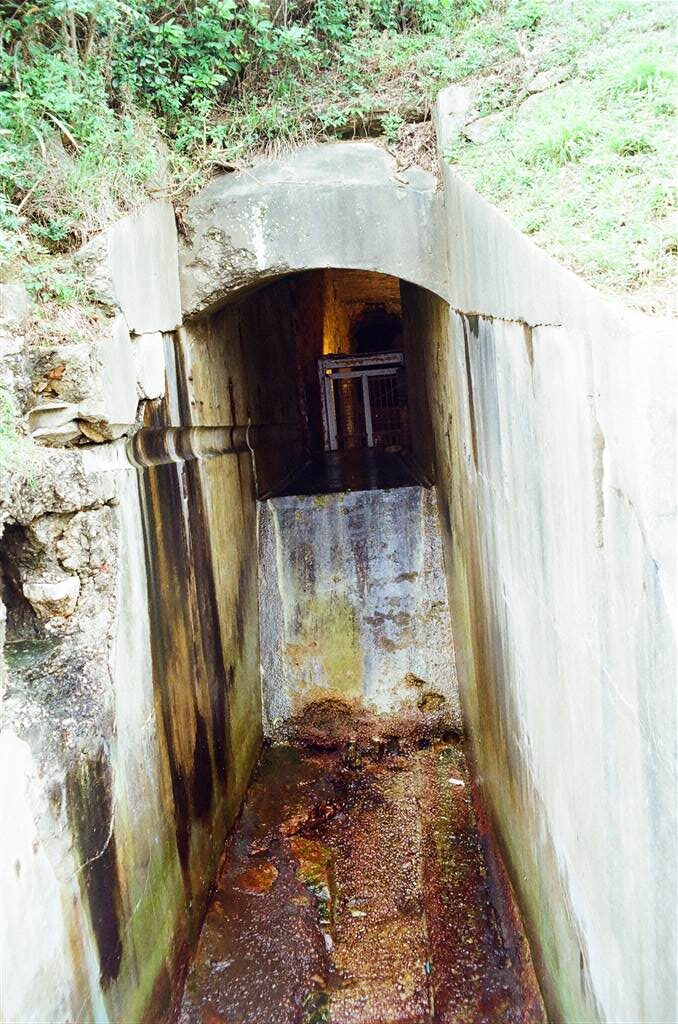
The Brennan Torpedo Station in the Museum of Coastal Defense is likely the only such military facility in all of Hong Kong. This part of the exhibition is both indoors (the torpedo station) and outdoors (the torpedo launch). When you descend the stairs from the uphill part of the museum, you will come across the channel through which the torpedo was meant to launch into the sea. Then a bit father you will find the proper exhibition area showing torpedoes and how this facility was intended to work. I thought this was the most awesome part of the museum.
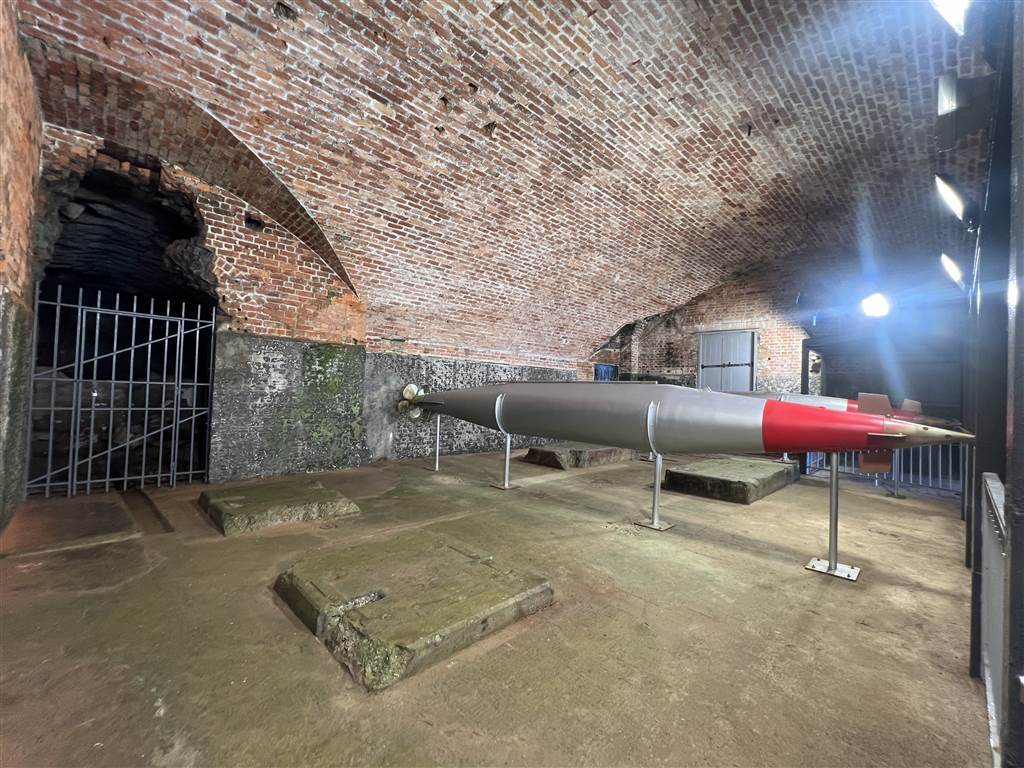
The Brennan Torpedo Station “was commissioned in 1894 to cope with the emerging threat of ironclads.” A whole lot of secrecy existed surrounding the whole project, including the invention, manufacturing and the actual operation of the torpedo. The inventor, Louis Brennan, claimed that the torpedo was steerable.
A Note on Madam Hong Café
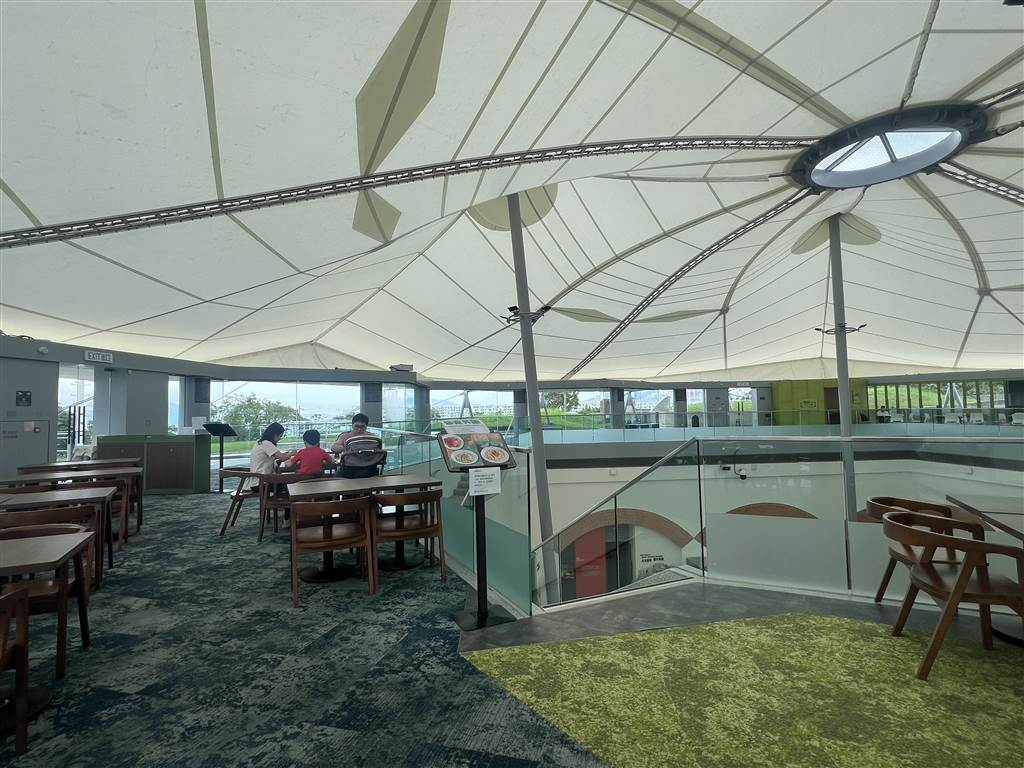
Above the exhibition galleries at the former redoubt, Madam Hong Café serves a full menu with hot foods and coffee and drinks. The venue offers a 90 degree view of the Lei Yue Mun Pass. It is a perfect illustration of the history learning at the galleries—how the narrowest maritime approach in the Victoria Harbour would be strategically important for incoming invasion.
Although that fact is no longer so relevant to Hong Kong now, the café’s view and comfortable seating area is a perfect way to enjoy the day. I highly recommend stopping by this café, if only for coffee, before heading out to see the outdoor exhibitions in the Museum of Coastal Defense.
For Further Reading
A book that is right on point is recommended by the Museum of Coastal Defence. The author is Dr. Soloman Matthew Bard, Notes on the History of Hong Kong’s Coastal Defence during the British Administration, with Special Reference to Lei Yue Mun (2015). It is available at the Hong Kong Public Library.
How to Get There
The address of the Museum of Coastal Defense is 175 Tung Hei Road, Shau Kei Wan. The closest MTR station is Shau Kei Wan, and the walk from it to the museum takes about 10 minutes.
There is no entrance fee to enter the Museum.
Sources
Descriptions on site at the Museum of Coastal Defence
The Website of the Museum of Coastal Defence.