Blog

Magnificent Guilin — The Karst Peaks-Hugged Two Rivers and Four Lakes

Magnificent Guilin — The Karst Peaks-Hugged Two Rivers and Four Lakes

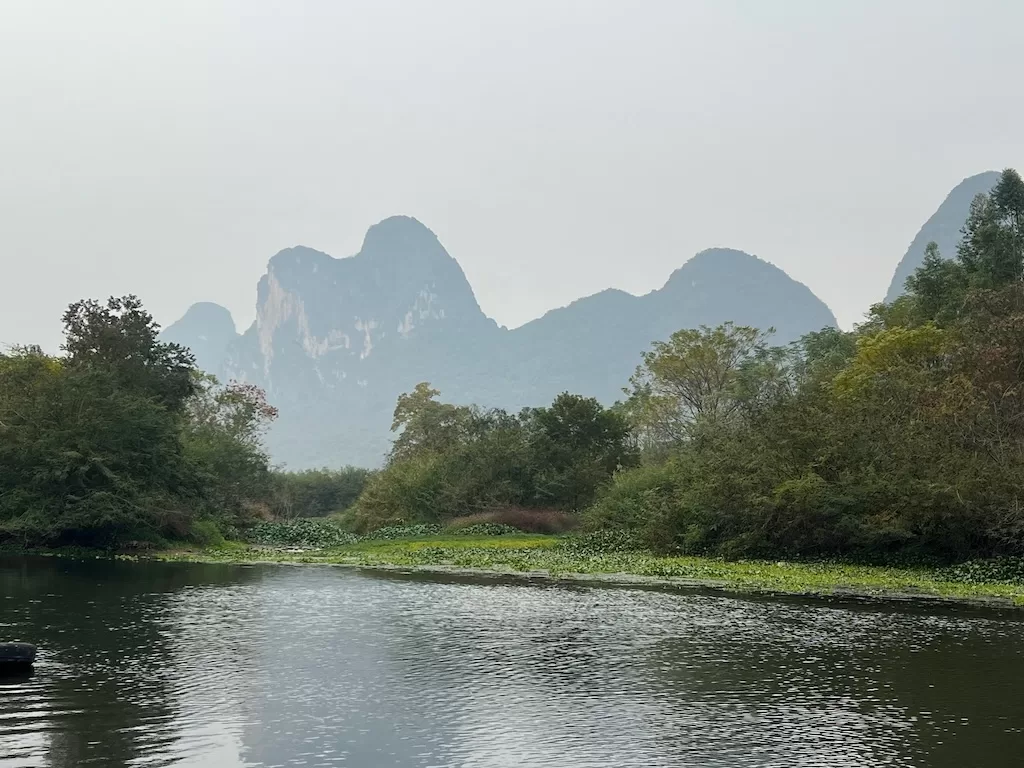
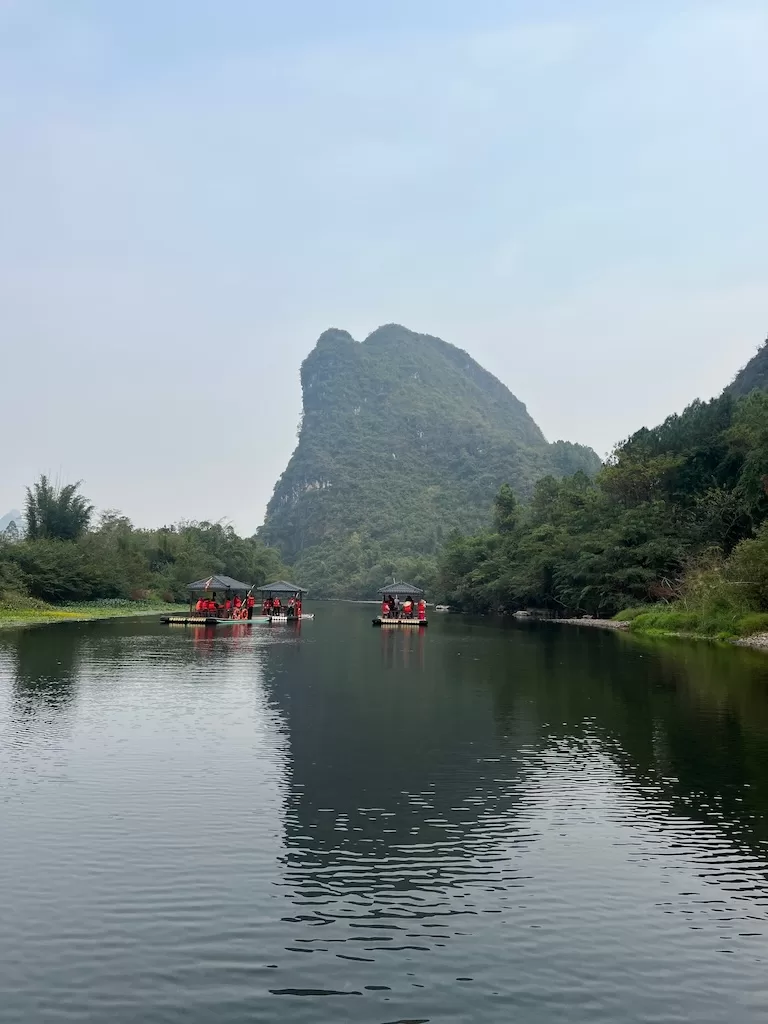
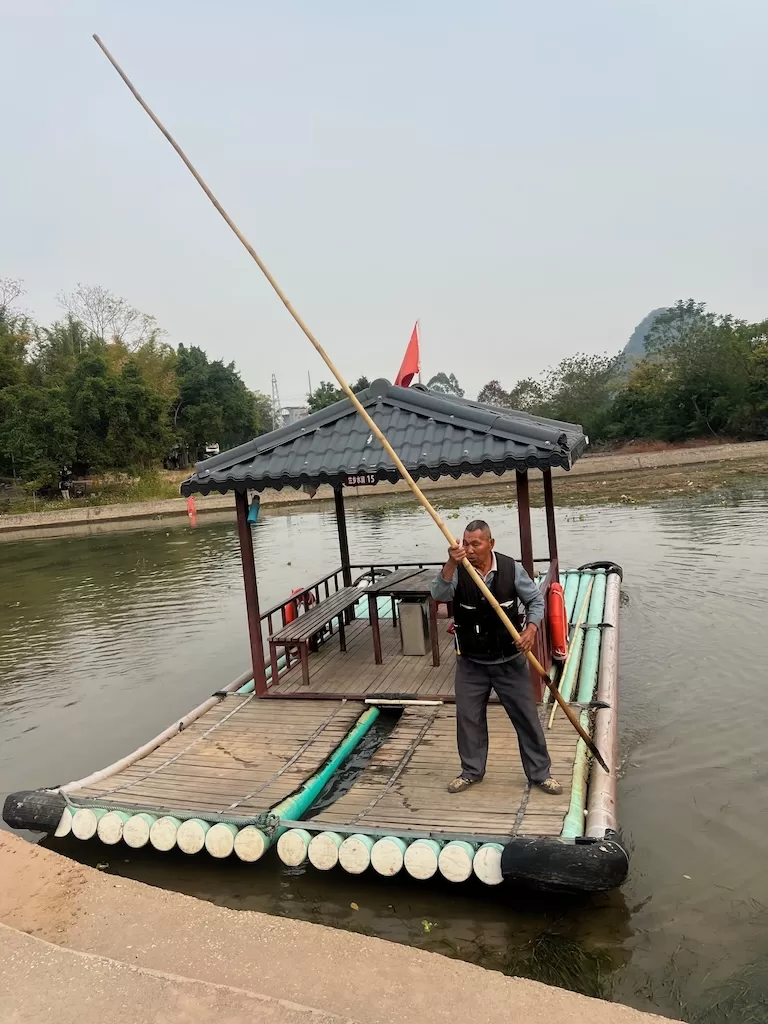
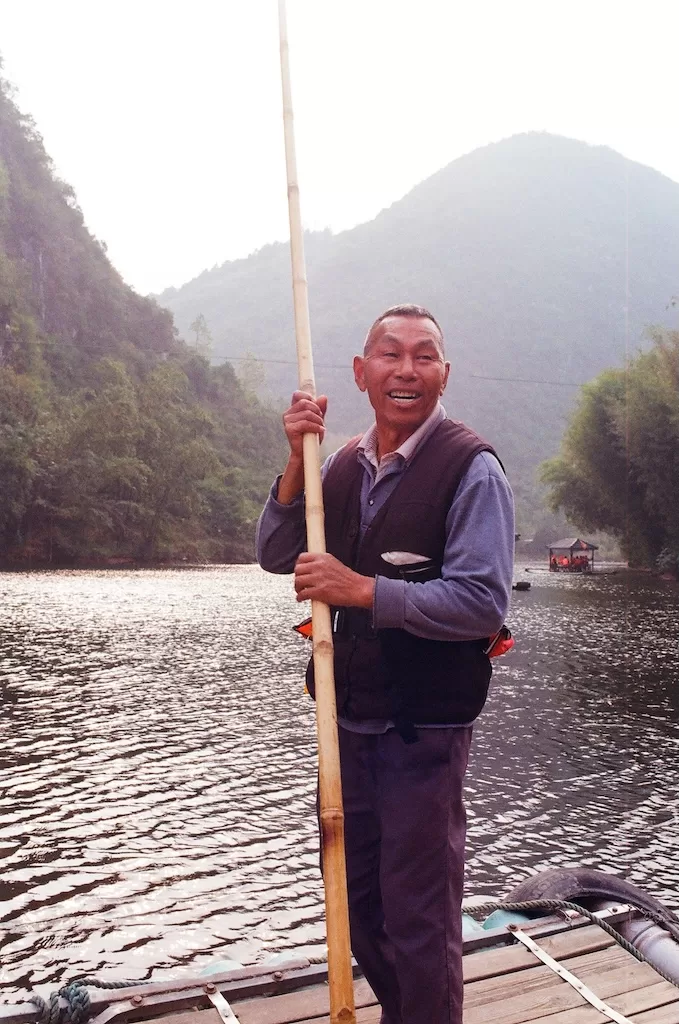
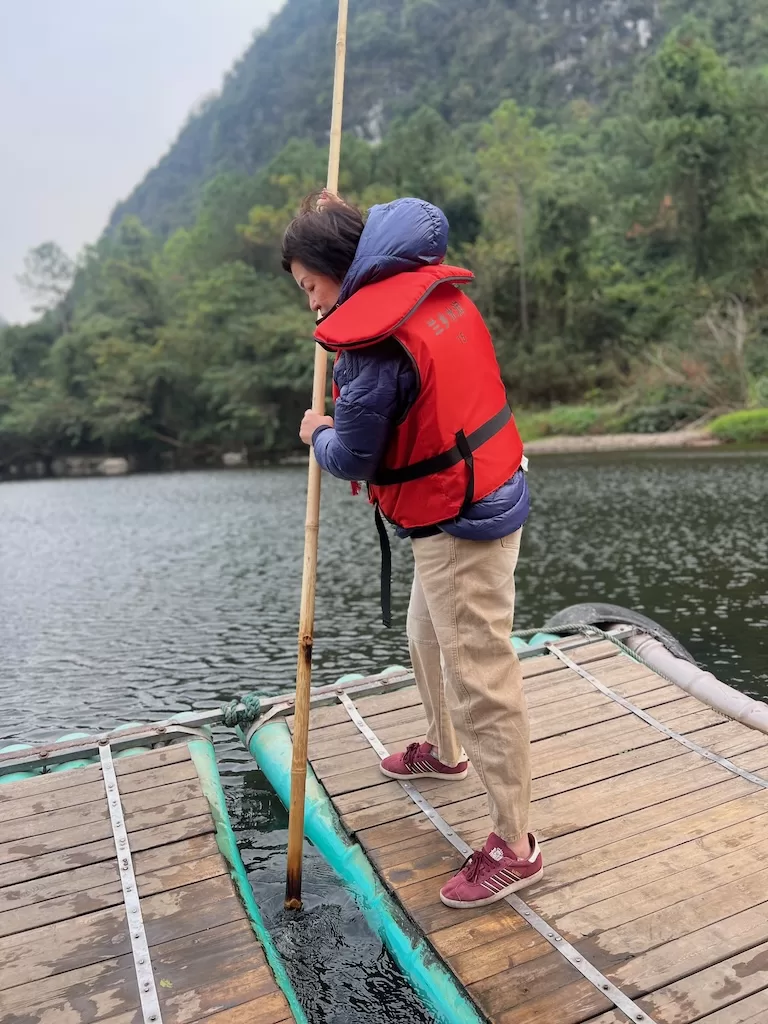
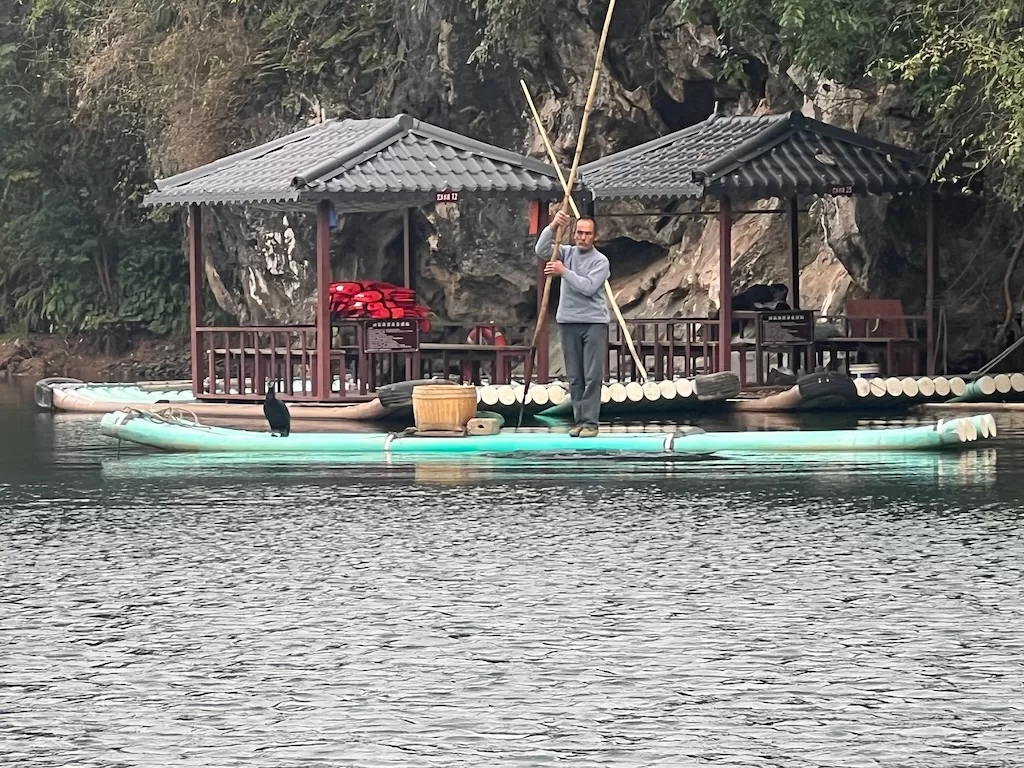
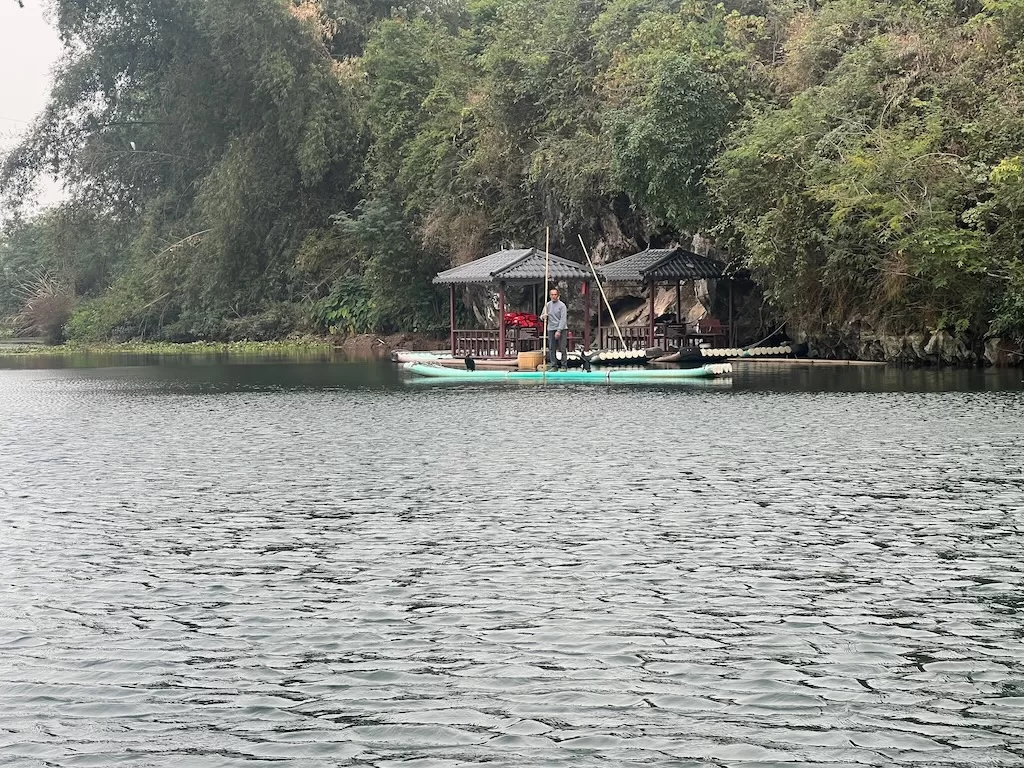
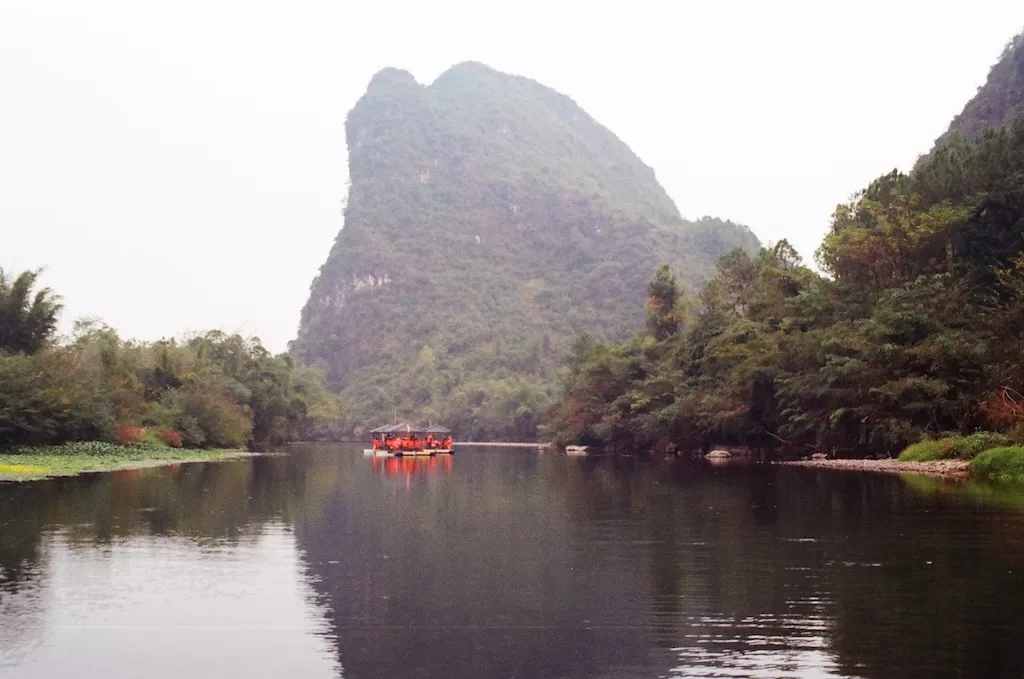
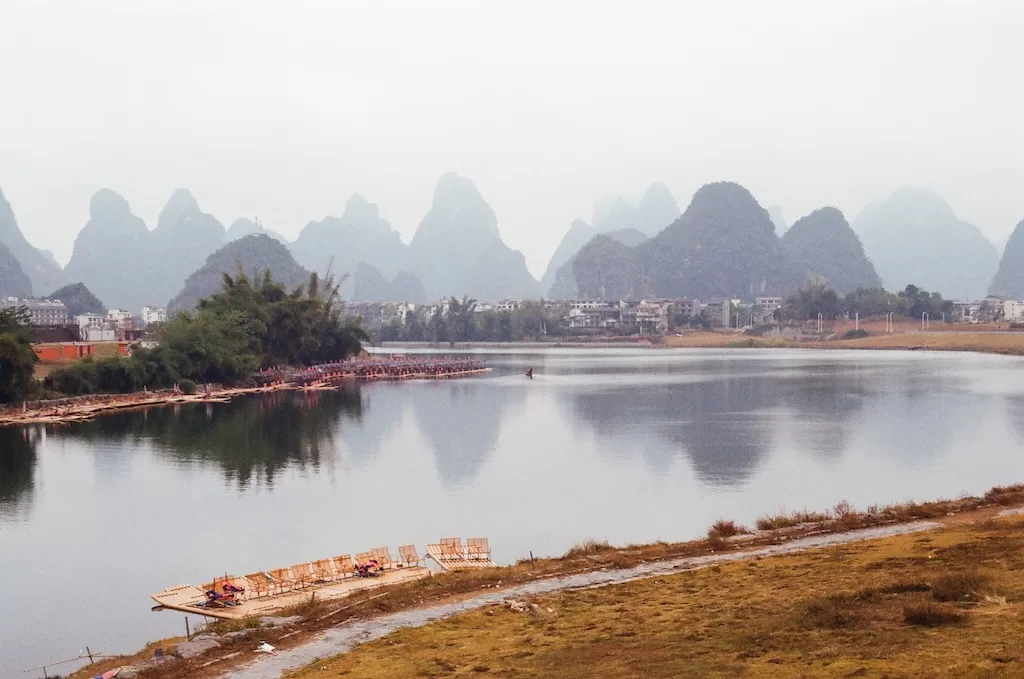
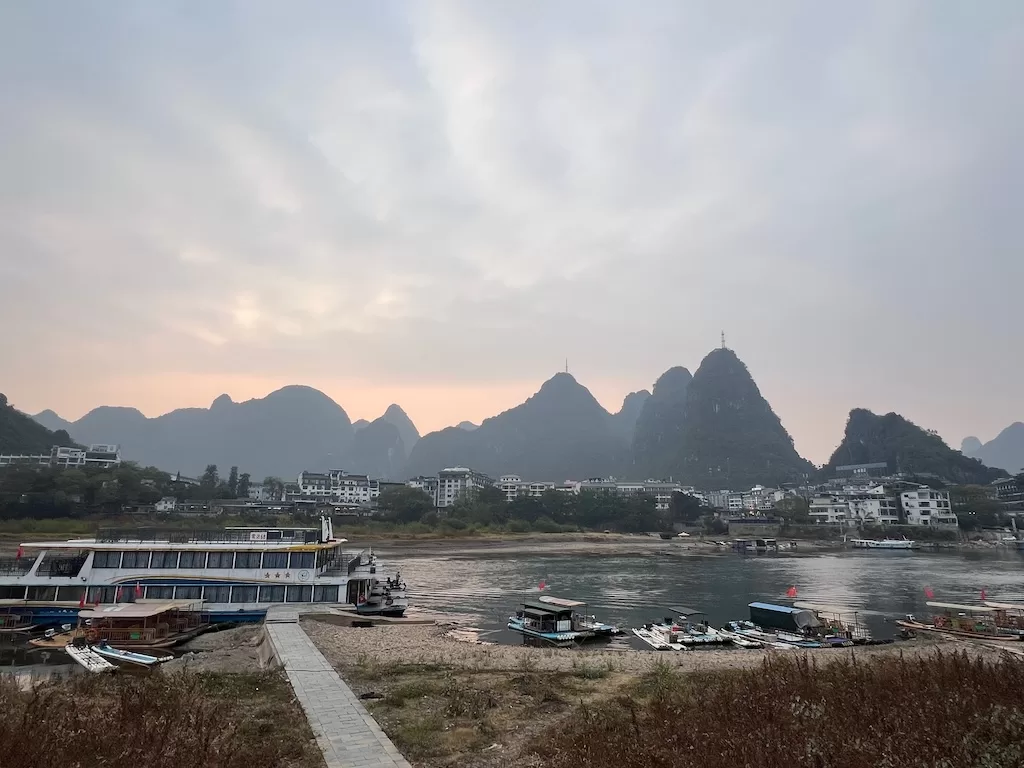
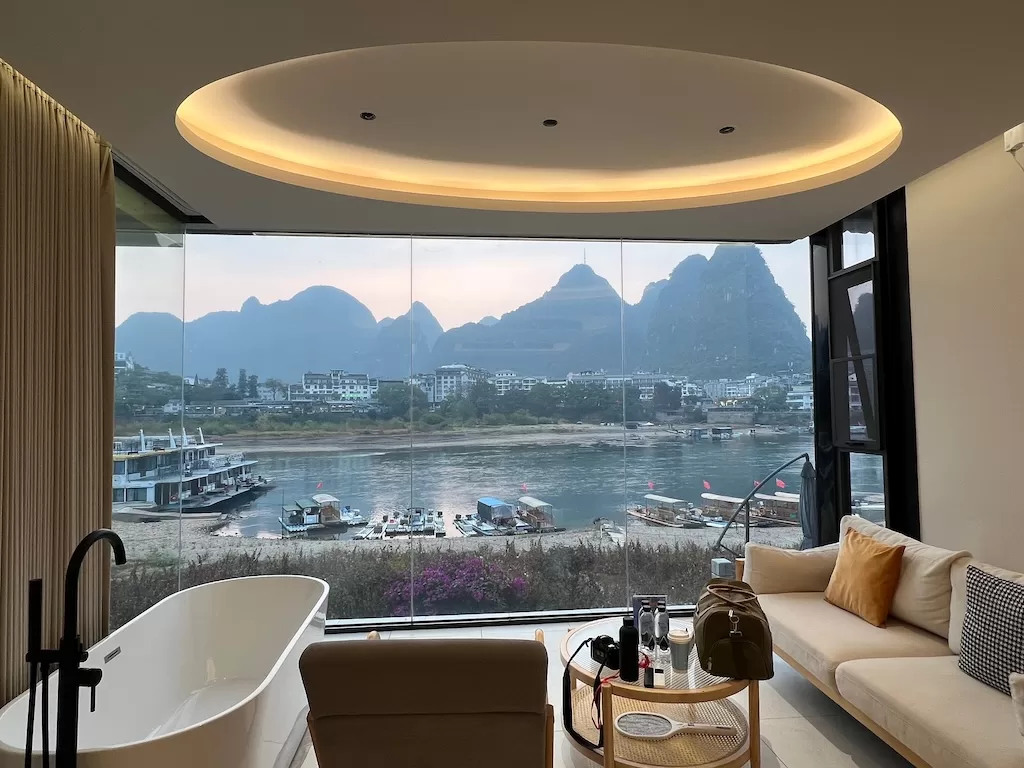
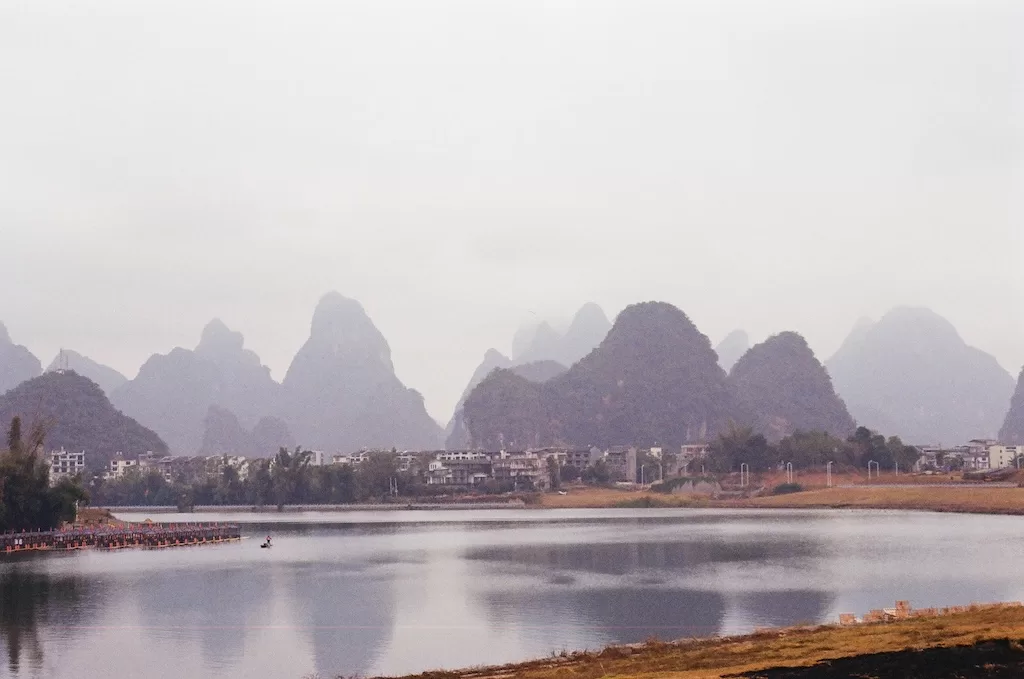
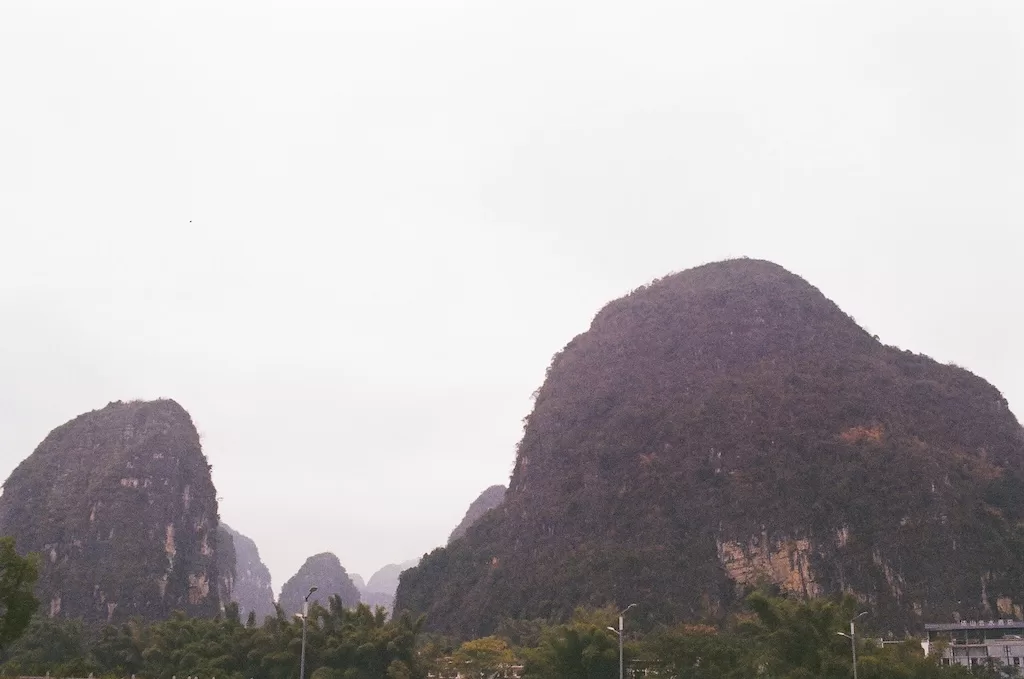
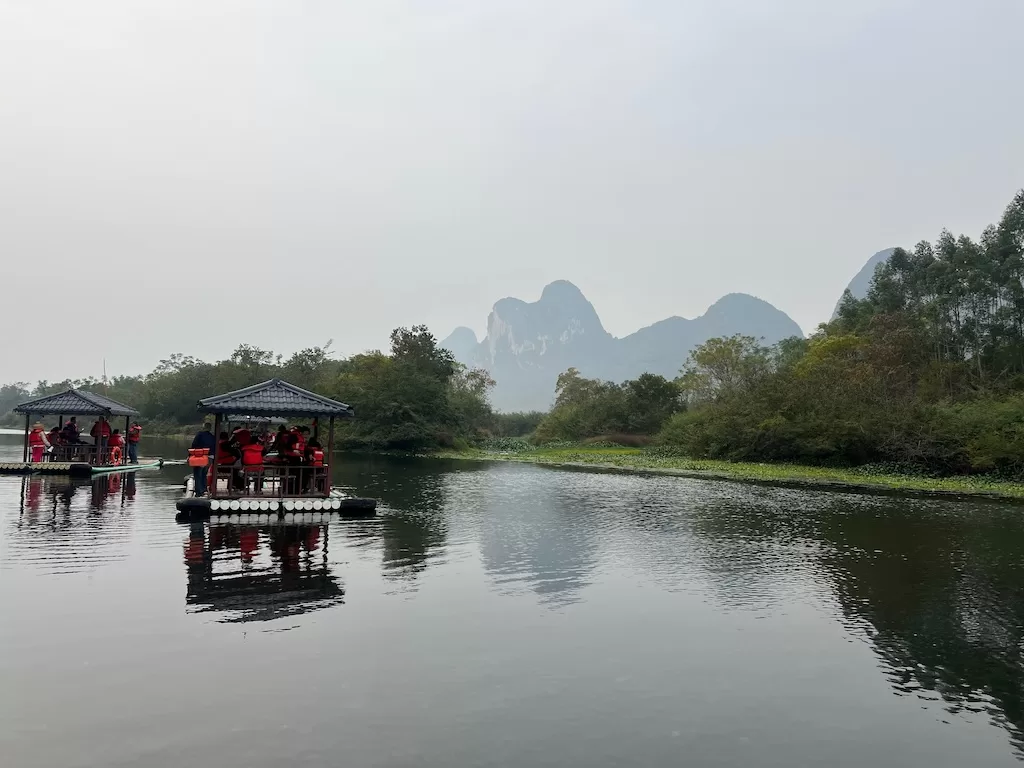
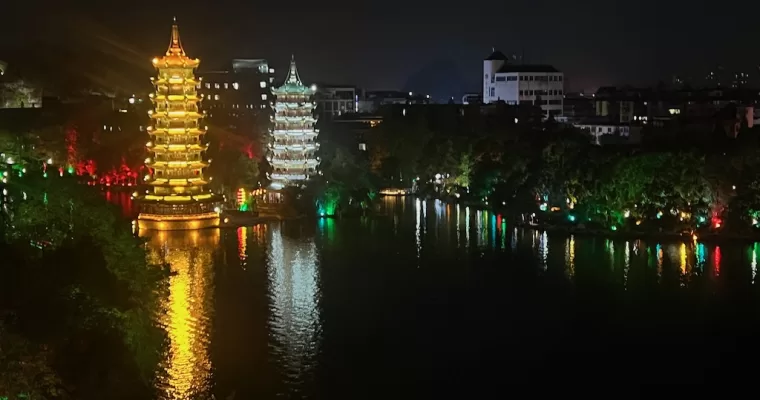
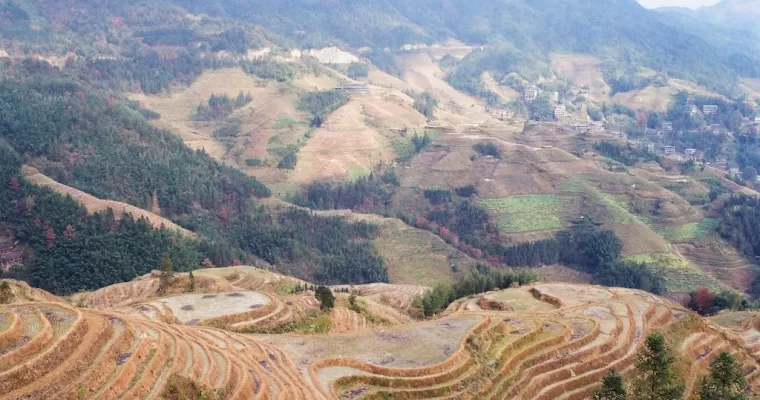
Guilin prides in itself as “the scenery that tops the world,” as the Chinese saying goes. The city offers a few options for tourists that want to enjoy an up-close encounter with Guilin’s unique natural scenery. Situated between the Lijiang River on the east and 

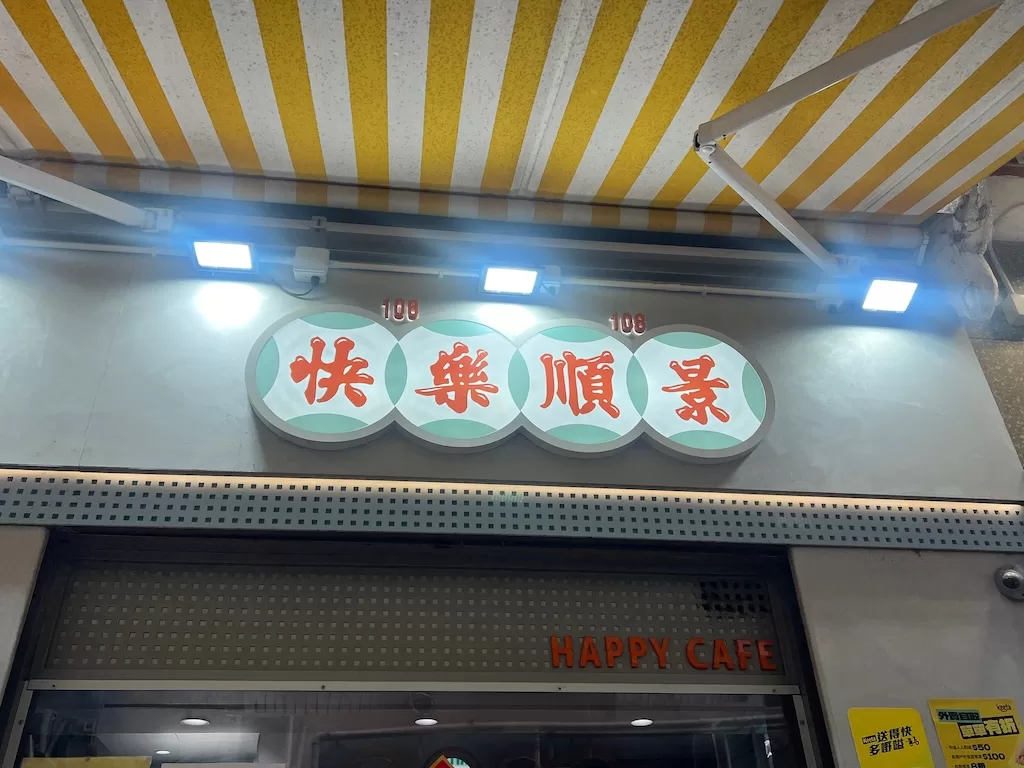
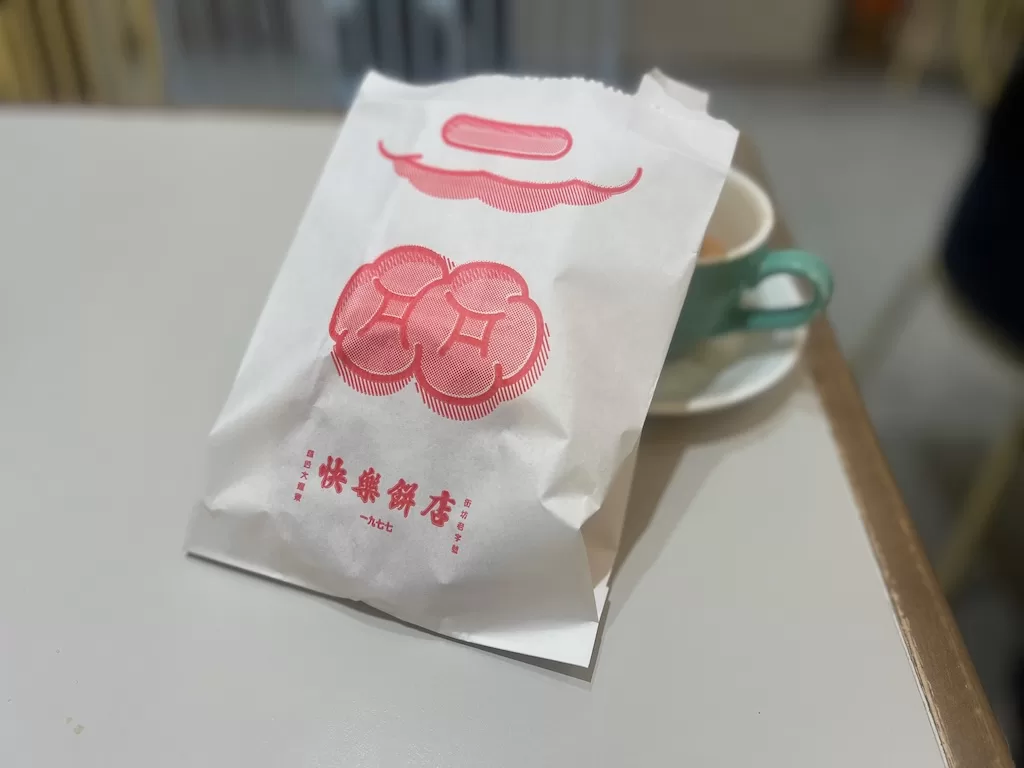
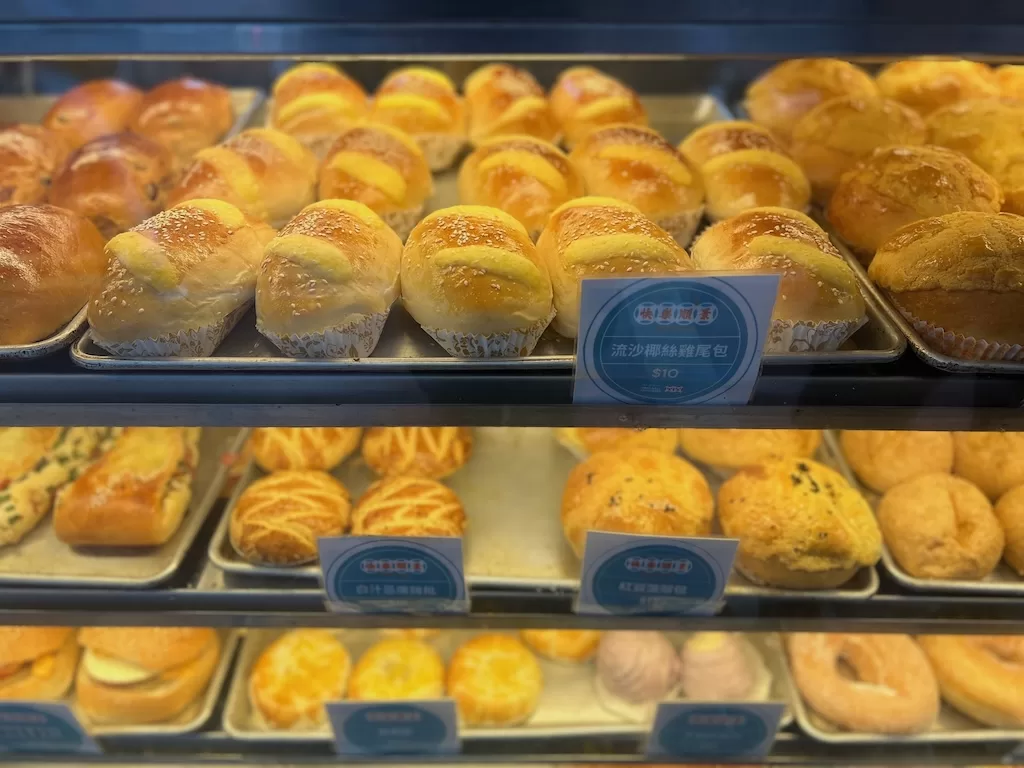
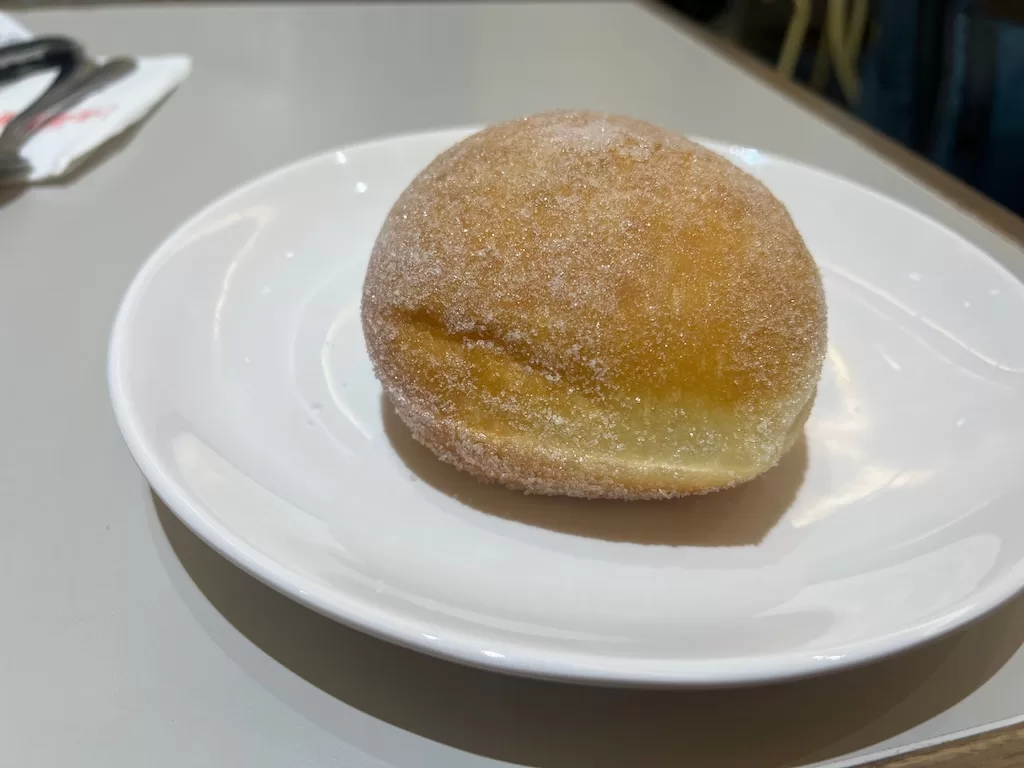
Happy Café

Happy Café

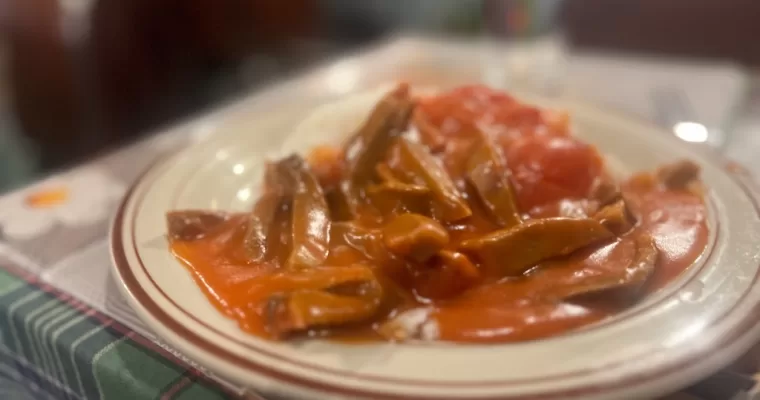
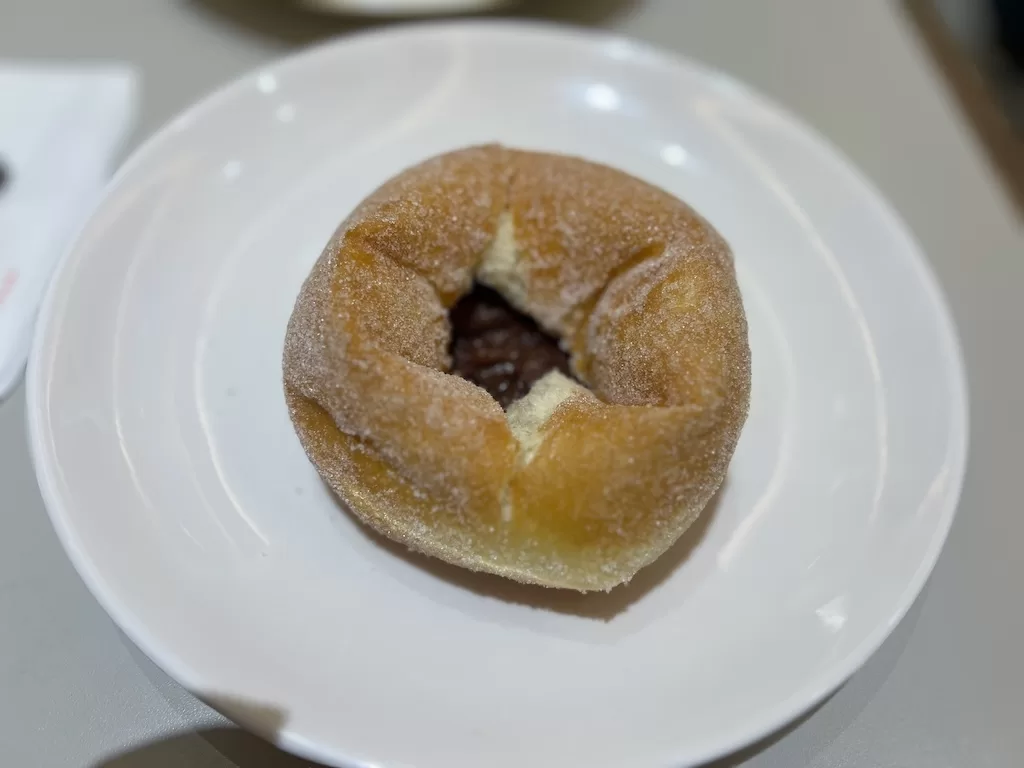
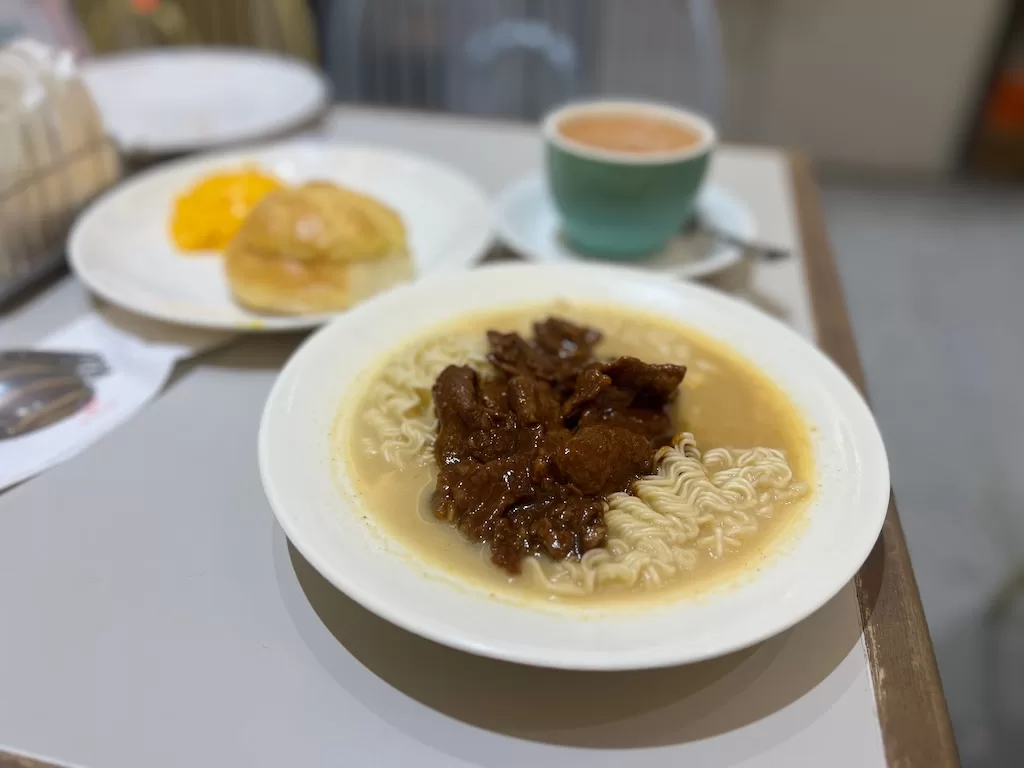
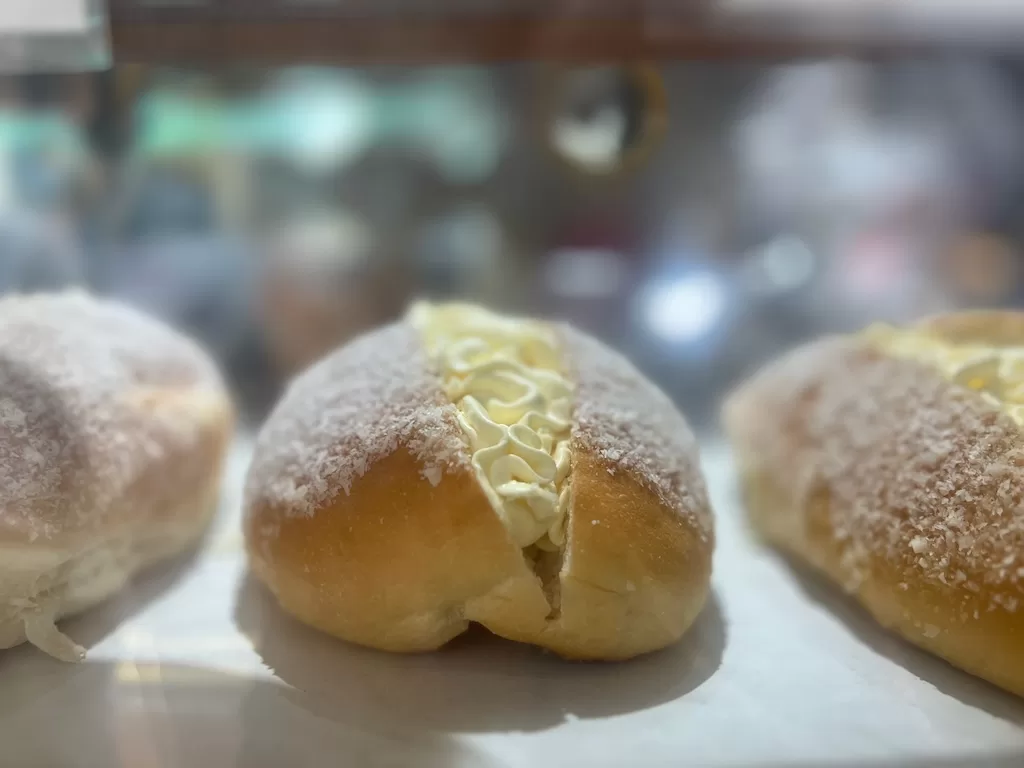
A joint venture of the former Happy Bakery and Shun King Restaurant, Happy Café brought together the best of Hong Kong’s culinary traditions in cha chaan teng meals. Being two in one, Happy Café has doubled down on the idea that 1+1 equals more than 

Magnificent Guilin — The Terraced Fields of Longji

Magnificent Guilin — The Terraced Fields of Longji

The Mountains are the back of a dragon. The fields are the staircase amidst clouds.

Longji, the scenic area that features enormous acreages of terraced rice fields, was the most anticipated part of the trip to Guilin for me. The best-known sceneries of Guilin are the karst peak-hugging, waterfront views at different sections of the Li River. Longji’s terraced rice fields present a nice departure from the core selections of Guilin tourism. But no, it is not, in any way, a path less traveled. Longji is also a hot touristy spot during the high season for traveling in Guilin.

The above-quoted saying is the locals’ expression of awe at the beautiful scenery in Longji. Having visited the Jinkeng Terraced Fields, I must say that the scenery does live up to its good repute.

The History of the Longji Terraced Rice Field

It is said that the terraced rice fields of Longji have had 2,300 years of history. Since the Qin dynasty, the villagers have broken the grounds on the mountain slopes to till rice in these terraced fields. The villagers significantly broadened the scale of terraced rice farming during the Tang and Song dynasties. By the Ming and Qing dynasties, the terraced fields of this area have achieved the scale that we see today.

Our guide Xiaohuang emphasized to me that this wonderful view of the villagers’ farming practice was the result of generations of work, and the historical character of these fields is apparent to any observer.

There are a few large areas of terraced rice fields in Longji for tourists. The Jinkeng Terraced Fields is the largest one, and naturally we went to that one. From the foot of the mountain, we took a cable car for about 15-20 minutes to see the wide aerial views of the fields. Do note that you should began taking photographs on the cable car, as it presents some pretty exciting views already.

As to the other terraced rice fields in the area, the Pingan (meaning “peace”) fields and the Guzhuangzhai fields are tended by the Zhuang ethnic minority. If given the opportunity, I would like to visit those in the future.

The Jinkeng Terraced Fields

Jinkeng, meaning “a golden pit” in Chinese, acquired its name because of its large scale in terraced farming. In harvest times, the panicles of the rice crop spread throughout the mountainous fields. One can imagine that the scene is a sea of goldenness, manifesting the glory of abundance.

The scale of the terraces bespeaks the innovation and insight into the villagers’ difficult survival against nature and limiting circumstances. Yet they have amply surmounted the difficulty of having lost the turf wars and being relegated to the mountainous region.

Mostly situated at an altitude of 800 – 1,500 meters, the terraced rice fields are the only land available for farming for the villages. All along the rolling mountain ridges, from the foot to the top, the terraced fields stack one step further from the other along the meander of the natural contours of the slopes. The highest vertical distance between the top fields and the bottom fields is 800 meters.

Each level of the terrace is about 3-5 feet wide. Because rice is a semi-aquatic crop, the view of the terraced fields during planting season comes with beautiful reflections glimmering under natural light. The mountainous breezes gently stroke the slender stalks of the panicles. You may run into the ethnic minority villagers tending the fields in that time as well.

Sources suggest that there are 450 recorded crops that had been grown in the terraced fields of Longji, besides rice.

A Tour at the Jinkeng Terraced Fields

After getting off the cable car, we spent about an hour’s time snapping photographs of the scenery. There is a large viewing area enabling near-360 views of the fields. The viewing platform comes with a number of souvenir shops and some establishments for food. The building is well designed to meet the “ethnic minority architecture” vibe, as such it is itself photogenic.

A reminder is that tourists should not veer off course from the viewing platform area and venture out to the fields. I do believe that they are off bounds to non-villagers. You do not want to cause damage to their crops and you also do not want to run the risk of falling off the sometimes-steep contours of the terraces.

For those who would like to do sunrise or sunset photographs, consider staying at the properties available on site. There are quite a few and the rooms come with fantastic views.

Sources

Baidu.com’s Baike on The Longji Terraced Fields (Chin).


Magnificent Guilin — The Long Hair Village of the Yao Minority

Magnificent Guilin — The Long Hair Village of the Yao Minority

“Ah Jie, I tell you the saying that we have about the ethnic minorities of Guilin,” Xiaohuang was keen to introduce me to the territorial politics of the province, “ages ago, the different ethnicities fought for land. It is said that those who won the 

Magnificent Guilin — The Duckbill Fish as the Star of the Show

Magnificent Guilin — The Duckbill Fish as the Star of the Show

Guilin, in Chinese, means “a grove of osmanthus.” The osmanthus is, therefore, in every way representative of Guilin. From the way that osmanthus trees wave fragrance in their native habitat, to the way that its tiny yellow flowers perfume in coffee, the osmanthus stands tall 

Magnificent Guilin — Preliminaries for a Second Trip to Guilin

Magnificent Guilin — Preliminaries for a Second Trip to Guilin

My family wanted to visit Guilin for their biannual trip. Unlike my last trip to Guilin, which was a solo adventure in the same year, I had to plan for a group of five adults. There are two older members of the family. As such, all planning was a little more rigorous than when I went travelling alone. Hotels had to be top of the line, food had to be scrumptious in comfortable restaurants, and a chaperon was hired to take us all over different locations in Guilin for a good five days.

I enjoyed this trip for exactly this reason. Having a driver enabled me to go to a whole lot of places that I would not be able to go on my own. For many parts of China, the places of great scenery often require hiring a driver. Traveling solo and hiring a driver was not a kind of expense that I was willing to make.

A Brief Five-Day Itinerary in Guilin with a Hired Car

Day 1

(Guilin)

Day 2

(Longji)

Day 3

(Yangshuo)

Day 4

(Yangshuo)

Day 5

(Xingping)

Morning Elephant Trunk Hill


Shopping

and Lingzhi Farm

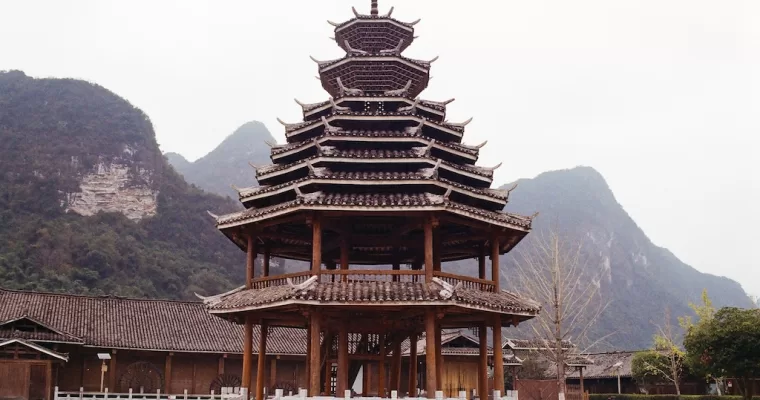
Moon Hill, Tong Ethnicity Village Xingping sightseeing boat ride (Yellow Cloth Shoal)
Afternoon Arrive in Guilin from Guangzhou South Station Yao Ethnicity Long Hair Village

Longji Terraced Field

Yulong River Bamboo Raft Silver Cave

Ruyi Mountain Cable Car

Return to Hong Kong from Yangshuo Station
Evening Liu Sanjie Impression Show
Accommodation Elephant Trunk Hill Hotel Moye Sanqiu Homestay

The driver offered a large 7-seater for our trip. Readers that would like to hire this reliable driver should DM me by email (quotation@chestnutwriters.com). Although we did not require his service for hotel booking, he was gracious in taking us to the best restaurants that he knows. If you so require, he will set the whole itinerary for you in Guilin, and also make bookings for the hotels that meet your expectation.

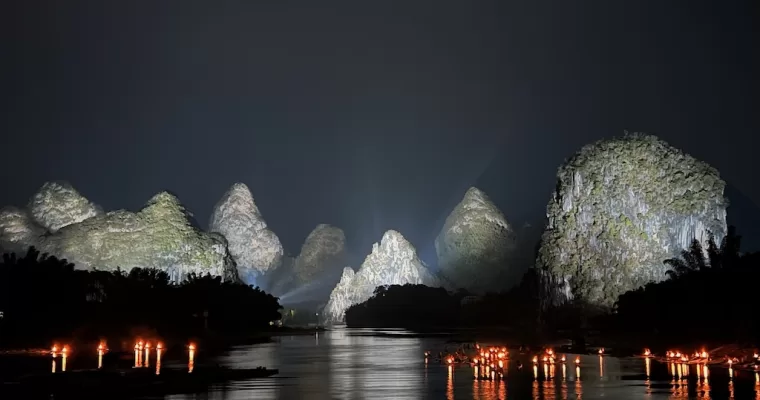
In Yangshuo, we wanted to see the Liu Sanjie Impression Show directed by famous director Zhang Yimou. It was not so easy to look up the proper ticket sales online. He got that covered for us, no hassles at all.

The Timing for a Trip to Guilin

To be sure, December is certainly a low season for traveling in Guilin. The main reason being that the water levels are low in the winter, and a lot of the great sceneries in Guilin are waterfront sceneries. That said, there certainly is a great advantage in terms of ticketing, crowds and queues when you travel in the low season. We experienced no frustration with the crowds throughout this trip, even for the hot touristy spots.

The high season for traveling in Guilin is late spring and summer. The scenery would be notably different in different seasons when you visit the famous terraced fields of Longji. When we went, the harvest had been done, and we saw rather baren fields (there will be an entry on Longji). To be fair, the scenery wasn’t too bad even at the least interesting time of the year.

Getting to Guilin

From Hong Kong, we first went to Panyu, Guangzhou on a private car. From Guangzhou to Guilin, we simply took the high speed rail. I have discussed before how the train pulls into Guangxi and the scenery changes into a series of rapidly rolling karst peaks. That was itself quite a scene. I do highly recommend taking the high speed rail to Guilin.

To book tickets for the high speed rail, be sure to watch out for the day that sale is open, which is typically 14 days prior. In certain peak times of the year, tickets can be sold out very quickly. I wanted first class tickets, but did not manage to get any of the first class high speed rail tickets even though I put in a preorder at the first available prebooking time. Good enough that we did secure the regular tickets without issue.

Weather

It came as a great disappointment for me that all the days that we spent in Yangshuo were overcast and cold. We had some pretty good days in Guilin, but Guilin city is actually not known for beautiful scenery, so to speak. The greatest beauty of Guilin is in Yangshuo and Xingping. Our driver told us that it was good enough that it did not rain heavily when we went. I will take that.

It is very difficult to know which days are good weather days for traveling to Guilin due to the advanced period of time you need to book or prebook the train tickets. Because we had a group with old people and working professionals, I was working with a tight and inflexible schedule. As such, the weather had to be an afterthought.

Considering the fact that this was the first time I organized a trip for my dear family members, all worked out quite well and I had no complaints. At the end of the day, we did not have any critical health issues during the trip and we enjoyed the company and the food. That was what really mattered.

The City of Rams — The Food of Panyu

The City of Rams — The Food of Panyu

Panyu is the haven of food in Guangzhou, which is a heaven of food itself. I took my family to Panyu because of the great food, and it certainly did not disappoint. The following is in random order and it is not a ranking. Baomaye 

The City of Rams — The Dafushan Forest Park in Panyu

The City of Rams — The Dafushan Forest Park in Panyu

In early December, the beautiful bald cypress at the Dafushan Forest Park had not yet turned red. There was a whole afternoon of free time, so I decided to take my family for a stroll at the Dafushan Forest Park anyway. In the wintertime, when 

The City of Rams — The Shawan Ancient Town in Panyu

The City of Rams — The Shawan Ancient Town in Panyu

There are endless things to do in Guangzhou, which is known to the Chinese as the City of Rams. In a recent family trip, I took my family first to Panyu, as part of Guangzhou, then we headed on to Guilin in Guangxi Province to experience its beautiful scenery.

For the Guangzhou leg of this family trip, I chose to stay mostly in Panyu because it is known to be a heaven for great food. Since food is the love language for my family, I took them on quite a few culinary excursions in that part of Guangzhou, and the experience was very good in all of the restaurants that we visited. Therefore, stay tuned for the foodie entry.

Panyu lies south of Guangzhou. The Guangzhou South station is roughly where the metropolitan area of Guangzhou ends and Panyu begins. For accommodation, we were staying at the Radisson Red in Guangzhou South Station.

It is just about an 8-minute walk from the station. Newly built in 2023, the hotel provides a speckless environment with user friendly facilities and good amenities.

A Brief History of Panyu

The District of Panyu has a history going back to the Qin dynasty times. After the fall of the Qin dynasty, Zhaotuo, a Chinese general, established the kingdom of Nanyue in the southern parts of China, including parts of Guangdong, Guangxi and Vietnam. He established the capital of the Nanyue Kingdom in Panyu in 204 B.C. He named himself King Wu of Nanyue.

The days of glory of Panyu would slowly recede into the ebbs of history. As Guangzhou rose as the predominant city of Guangdong province, Panyu would eventually come under Guangzhou’s administration, and that fact remains to this day.

The Shawan Ancient Town

In the Panyu District of Guangzhou lies the 800-year Shawan Ancient Town. The ancient town began its first chapter during the Song dynasty. Cobblestone streets meander through the village, laying the groundwork for the area’s antique Lingnan architecture. A leisurely stroll in this ancient town will take about two hours. If you would like to visit the museums as well, then allow for more time.

The town was very crowded as we visited on a Saturday. The atmosphere in the ancient town was festive and business appeared to be booming. There are a whole lot of antique buildings in Shawan, and I will introduce just a few.

Some Key Sights in Shawan Ancient Town

The He Grand Ancestral Hall (Liugeng Tang)

Of the He surname, the He Grand Ancestral Hall is a major landmark in Shawan Ancient Town. The very first He Ancestral Hall was built during the Song dynasty, in around 1275. It took 40 years to build it, and it was meant to be grand even at its very inception.

He Renjian is the first generation of He ancestor that settled down in Shawan. With the purchase of a large track of land in here by He Renjian, the He surname became one of the major clans amongst the Panyu five (the other four being Wang, Li, Li and Zhao).

Throughout its long history, the He Grand Ancestral Hall had experienced a few destructions. Yet the descendants had never let the significance of their ancestry slip through the cracks of history. Of the three major reconstructions, the current ancestral hall was rebuilt during the Kangxi reign of the Qing dynasty. It furthermore underwent a major restoration in 1986.

The He Grand Ancestral Hall’s grand architecture is itself of significance. The structure is of five hall, five bay layout, which, even amongst the myriad ancestral halls in the Lingnan area, is in the scale of being majestic. Other standard features of Lingnan architecture are carried through to a grand scale as well, including the 112 stone and timber pillars, the intricate clay sculptures that adorn the rooftops and the eaves etc.

The name of the He Grand Ancestral Hall, Liugeng, has the meaning of blessing the descendants by bequeathing with them the eternal virtues of the He family tradition.

Jinshi Lane

It is perhaps enough simply to soak in the antique vibes in Shawan Ancient Town and just walk through its beautiful streets. Jinshi Lane is such a street with enormous cultural significance for the He’s in Shawan.

Jinshi is the title of the imperial scholar that sat and passed the highest level of civil examination system in ancient China. In Shawan, the Jinshi Li (Jinshi Lane) is consisted of 8 relic houses, one of which is the former residence of He Zihai. He was of the 8th generation of the He clan in Shawan, and earned the imperial scholar title in the 4th year of the Hong Wu reign of the Ming dynasty (1371).

The Song dynasty He ancestor He Qilong had also earned the Jinshi title. The former residence of He Qilong is also on Jinshi Lane.

Wen Feng Tower

A structure of the 60th year of the Kangxi reign (1721), Wen Feng Tower is a fengshui architecture that was attached to Liugeng Tang. It also served as the fengshui tower for the whole village. The three stories tower gives home to Wenchang, Guandi and Kuixing god statues, each god taking up one floor. During the winter term, school children of the village come to this tower to pay tribute to these gods for good academic results.

The tower is made of blue bricks and timber in a hexagonal layout.

In terms of architecture, Shawan’s antique buildings feature the “wok handle top” gabled roof prominently. It is a common feature in Lingnan vernacular architecture. That was the main reason why I chose to visit this ancient town.

The Dairy Queen in Shawan

Lying on the eastern edge of Shawan Ancient Town is the very famous Dairy Queen of Shawan. In Chinese, the dessert shop is called Shawan Nainiu Huanghou, literally “the Shawan Queen of Milk Cows.” The specialty of the Dairy Queen in Shawan is its ginger milk pudding. It is certainly a Cantonese favorite and it originated from Shawan.

The special milk of the Dairy Queen of Shawan is actually buffalo milk. The owner, Wang Xiutian, began her business 30 years ago by rearing two buffalos and making products out of their milk. Despite its appearance, the dessert shop is not located in an antique building, but an imitated one.

Sources

Descriptions on site at the Shawan Ancient Town.

The Wikipedia on Panyu, Guangzhou.

The Wikipedia on the He Grand Ancestral Hall (Shawan) (Chin).

www.newton.com.tw on Liu Geng Tang (Chin).

Art Basel 2025

Art Basel 2025

It’s springtime and the major events of the year are underway. I visited the Art Basel 2025 last night at the Hong Kong Convention and Exhibition Centre in Wan Chai. Here’s a quick snapshot of my experience. The Art Basel brings together an enormous number