
A Heritage Walk in Stanley
Stanley is a familiar place to all in Hong Kong. Located by the southeastern waters of Hong Kong, Stanley was the first site of settlement for the British colonial administers. It is named after the British Colonial Secretary, Lord (Edward Henry) Stanley. Stanley was the first seat of government in colonial Hong Kong.
This fact explains why in the history of Hong Kong Stanley has been home to a lot of foreigners. Suffice it is to say that there were local settlements in Stanley as well, even as early as the ceding of Hong Kong island to Great Britain in 1841. The Chinese name of Stanley (Chek Chue) means “red rods,” referring to the abundance of red cotton trees in the neighborhood.
Such a long and fascinating history serves as the background to understanding the significance of Stanley’s heritage. It is also the very reason why there are so many interesting heritage sites in Stanley.
The Stanley Post Office
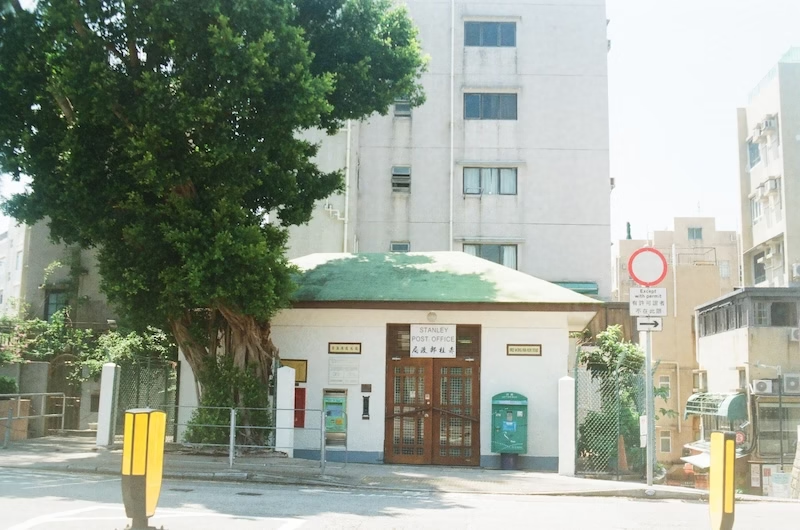
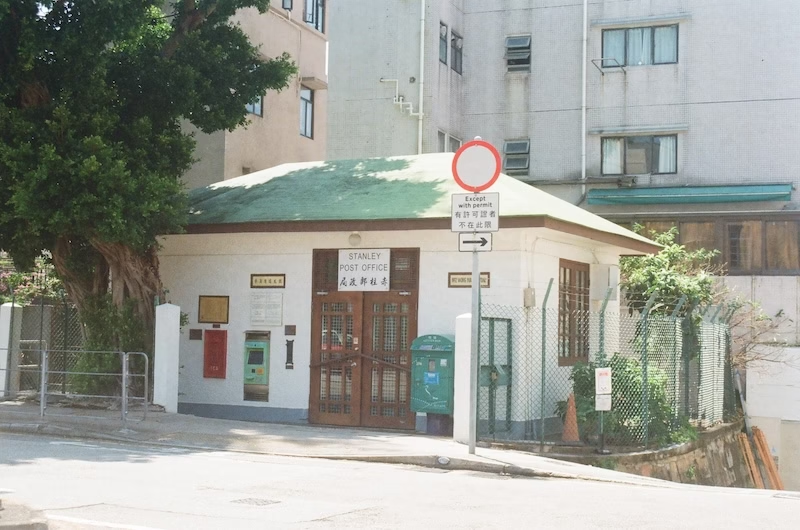
The Stanley Post Office is the oldest post office building still serving its original purpose in Hong Kong, a “time capsule of postal history,” as the official website of the Hong Kong Post so states. Built in 1937, the small building, of 300 square feet, has an elegant gabled roof, of wooden beams and purlin, over its white concrete walls. Its architecture is minimalist and utilitarian, but the humility does not take away from its clearly colonial lineage.
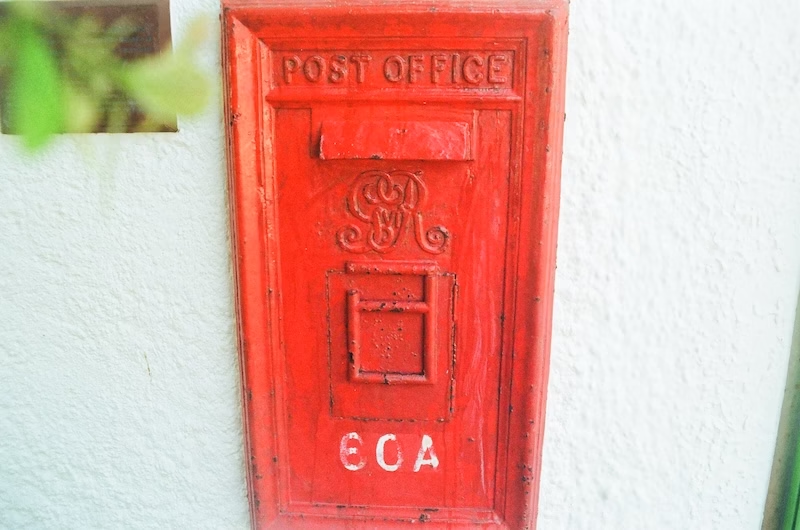
An original postage stamp vending machine is also preserved on site. Because this post office was built during the reign of King George VI, the iron case window grilles show the royal insignia of GR.
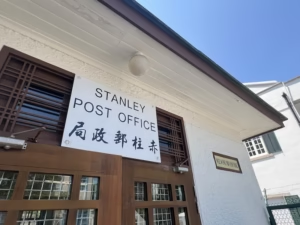
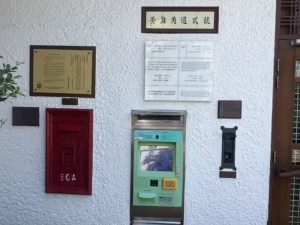
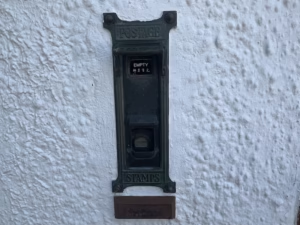
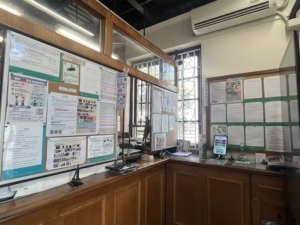
The address of Stanley Post Office is No. 2, Wong Ma Kok Road, Stanley
The Old Stanley Police Station
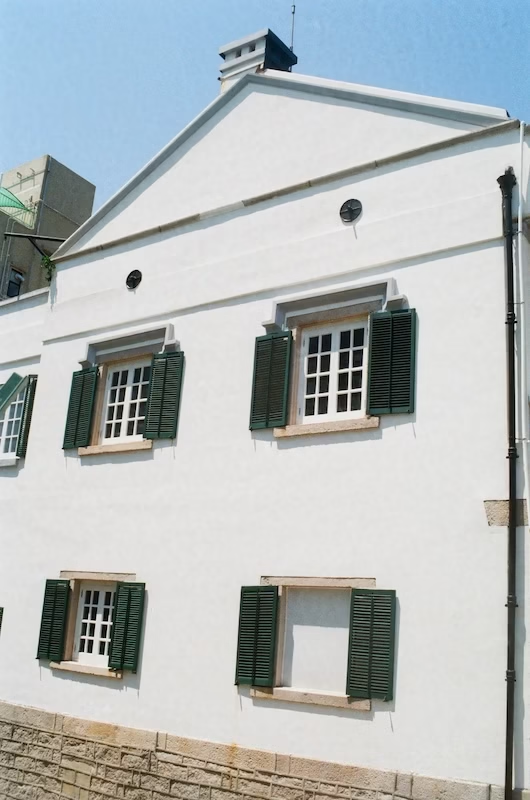
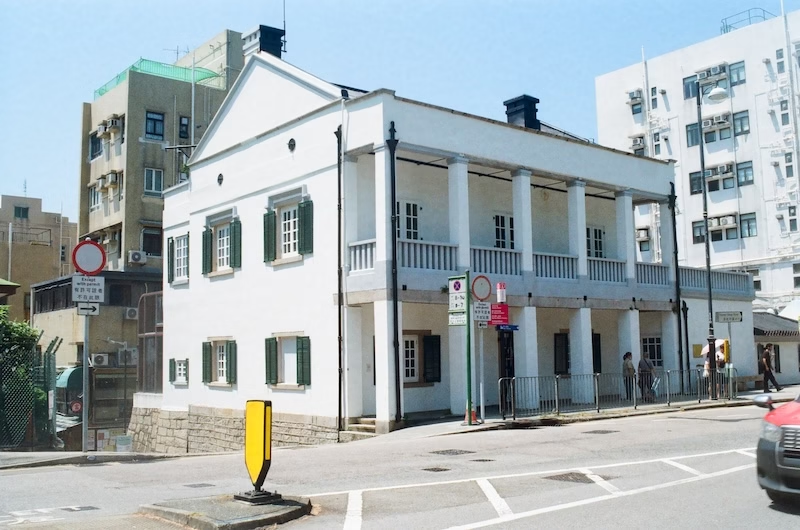
Next to the Stanley Post Office on Wong Ma Kok Road is the Old Stanley Police Station. A building of 1859, the Old Stanley Police Station is the oldest surviving police station in Hong Kong. During the early colonial times, both the British army and the police shared this building due to its strategic location being on the southernmost waters of Hong Kong. As with the Murray House (then in Central), the Old Stanley Police Station was a local headquarters for the Japanese’s Hong Kong Kempeitai forces. The Japanese also added a mortuary to the building. It is perhaps worth mentioning here that the Japanese kept the foreign population in Hong Kong in an internment camp also at Stanley at the Stanley Prison and St. Stephen’s College campus.
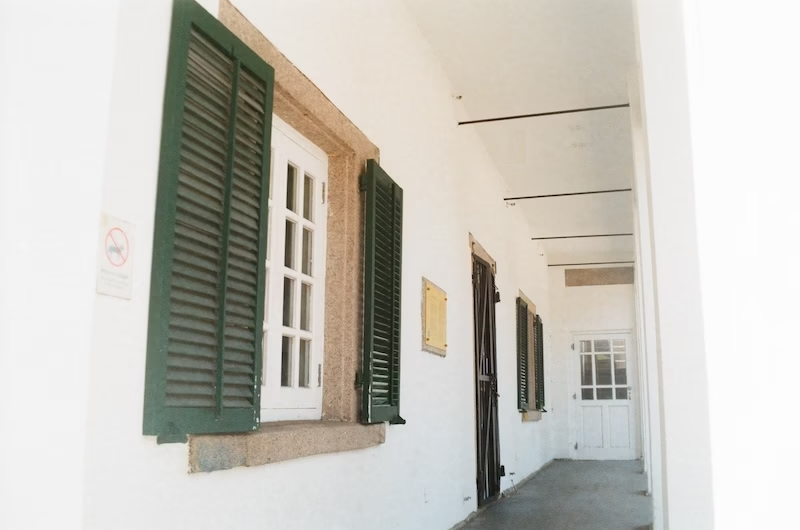
The Old Stanley Police Station remained a police station until 1974. Thereafter, various government departments took it as their office venue. At some point, the building was rented out to nongovernmental entities as well, including merchants and businesses.
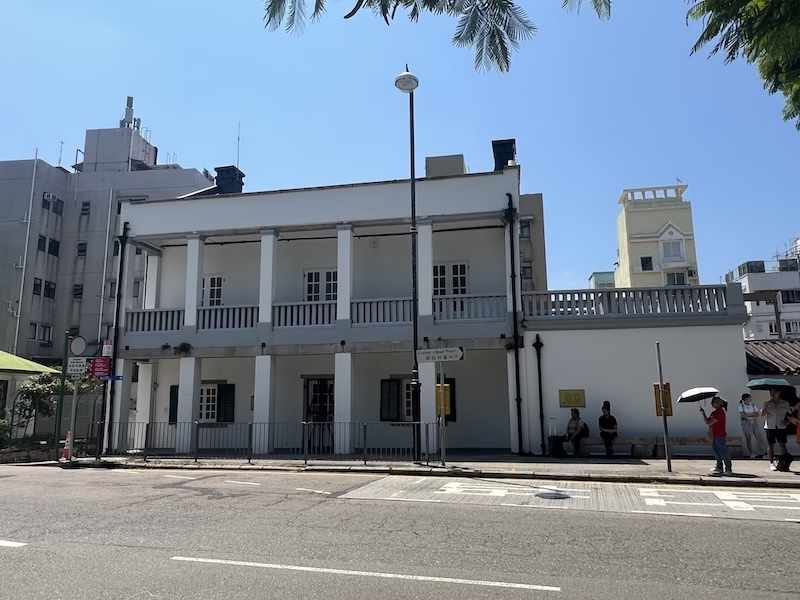
The building has a cannonaded veranda in its front. The whole building features elegant, whitewashed walls with louvered window shutters, which served to prevent the sunlight from heating up the interiors of the building. The Old Stanley Police Station is not open to the public. But the colonial era domed ceiling in the gun room and the fireplace are preserved. These are common features for colonial style buildings.
The Old Stanley Police Station is a declared monument.
The Tin Hau Temple near Stanley Plaza
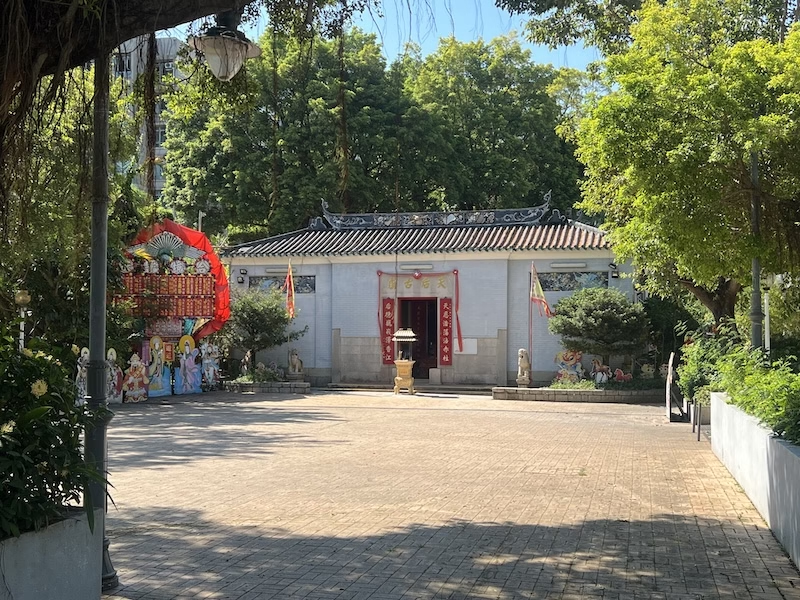
As the Goddess of the Sea, Tin Hau is a deity that is revered by the traditional fishing communities of southern China. It is no different in Stanley. The Tin Hau Temple of Stanley was built in 1767, in the 32nd year of the Qianlong reign. This temple is the standing testament of the local community in Stanley (the largest fishermen community in Hong Kong at the time) before it became the seat of the earliest of colonial administration by the British in 1841.
The Stanley Village is in the shape a crab, and the Tin Hau Temple of Stanley is located right at the crab’s head. During WWII, the Japanese shells that hit the temple did not explode, as such the temple preserved the many lives that were taking shelter inside it. The skin of the tiger that the Japanese killed has remained in the temple as well.
The temple is of a two-hall, one courtyard format. As with other Tin Hau temples in Hong Kong, the ridge of the roof features figurines telling folkloric and artistic motifs.
The Murray House of Stanley
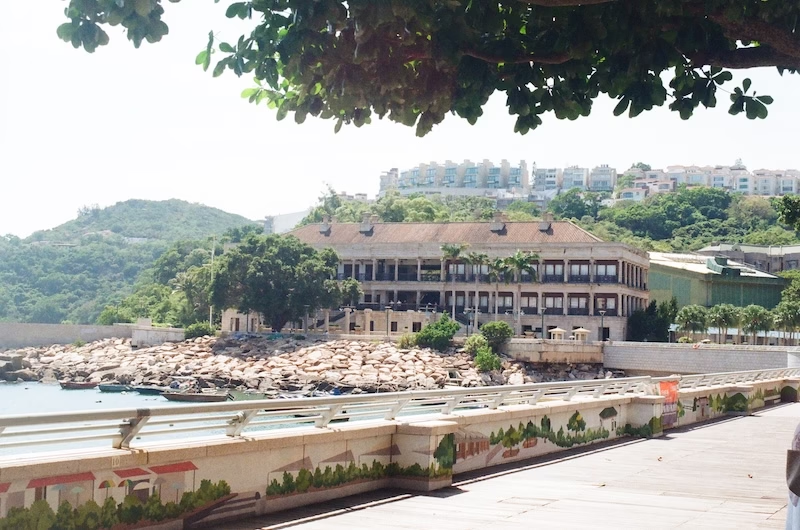
The Murray House originally stood in Central as the officers’ living quarters of the Murray Barracks. Built in 1846, the Murray House was named after Sir George Murray, who was the British Master General of Ordnance. He was the British Colonial Secretary for some time. The structures that were named after him in Hong Kong included the Murray House, Murray Building (now the Murray, a hotel), the Murray Barracks (demolished) and the Murray Battery (demolished). They were all wedged in the Cotton Tree Drive / Garden Road area between Admiralty and Central. What used to be the site for Murray House in Central is now home to the Bank of China building.
The Murray House is one of the oldest surviving public buildings in Hong Kong. The Victorian-era building was designed in the Neoclassical style. As with all colonial era buildings in Hong Kong, the Murray House comes with verandas on all floors. Besides that, a unique feature of the Murray House was the stone-laid ground floor block as the stabilizing structure, but with upper floors supported by doric columns with a touch of elegance. The gabled roof is made of red Chinese tiles.
During the 1980s, the Murray House was demolished in Central. The Government then reconstructed the whole building again, brick by brick, in Stanley’s waterfront promenade. Since its full-scale removal and relocation from Central in the 2000’s, the Murray House has gone through a bit of misfortune, in my opinion.
The Infamously Haunted Murray House
The Murray House, as the local urban legend goes, is haunted due to its WWII history. It is believed that Murray House was the site of executions of apprehended Chinese during the Japanese occupation years. The Japanese used it as the commanding headquarters for the Hong Kong Kempeitai.
Suffice it is to say that, the Murray House was so haunted, that the Hong Kong Government gave official approval of the exorcism ceremony — not once, but twice. The exorcism was done in the traditional Chinese way. One such exorcism session was actually televised in the 1970s as well.
That has not quieted the urban legend, but the building did serve as government offices until its demolishment in the 1980s. Thereafter, in Stanley, the building was home to the Maritime Museum for a while. After the Maritime Museum moved to its current site at Central Pier No. 8, the Murray House was rented out to restaurants. By now, however, in 2026, the building is left vacant again, with no establishment there at all.
Standing as it is today, one would lament the fate of such a stately building. It is an enormous building with a decorated history, in all senses of the word.
The Blake Pier
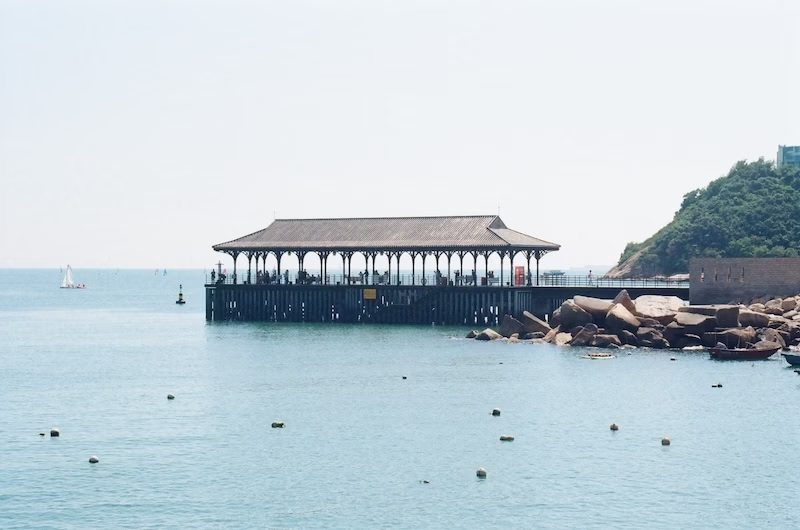
The Blake Pier is similar to the Murray House in that it was also originally the structure for the Blake Pier in Central.
The Blake Pier was named after Sir Henry Blake, the 12th Governor of Hong Kong. During the early 20th century, the Blake Pier stood at the end of Pedder Street in Central. It was a place of landing for the royal vessels.
As it was dismantled to make way for land reclamation, the iron cast canopy was moved to the Wong Tai Sin area over a theater for a while. During the 2000’s, the Government moved it to the pier at Stanley, next to the Murray House.
Beginning in 2007, the Blake Pier was recommissioned to serve its historic role again as a pier. The Kaito ferry that runs between Aberdeen and Po Toi Island makes its stop at Stanley at the Blake Pier.
The Stanley Beach
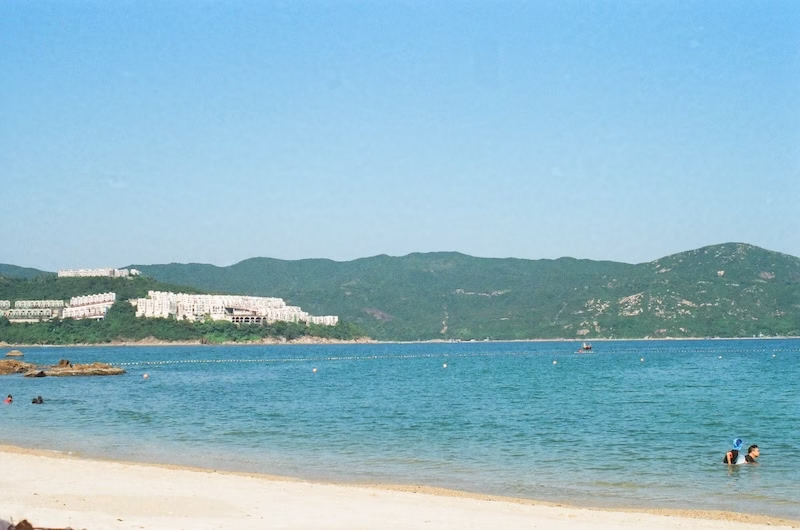
That was a quick tour in Stanley and I happily joined the ladies for beach time at the Stanley Beach. We soaked in the cool water for a good afternoon, savoring wine and cheese in the heat at the tail of the summer.
Sources
Descriptions on site at the heritage sites of Stanley.
The website of Hong Kong Post on the Stanley Post office.
Antiques Advisory Board, Historic Building Appraisal Number 512, Stanley Post Office.
Antiques Advisory Board, Historic Building Appraisal Number 1428, Tin Hau Temple, Stanley Main Street, Stanley.
The Wikipedia on the Blake Pier.