
The Fire Dragon of Mid-Autumn Festival in Tai Hang
The Fire Dragon of Tai Hang is an event of immense significance not only for the local community of Tai Hang, but also for Hong Kong. It has been included in the third list of national intangible heritage in China since 2011.
The Fire Dragon as a Cultural Icon in Hong Kong
The Fire Dragon tradition originated during the 19th century. During the 1880s, the villagers of Tai Hang caught a python and killed it. They left it in the village, but the next day, the python disappeared. A rumor circulated that this python was the son of the Dragon God.
Thereafter, a lot of the villagers came down with diseases and died. The Buddha appeared in a dream to a villager. The message was that the village should make a dragon with lit incenses. They are to parade this dragon in the village for three days and three nights. Then top up the parade with rounds of firecracker lighting.
The villagers heeded this advice and did so as they were instructed. After this first Fire Dragon dance, the epidemic disappeared.
The villagers of Tai Hang thus began this tradition to cast out the evil that was causing an epidemic. It is held yearly for consecutive three days during the Mid-Autumn Festival.
Some Facts about the Tai Hang Fire Dragon
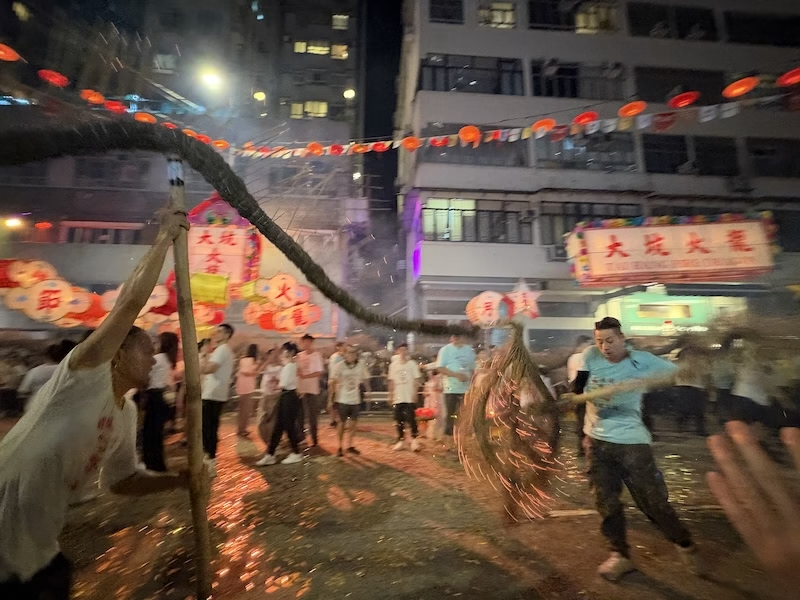
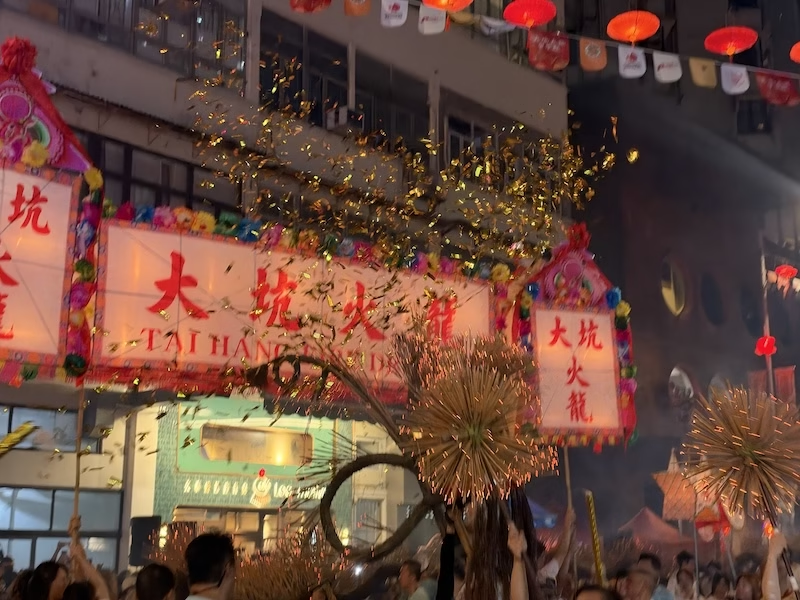
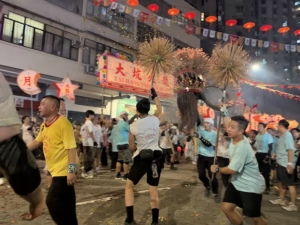
Photo: The procession of the Fire Dragon in the choreography “Passing the Heavenly Gate.” The gate is the big makeshift facade in the back showing the Chinese word.
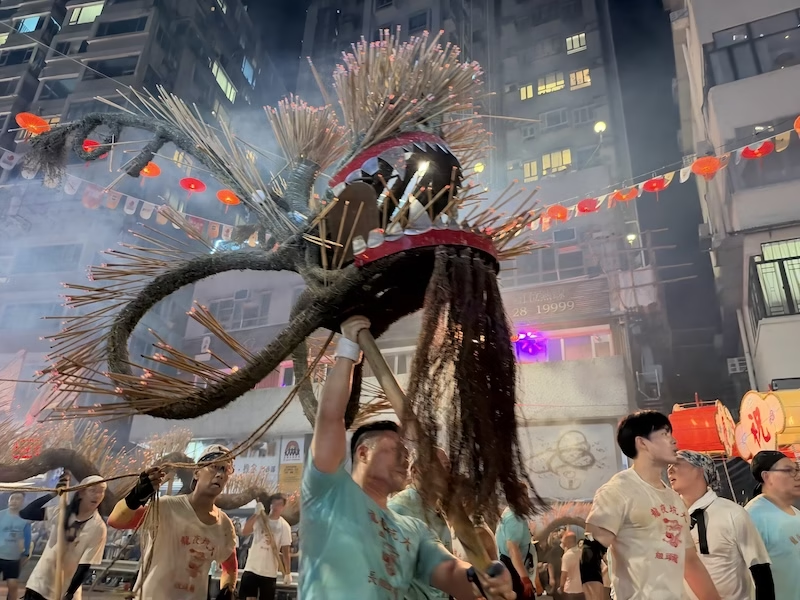
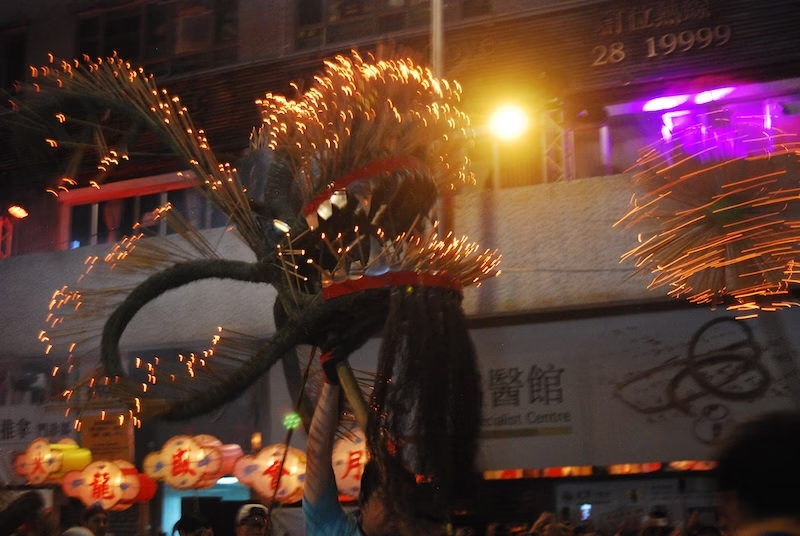
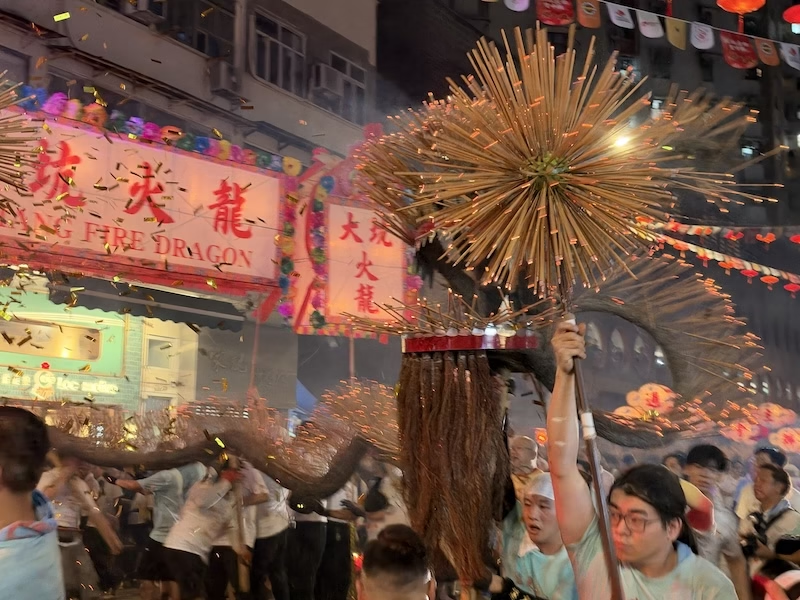
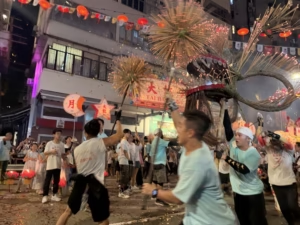
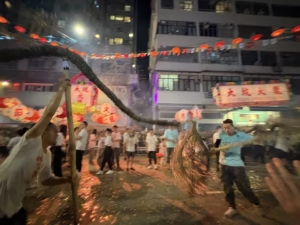
The Fire Dragon in Tai Hang is the most significant in scale out of all of the fire dragon shows in Hong Kong. The dragon is 67 meters long. When the procession begins, the troupe plants 12,000 lit incenses onto the full body of the dragon. It takes 300 performers to do the dance, and most of them have to be trained for years (some, for as long as a decade) to be able to perform.
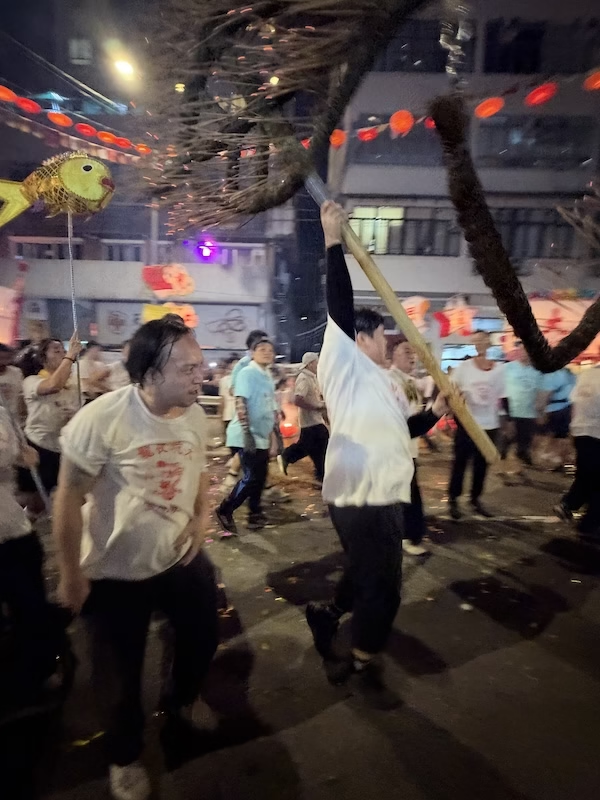
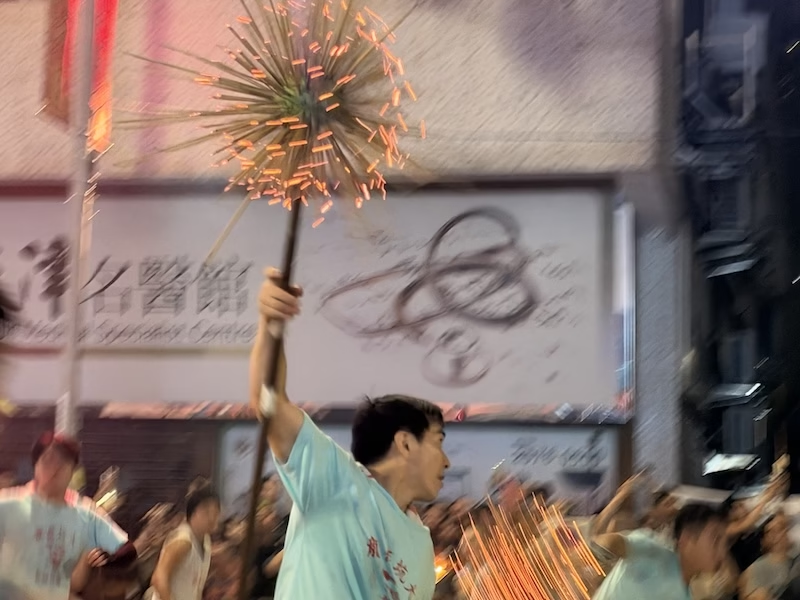
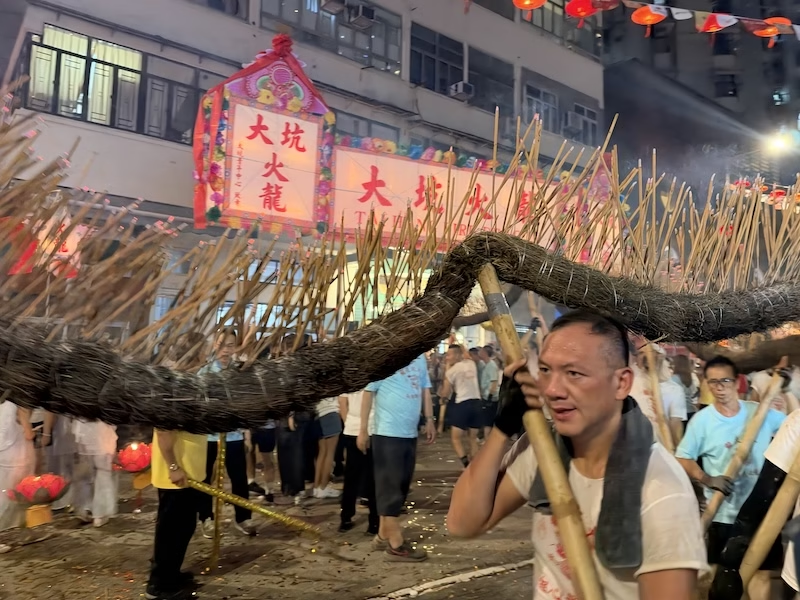
Photo: The holder of the Fire Dragon Tail
The holders of the head, the two moving dragon balls that guide the dragon and the tail are the key performers in the troupe. The head alone weighs 45kg (almost a hundred pounds). As each dragon dance takes three hours to perform, such a performance demands incredible strength, agility, endurance and stamina in the choreographed movements. Make no mistake, however, all the dragon holders of the body are each individually critical to the dance as well. The coordination required for executing such a feat takes a year of planning even with experienced dragon holders.
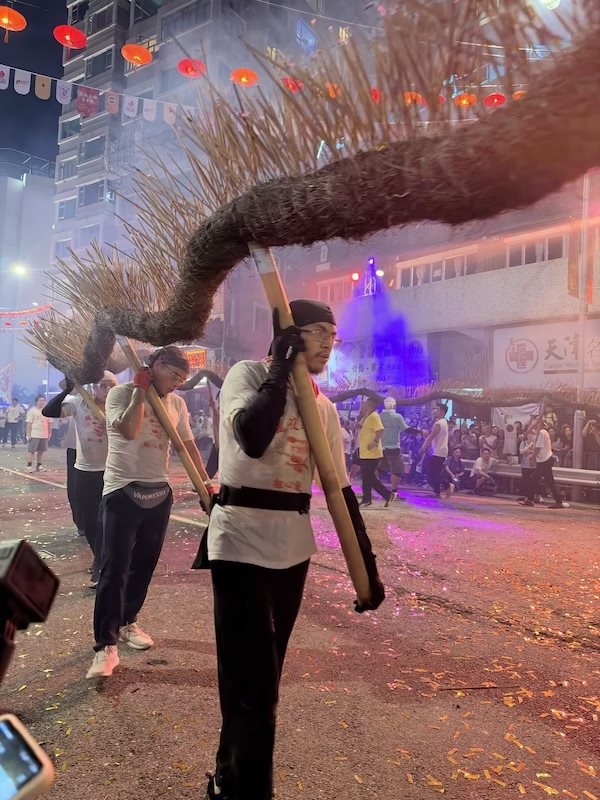
The Fire Dragon holders hold up the dragon by a single wooden rod. They have to raise and lower their arms repeatedly during the show to meet the demands of the choreograph. Needless to say, that the lit incenses present an additional layer of difficulty – it is really hot still at this time of the year. Even as a spectator, I felt the smokiness. By the end of the show, I felt as if my body was covered with soot – let alone those who held the Fire Dragon.
I commend the organizers and the Fire Dragon holders for putting together such a fantastic event to showcase a distinctively Hong Kong cultural tradition. Their hard work is not lost on anybody that witnessed the show.
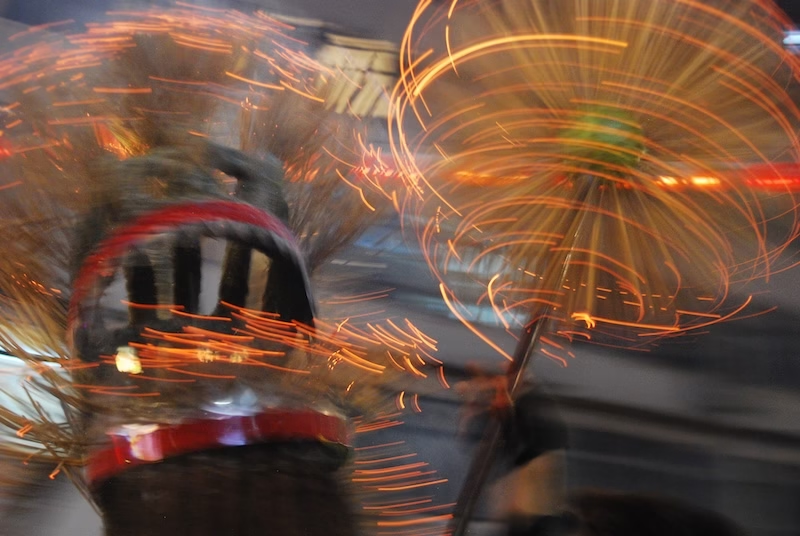
The Fire Dragon
On September 24, 25 and 26 of 2026, the Tai Hang community put together the 147th annual Fire Dragon dance to celebrate this tradition. Traditionally, the three days of the Mid-Autumn Festival are known to be “welcoming the moon,” (Day 1), “enjoying the full moon,” (Day 2) and “chasing the moon,” (Day 3). I went to the final day of the Fire Dragon dance, and it was a grand finale of the celebration.
The Fire Dragon begins at the Lin Fa Temple of Tai Hang, where the dragon holders illuminate the dragon in the “light up” ceremony, which has religious underpinnings, with 12,000 burning incenses.
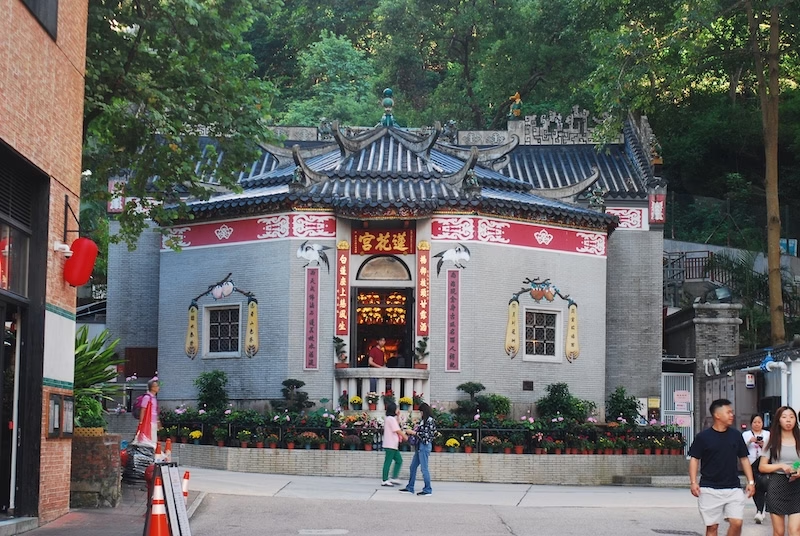
Then the dragon roars through all the streets of the neighborhood. Wun Sha Street is the primary showground for the public.
On the night of the Mid-Autumn Festival (the second day), the procession will go all the way to Victoria Park in Causeway Bay. I went on the third day, and the procession will head over to Causeway Bay Typhoon Shelter for the dragon to “return to heaven” as the conclusion to the festivities.
The event is a joint effort by the Tai Hang Residents’ Welfare Association, the Hong Kong Tourism Board and the Hong Kong Jockey Club, with additional donations by various local businesses.
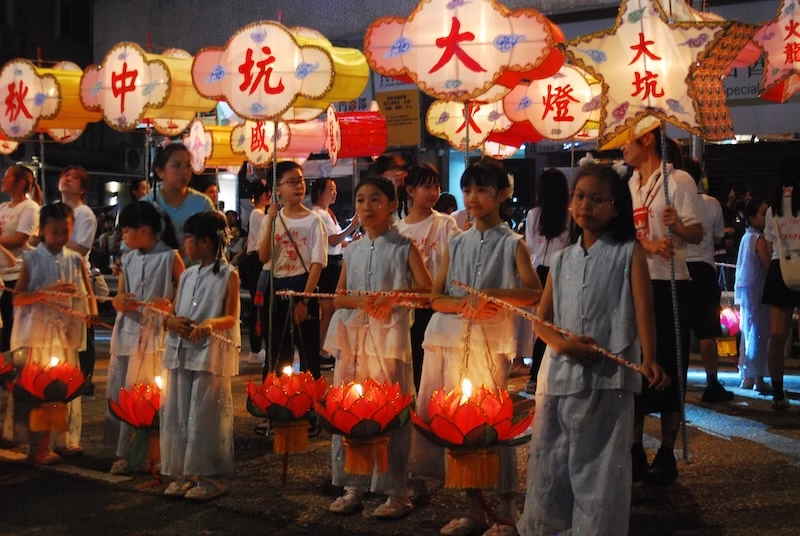
Thanks to the two wonderful MC’s in the event, the spectators felt no boredom even during the wait times for the Fire Dragon (and the wait times were long). There were three hours of fun in learning everything about the tradition. We saw the crossovers of the young and the old as the bearers of tradition (in the playful come-together of the small LED light Dragon held by the youngsters and the proper Fire Dragon), and the worldly and the local (in the wonderful interactions with the tourists that came specifically to see the show).
The Fire Dragon Dance of 2026
Because I went on the final night of the performance, the dance troupe threw in quite a bit of extra time for people to enjoy.
But before the dragon of the show appears, one has to endure a rather excruciatingly long time of a wait. The organizers invited some performers to fill the void. I enjoyed the first performance the most, with a group of youngsters doing auspicious group dance.
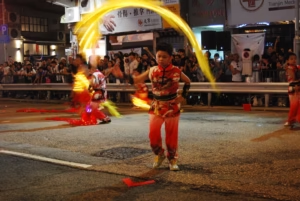
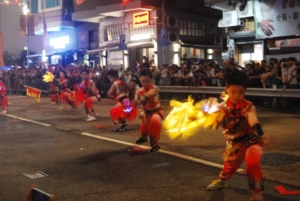
There was another dance by some other youngsters wearing 1920s bling dresses. Then a local singer sang a song written just for this event.
The lead-up to the Fire Dragon was the performance of a little Fire Dragon by youngsters, who choreographed the same steps in a dragon lit up with LED bulbs. Those are some promising Fire Dragon holders in the making.
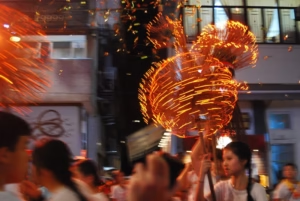
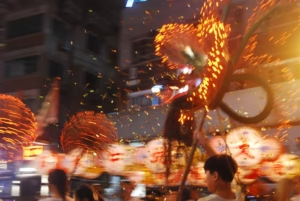
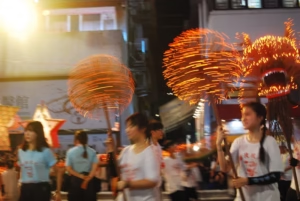
At around 8 to 8:30 pm, the Fire Dragon made it to the showground.
The Fire Dragon Dance is a kind of performance that engages all of your senses. Before you even see the Fire Dragon, you will hear it. There was a drumming team that beats to the steps of the Fire Dragon. Then came the fragrance of incenses, 12,000 of them in the tampered heat of a mid-autumn night. You will see the smoky Fire Dragon from afar.
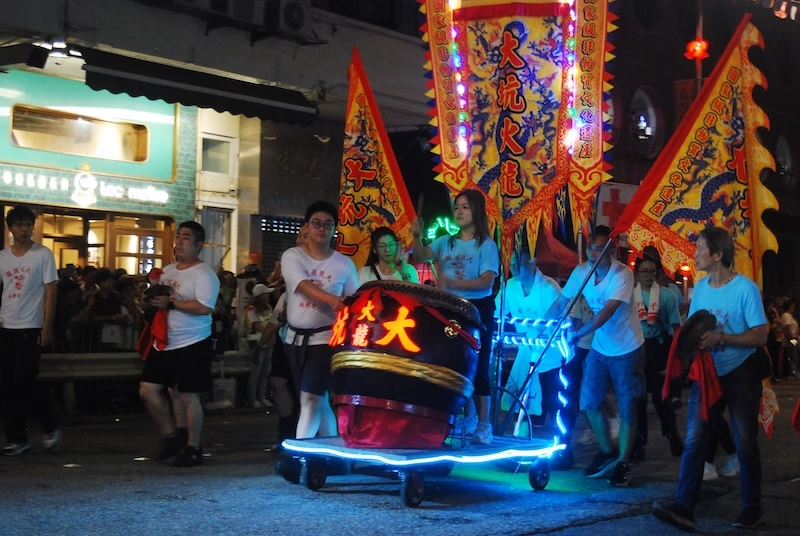
The crowd was full of excitement as the Fire Dragon approached.
Fire Dragon Choreographs
There were two choreographs that were particularly impressive.
The Fire Dragon performed a few named choreographs for the Fire Dragon Dance. In all choreographs, the Dragon Ball holders spin their lit fireballs to lead the Fire Dragon. The most basic format for the Fire Dragon Dance is “Dragon plays with double pearls.” (龍戲雙珠)
The Dragon Crouched in Joy 喜結龍團
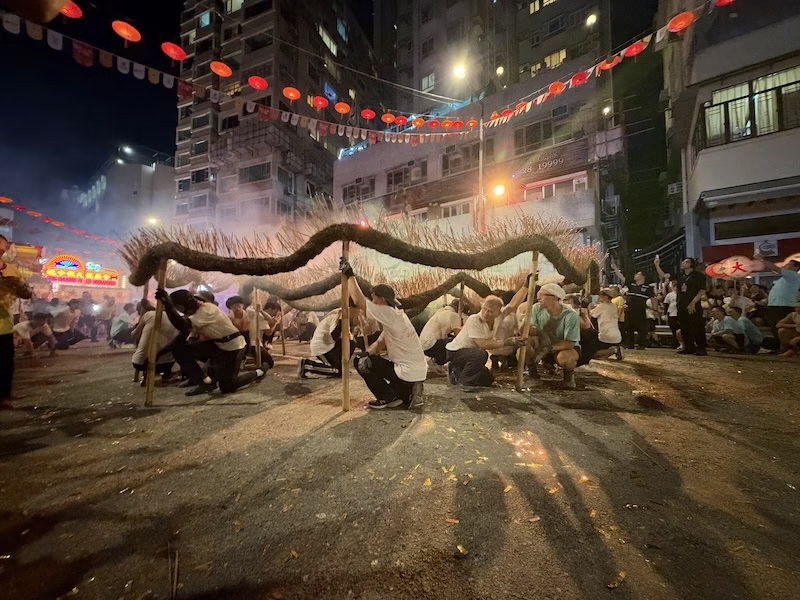
The first one choreograph was The Dragon Crouched in Joy 喜結龍團, which was the most difficult maneuver. The whole Fire Dragon coiled tightly within itself and the dragon holders kneeled to present a dragon in a resting position.
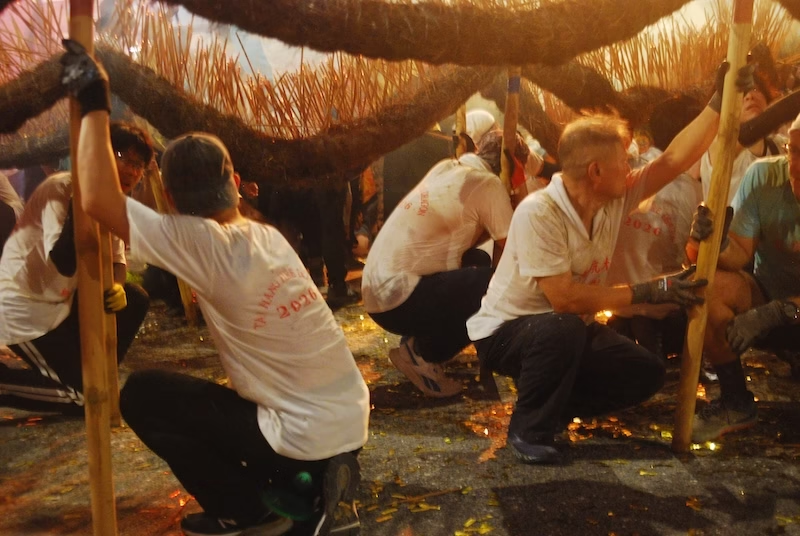
When the Fire Dragon “rests,” the heat accumulates at the center and it is very hot within the dragon. The maneuver requires precise coordination. As the Fire Dragon frees itself, from the head it loosens the coil rapidly, requiring the dragon holders to run. In fact, I witnessed an accident where a holder was caught in the motion and a bunch of burning incenses landed right onto his neck.
The Double Dragon Dance 舞雙龍
In this choreograph, the little dragon lit in LED bulbs and the big Fire Dragon come together for a playful dance. The son of the head of the Fire Dragon troupe was performing in the little dragon. I loved these stories of legacy – how the tradition is passed within dedicated families. This choreograph was performed mainly before the sponsors’ deck, so I did not really get to photograph it.
The first half of the show came through quickly and it was time to redecorate the Fire Dragon with newly lit incenses. During this time, the troupe removed the old incenses and planted new ones. The organizers gave away those old incenses as souvenirs.
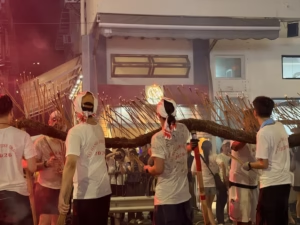
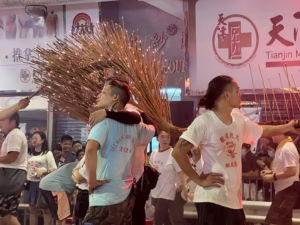
It took half an hour to redecorate the Fire Dragon. The troupe members rested by drinking Dragon Tea, which was pu’er tea.
When the Fire Dragon Dance resumed, it went through all of Wun Sha Street via the Heavenly Gate.
Rolling Left-Right 左右翻騰
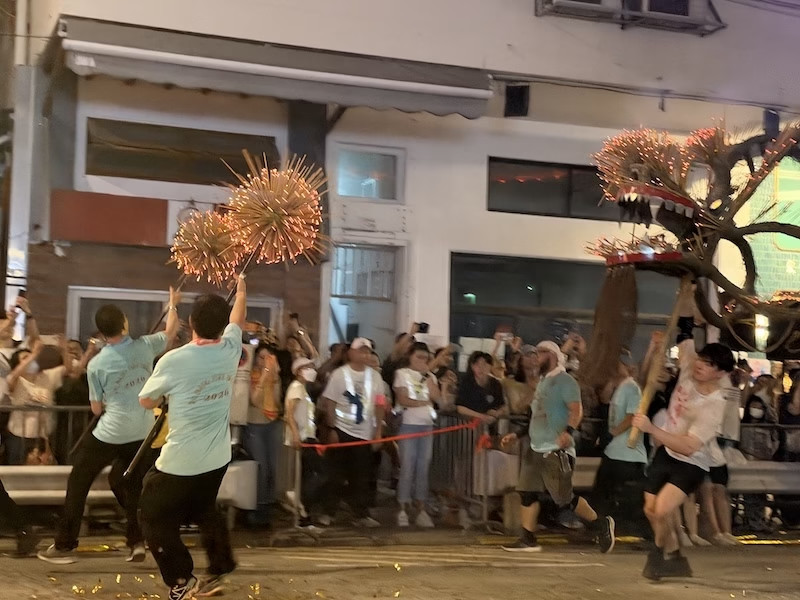
Photo: The dragon balls lead the way of the Fire Dragon.
In this choreograph, the auspicious name was Rolling Left-Right, the churning of the dragon bringing health and wealth to everybody. As the name suggests, the Fire Dragon holders waved their wooden rods left and right to create such motions.
Some Tips for Attendees and Photography Enthusiasts
To be able to photograph the Fire Dragon, photographers must be first in line in the spectator areas. And they are not large areas. I went on August 16 of the lunar calendar (in the third and final night of the Fire Dragon procession) at 4:30pm, and by around 5pm, pretty much the prime spots were all taken. The proper Fire Dragon Dance started at around 8pm, but the wait was worth it. The show ended at a little after 10pm, so you should be prepared to stand for about 5-6 hours if you want to take the first-in-line spots.
Note that the police will exercise crowd control starting around 5:30 to 6 pm. By then, if you aren’t already in the neighborhood, chances are you won’t be able to get in. Therefore, for photographers, I suggest getting there before 5pm. For attendees, definitely get in before 6pm.
There are two sides on Wun Sha Street, and the pre-dragon performances were done facing the western side of Wun Sha Street. I chose a spot right by the 7-11 there and I saw those performances facing me. During the proper Fire Dragon Dance, the dragon will pose somewhat equal time for spectators on both sides of the street.