
The Tin Hau Temple of Causeway Bay
In the last entry I discussed the Hong Kong Red Swastika Building. Lying not far away from the Hong Kong Red Swastika Building is the Tin Hau Temple of Causeway Bay. That was one stone, two birds for me.
The History of the Tin Hau Temple of Causeway Bay
The exact year of construction of the Tin Hau Temple of Causeway Bay is unclear. But its history is tied with that of the Tai clan. It is said that the Tai folks found a red stone shaped like an incense burner at the shore. They believed that it was a sacred object sent by Tin Hau. Thereafter, they built a shrine at the shore and housed this sacred stone for worship. It became very popular with the fishermen’s community. The Tais then raised funds to build a Tin Hau Temple. The temple stands on the reclaimed land of what used to be a fishing village.
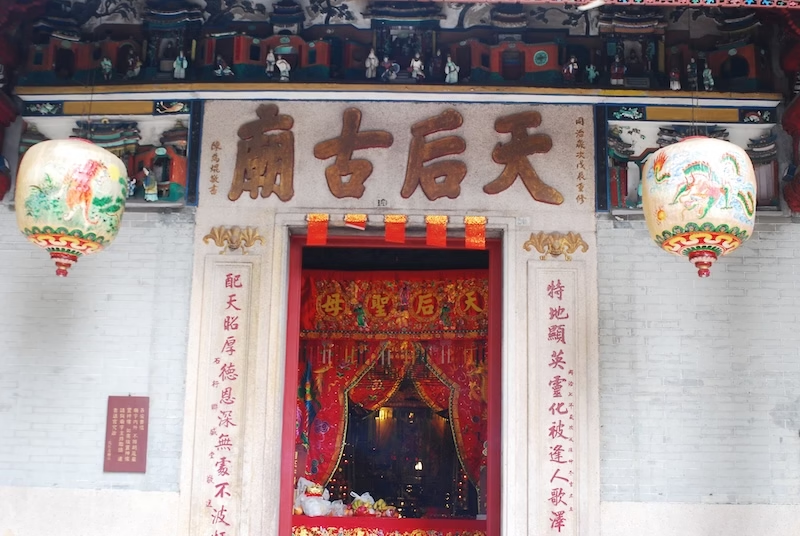
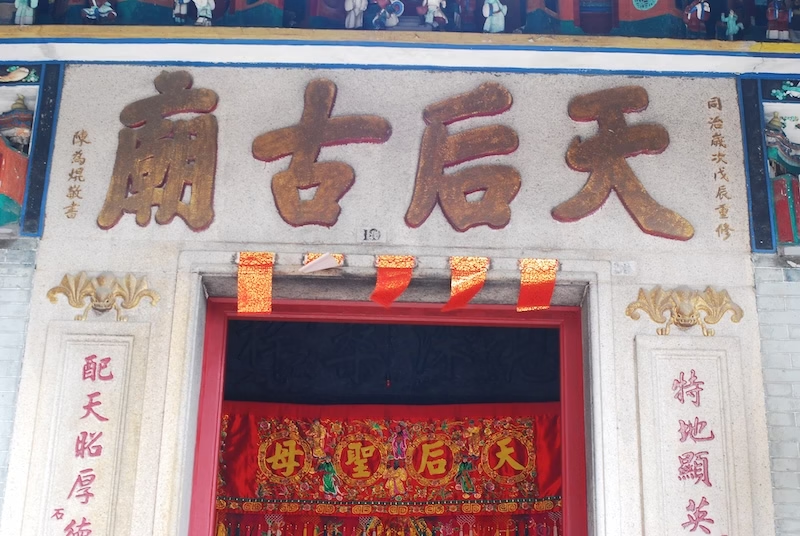
Traditionally, a temple in Hong Kong is dated by the sacred objects, and usually the brass bell that graces almost all temples are the first clue to look for. The sacred objects in this Tin Hau Temple are dated to different periods of the Qing dynasty. The brass bell bears the date of the 12th year of the Qianlong reign (1747). The name plaque of the temple and the accompanying couplets have stood at the temple since the 7th year of the Tongzhi reign (1868). The stone altar table where the statue of Tin Hau sits is engraved with the wordings, “the 2nd year of the Guangxu reign” (1876).
Architecture and Other Features of the Tin Hau Temple of Causeway Bay
Traditionally, Tin Hau is worshipped by the fishermen’s community as she is the Goddess of the Sea. In a lot of Hong Kong’s inhabited islands, Tin Hau is the goddess of choice for the islanders. Yet, this Tin Hau Temple does bear some unique features as opposed to other Tin Hau Temples.
First of all, the temple is significantly more spacious than the other traditional temples in Hong Kong. It has the format of two halls, two bays. Tin Hau, Judge Bao and the God of Wealth are the resident deities.
On the sides of the temple is a pair of stone lions that bear the date “the 25th year of the Daoguang reign” (1849).
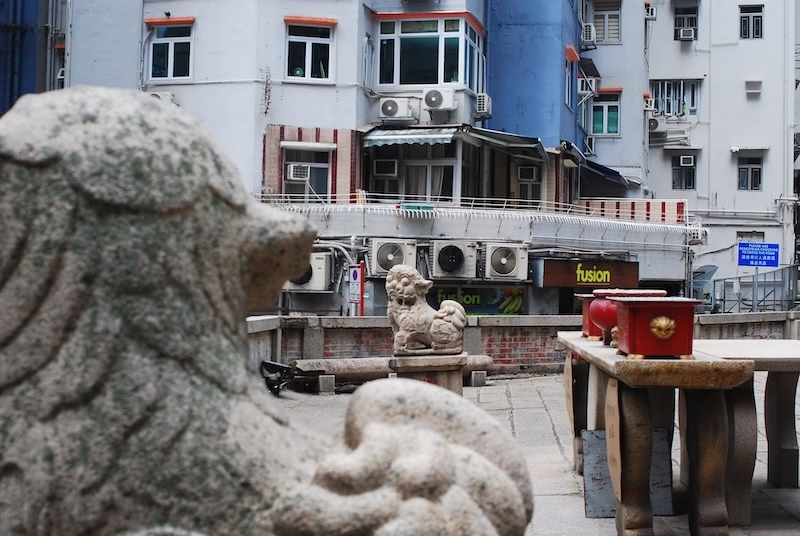
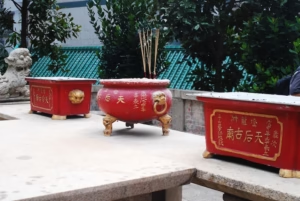
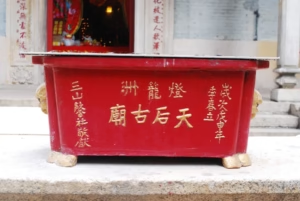
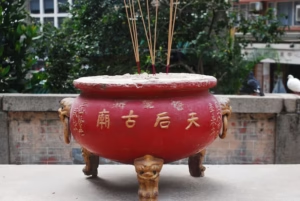
Before the temple building lies a large open area. A stone table supports three treasures, they are incense holders, bearing the date “28th year of the Guangxu reign” (1902).
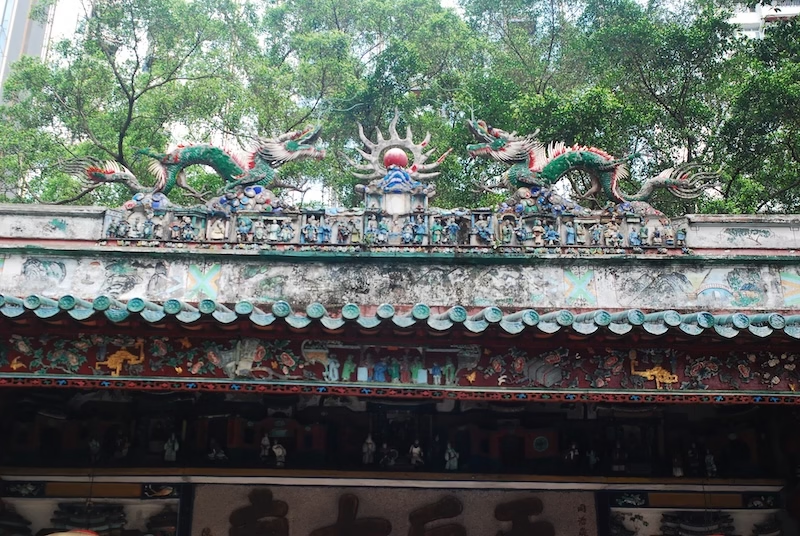
The temple is built of blue bricks and stones. As with all temples the ridge of the roof is adorned with clay figurines, and the ones at this Tin Hau Temple are the work of the famous Shiwan craftsmen. The main motif is the two dragons toying the pearl. Otherwise, the other figurines at various lower levels depict famous scenes in Chinese operas.
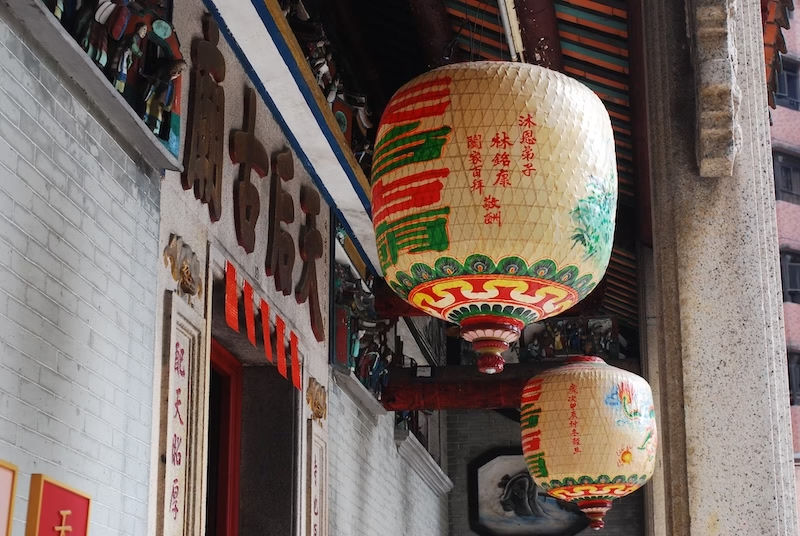
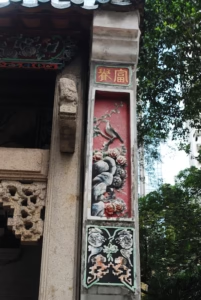
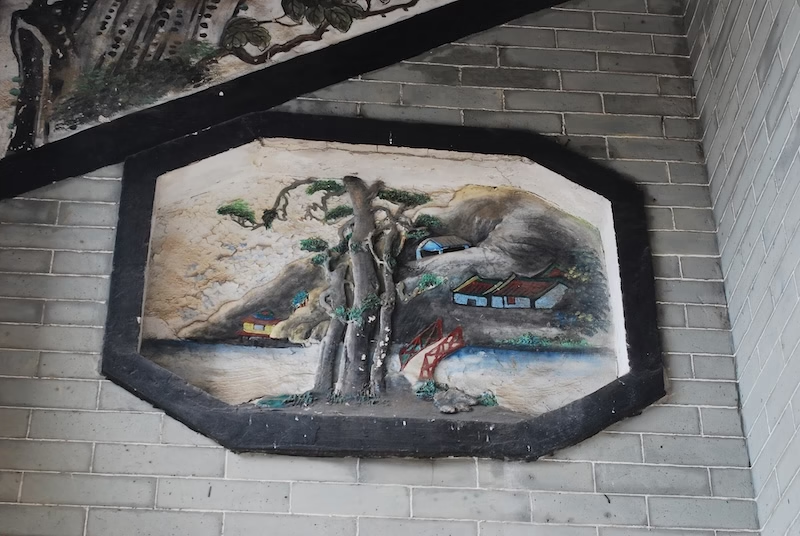
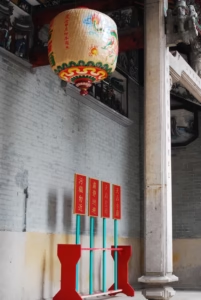
Hung on the sides of the main entrance are two colorful large lanterns. Wall murals are also standard features in Hong Kong temples and this Tin Hau Temple comes with ample displays of mural art. At the side walls outside of the main hall, clay relief mural installations add a touch of traditional mysticism.
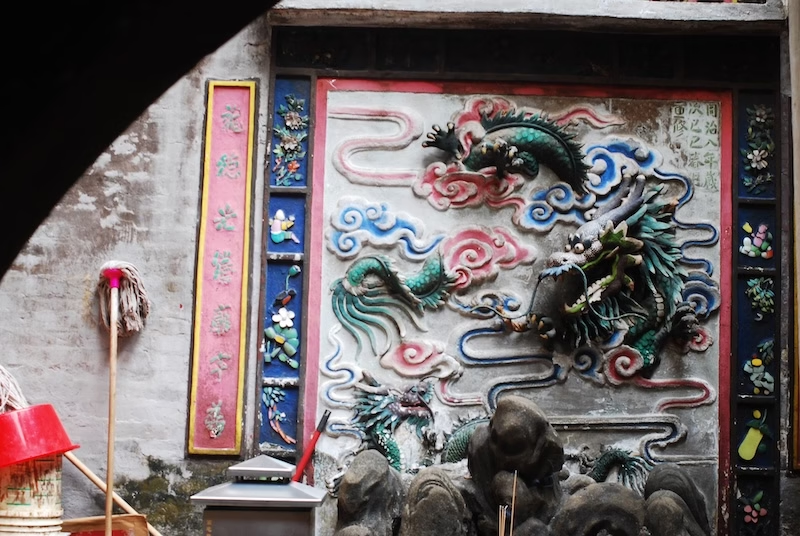
One comes to appreciate the temple beyond its religious purpose. It has aesthetic qualities that show wonderful artistic value and craftsmanship. In all measures this temple is more beautiful than other standard temples in Hong Kong.
Tin Hau Birthday Celebrations
Also known as the worship of Mazu, Tin Hau worship is recognized by the UNESCO as a global intangible cultural heritage. On the 23rd of the third month on the Lunar Calendar, the followers of Tin Hau hold celebration festivities for Tin Hau’s birthday. There are ceremonies that “receive the Goddess,” opera performances offered to Tin Hau, fa pau (paper floral tributes) and a procession. Traditionally, the celebration begins at the large open area before the Tin Hau Temple of Causeway Bay.
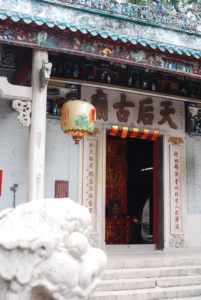
The Tin Hau Temple of Causeway Bay is a Declared Monument. The address of the Tin Hau Temple is 10 Tin Hau Temple Road, Causeway Bay.
A gentle reminder: when I was inside the temple, I was told that photographs are not allowed. Please be respectful.
Sources
The Antiquities and Monuments Office on The Tin Hau Temple of Causeway Bay.
GBA Times, Causeway Bay’s Tin Hau Temple and its Hundred Year Heritage (Chin).
The HK Hub, The Cultural Guide to Tin Hau Festival, Celebrating the Sea Goddess’ Birthday.