
America on Foot — Falling in Love with Historic Long Beach
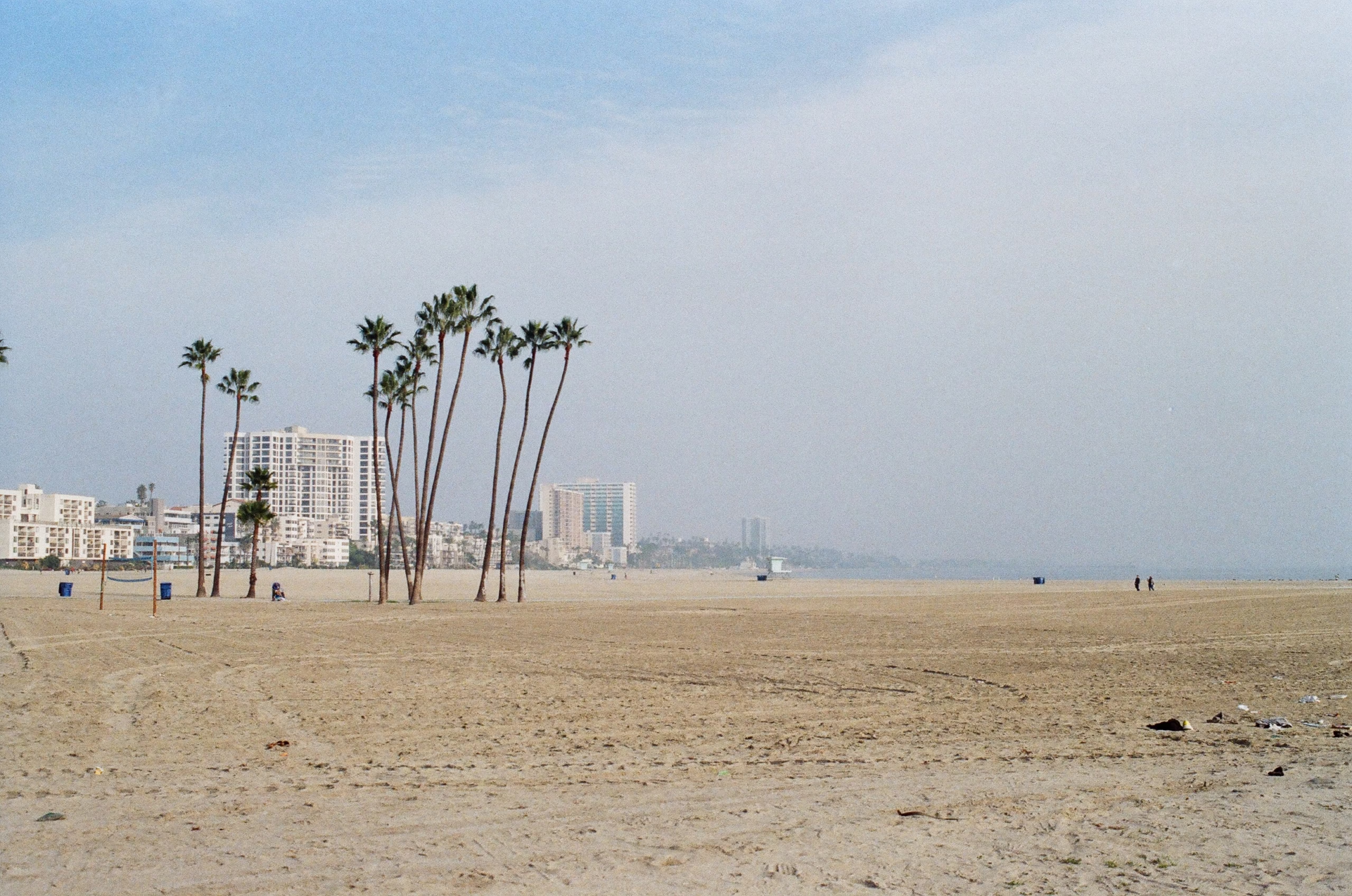
After a few days in Portland, I returned to the warmth of Los Angeles. I felt forever welcomed there in the City of Angels. On my last day in Long Beach, I took a leisurely walk in the Marina area, the beach, and some downtown locations for photo-taking. I will briefly go through these locations here.
The RMS Queen Mary
The RMS Queen Mary was a proper British ocean liner traversing the North Atlantic from 1936 until 1967, when it was acquired by the City of Long Beach. It was built as a passenger ship, but during WWII, it transported the allied soldiers.
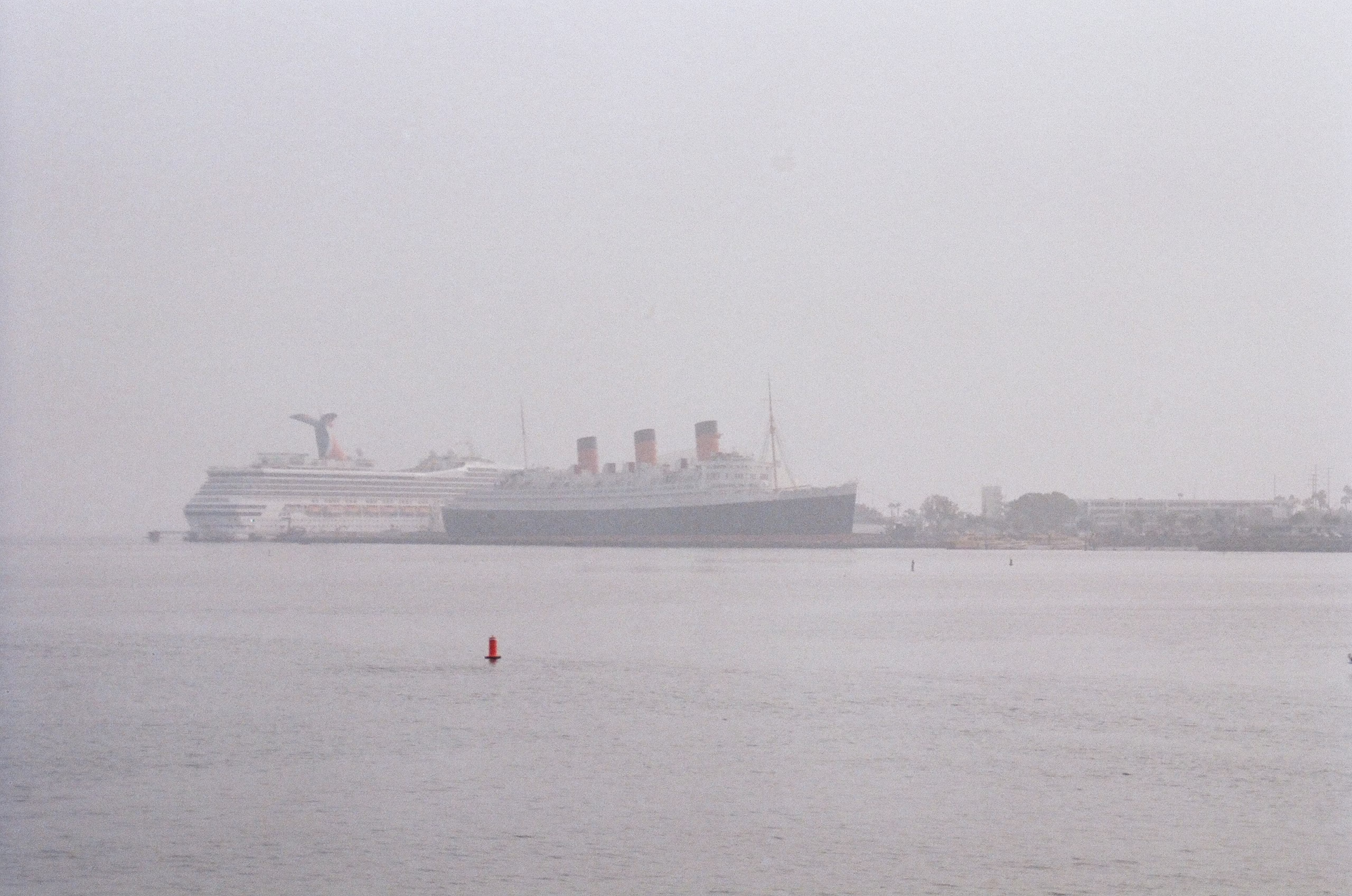
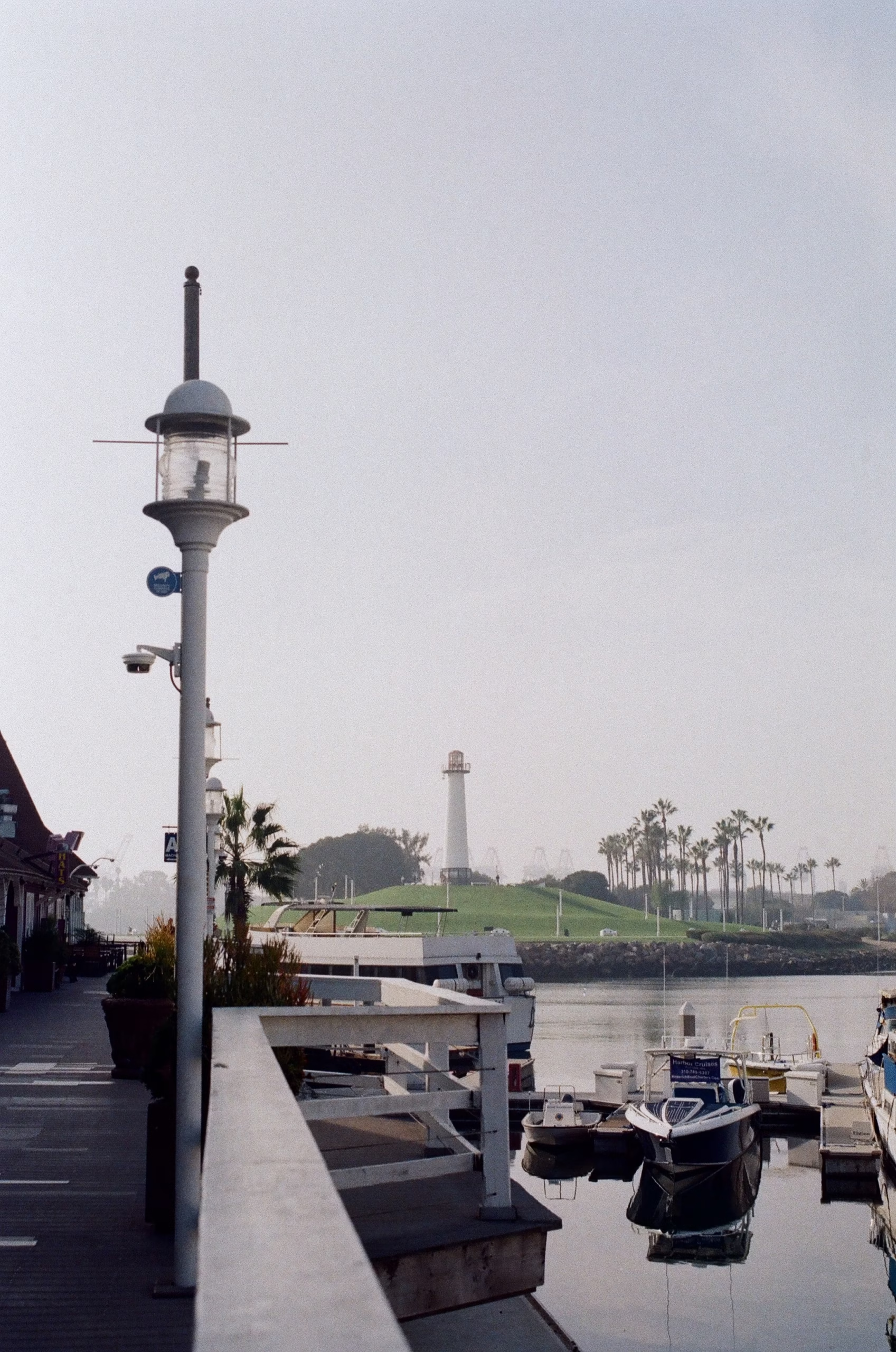
As it has been revitalized, the RMS Queen Mary is now a hospitality establishment that positions itself in the premium range. It has a hotel, a museum and the facility for conferences. It is permanently moored at Long Beach. From the Shoreline Aquatic Park (where the Lions Lighthouse is), you can see quite clearly its stately profile afar, with the three signature chimneys.
The RMS Queen Mary is listed on the National Register of Historic Places. A heritage tour is also available for a fee. Appointments can be made here. I didn’t manage to go because it was simply too far to reach the ship on foot.
The Shoreline Village
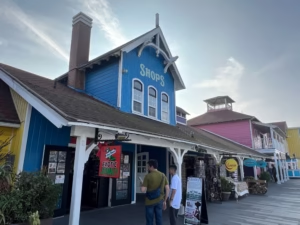
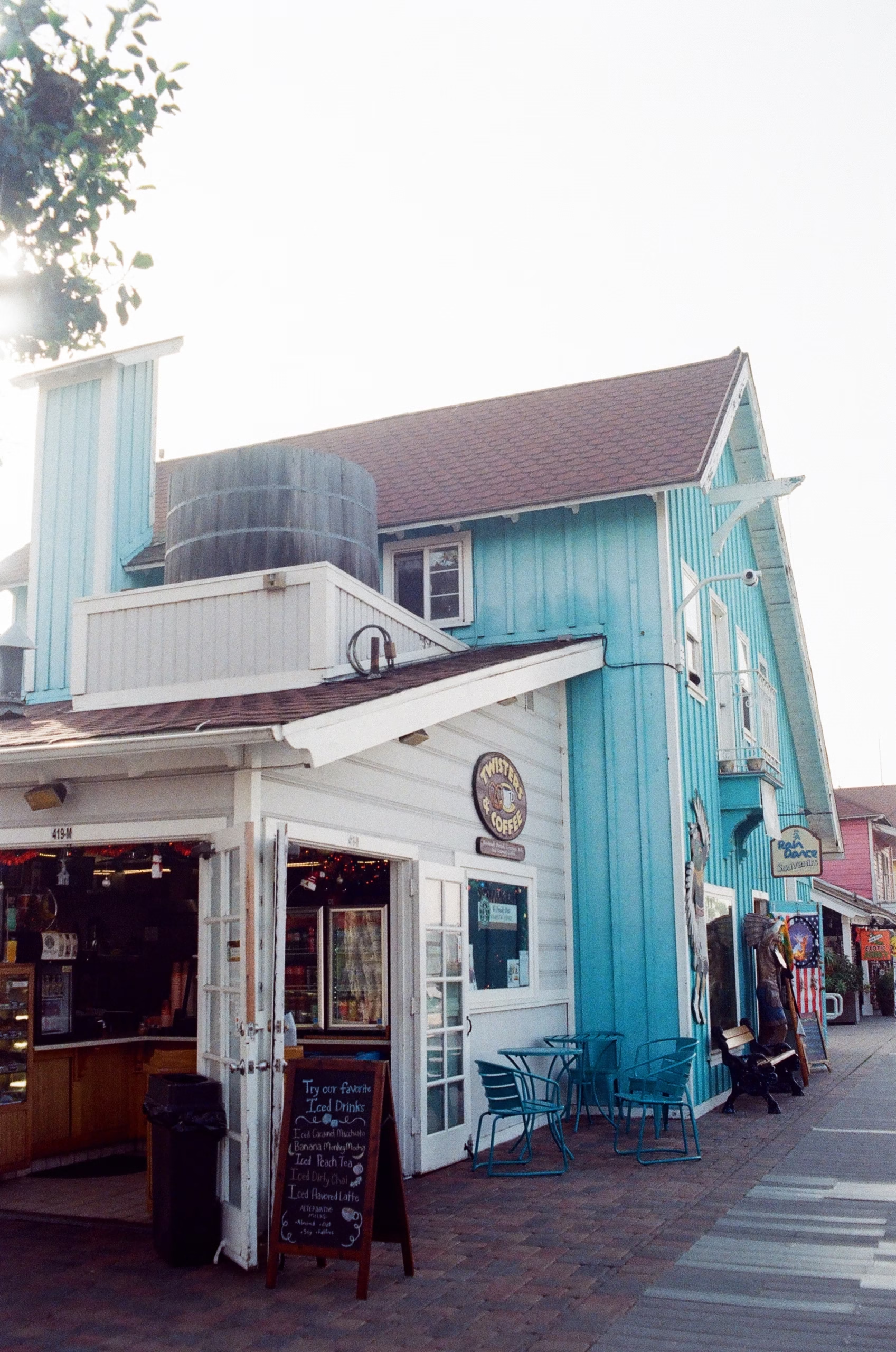
In my humble opinion, the shoreline village is incredibly touristy and it is probably not really worth a visit, unless you are interested in trying their marina-side restaurants, which offer a pretty good view with al fresco dining areas.
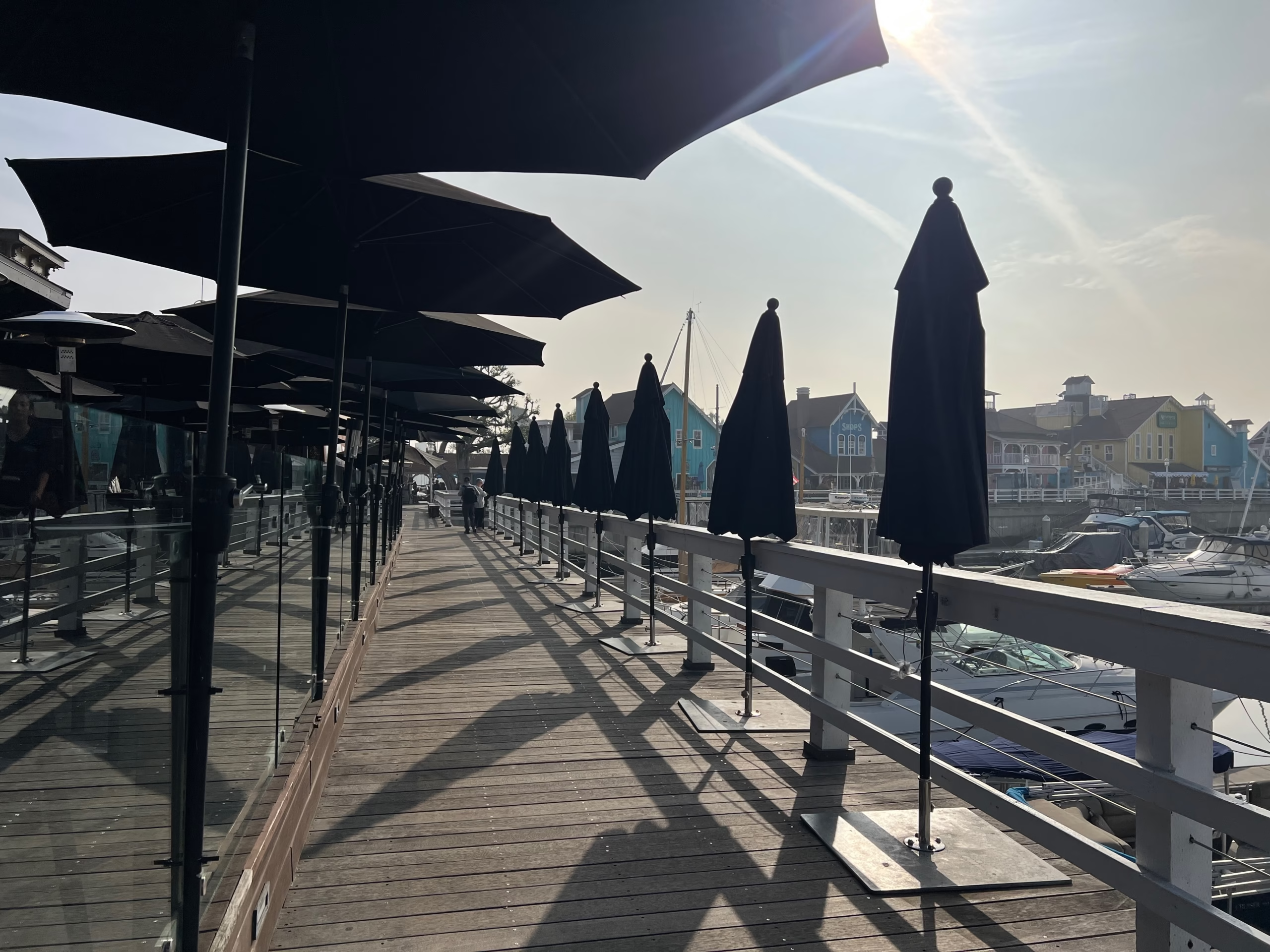
There are some photogenic spots for photographs there, but not much more.

Walking along Shoreline Way, I passed the beautiful marina and headed toward the Alamitos Beach. Beginning with the Alamitos beach, the extended area of sandy shore is consisted of Junipero Beach, Long Beach City Beach and Rosie’s Dog Beach. I think that a trip to Long Beach would not be complete unless one has visited the beaches.
The Alamitos Beach of Long Beach
There is a long list of good beaches in Long Beach. I took a walk along the Marina and arrived at the Alamitos Beach.
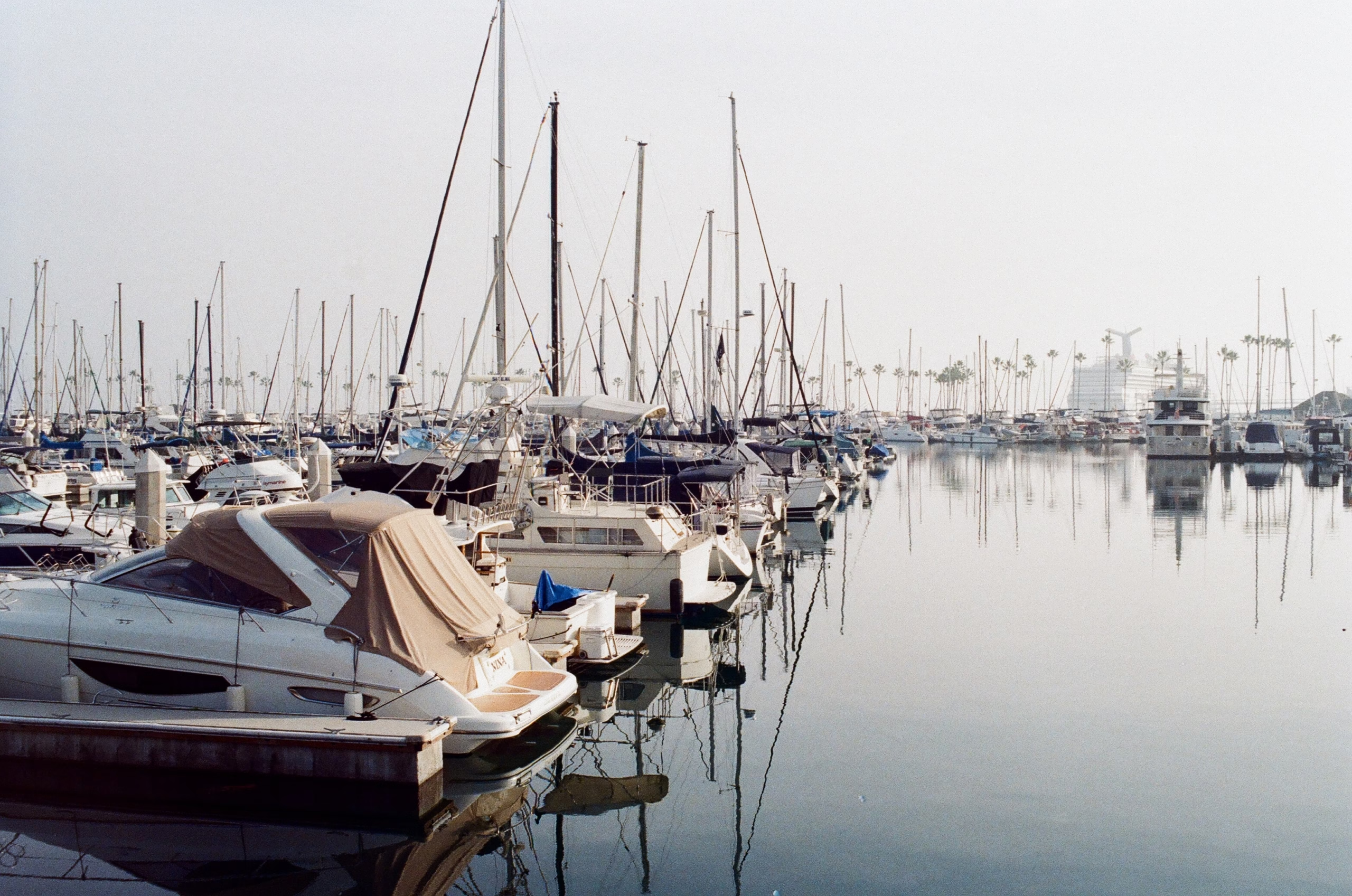
As said in a previous entry, Alamitos is the name of what was formerly part of Long Beach, referencing Rancho Los Cerritos and Rancho Los Alamitos as the two areas named after the Spanish owners of the land here.
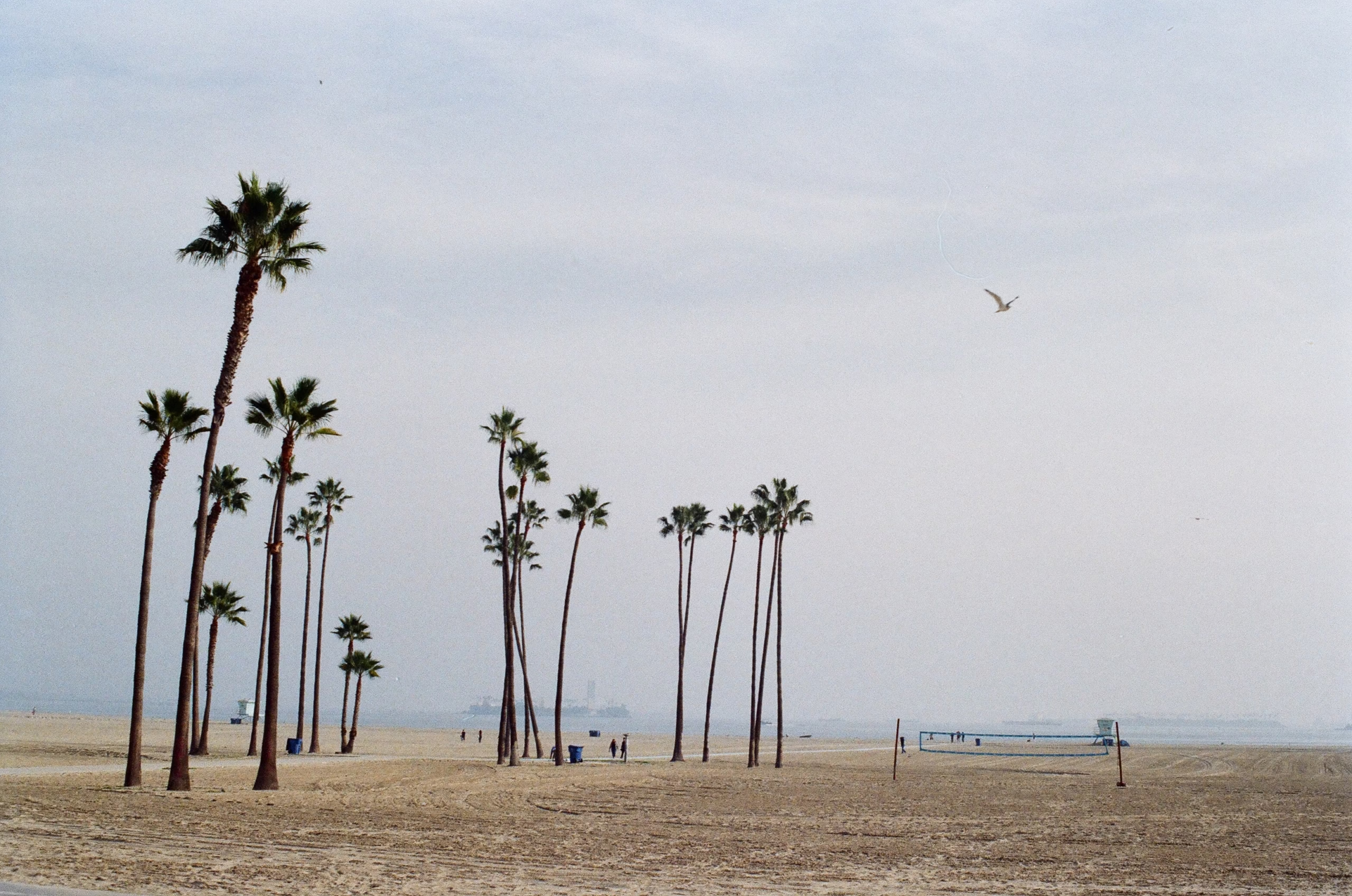
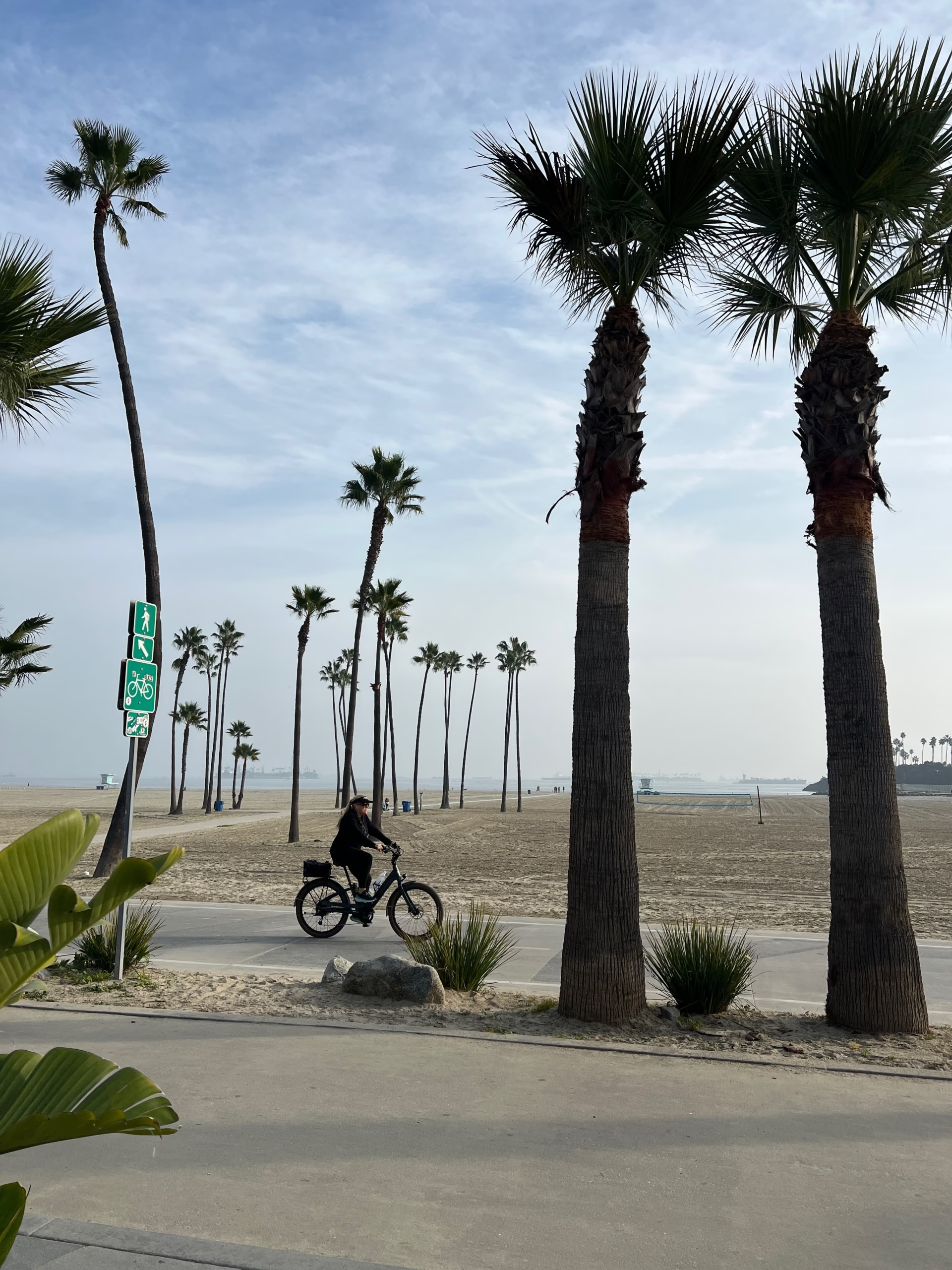
I am not sure if people swim at the Alamitos Beach. I imagine the water is quite cold here during winter, even though the temperature is in the mid-20s Celsius. People certainly can play beach volleyball here. The atmosphere is very relaxed. There were a lot of bikers, joggers and roller skaters. The vibe is so Californian, I fell in love with this beach immediately.
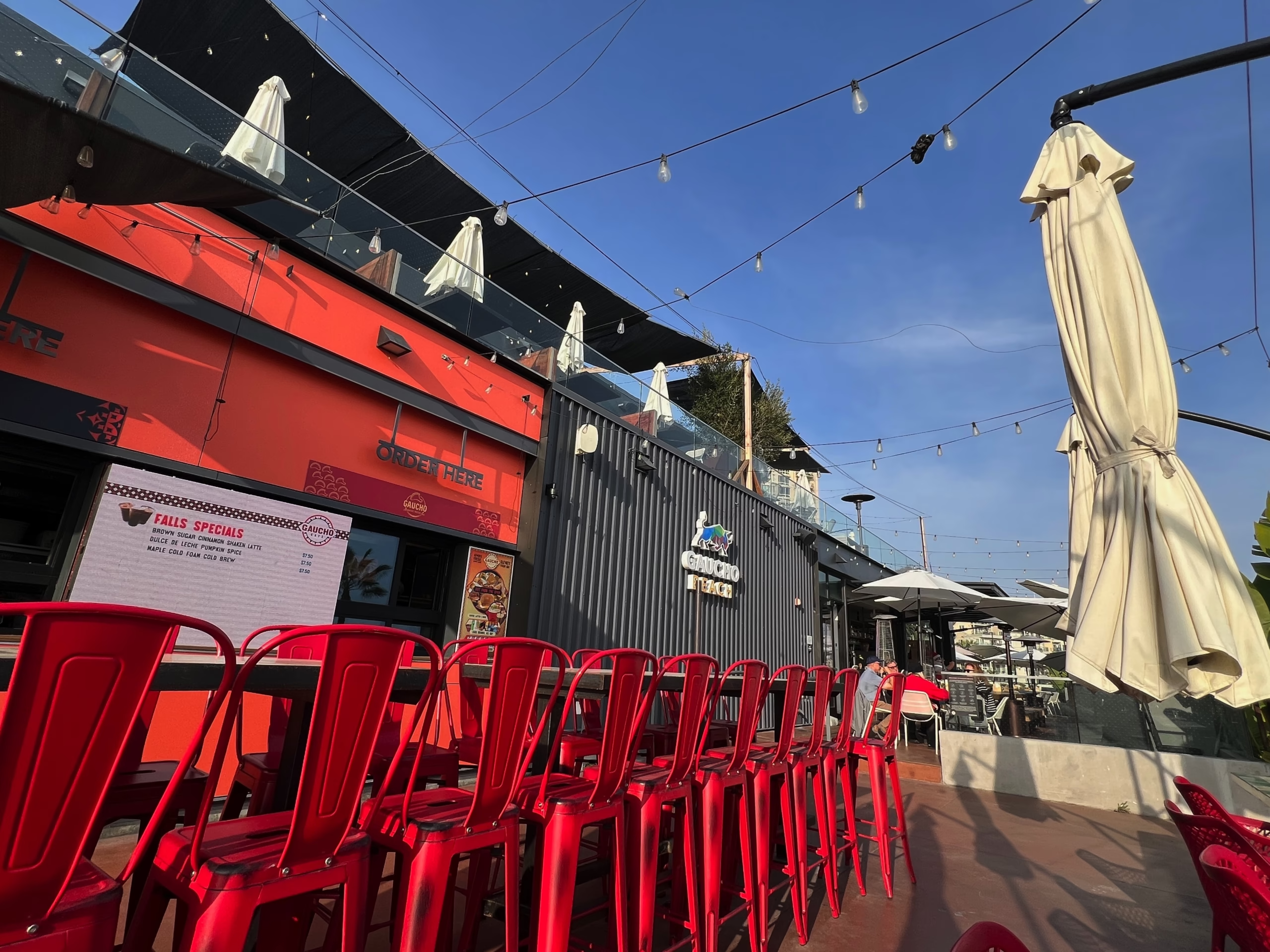
It was a good opportunity to take a coffee break. I found Gaucho Beach with outdoor seating. As I sipped my coffee, staring into the wide-open space before me, with the ocean afar, I felt like Long Beach is where I want to be in my next leg of journey in life.
I headed back Downtown Long Beach and saw a few heritage buildings.
The Fairmont Breakers Long Beach
Even as I passed by the Fairmont Breakers Long Beach, I marveled at the beauty of the building. Standing magnificently next to the beach, amply graced with the palmy vibes of California, the beautiful historic structure is built in the Spanish Renaissance Revival style with cast stone and plaster exterior. Built in 1926 as the Breakers Hotel, the Fairmont Breakers Long Beach has gone through the glory and decline that are woven into the fabric of local history.
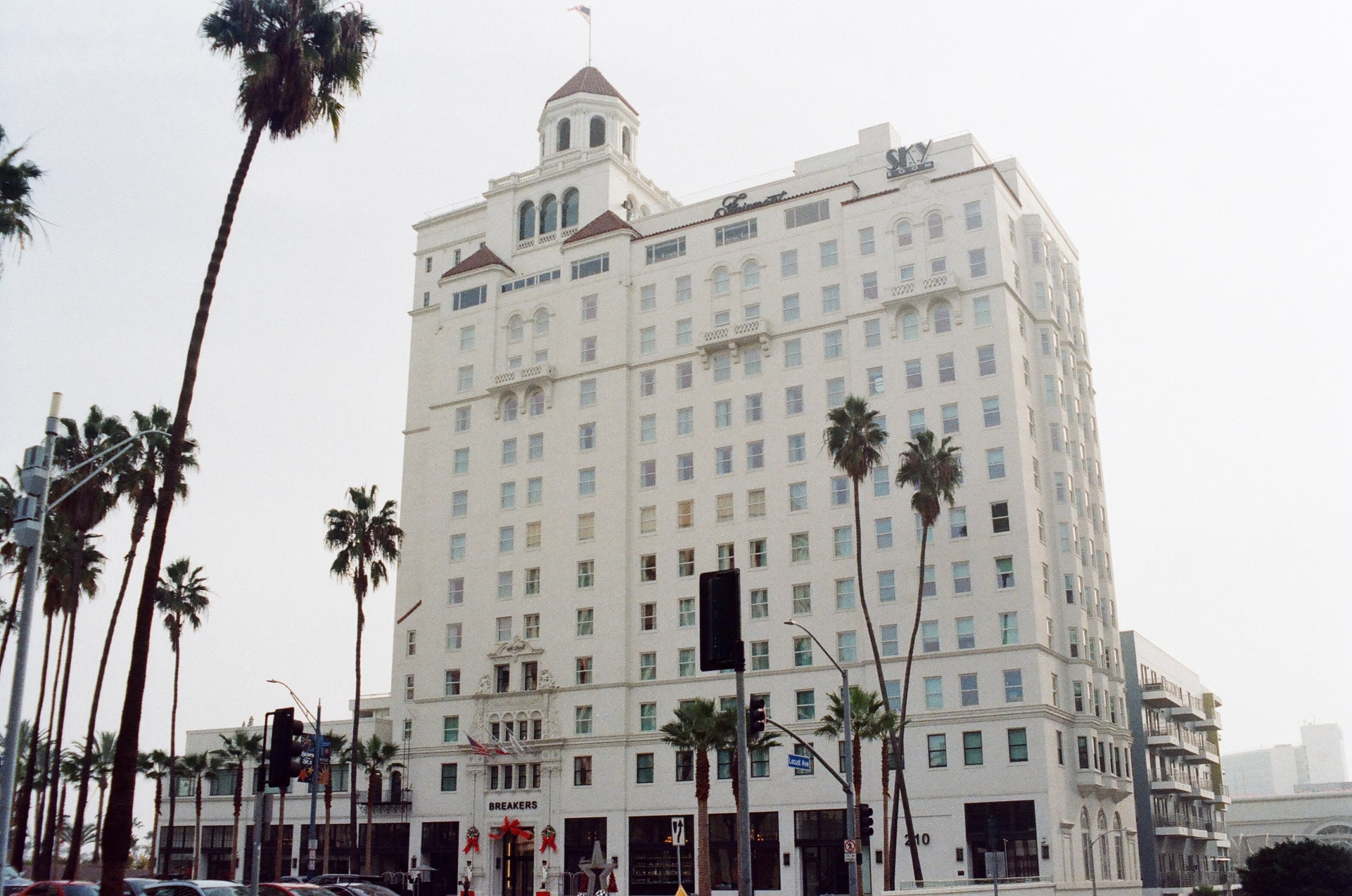
The original Breakers Hotel was developed by banker Fred B. Dunn. He hired the prominent Los Angeles architects, Albert Walker and Percy Eisen, to design a structure that brings together his penchant for luxury. The hotel, from inside out, was in every way the epitome of the excesses of the flappers’ era of the 1920s. Its grandiose décor, featuring art deco style interiors and a 500-seat main dining hall named “The Hall of the Galleons,” was an epic glory that would never be revived.
Legend has it that Charles Lindburgh, when he was on a flight, lost sight in this area due to heavy fog. He saw the big “B” of the hotel and managed to make an emergency landing as a result. He was greeted by a host of fans at the hotel the next morning.
Unfortunate as it was, the hotel met its decline when the world plunged into the Great Depression. Business was terrible. The 1933 Long Beach Earthquake was the disaster that sealed its fate in bankruptcy. The original Breakers’ final act was to serve as the Red Cross’ disaster relief center for the earthquake.
The Hilton Group purchased the hotel in 1938, and it became very popular with Hollywood actors, who find the location to afford a greater measure of privacy than Los Angeles proper. The Sky Room, the top floor bar and restaurant, was born of this era of the hotel. Together, the restaurant and the hotel were glorious again. During the Second World War, the hotel served as the Air Watch headquarters for Long Beach. It was fitted with two pillboxes, one of which remains today. Thereafter, the hotel was turned into luxury retirement homes, and in the 1990s it was also once an assisted-living center.
It is no surprise that the revitalization of the building was itself also much of a collaboration by local partners. The revitalization took 160 million.
It is a thoughtful and thorough process, aimed to “take a modern view of its historic nature” (National Trust for Historical Preservation). The restoration won the 2025 Preservation Award from the Los Angeles Conservancy.
The Sky Room is a bar and restaurant serving classic American with contemporary flair. If you want to have a more intimate experience with this heritage hotel without paying 5-star premium, visiting the Sky Room for drinks and dinner would be a good alternative.
The Psychic Temple
The Psychic Temple has an interesting history as the original home to a religious cult. In 1905, William C. Price built this structure to be the headquarters for his Society of New or Practical Psychology (a.k.a. The Holy Kiss Society).
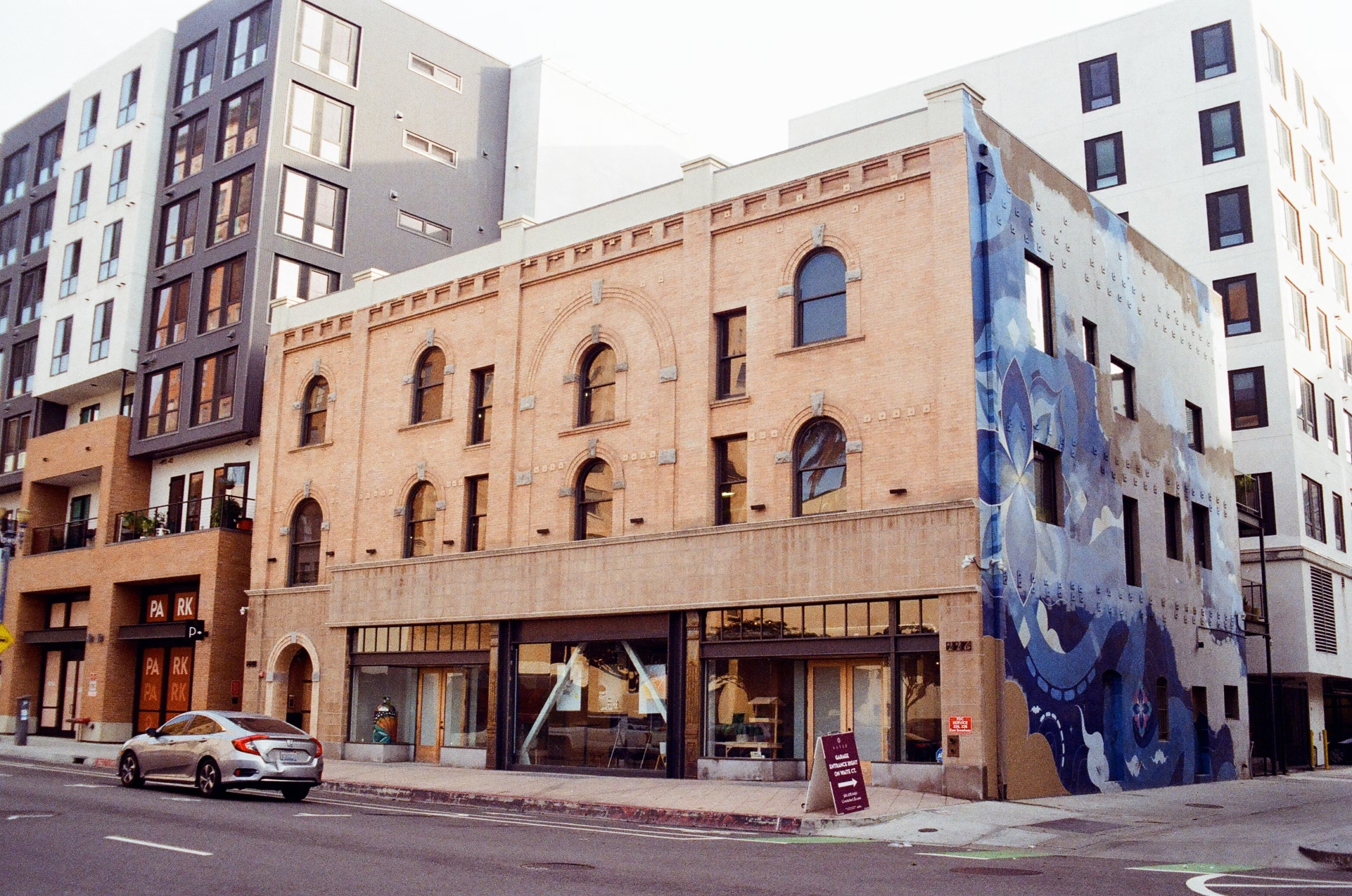
In 1908, Price sued his followers to collect unpaid stock purchases supporting his cult. His legal opponent, Anna Sewell, then bought the Psychic Temple for $2,910. She turned it into the American Hotel. The building became the second oldest commercial building in Downtown Long Beach. By 1989, the building has lived through the thick and thin with Long Beach. It was a very old building. The City of Long Beach declared it a historical landmark.
In 2000, the City of Long Beach purchased the property. There were hopes to redevelop the building to give it new life and mission. Finally, in 2012, JR van Dijs, Inc. was given the permission to restore it for the use of interTrend as an arts and creativity space.
Long Beach is a historic community and there are many more stories that hide in plain sight in its downtown. I highly recommend joining a heritage tour to learn about the architecture of the downtown buildings. See information here.
Sources
The Wikipedia on RMS Queen Mary.
The Website of RMS Queen Mary.
The Website of Psychic Temple.
National Trust for Historic Preservation, Almost a Century After Its Construction, a Celebrated Long Beach, California, Hotel Enters Its Next Era.