
Historic Macau — The Dom Pedro V Theatre and Sir Robert Ho Tung Library
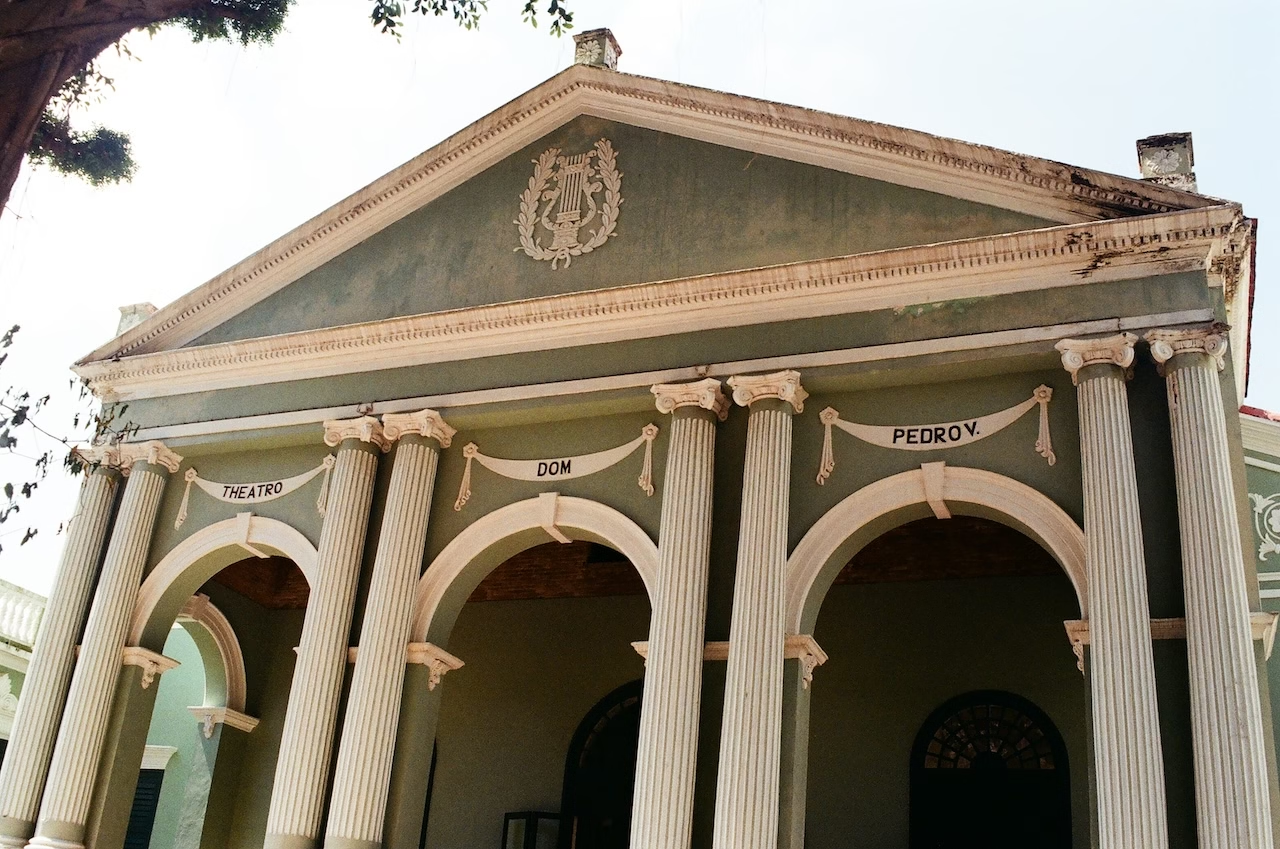
Right across from the St. Augustine’s Church is the Dom Pedro V Theatre, built in an exceptionally beautiful style of neoclassical architecture. Its elegance, being distinctly cultural in character, is a nice change of scenery from the multitude of churches that I saw in Macau.
The Dom Pedro V Theatre
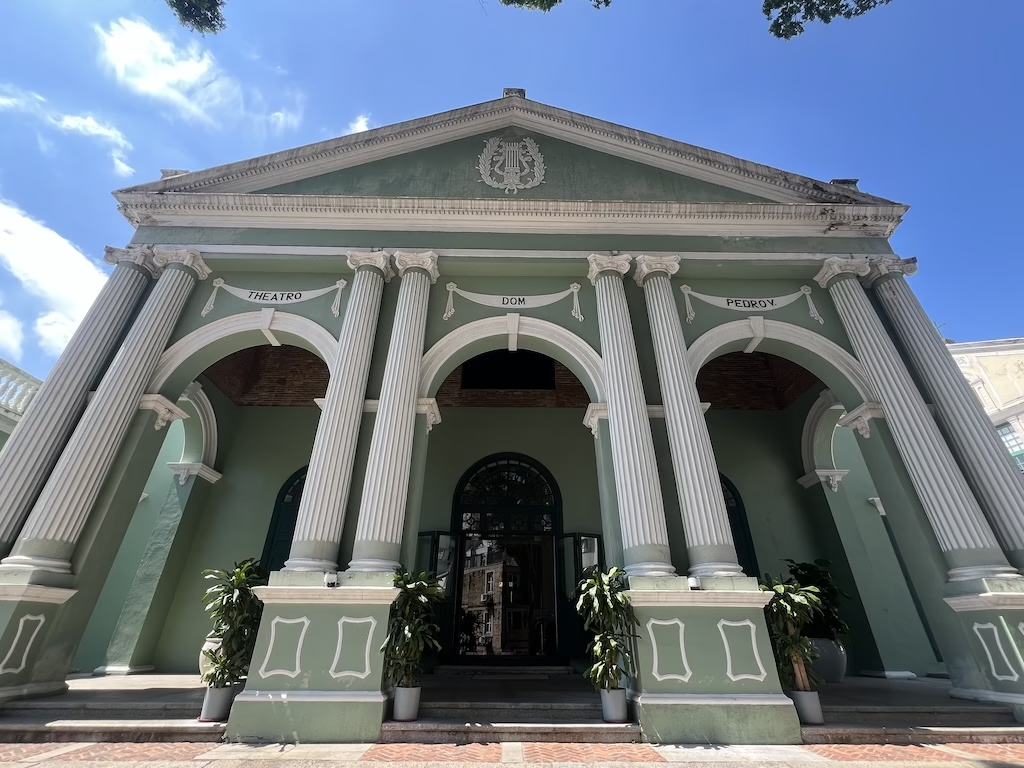
Dom Pedro V is the King of Portugal, who ruled between 1853 and 1861. The Dom Pedro V Theatre is dedicated to his name. Built in 1860, it was the first western-style theater in China. Needless to say, its establishment was originally to serve the cultural and social circles of the Portuguese / Macanese in Macau.
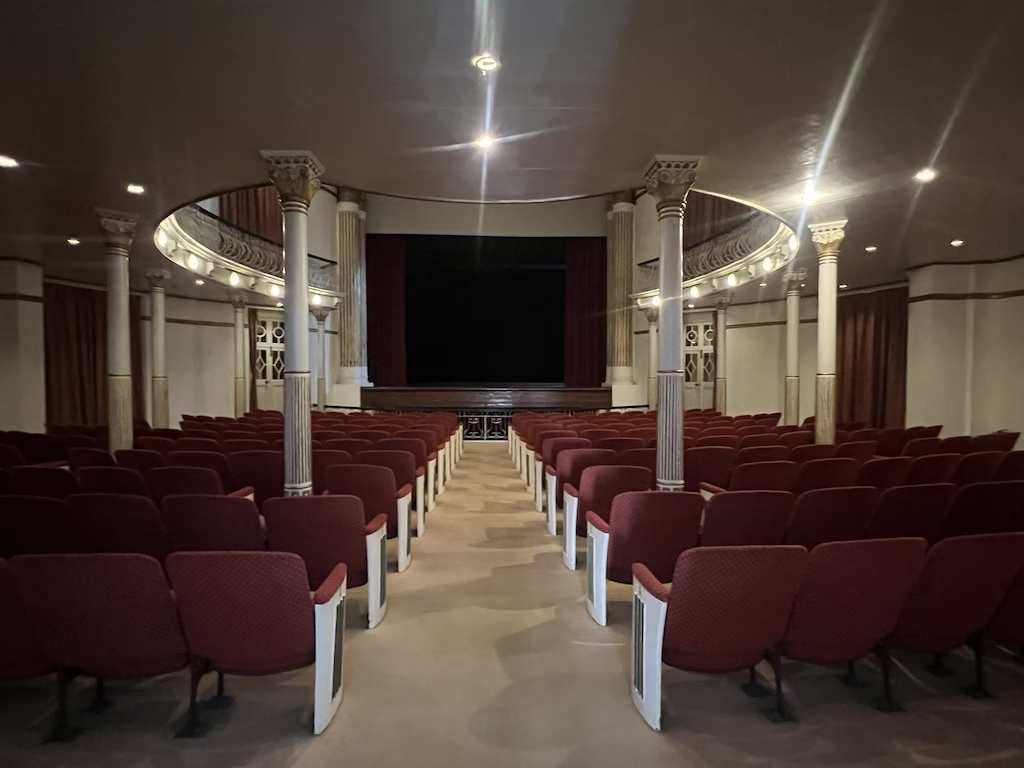
The main hall accommodates 276 seats. From opera to concerts, to dance performances, the Dom Pedro V Theatre gives a classy home to some of the most celebrated cultural events in Macau’s history. In a rare showing, the Theatre hosted the celebration of the Qing Empress’ birthday in 1894. The audience were the Chinese people of Macau. The program included recitals and charitable events.
The Crazy Paris Show, which was based on the Crazy Horse Show of Paris, was frequently featured by the Lisboa Hotel, and more recently by the Parisian Macao, during the 1980s. But the very first Crazy Paris Show in Macau was held at the Dom Pedro V Theatre. Apparently, the show being the raucous display of near nudity, the organizers’ decision to hold it at the Dom Pedro V Theatre was questioned by many, including the clergy. The overseer had to broker consensus with both the clergy and the residents to debut the show at the Dom Pedro V Theatre.
The Dom Pedro V Theatre continues to serve as a landmark for cultural performances today. The old divisive practice of rendering the Chinese audience to certain designated sections at the back of the main hall has long receded into the progressive history of the city. These days, the Theatre is the prime venue for the Macao Orchestra and the Macao Chinese Orchestra, both of which are incredibly popular still with the Macanese music lovers.
Architectural and Interior Designs of the Dom Pedro V Theatre
It was Macanese Pedro Germano Marques that designed the original Theatre in neoclassical style in 1860. The beautiful façade was the work of Barão do Cercal, who completed it in 1873.
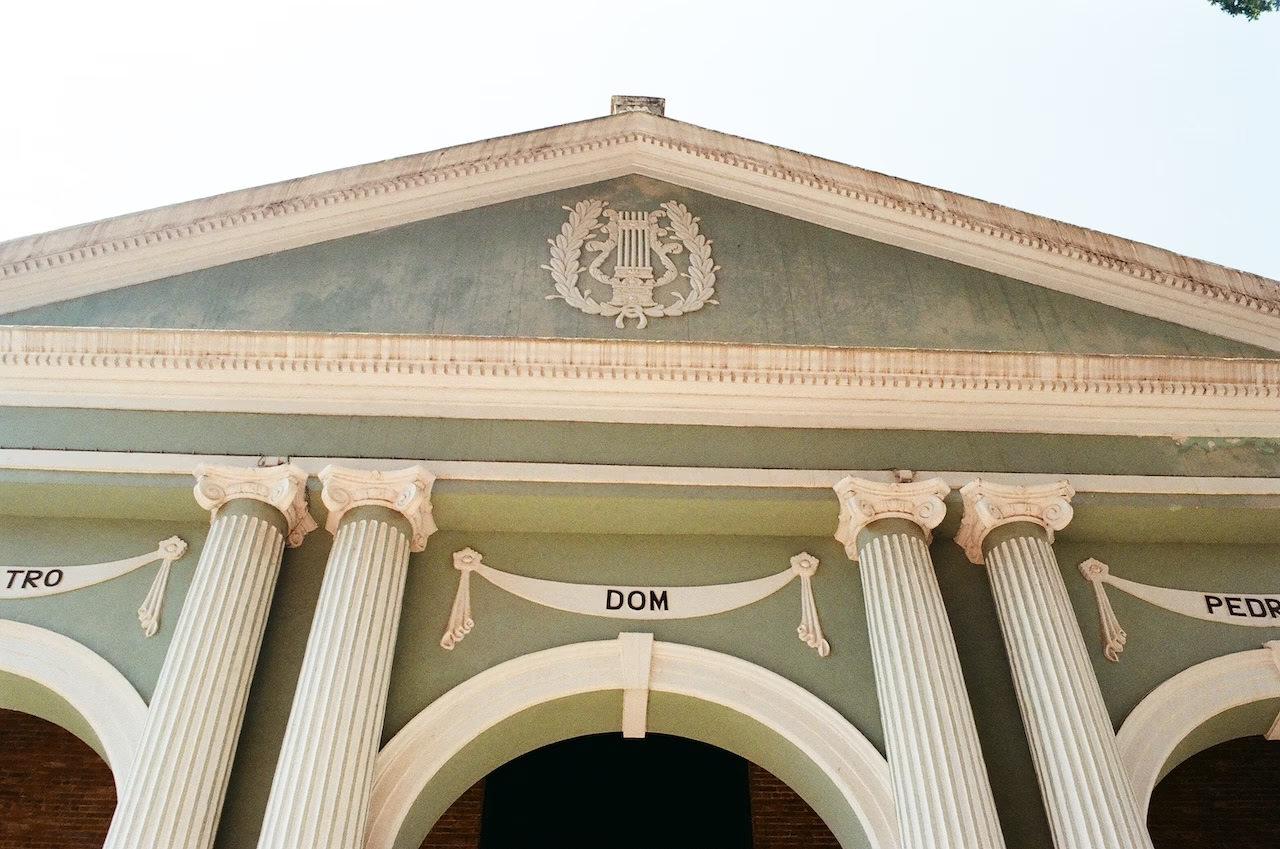
The façade was meant to augment the appearance of the Theatre with sophistication, and it certainly fulfills this aspiration. Perhaps the most significant are the four pairs of tall roman columns that line the side of the three arched entrances into the porch of the Theatre. Perhaps the triangular pediment above is somewhat reminiscent of the St. Augustine’s Church right across. Both structures were built in the neoclassical tradition of architecture.
The building has a ballroom, which opens onto a circular auditorium with a horse-shoe shaped balcony. When there were special events, the seats of the auditorium were removed to make way for banquet tables. The ballroom is meant for holding real dances. There are also reading and snooker rooms in the Theatre.
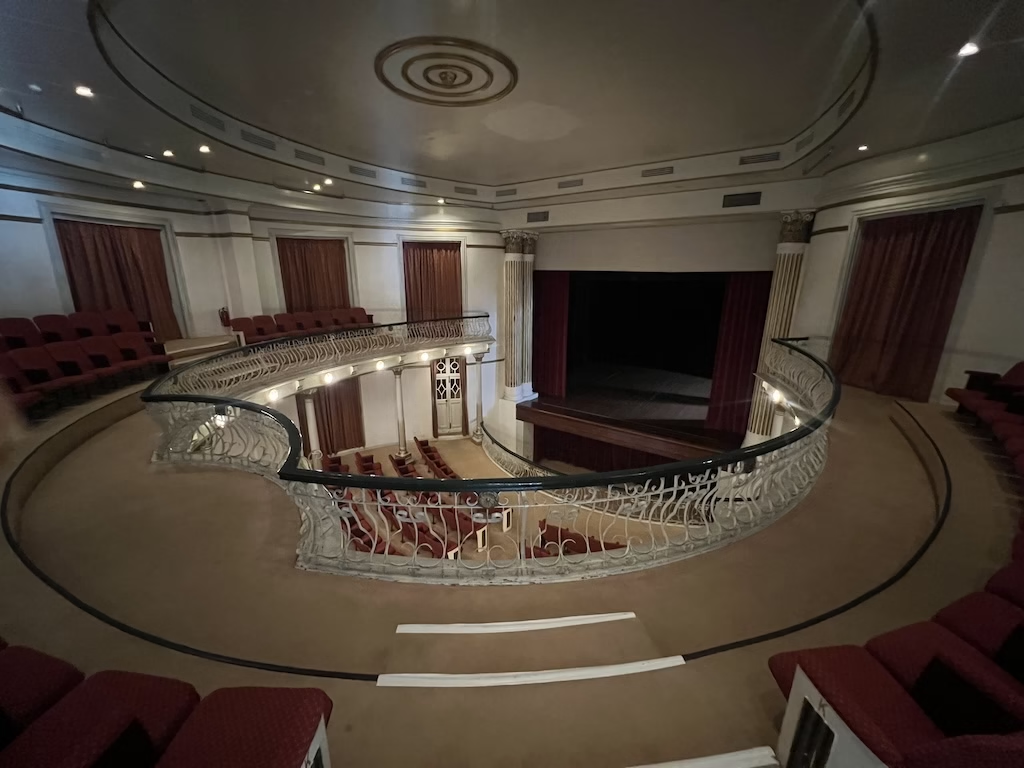
I believe that if you ask any living Macanese, they would tell you that, in terms of classic sophistication, the Dom Pedro V Theatre is second to none in both its exterior and interior. That is, perhaps even topping the ranks in terms of Macau’s historic buildings. I certainly loved the vibe there – you are free to sit inside the main hall if you would behave. You would not miss that assured sense of old-world finesse at the Theatre, as expressed in the décor alone.
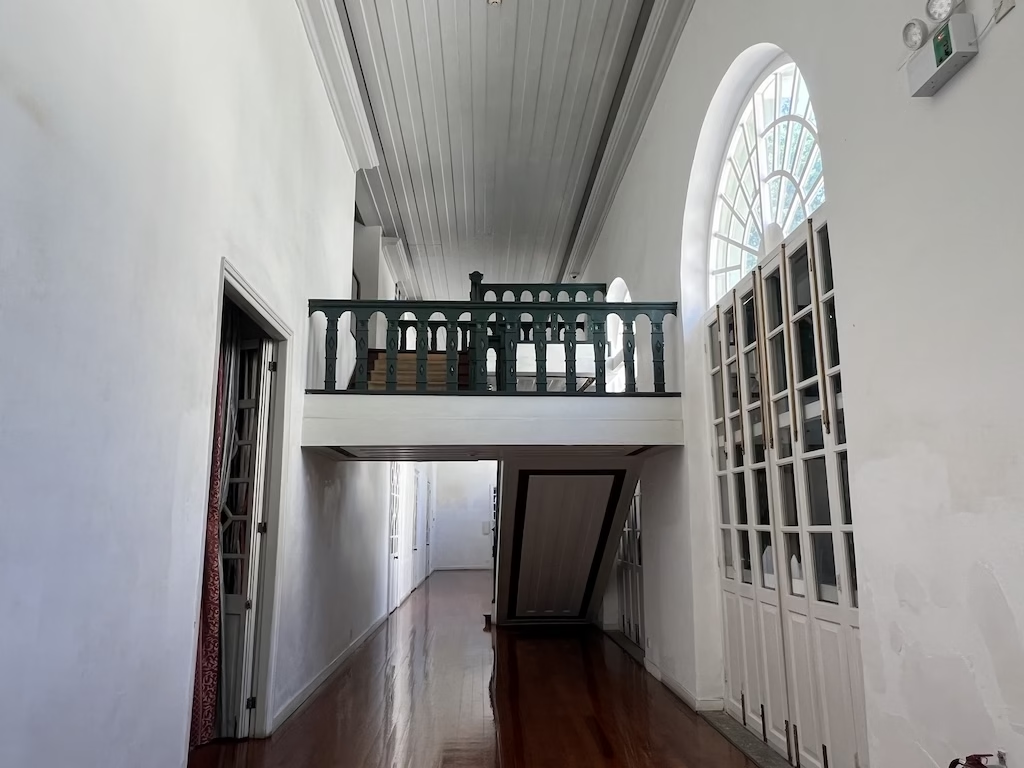
The Sir Robert Ho Tung Library
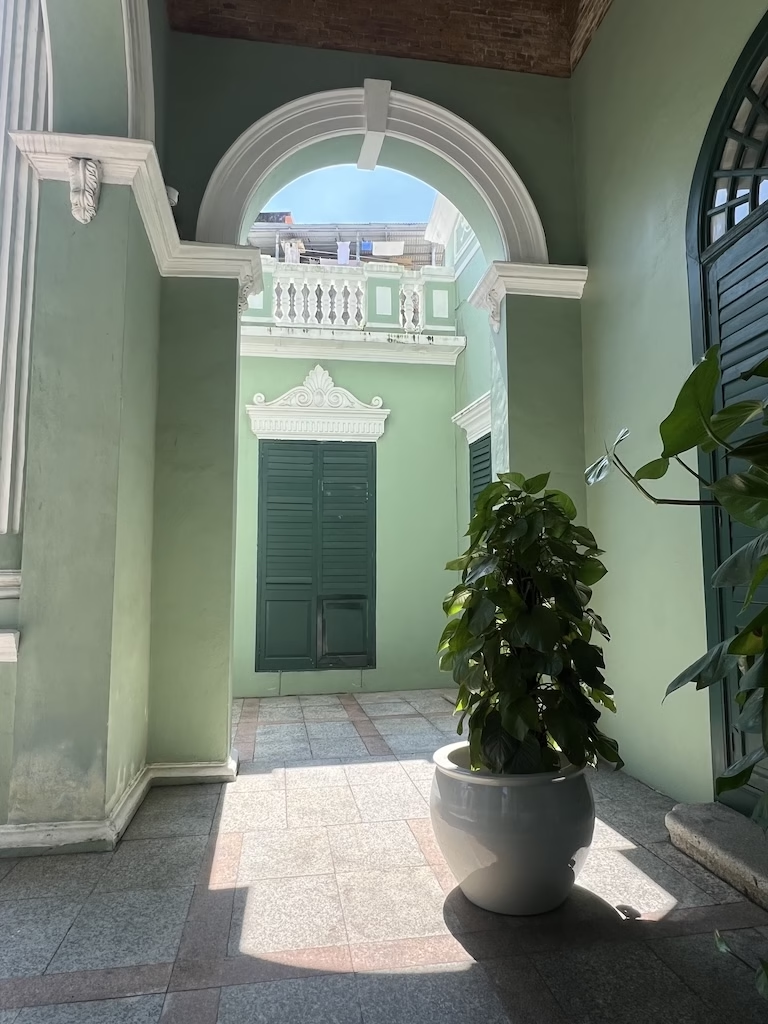
You would come across the Sir Robert Ho Tung Library once you have passed the St. Augustine’s Square.
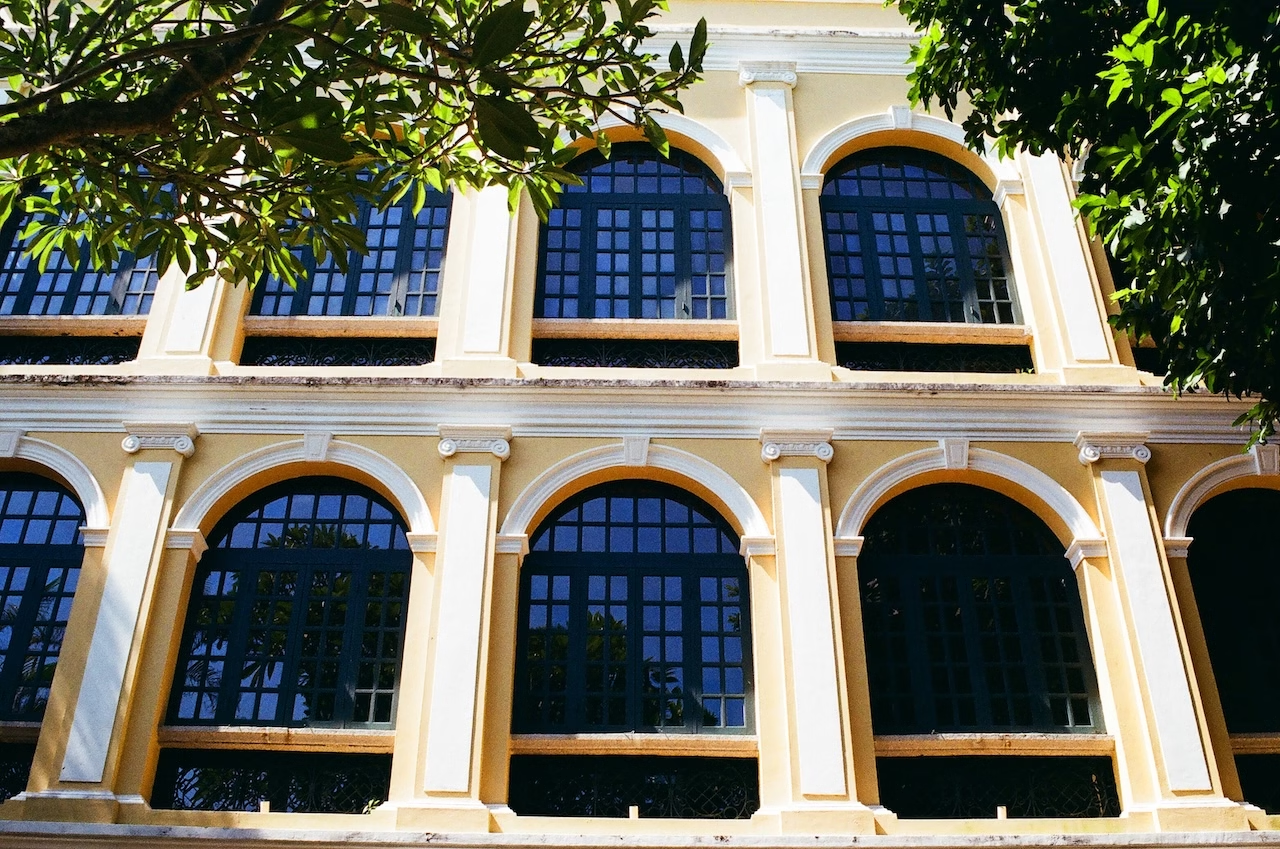
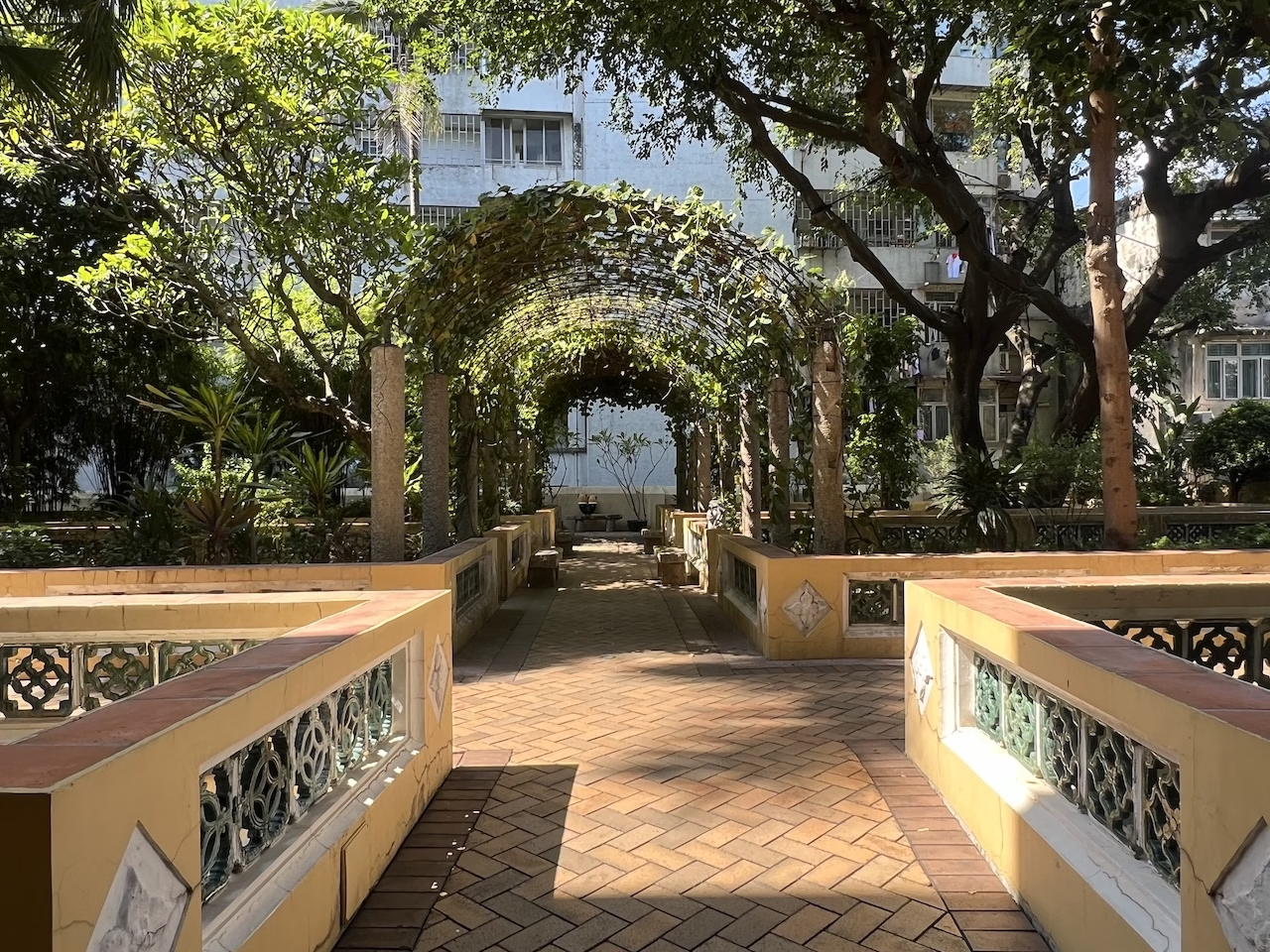
It is an ideal stop if you are visiting Macau on a very hot day. There are seating inside and outside, both covered and open-air at the library. I found a much-needed respite there.
A Brief Introduction of Sir Robert Ho Tung
Sir Robert Ho Tung is considered a “Grand Old Man” in Hong Kong due to his wealth, status, success and philanthropy. Born to a father of Dutch Jewish ancestry, Sir Robert Ho tung was Eurasian. He had always considered himself native in British Hong Kong, however. After finishing education at the Central School (now Queen’s College), he worked in the Chinese Imperial Maritime Customs as a clerk in Canton. Due to his bilingual skills, he rose to become the Head Comprador for Jardine Matheson & Co in 1894. It was believed that, by age 35, he was the richest man in Hong Kong.
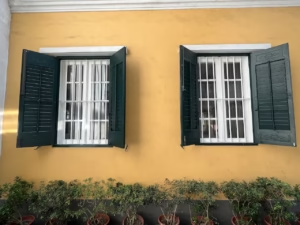
The relationship of Sir Robert Ho Tung with Macau is a celebrated one. Stanley Ho, the late casino tycoon of Macau, is a grandnephew of Sir Robert Ho Tung.
Sir Robert Ho Tung purchased the mansion, formerly owned by Donna Carolina Cunha, in Macau in 1918. The original structure was built before 1894 in the Macanese style. During the Japanese Occupation years in Hong Kong, Sir Robert Ho Tung lived in this mansion, as Macau remained neutral during the war. He left the mansion to the Macau government in his will, designating its use as a public library. The family also bequeathed HK $25,000 to the library for the purpose of aquisition. Sir Robert Ho Tung died in 1956, and the library opened its doors to the public in 1958.
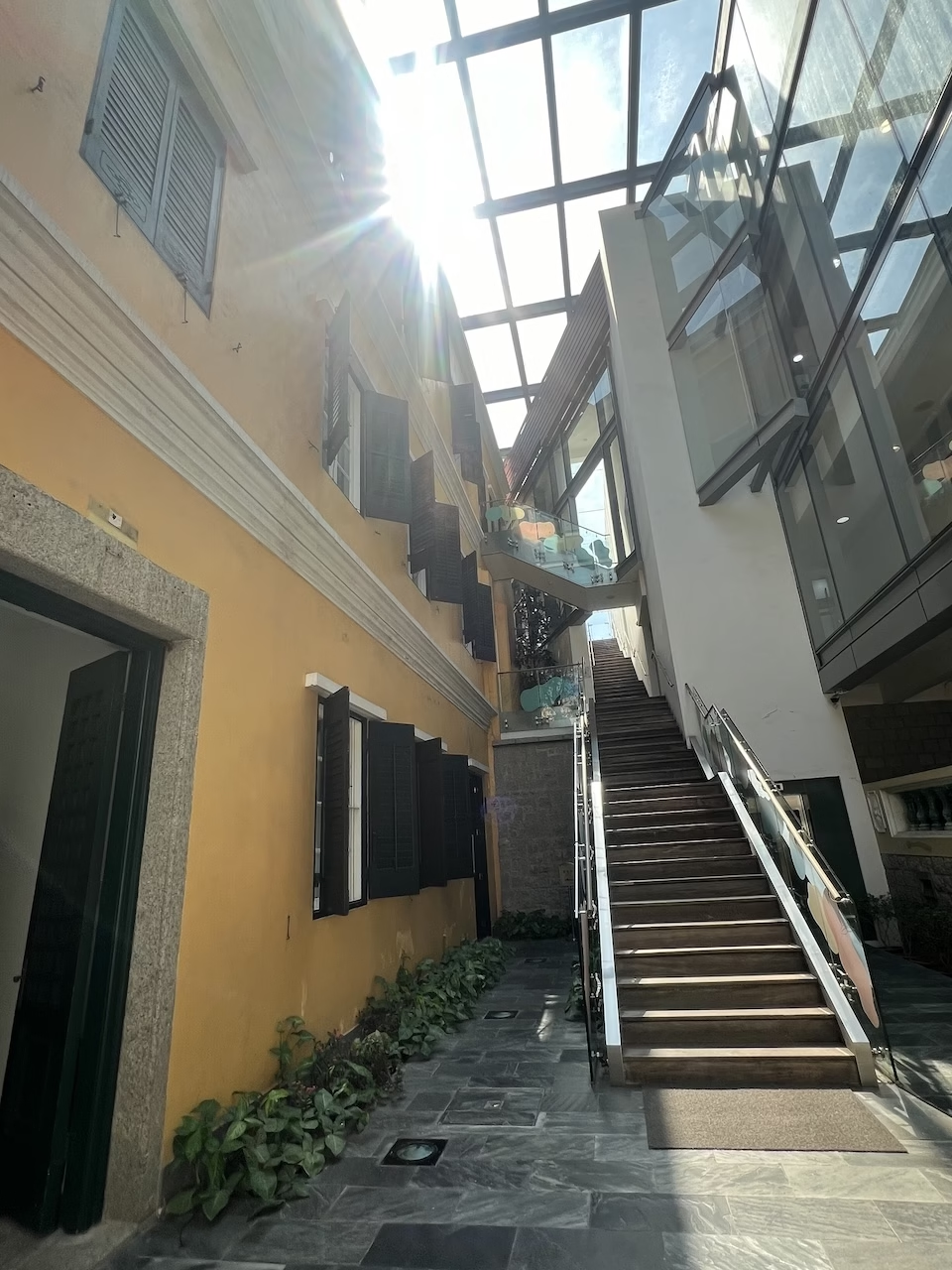
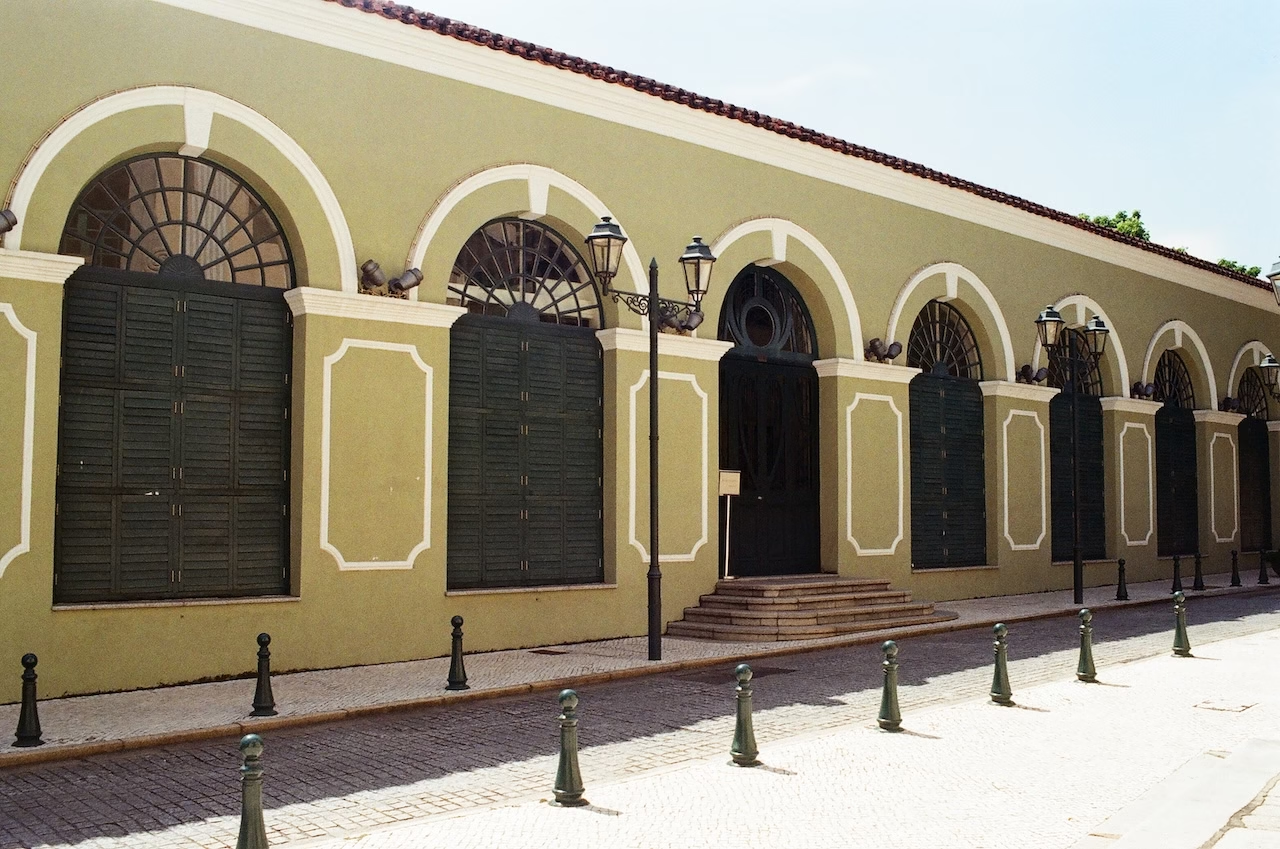
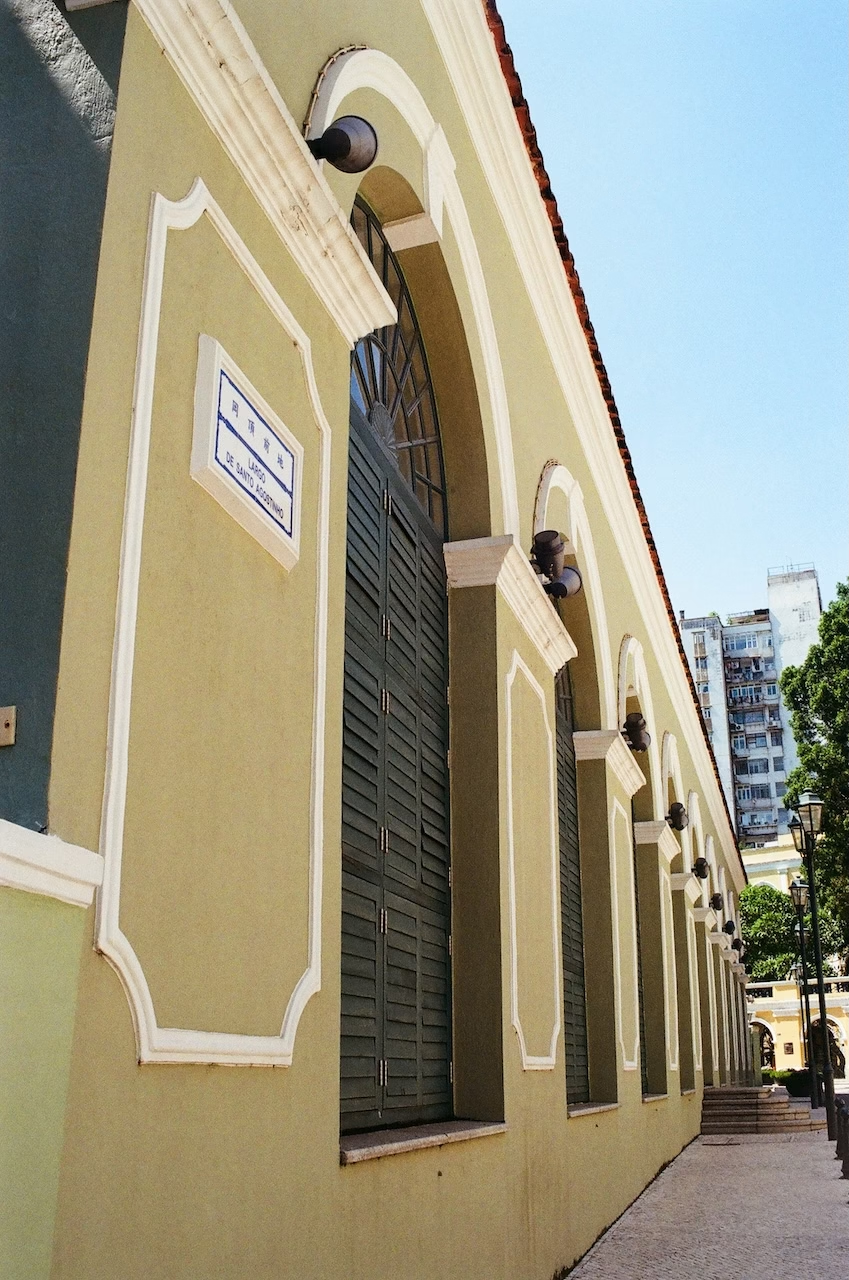
According to Macau Lifestyle, “the building façade is composed of pilasters with Ionian-inspired capitals with details in white stucco, featuring a wall arcade with balustrades, all painted in ochre yellow.”
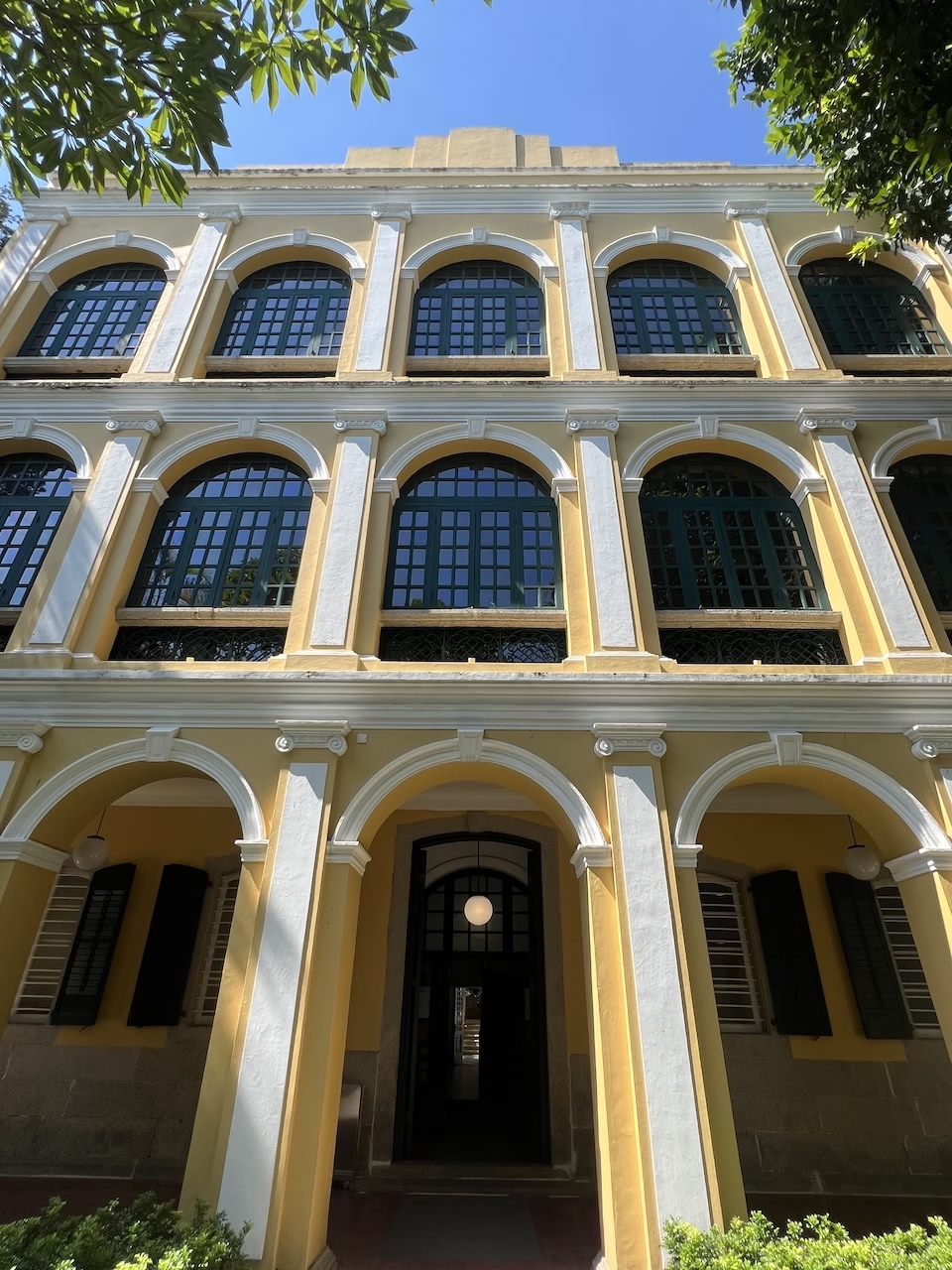
The library houses more than 5,000 ancient Chinese titles, as well as rare book collections.
Sources
Descriptions on site at the St. Augustine’s Square and the Sir Robert Ho Tung Library.
Macau Lifestyle, Dom Pedro V Theatre.
Macau Lifestyle, A Guide to St. Augustine’s Square.
Macau Lifestyle, Sir Robert Ho Tung Library.
The Wikipedia on Robert Ho Tung.