To Kwa Wan Remembered — Half a Century of Modest Food and the Tin Hau Temple
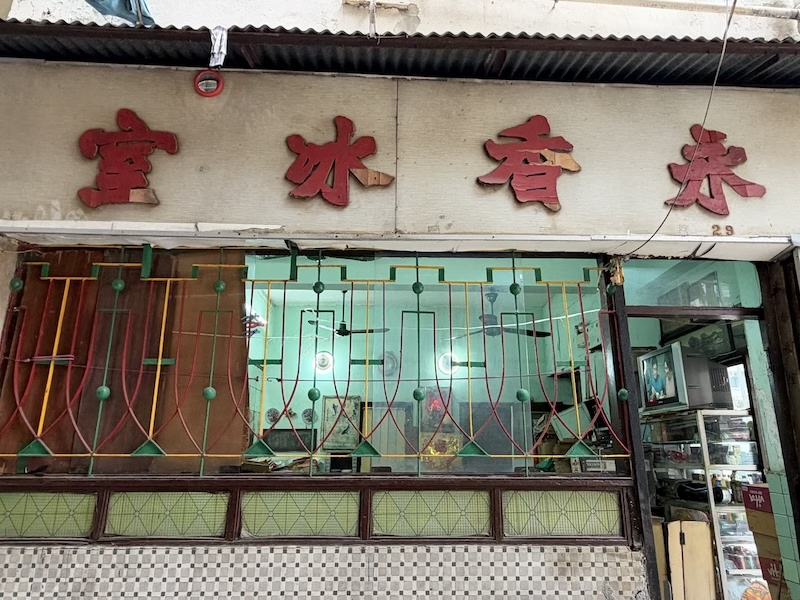
After visiting the Sung Wong Toi Garden, I made my way south along Ma Tau Wai Road. I made a turn into the grid of the former industrial area of To Kwa Wan, and soon found Wing Heung Bing Sutt.
Wing Heung Bing Sutt
Since 1959.
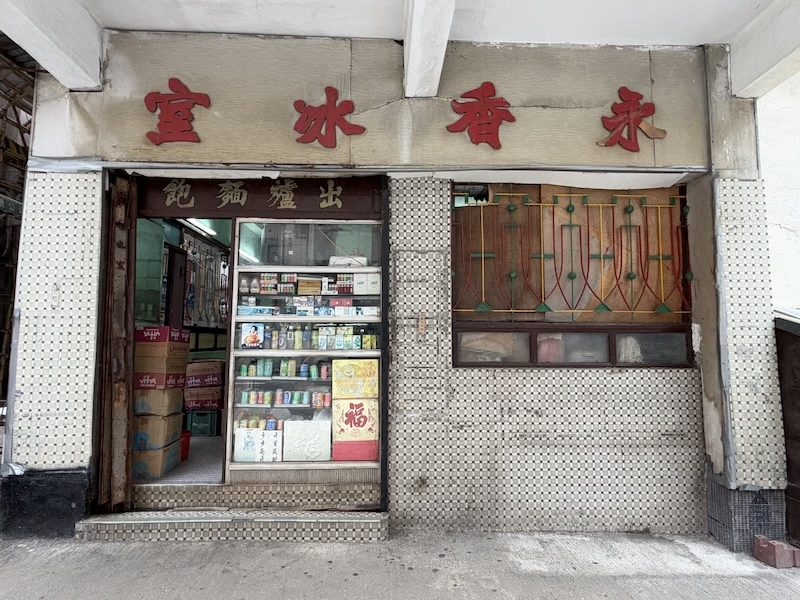
Yes, since 1959, Wing Heung Bing Sutt has served the To Kwa Wan community for 67 years.
During the industrial days of To Kwa Wan, Wing Heung was the hot spot for the workers in the industries. When To Kwa Wan was still the industrial craftsmen’s district, Wing Heung Bing Sutt served the classic humble meals that sustained a workman’s typical work day.
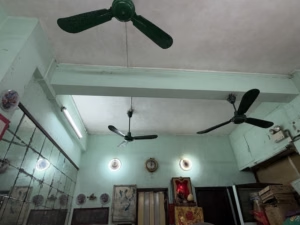
Times have indeed changed. But the Wing Heung Bing Sutt, as of 2026, has been left behind in those bygone times. I walked into the old restaurant, surprised to find its dining space showing all original fittings. The mosaic tile floor, the short wooden tables in compartment seatings, the old-fashioned three-flap roof fans, and the paintings that gathered dust with frayed edges — there has been no effort to upkeep the place.
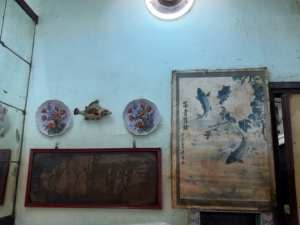
Time has done its work on the fixtures. As I sat on the chair, I realized right away that it was tilted at an awkward angle. The space reminded me of the unkempt home of a lonely elderly. The clutter in the restaurant was nearly sorrowful. It shows a kind of “I am too old to care” vibe.
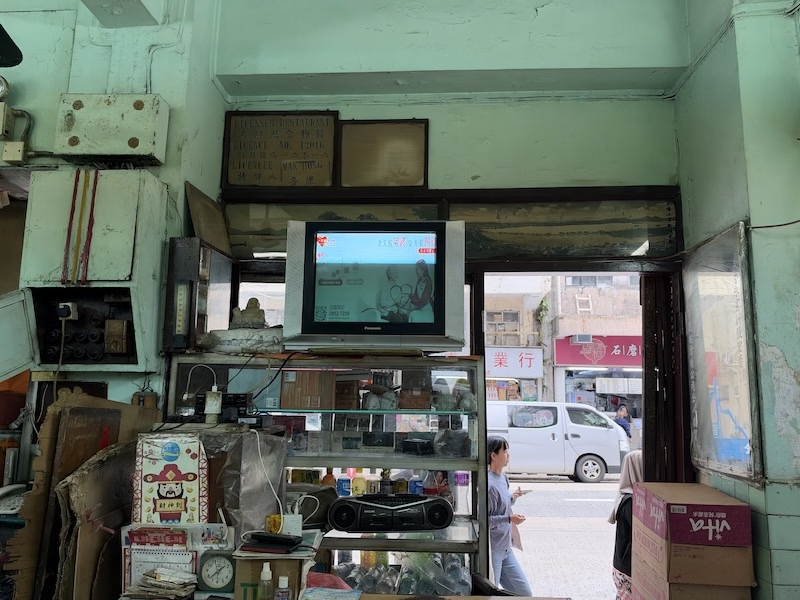
I spotted broom boxes that had cassette slots — and it felt to me that the last update of the owner’s life was maybe the 1990s. The one item that is surely from 1959 is the original certificate of registration, placed above the cashier.
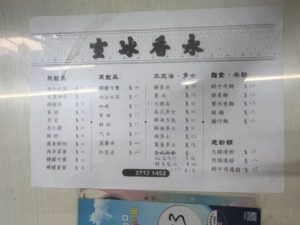
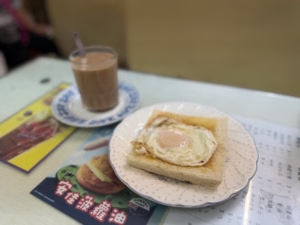
The menu is small, and almost all of the food is some kind of toast. I ordered a soft-boiled egg over buttered toast, and a milk tea. When the food came, it finally occurred to me what has kept this restaurant going, and it is the people here. The food was indeed made in the “bing sutt” style. It shows an understanding of small meals that is also of the bygone era. The toast was plain and good in the very original Hong Kong way, and there was no effort to incorporate any reinterpretation or “creativity” into the food. The milk tea was made only from a Lipton teabag (or two), unlike the typical Cha Chaan Teng milk tea, which is made with very dark tea from a blend of tea leaves. The obsolescence of Wing Heung Bing Sutt is apparent, surely, but it is intentional and the adamance is surprisingly refreshing in a culture where food preferences reincarnate in never-ending fads.
I was taking a lot of photographs, and the owner knew right away that I was one of those heritage tourists that went there for the nostalgia. The owner Hoi Gor (Brother Hoi) came out of the kitchen and carried on with a spirited conversation. His mother was sitting in the middle table of the restaurant this whole time.
I told him that I grew up in To Kwa Wan, and the female staff there joined in, talking about all things Hong Kong with me.
I asked them what they would be doing when it comes time that they are too old to carry on with the business, “do you have in mind a successor?” He shrugged, “find me someone that cares enough about this type of business.”
Wing Heung Bing Sutt does not always open at regular hours, but it does strive to open daily. I will be sure to go back for more — of the spirited conversations with people that belong to Hong Kong’s bygone days.
The address of Wing Heung Bing Sutt is No. 29, Pau Cheung Street, To Kwa Wan.
The Po Sei Cha Chaan Teng
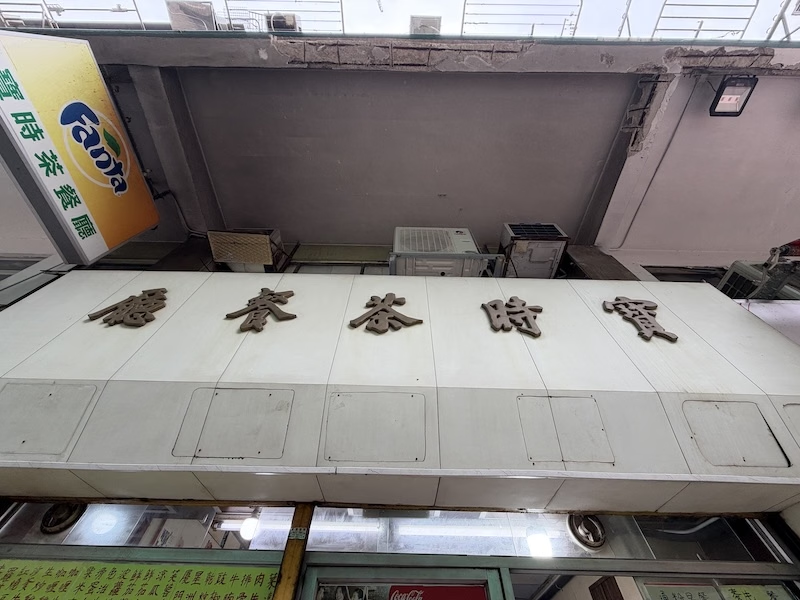
Po Sei is another restaurant that has served the To Kwa Wan community for over 50 years. The restaurant is very popular, as it was full house during the lunch rush hour. I sat down and struggled with indecisiveness: the menu offers a panoply of Cha Chaan Teng classics, its full handwritten menu being displayed on the walls.
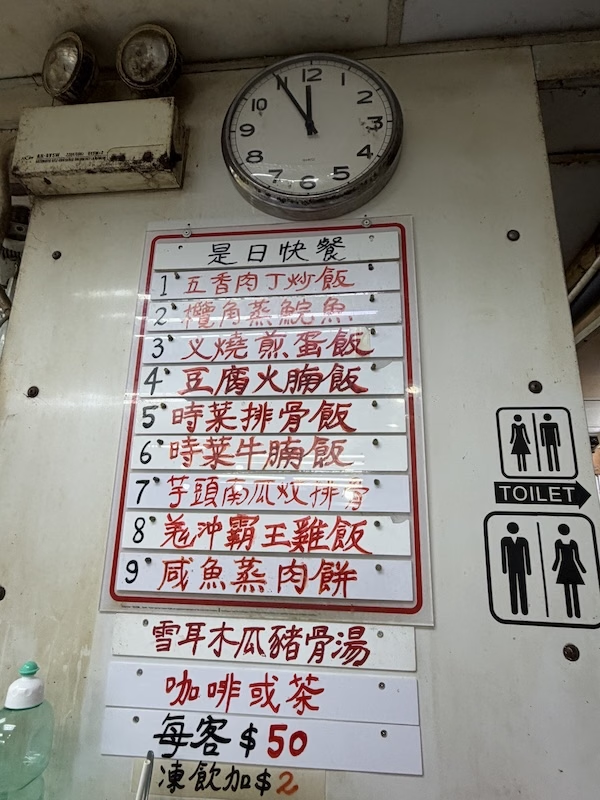
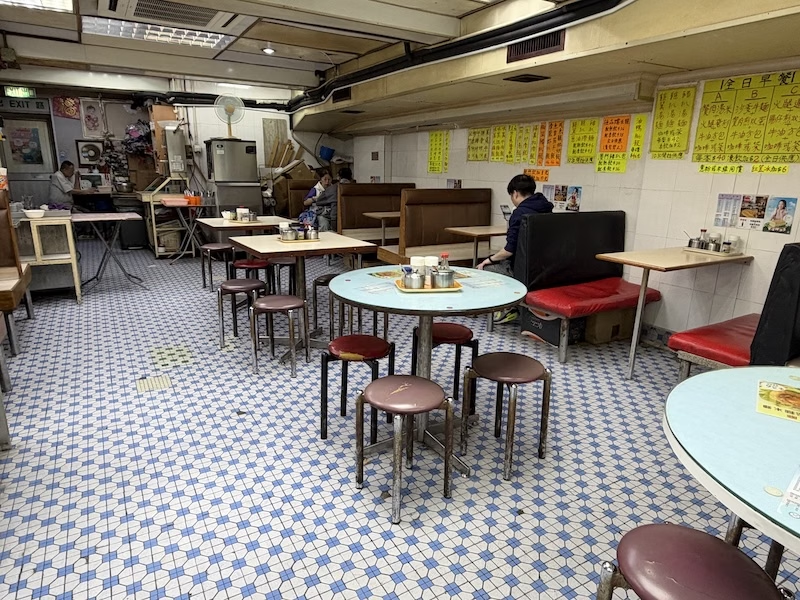
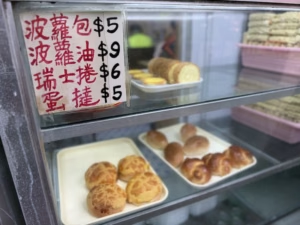
I was drawn to the old-fashioned manners with which the restaurant greeted its customers. There was a display of its pastries in the front window. You push open the metal framed glass doors and see the round clock with silver rim. Your feet rest on the mosaic floor tiles that are likely older than yourself. All the waiters there are in their prime silver-haired years, greeting you with a compelling warmth that is the central part of the dining experience.
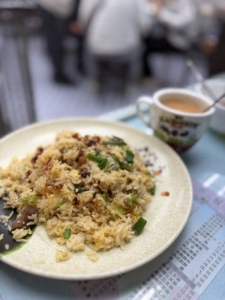
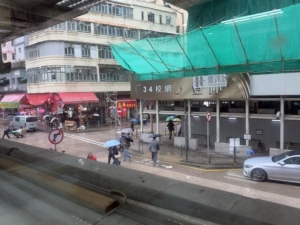
I went up to the mezzanine level and sat down next to the window looking down Ha Heung Road. I wanted fried rice on the coldest day in this autumn of 2026.
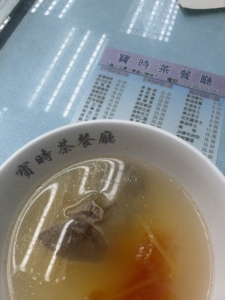
I could not tell if the misty views of To Kwa Wan below was a result of the cold drizzles of the day or my own tears welling over the realization that I have come full circle here, being back in To Kwa Wan again.
The Tin Hau Temple of To Kwa Wan
Just across the street from Po Sei lies the Tin Hau Temple.
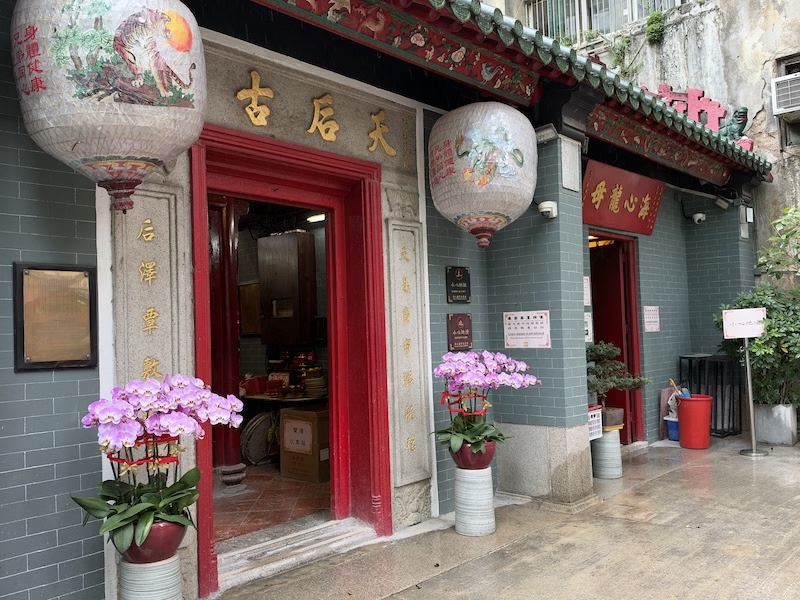
Tin Hau, the Goddess of the Sea, is the deity most commonly worshipped by the fishermen community in southern China. The fishermen of To Kwa Wan were of Hakka origin. Their first temple was the Hoi Sum Temple, built right across from Hoi Sum Island.
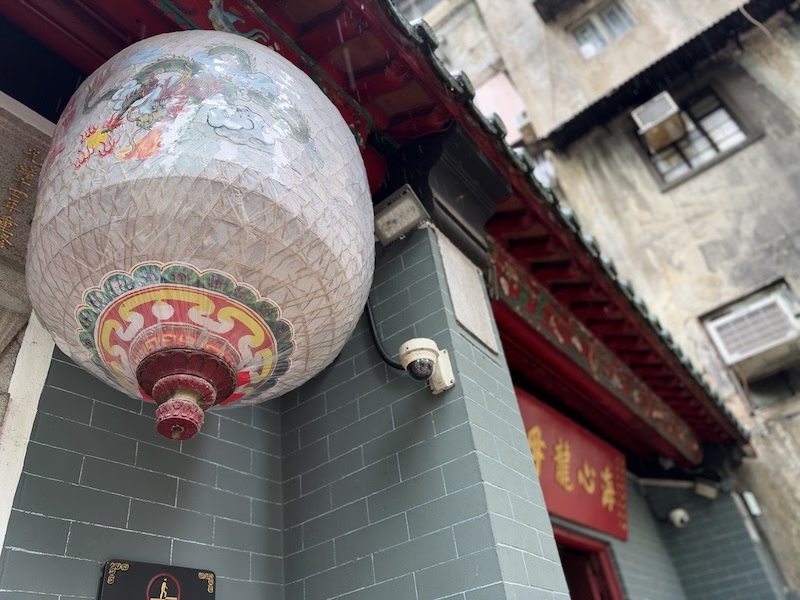
The Tin Hau Temple at the intersection of Ha Heung Road and Lok Shan Road in To Kwa Wan was built in the 11th year of the Guangxu reign (1885) during the Qing dynasty. It was the temple that replaced Hoi Sum Temple, which sat on the part that is now reclaimed land (as Hoi Sum Islet was also reclaimed). The original statue of Lung Mo (Dragon Mother, the resident deity of Hoi Sum Temple) was then placed within the side hall of the Tin Hau Temple.
Still, this Tin Hau Temple stands at the former waterfront of To Kwa Wan. The faithful worshippers came here to pray for safety at sea before their voyages. With even more reclamation since its construction, the Tin Hau Temple now is pretty much inland.
Just a quick walk in the temple reveals that it remains a vibrant religious venue today. It is well kept, and a lot of the followers have paid their tributes in the lit incenses.
The Architecture of the Tin Hau Temple of To Kwa Wan
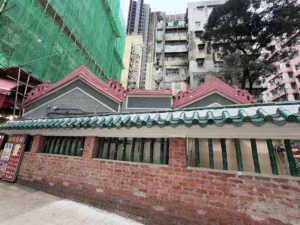
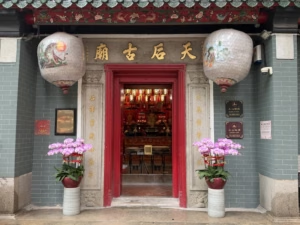
The Tin Hau Temple of To Kwa Wan is a two-hall, three-bay and one courtyard format. It is quite typical of the Qing dynasty Chinese temples in Hong Kong, built in the Qing vernacular style. The building is a brick structure, with pitched roofs of timber rafters, purlins and clay tiles. Perhaps it is worth noting that the ridge of this Tin Hau Temple shows two ceramic “aoyu” (a kind of fish) with a pearl. This goes with the theme of the fishermen’s lives.
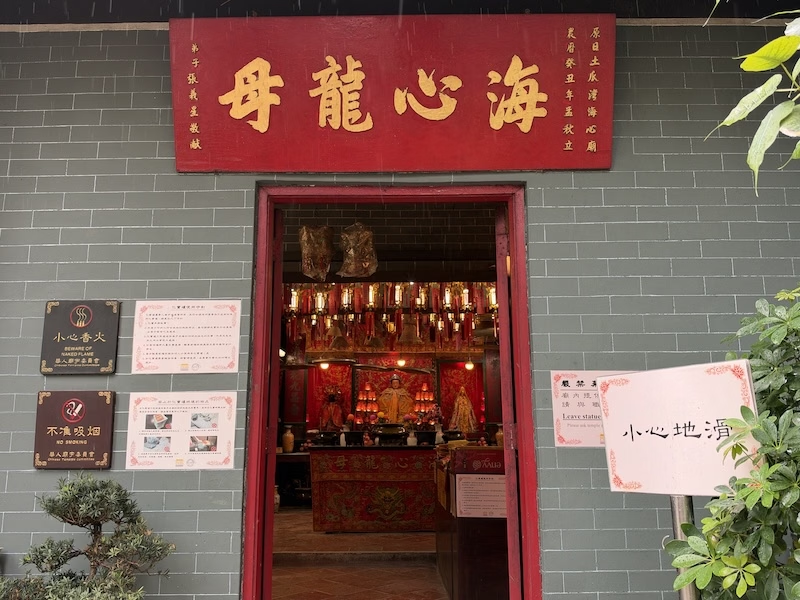
The Tin Hau Temple of To Kwa Wan is a Grade 3 Historic Building now managed by the Chinese Temples Committee. The address of the Tin Hau Temple is No. 49, Ha Heung Road, To Kwa Wan.
Sources
The Website of Chinese Temple Commission on The Tin Hau Temple of To Kwa Wan (Chin) at
The Antiques Advisor Board, Historic Building Appraisal Number 1081.