
Prosperous Phu Quoc — The Dinh Cau Temple
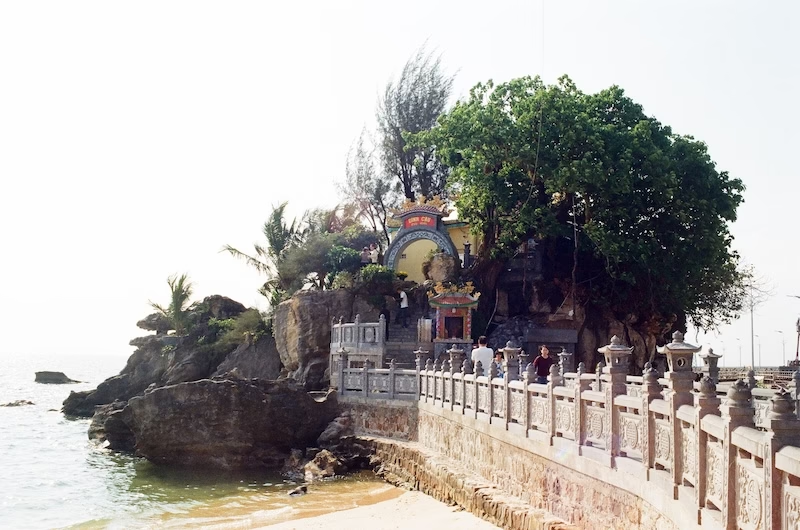
It is no surprise that the Goddess of the Sea is the long-revered deity for the people of Phu Quoc. That is certainly the commonest worship in the coastal regions of southern China as well. I wanted to visit heritage and religious sites in the island, and decided that I would rather see the Dinh Cau Temple than the Ho Quoc Pagoda.
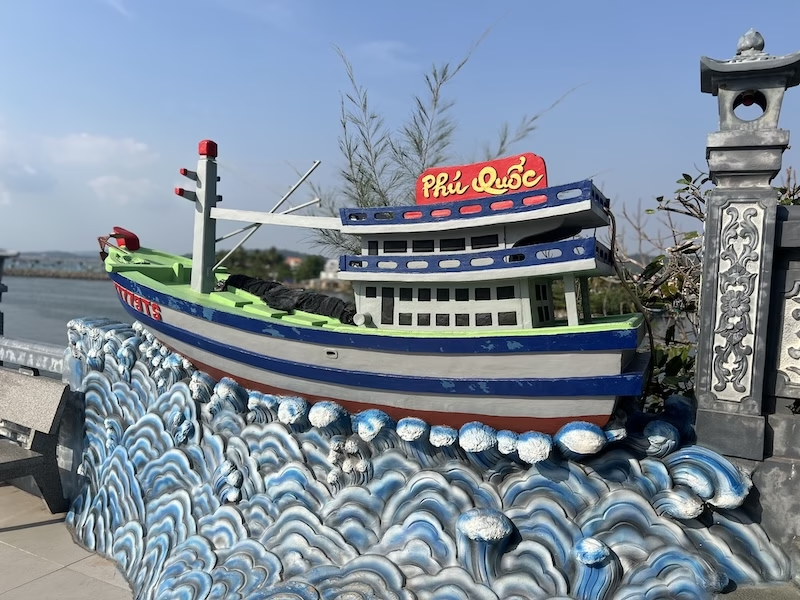
The Dinh Cau Temple of Phu Quoc
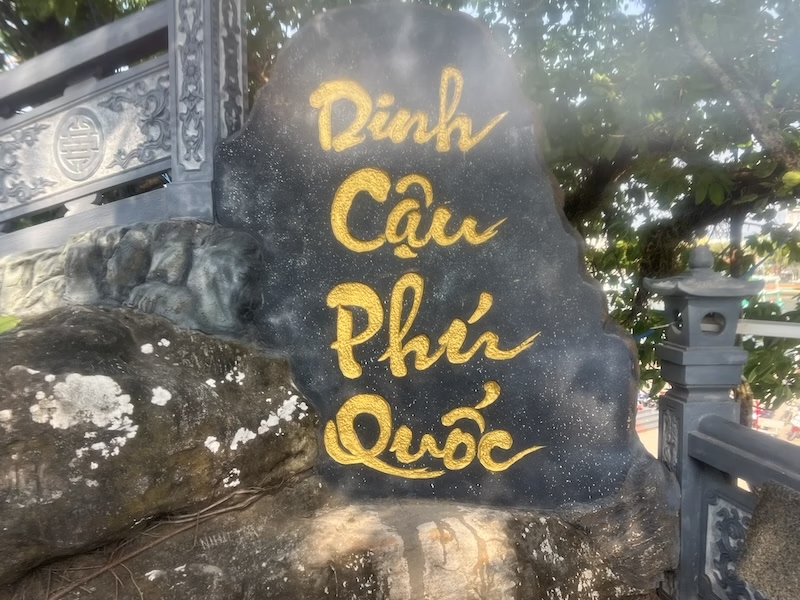
And there is a reason for that. The Dinh Cau Temple dates back to the 17th century. Properly considered, it is a historical site of religion. The small temple stands upon a natural rock crop by the Duong Dong River, facing the waves that have rushed back and forth on its foundation endlessly for hundreds of years.
At the mouth of the Duong Dong River, the Dinh Cau Temple features a shrine and a lighthouse. It has witnessed countless fishermen coming and going at sea, perhaps for as long as Phu Quoc remembers its history.
In the shrine, the resident deity, Thien Hau (the Goddess of the Sea), sits at the main altar. The top beam displays the wording, “rock hill temple” in Chinese. A couplet adorns the sides with auspicious wordings wishing for wellness, safety and success at sea. It is a small sanctuary of worship but well kept. The profusion of fragrance from incense burning suggests that this temple has many followers.
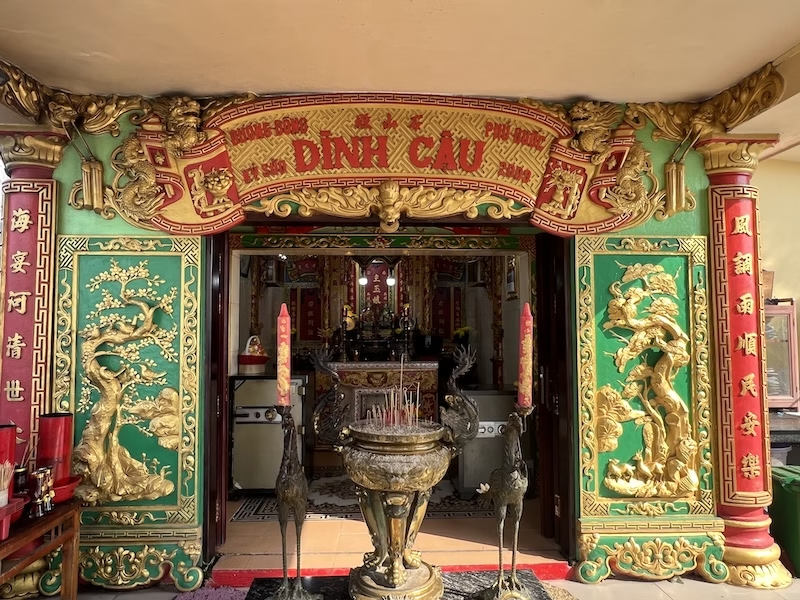
Indeed, the Dinh Cau Temple remains a frequented venue of spirituality for the locals. While I saw a number of tourists there, there were also the faithful worshippers that brought incense and tributes for the Goddess.
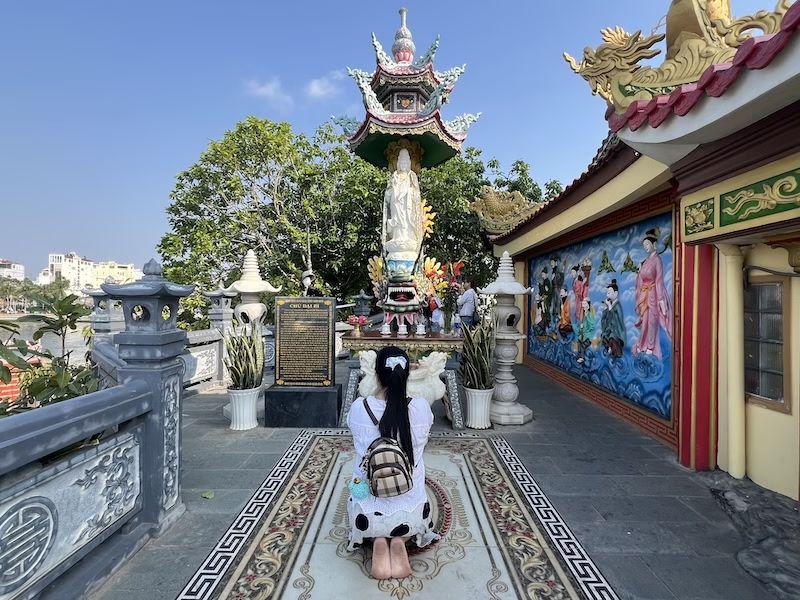
The Lighthouse
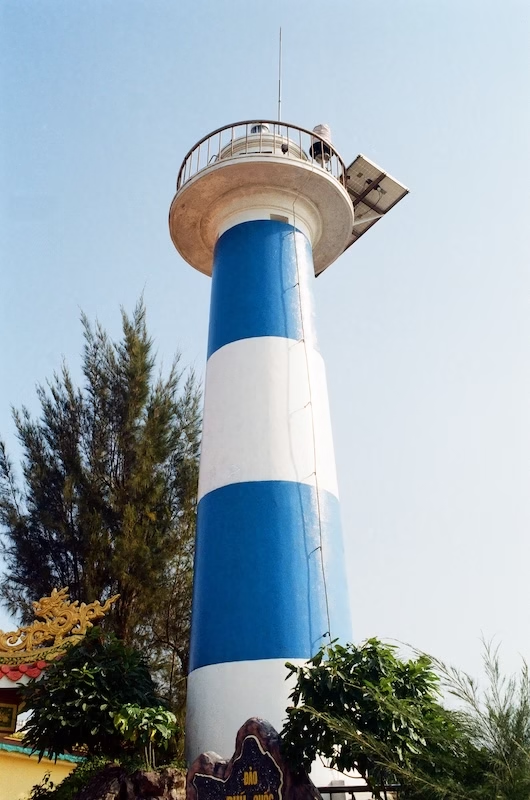
The lighthouse is well-maintained at the Dinh Cau Temple. Painted in broad stripes of white and blue, it is still a working lighthouse now. This cheerful color of the lighthouse presents a distinct contrast to the temple, which features a bright red roof with golden flying eaves with wood-sculpted dragons.
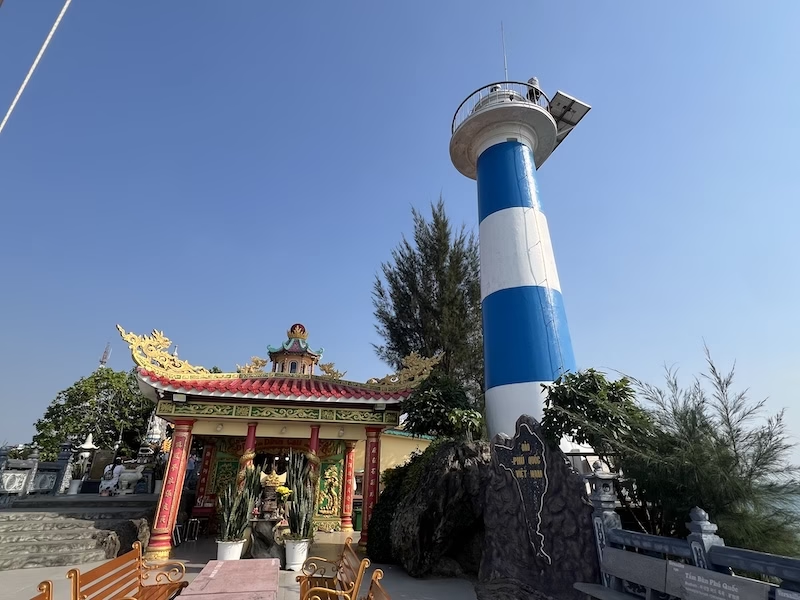
Together, the two structures are the light for both spiritual and practical purposes. The Duong Dong commune, right by the Duong Dong River, has long been a fishermen’s community.
A Different View of Phu Quoc at the Dinh Cau Temple
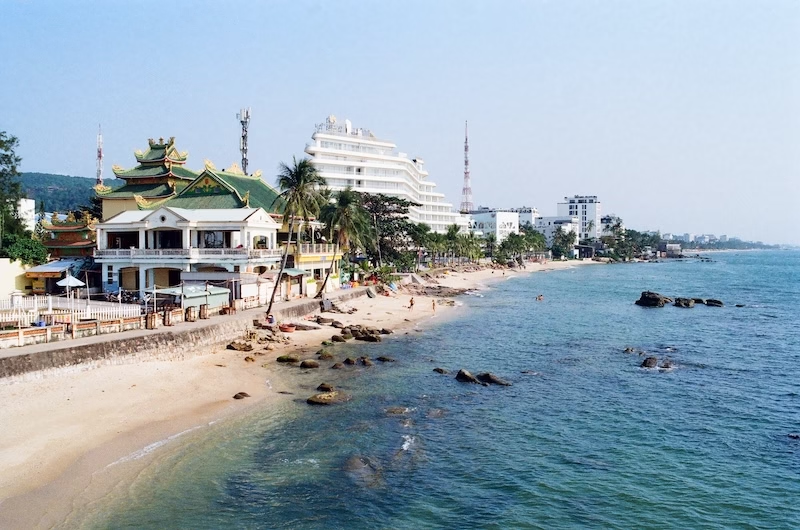
At this area of Phu Quoc, one can see a wide-open view of the coastline, especially from the higher vantage point of the Dinh Cau Temple — and that entails climbing 29 stone steps up to the temple. It feels urban and developed at this area of Phu Quoc, remarkably different from the untouched environ of the Starfish Beach.
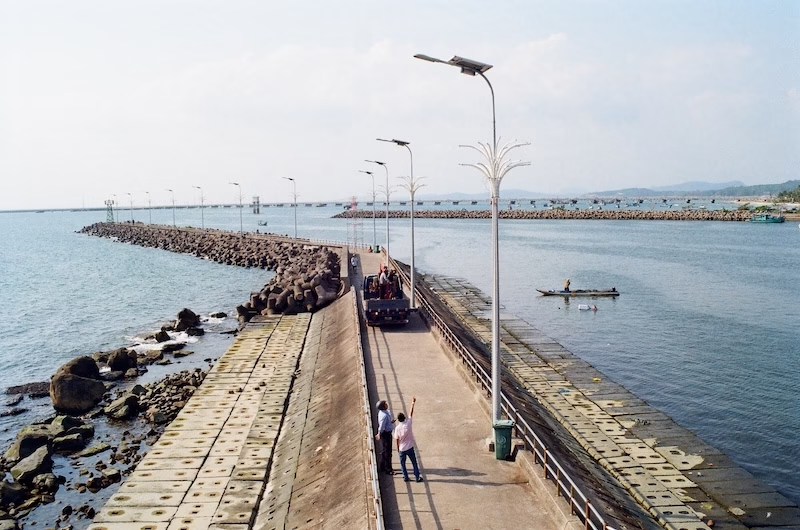
From the elevated point of the Dinh Cau Temple, I observed a face of Phu Quoc that was hitherto unimaginable because I nested myself in all the touristy, natural spots of the island. This part of Phu Quoc was (and still is) the economic lifeline for the island. Long before the rise of modern transportation, the riverway and ocean were the only means of transporting goods to the mainland of Vietnam from Phu Quoc. The Duong Dong River, which flows 15 km from the Ham Ninh massif in the east, is the largest river of Phu Quoc and the key river esturary in the island’s western coast.
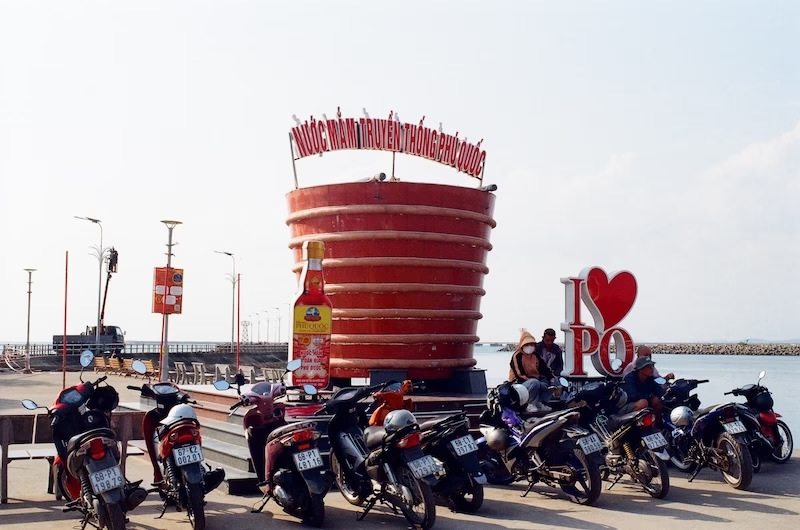
Afar on the north lies the modern infrastructure of the Duong Dong Port. Looking south, the Phu Quoc Beach features a row of beachfront property. I felt a welcoming breeze there and then. The waves of the sea brushed against the urban landscape with a lively touch of movement, looping the motions of nature that evince a sense of perennial hope. In the early mornings, the fishermen still gather in the Duong Dong Seafood Market to sell the catch of the day. The bustles of the trade begin at the riverbank here.
The Cho Dem Phu Quoc Market is just a stone’s throw away from the Dinh Cau Temple. Surely, the famous seafood served at the night market is the fruit of the labor of the Duong Dong fishermen.
The Dinh Ba Thuy Long Thanh Mau Temple Next Door
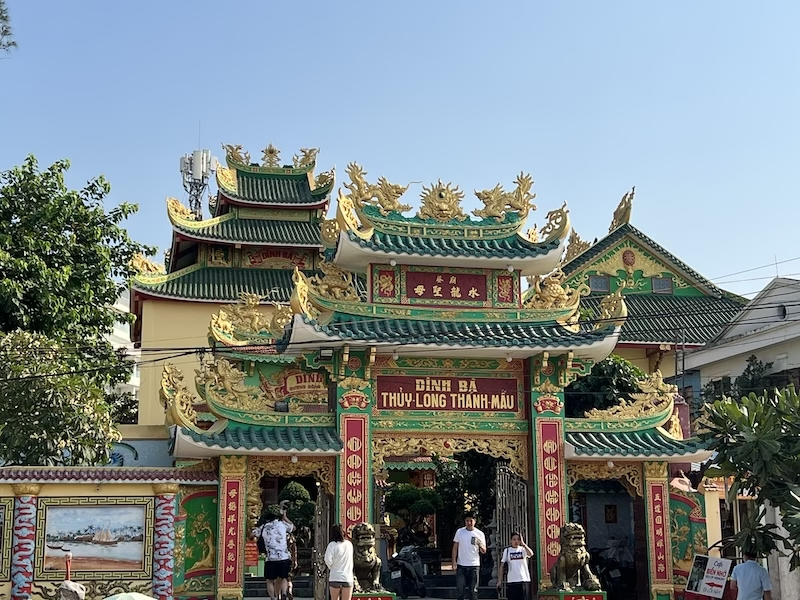
Roughly meaning, “the Sacred Mother of the Water Dragon,” this temple stands close by and it clearly is also a revered deity for the fishermen. This temple is much larger, well-decorated and kept. But it pales in comparison to the Dinh Cau Temple in its character. There were a number of worshippers there in the afternoon, and I came away having the feeling that the people of Phu Quoc hold on to their traditional faiths strongly.
Sources
Localvietnam.com, Dinh Cau Temple & Lighthouse: Complete Visitor Guide.
www.vietnam.vn, Morning in the Fishing Village in the Center of Phu Quoc.
Travel in Vietnam, Duong Dong River, the Largest River in Phu Quoc Island.