
Party Vibes at the Happy Valley Racecourse
Ask me if there is any kind of print that still widely circulates in Hong Kong, and I say it would be the horseracing newspapers, in Cantonese, literally “horseracing bibles,” which is the North Star for the loyal betters of the games.
Party Time at the Happy Valley Racecourse
It is my view that, given the opportunity, all tourists that want to get a true sense of local life in Hong Kong should visit the Happy Valley Racecourse. There are two racecourses in Hong Kong that run regularly, one is the Happy Valley Racecourse, and the other one is the Shatin Racecourse.
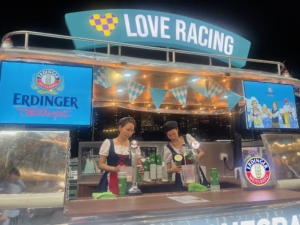
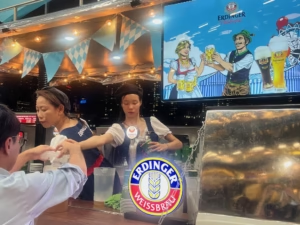
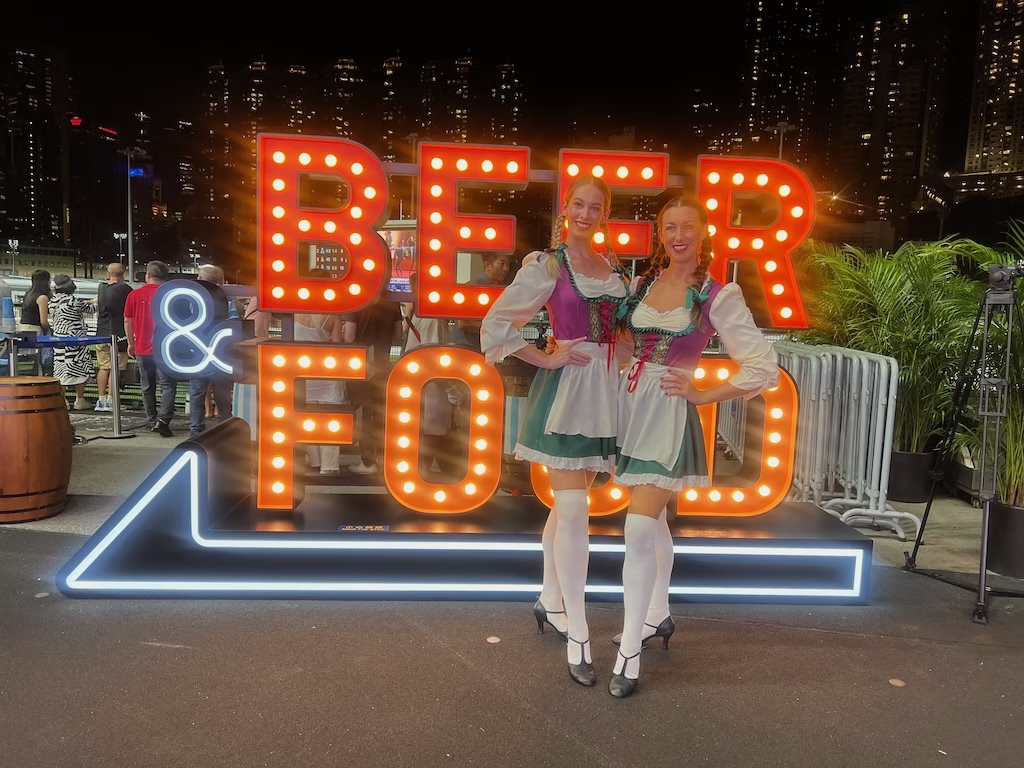
The Happy Valley Racecourse is traditionally more of a fanfare than the one in Shatin. There are “halftime shows” and a whole lot of beer girls on site at the Happy Valley Racecourse, whereas in Shatin, the vibe is that of a serious gambling business instead.
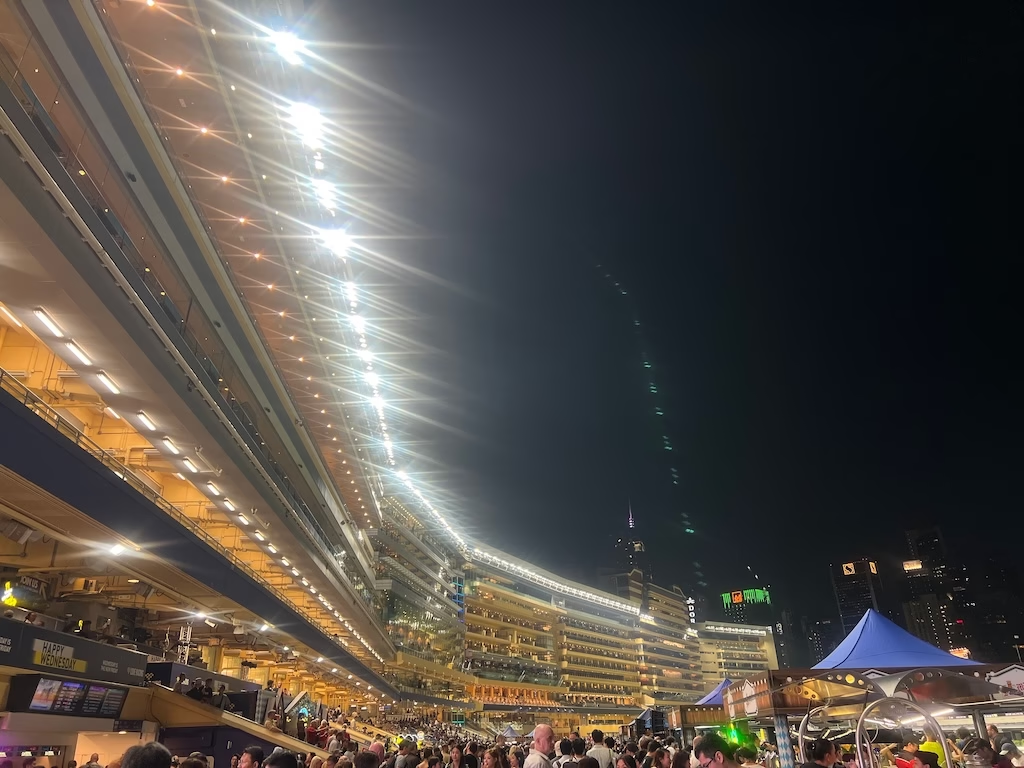
On this early October evening, my friends and I went to the Happy Valley Racecourse for beer and catch up. It happened to be the kickoff of the Oktober Fest and the Happy Valley Racecourse was teeming with a party spirit. The German Ambassador happened to be there to officiate the beginning of the Oktober Fest as well.

Be it Oktober Fest or not, the Happy Vally Racecourse as always been known for its festive atmosphere at every racing day.
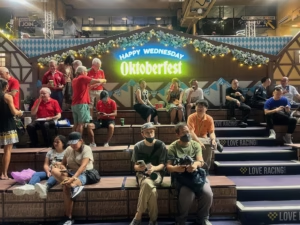
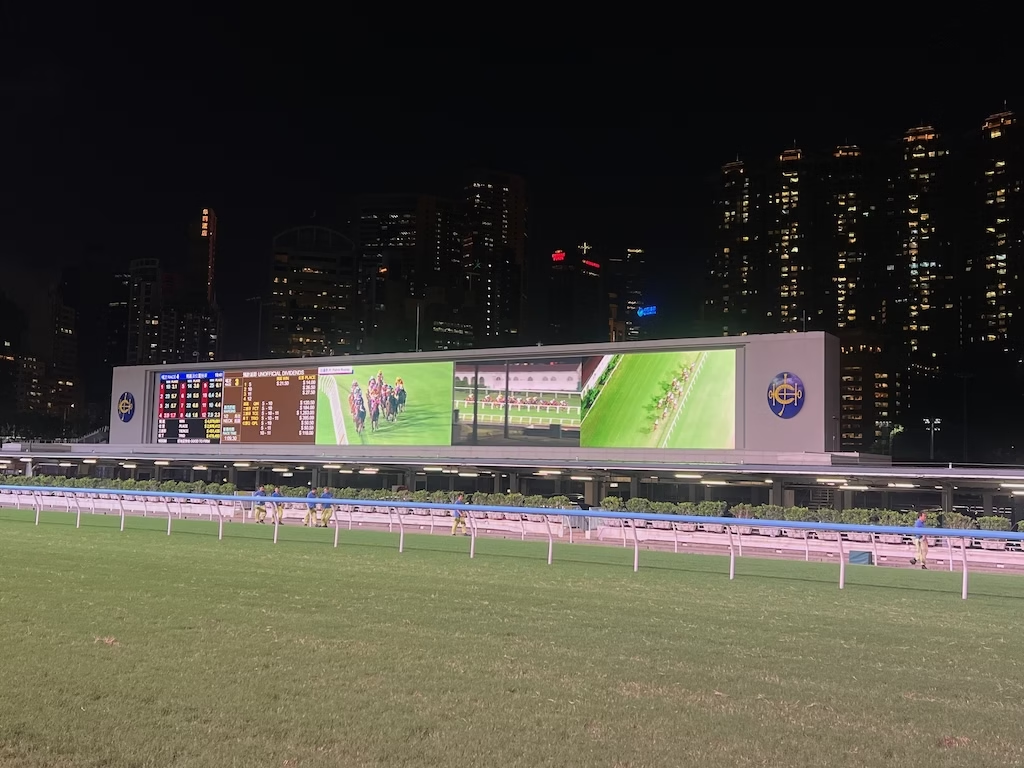
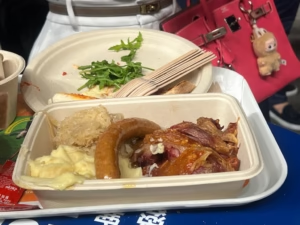
Lying between the tracks and the spectators’ grandstand are a stretch of businesses that supply the party food for the evening. Food choices are never lacking, although all food are priced at a premium, even for the McDonald’s there.
The History of Horseracing in Hong Kong
Horseracing as a game and a wager has long been a British specialty. It was introduced into Hong Kong as early as the 1840s, when Hong Kong has just been taken over by Great Britain. It has since sunk deep roots into Hong Kong culture.
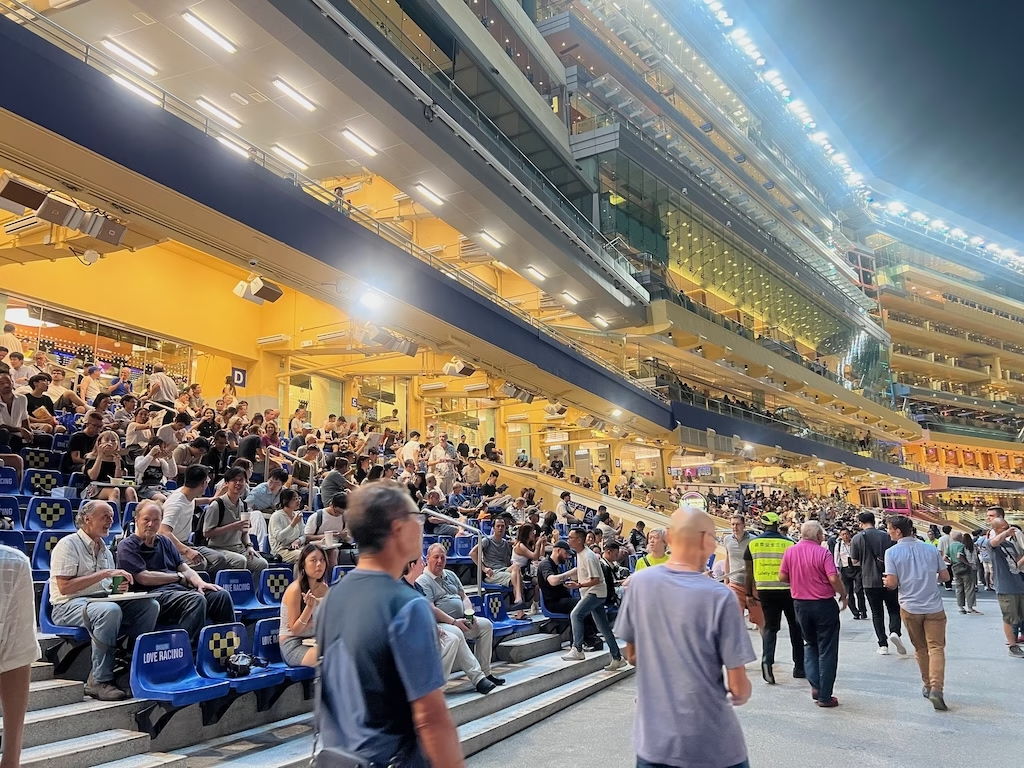
The first horseracing began in Hong Kong in 1846 at Wong Nai Chung (now Happy Valley). The British enthusiasts in horseracing thought a swamp area was suitable for their games. They reclaimed the swamp and slowly the area evolved into the Happy Valley Horseracing tracks that is today. The Shatin Racecourse was opened in 1978 over reclaimed land at the Tolo Harbour.
The Hong Kong Jockey Club was established in 1884 as one of the oldest institutions in Hong Kong. It was in 1914 with Sir Catchick Paul Chater’s leadership that the Jockey Club turned into a charitable organization. At first, its profits would be committed to the relief efforts of WWI. Then its charitable purpose extended to all kinds of social causes in the local society. The Jockey Club remains the most significant charitable organization in Hong Kong to this day.
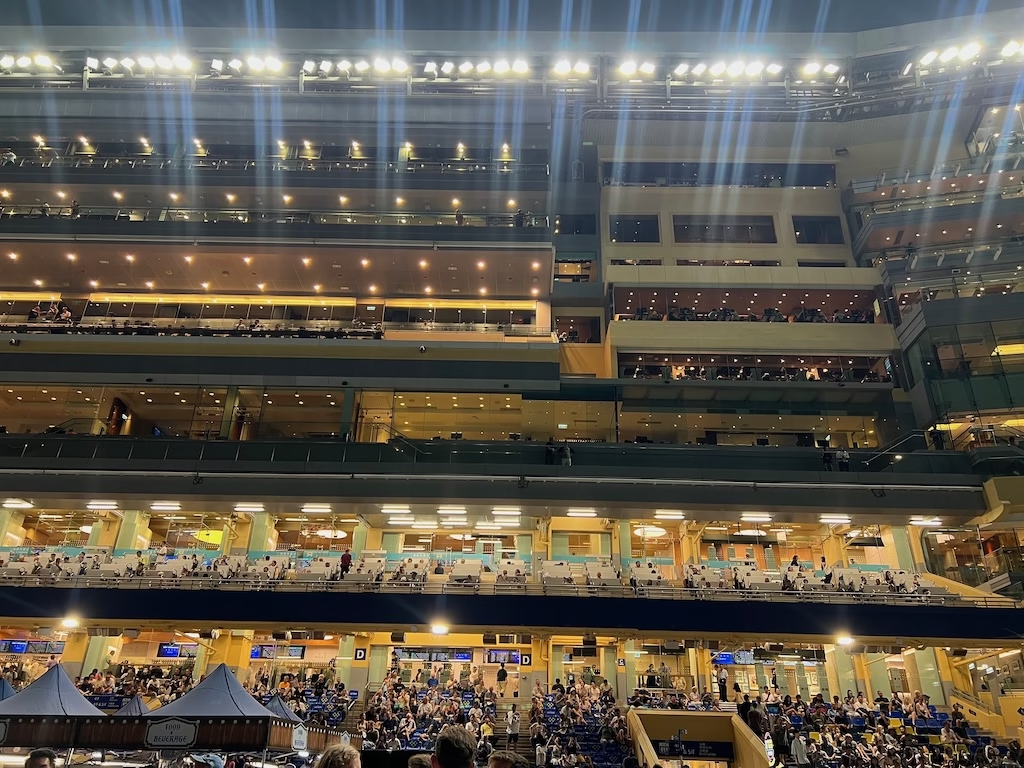
As it is a legacy of British culture, horseracing also comes with all the manifestation of class divisions. Horseracing in Hong Kong is no exception. In both the Happy Valley Racecourse and the Shatin Racecourse, there are special spectator boxes reserved for the privileged. A lot of the Jockey Club’s club facilities still require membership today as well.
In 1929, Sir Catchick Paul Chater also proposed the inclusion of Chinese people into the membership of the Jockey Club. Ho Kom Tong, who was a prominent man in his times as a businessman and philanthropist, would become the first ever Chinese horse owner in the history of Hong Kong, itself much of an honor.
Both the jockeys and the horses are somewhat heroes in the Hong Kong society. For example, Golden Sixty, known as “the pride of Hong Kong,” has retired in 2023. He will be in a farm in Hokkaido for permanent retirement. At his retirement ceremony, the whole team, including the owner, the jockey, the trainer and the carer was celebrated.
Horseracing as the Only Legal Gambling in Hong Kong
Horseracing is the only legal gambling in Hong Kong. Surely, one may still see the mahjong schools in the Yau Ma Tei area here and there, but the licenses for legal mahjong playing venues have undergone a long process of being phased out by the government. There will be one day that the mahjong licenses are no longer available. It was a decision made during the 1960s or so that the Hong Kong Government would not allow legal gambling in Hong Kong.
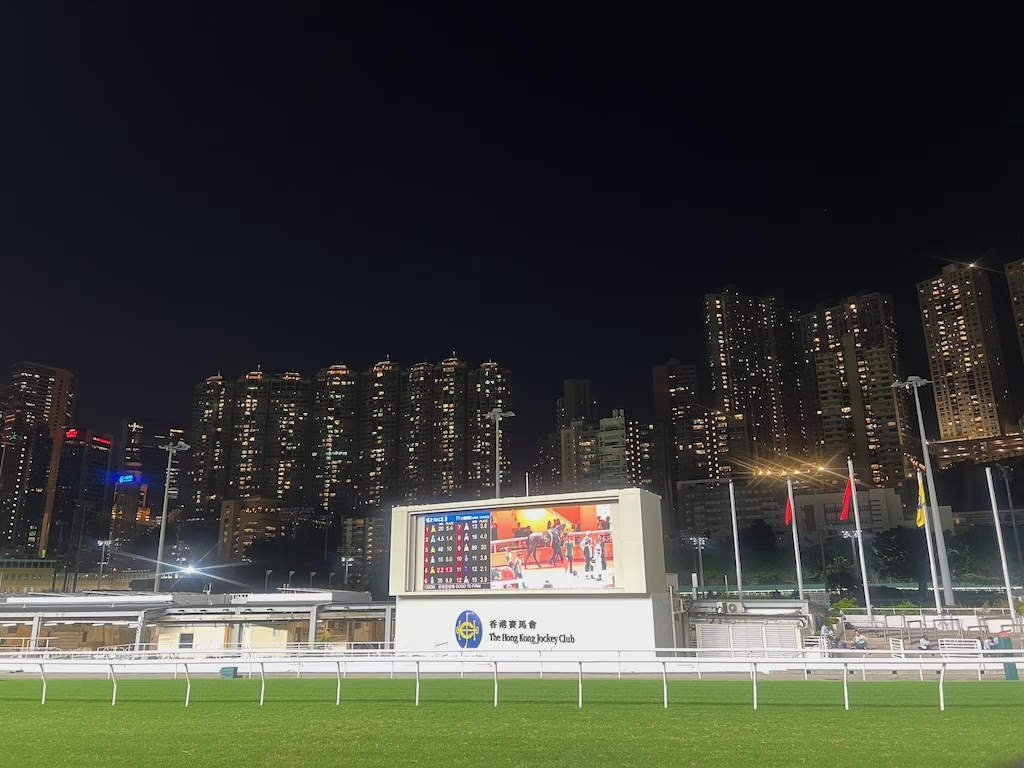
Horseracing as a wager is a very serious business. The “horseracing bibles” that are still widely read in print attest to that aspect of Hong Kong culture. Our horse betters are very serious in their “study” of the odds. Experienced wagers in the game usually look at (perhaps rather obviously) two decisive factors: the jockey and the horse. Much of the wins are a matter of their reputation, collectively as a team. The determination of who likely wins a certain race is about figuring out the combination of factors that will favor one jockey and his horse over the other. Such factors include their performances in the past (lots of statistics) and the commentaries in the “horseracing bibles,” usually written by retired jockeys.
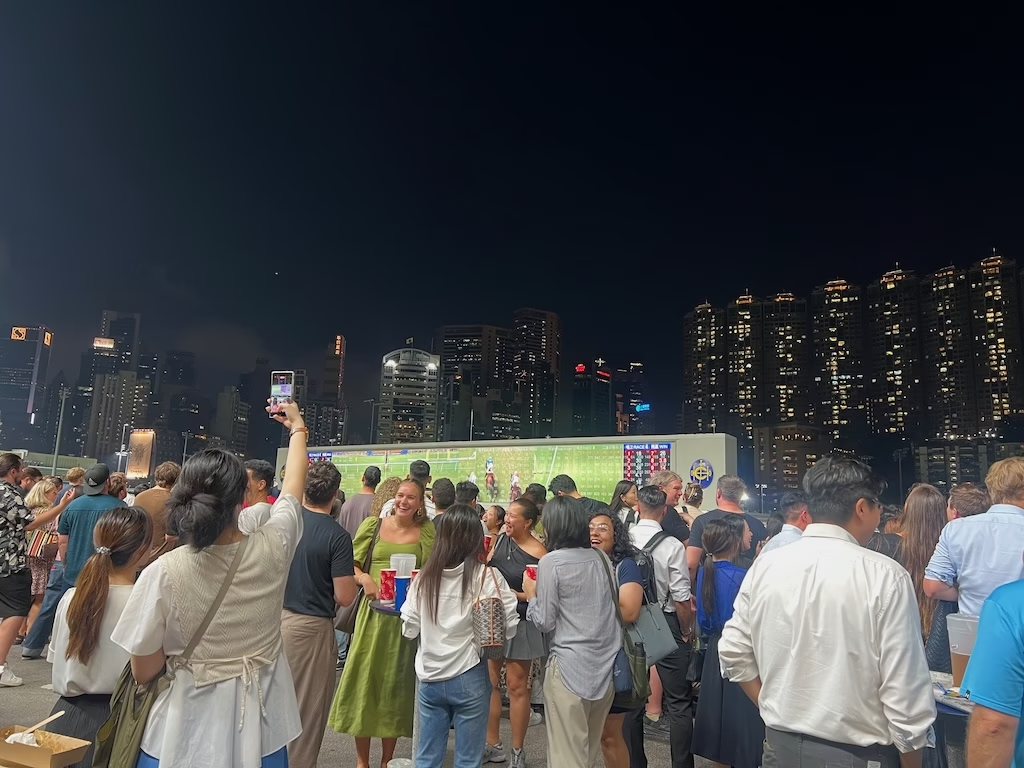
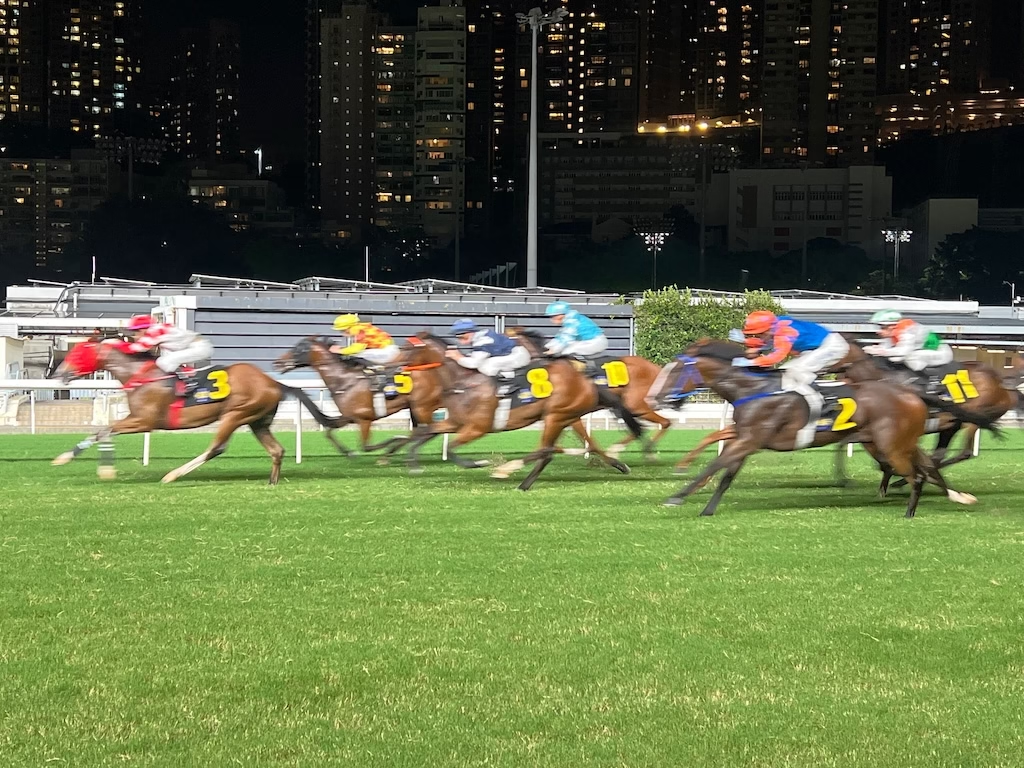
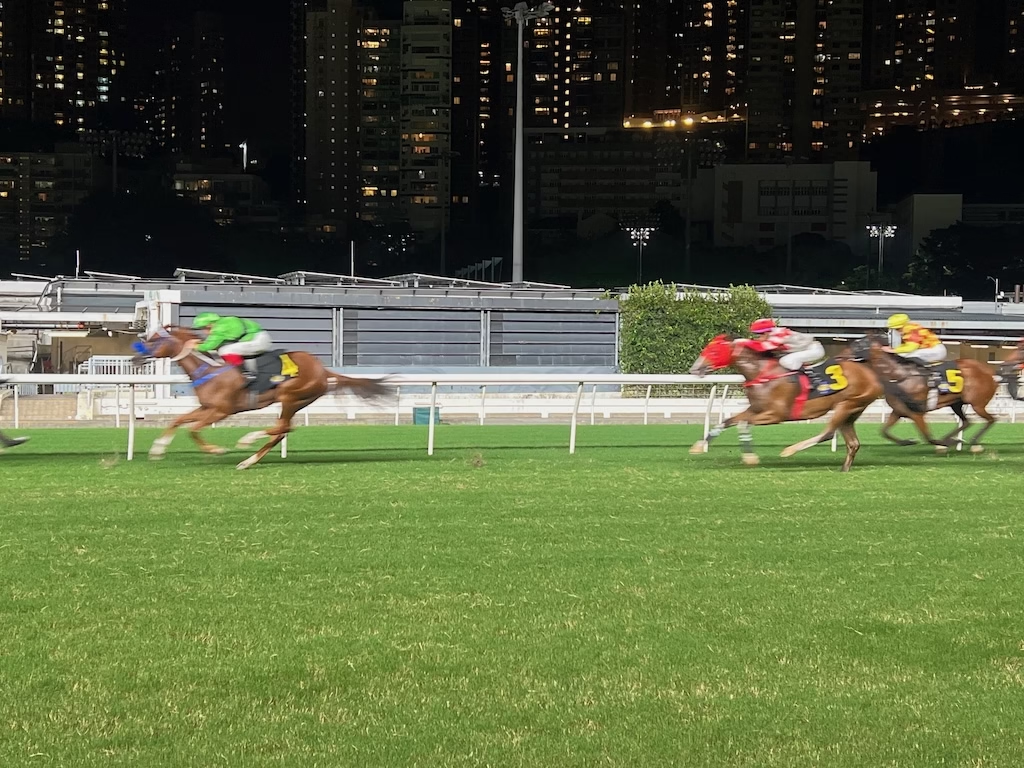
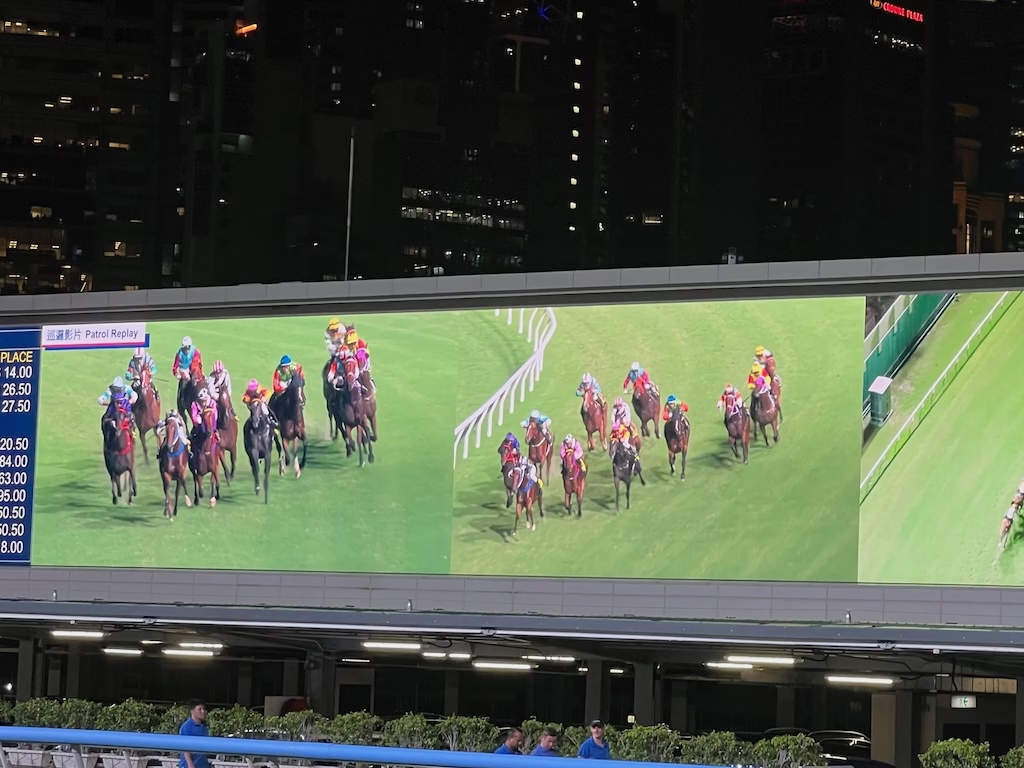
Photo: Whether you place bets or not, the race itself is full of excitement and the cheers and the boos infuse the whole racecourse with a keen spirit of competitiveness.
Then at the racecourse one would take a moment to observe their condition before the race before placing the bets. The jockey usually rides on the horse for an easy gait around the tracks before they get behind the starting gate. I have seen horses that really show their warring spirit. They came out and looked like they would win.
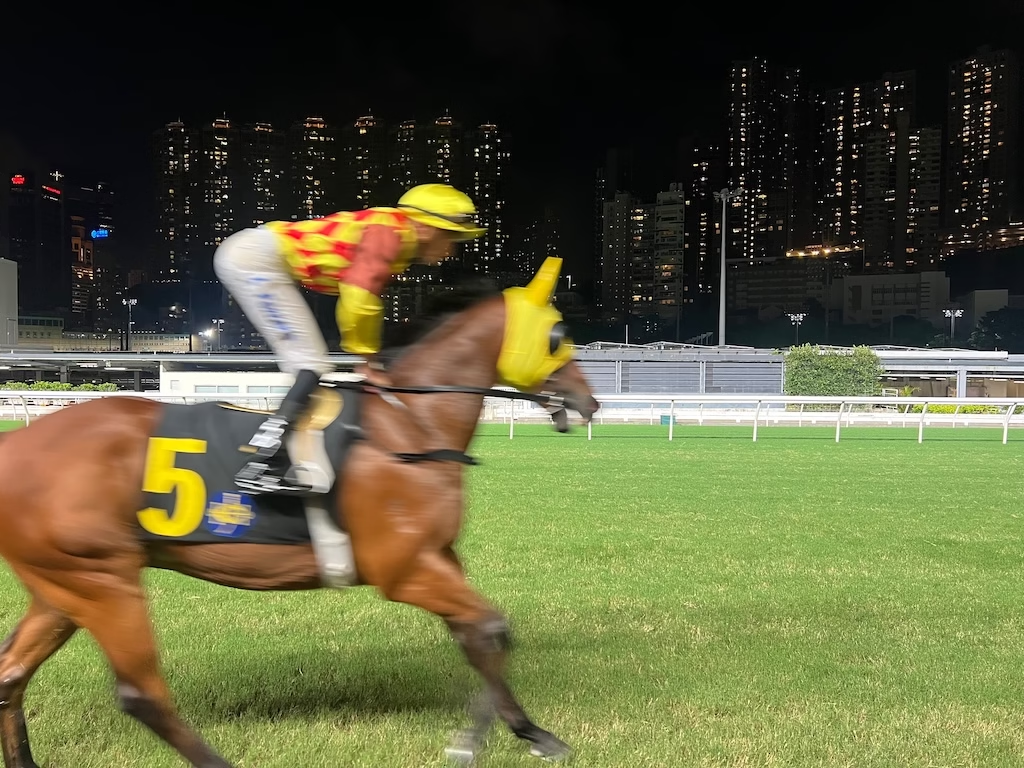
If you do not have a betting account with the Hong Kong Jockey Club, there are hundreds of betting machines on site. The betting sounds complicated to me, but my friends certainly plunge right into the bets at every game that they attend. In the 2024/2025 season, the wagering turnover reached HK$138.85 billion.
See here for the current racing schedule. Usually, the Happy Valley Racecourse runs races on Wednesday evenings during racing seasons. The Shatin Racecourse runs races on Wednesday evenings, and the afternoons of Saturdays and Sundays. There is an entrance fee of HK $10 to enter the Happy Valley Racecourse.
Sources
Hong Kong Memory: 150 Years of Happy Valley (Chin).
SBC Eurasia, Hong Kong Horse Racing Betting Turnover Reaches HK$138.85 Billion.
Hong Kong Chronicles Institutes, Sir Chater’s Influence on Horseracing in Hong Kong (Chin).
The Sporting Post, Hong Kong Champion Retires to Japan.
The Wikipedia on Majong Schools.