
A Symphony of Colors — A Five-Day Itinerary for Kyoto
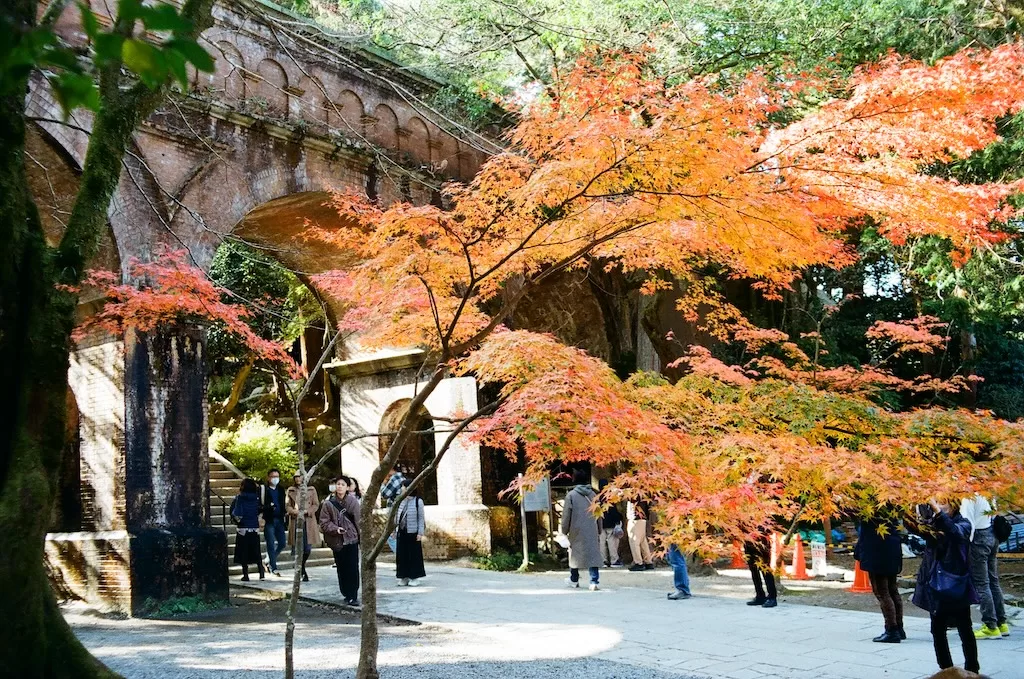
In this journey I spent five full days in Kyoto and visited countless breathtaking sites for momiji foliage viewing. I found all of the sites that I visited to be worthwhile. Based on this experience, I have come up with the following suggested five-day itinerary for the red foliage season in Kyoto.
The dates of my travel were November 24 to November 28. Depending on how cold a given year is, it is safe to visit Kyoto in the few weeks between late November to mid-December if you want to ride on the red foliage season. There are online sources that show the projected red foliage season arrival each year, approaching October or so.
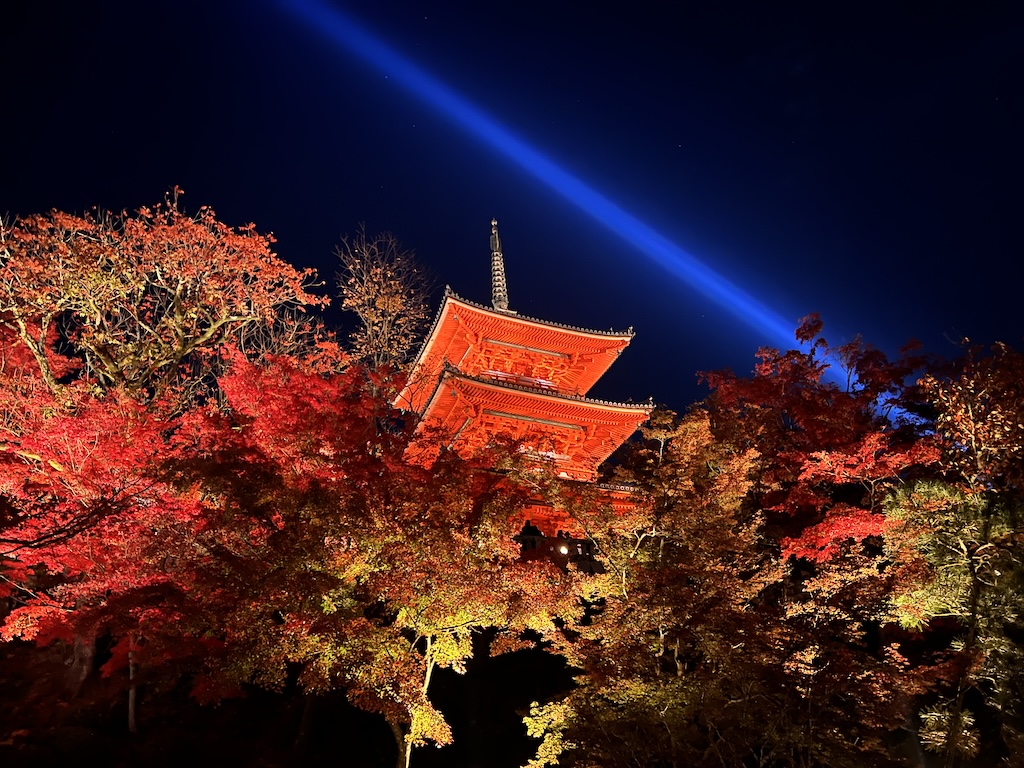
Day 1 Nijo Castle and Kiyomizu-dera Temple for Night-lit Temple Viewing
| Site | Significance | Transportation | Nature of Scenery |
| Nijo Castle | The historic seat of authority of the Tokugawa Shogunate, the site where the last Shogun announced a return of actual power to the Emperor of Japan in the Taiseihokan of 1867 | Metro | Temple architecture and historic gardens |
| Kiyomizu-dera Temple | A pre-Heian era historic temple with early roots from Nara and also practices Nara Buddhism. | Buses | Temple architecture, night photography |
| Yasaka Shrine | A shrine to pray for relationship success, a favorite for the Kyoto locals | Walk from Kiyomizu-dera Temple | Shrine altars |
| Gion District | A historic district known to be where the geisha’s are still present, with many food options | Walk from Yasaka Shrine | Antique street vibes lined with historic buildings |
Day 2 and 3 in Arashiyama
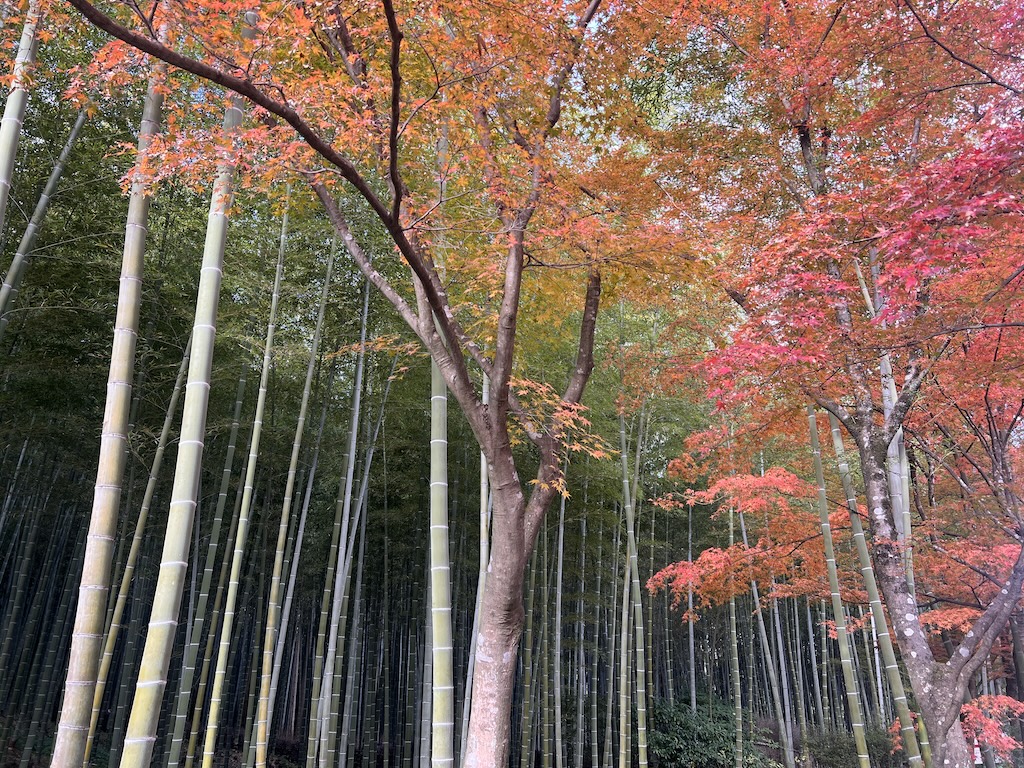
Arashiyama first day suggested sites
| Site | Significance | Transportation | Nature of Scenery |
| Bamboo Grove | What used to be sections of aesthetic plants in the noble villas in the area | Metro | Bamboo grove |
| Tenryu-ji Temple | One of the most prominent Zen temples in Kyoto, with roots tracing back to the very first Zen temple in Kyoto | Metro | Temple architecture and gardens |
| Okochi Sanso Villa | The villa of famous actor Denjiro Okochi | Metro | Temples, villa and garden ground |
| The Jojakko-ji Temple | A temple abiding by the Nichiren school of Buddhism, a sect of Kamakura Buddhism | Metro | Temple architecture and gardens |
| The Nison-in Temple | A temple practicing Tendai Buddhism with cemetery grounds, including Emperors that buried here | Metro | Temple architecture and imperial cemetery |
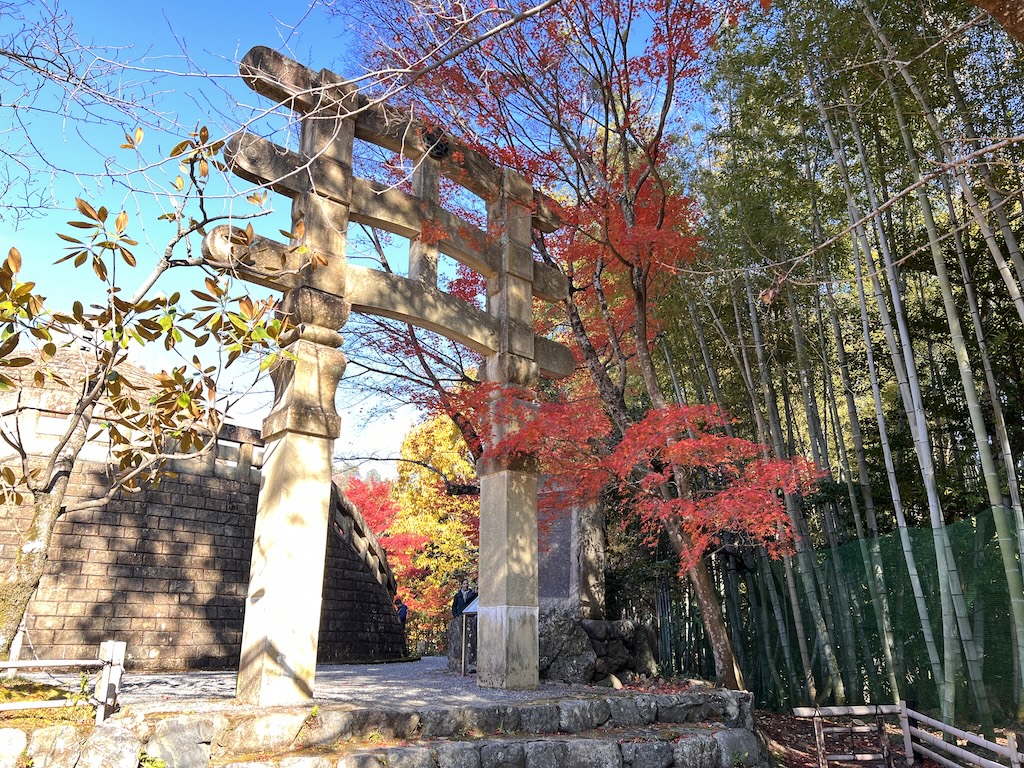
| The Nonomiya Shrine | The former site where imperial priestess went through cleansing rituals before serving in the Ise Shrine | Metro | Shrine and a few torii gates |
Arashiyama second day suggested sites
| Site | Significance | Transportation | Nature of Scenery |
| Togetsukyo Bridge | Views of Katsura River, an ancient bridge that has much cultural significance for Arahisyama | Metro | A beautiful bridge with mountains hugging in the back |
| The business district of Arashiyama | Full of festive vibes during high touring season, with plenty of food choices | Metro | All around hip area with shopping and food |
| Gio-ji Temple | A sanctuary that gave home to heartbroken women | Metro | A moss-covered garden |
| The Saga Toriimoto Preserved Street | The Saga Toriimoto Preserved Street features century-old traditional Japanese houses called machiya’s. | Metro | Beautiful traditional Japanese houses |
| Adashino Nenbutsu-ji Temple | 8,000 stone markers that memorialized the lonely souls that did not have a proper burial | Metro | Beautiful garden, cemetery ground and a bamboo grove with very few tourists |
| Otagi Nenbutsu-ji Temple | 1,200 rakan stone statues carved by believers | Metro | Temple architecture and stone statue garden |
Day 4 Ninna-ji Temple, Ryoan-ji Temple, and Kinkaku-ji Temple and Nishiki Market
| Site | Significance | Transportation | Nature of Scenery |
| Ninna-ji Temple | A Shingon temple, where a member of the imperial family used to serve as head priest. | Bus | Temple architecture and garden grounds |
| Ryoan-ji Temple | A Zen temple with one of the most famous classical Zen gardens in Kyoto | Bus | Temple architecture, gardens and ponds |
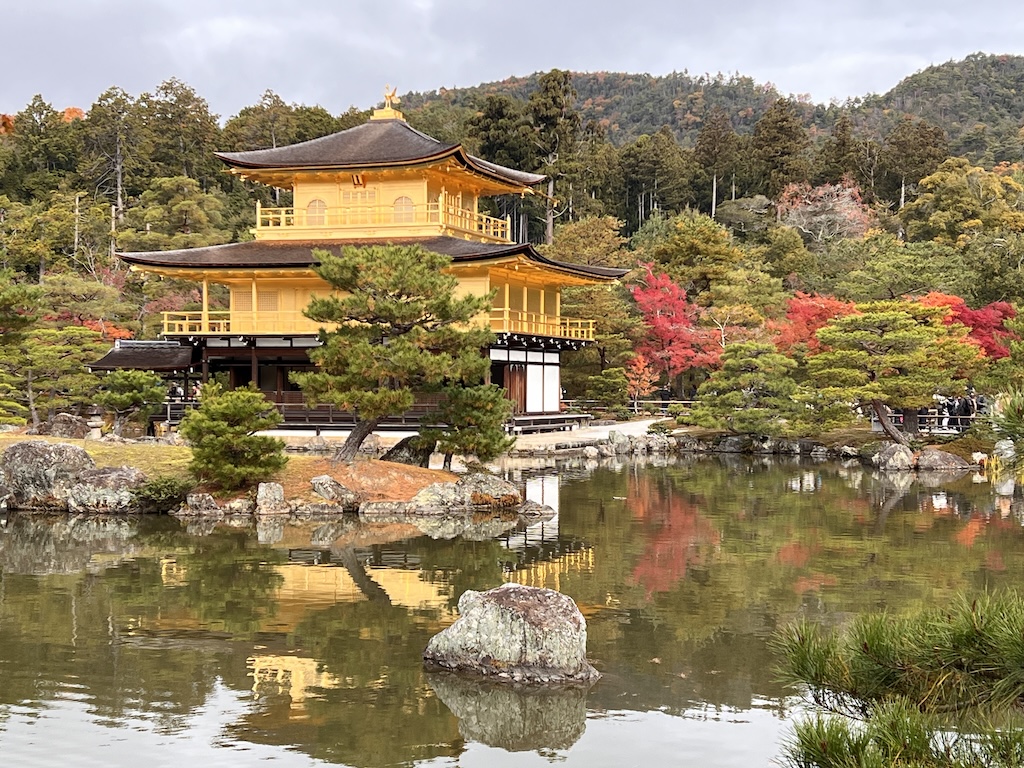
| Kinkaku-ji Temple | Exterior covered in shiny gold leaves, exceptional three-tier architecture | Bus | Temple architecture, gardens and pond |
| Nishiki Market | Centuries old market selling all things food-related, featuring Kyoto local specialties and an overload of street food | Bus | Photography of wonderful store space and fresh produce of all kinds |
| Nishiki Tenmangu Shrine | A shrine dedicated to scholarship in the Nishki Market | Bus | Shrine architecture and ambience |
| The Samurai Museum | A cool museum in the Nishiki Market showcasing all that you need to know about medieval Japanese history during the Shogunate periods, as well as the samurai and ninja. | Bus | Historic learning |
Day 5 Blue Bottle, Nanzenji-Temple, Eikando-ji Temple, Fushimi Inari Shrine
| Site | Significance | Transportation | Nature of Scenery |
| Blue Bottle Kyoto | Located in a restored heritage building, a traditional Japanese wooden house, serves coffee and offers light refreshments as well | Metro | Heritage house architecture, peaceful and cultural vibes with coffee |
| Nanzen-ji Temple | The “first temple of the land,” as the head temple that oversees the top Zen temples of Kyoto and Kamakura | Metro | Temple architecture, garden and pond |
| Eikando-ji Temple | Fomerly Zenrin-ji Temple, Eikando Temple practices Jodo Buddhism | Metro | Night illuminated views, temple architecture and garden and pond |
| Fushimi Inari Shrine | Dedicated to the Shinto god of rice harvest, Inari | Bus and Metro | A cascade of torii gates line up beautifully for instagrammable photos |