
Shenzhen Shorts – The Chiwan Left Fortress
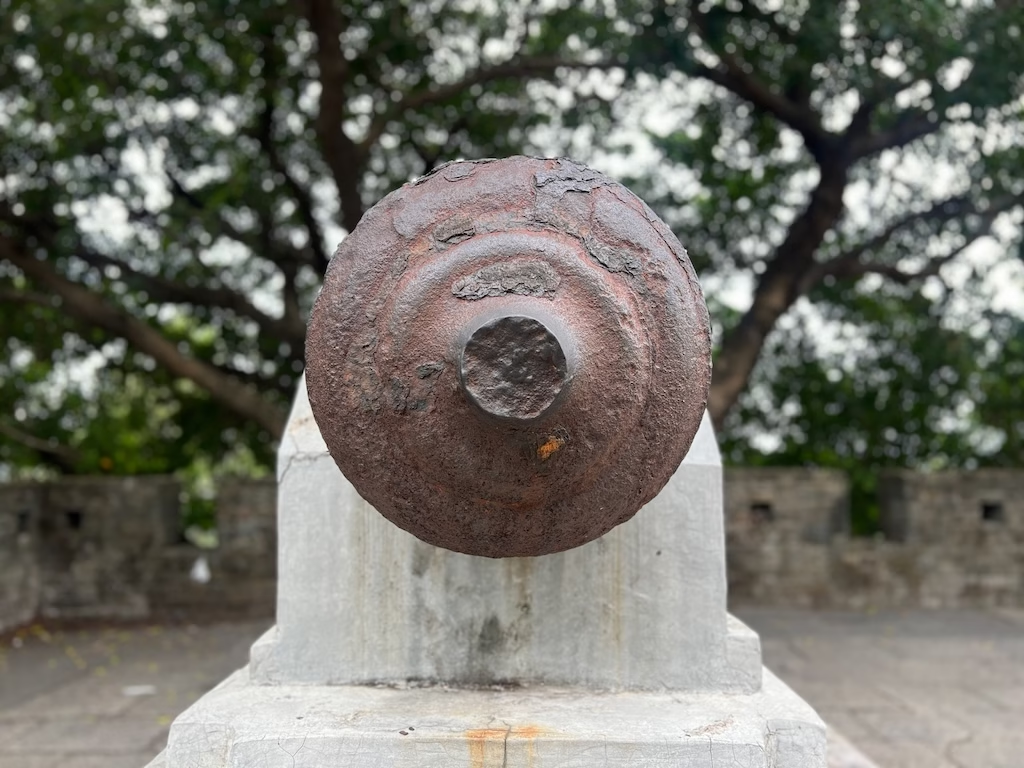
The Chiwan Left Fortress has been on my list of interests and I finally had the opportunity to visit it on a rather cold winter day in Shenzhen.
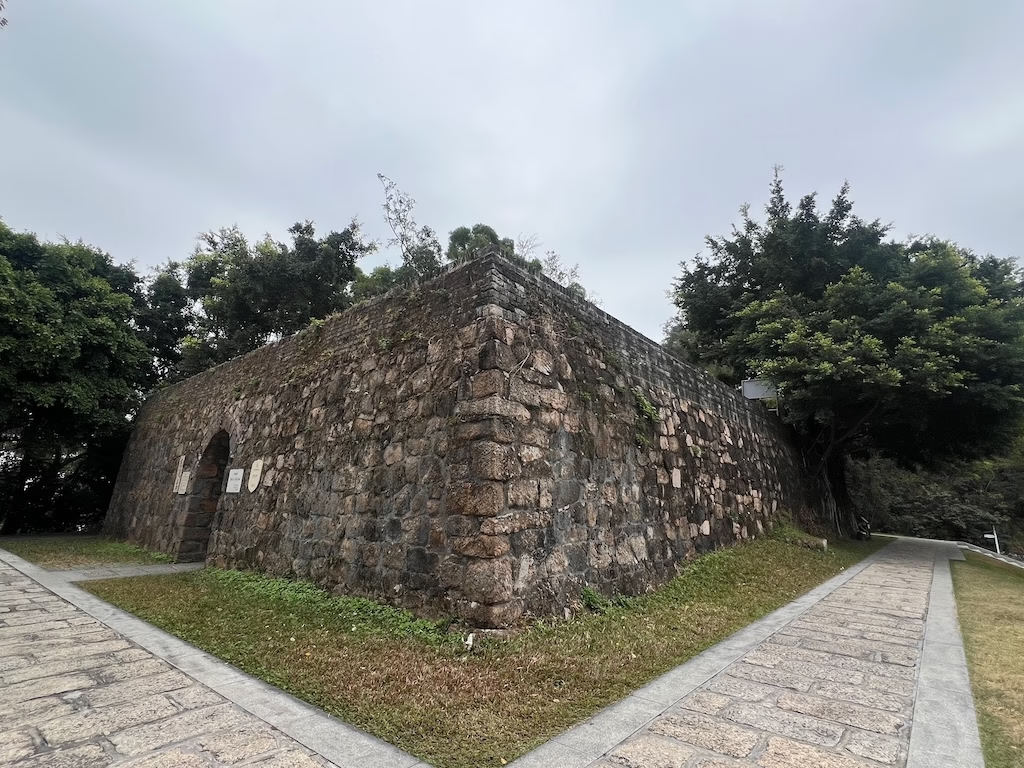
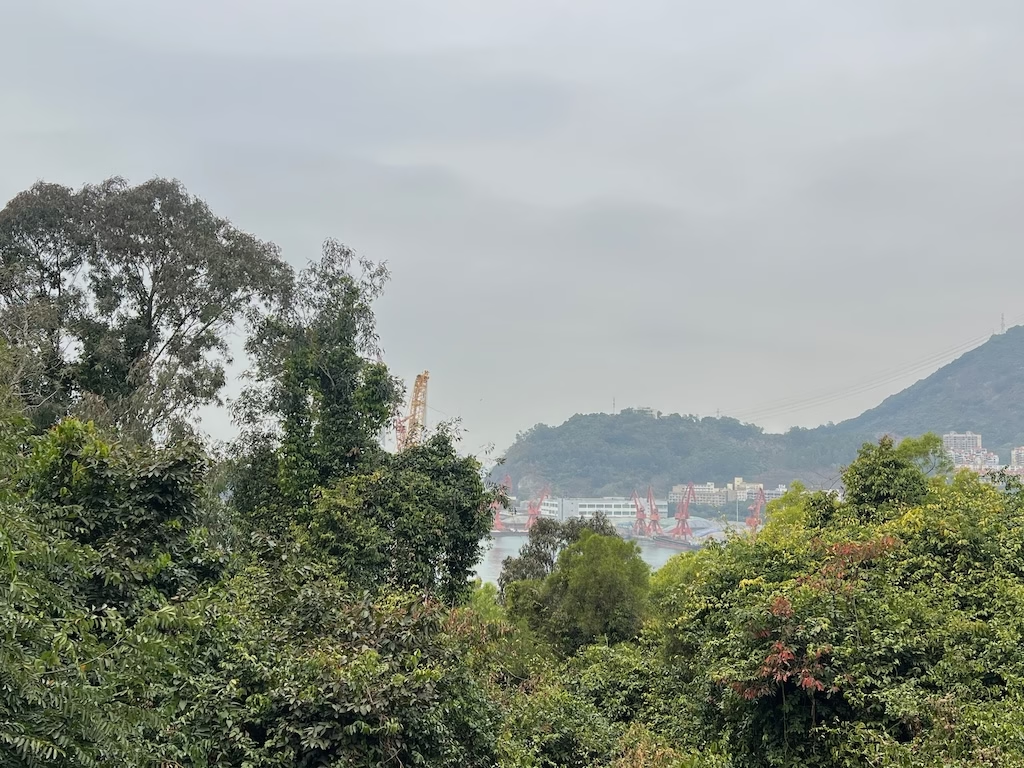
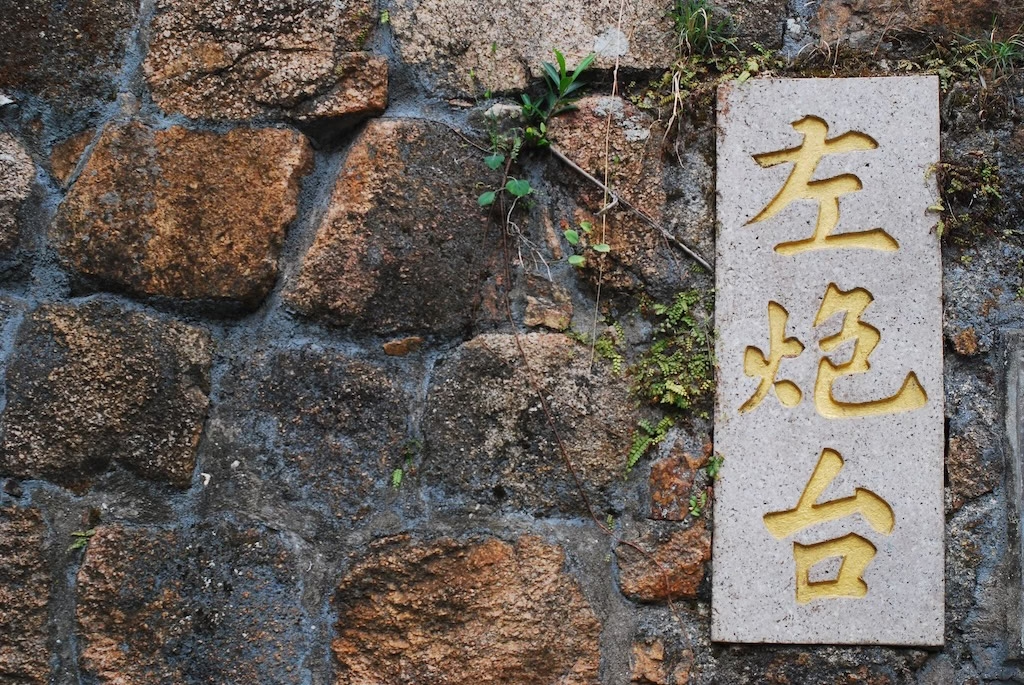
The Chiwan Left Fortress is located in the Yingzui Shan hill area overlooking Chiwan Bay, in the most southwestern end of Shenzhen.
The History of Chiwan Left Fortress
Over the history of China, the southern waters of the now-Shekou, Shenzhen, area has been viewed to be strategically important. For all the ships that sailed between China and Nanyang (Southeast Asia) passed by this area of the seas. Even as far back as the Ming dynasty, the authorities have installed cannons in the Nanshan area of now Shenzhen to fend off pirates.
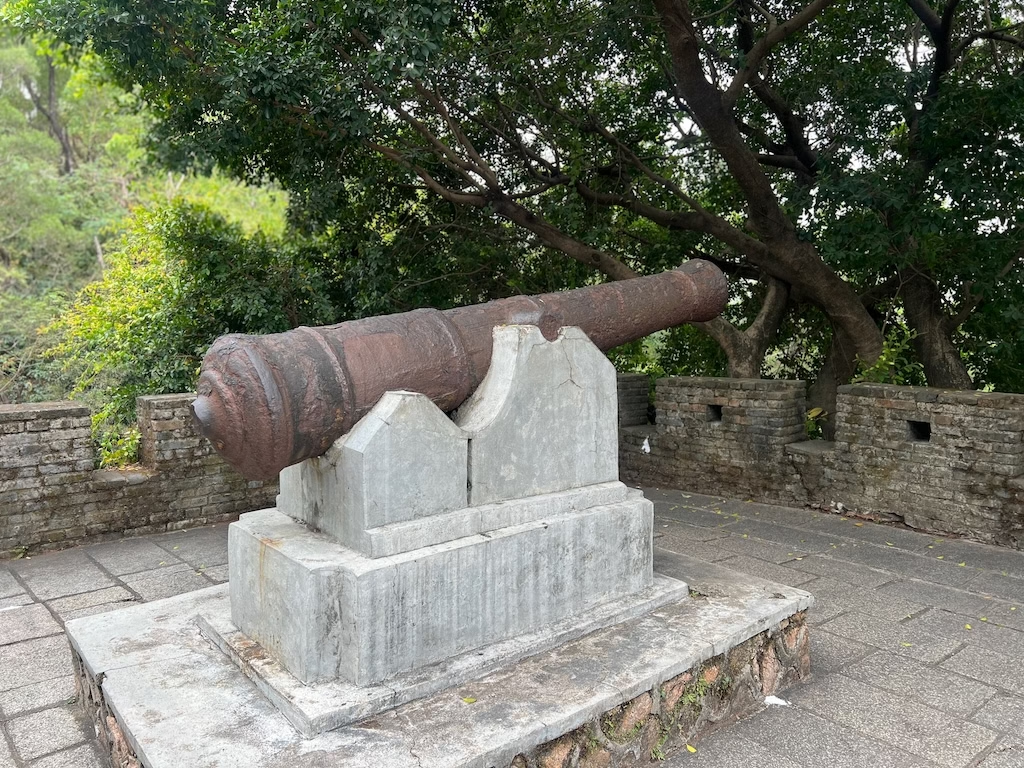
As to the specifics of the Chiwan Left Fortress, construction began in the 56th year of the Kangxi reign (1717) of the Qing dynasty. At the time, the Viceroy of Fujian, Yang Lin, was sent to Canton as an imperial official. He oversaw the construction of cannons, fortresses, and citadels in the coastal area. In a total of 126 defensive structures that he built, 26 were cannons. The Chiwan Left Cannon was one of them.
The Celebrated Legacy of Lin Zexu
Lin Zexu is a man of foresight in Chinese history. He was the Qing dynasty official that saw through Great Britain’s scheme in selling opium to China. He took severe and brave measures against opium, at a time when the Qing court wavered in its opinion on the consequences of his actions.
One such daring act was to destroy 20,000 boxes of opium by dumping them into the Bay of Humen during the 19th year of the Daoguang reign (1839). It is said that the Chiwan Left Cannon played a significant role in Lin Zexu’s campaign against opium during the Opium Wars. Both the Chiwan Left and Right Fortresses had been left in ruins since the Guangxu reign, before Lin Zexu’s time. In preparation for war against Great Britain, Lin Zexu restored the Chiwan Left Fortress.
In the same year as the Humen incident, the Naval Viceroy of Canton, Guan Tianpei, led troops and defeated the British forces at Lingding Yang, at the mouth of the Pearl River. The Chiwan Left Cannon played a critical role in this battle.
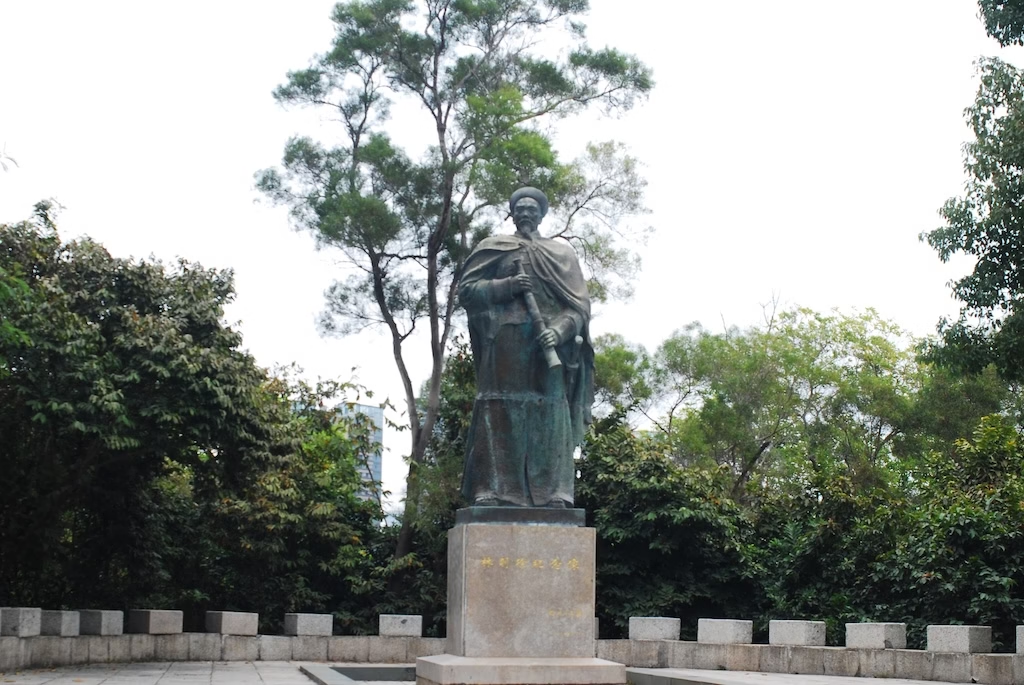
Photo: To celebrate the heroism and historic significance of Lin Zexu, Shenzhen installed this statue in 1985 at the 200th anniversary of Lin Zexu’s birth.
I guess the logical question is what happened to the Chiwan Right Cannon. It is in terrible ruins. As of now, only the Chiwan Left Fortress has been preserved.
Some Specifics of the Ruins
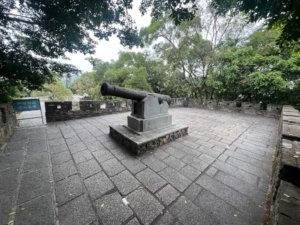
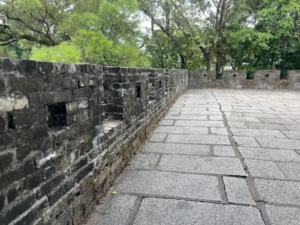
The Chiwan Left Fortress faces the southern waters in the southwestern part of Shenzhen. It is a rectangular shaped fortress. The platform where the cannon stands is 3 meters high, 26.2 meters in length, and 15.5 meters in width.
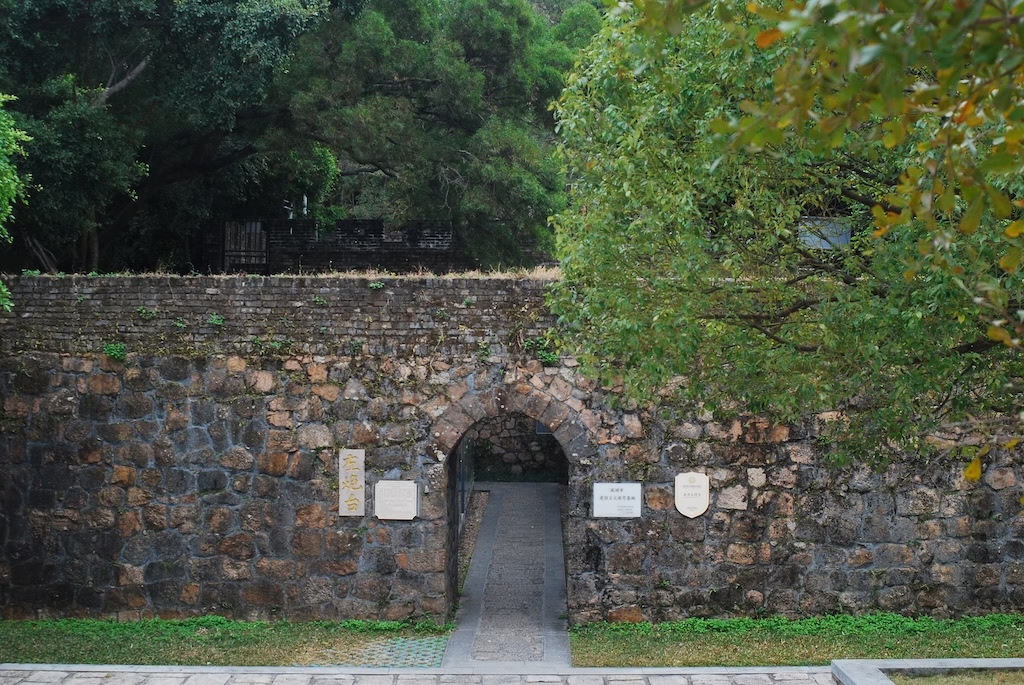
The defensive structure was built of blue bricks in the top part. The foundation and the bottom part are consisted of granites.
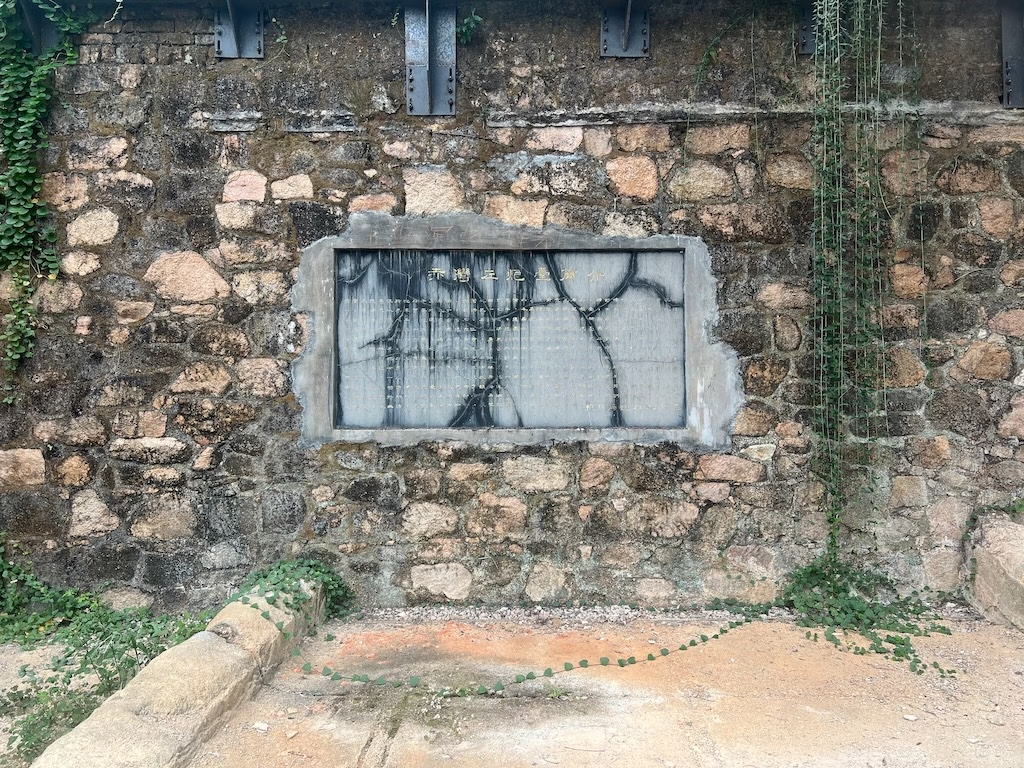
Photo: This is the ruins of the foundation for the houses that the soldiers lived in.
Restoration
There is only one cannon at the fortress, and I was a little bit disappointed when I learned that. However, its historical significance is quite a lesson in itself. The authorities have extended resources to restore the Chiwan Left Fortress in 1979. In 1984, excavation was done on the site. In 1985, the Lin Zexu bronze statue was erected.
How to Get there
The closest boundary crossing by the MTR is Futian. From Futian, take Line 4 to Convention Center, change to Line 1 toward Airport East direction. Then at Taoyuan station, change to Line 12 toward Zuopaotai Dong. Get off at the last stop of Zuopaotai Dong. Follow the directions on Gaode Map App and walk about 15-20 minutes to the Chiwan Left Fortress. It is not a far walk and the climb is very gentle.
The walk from Zuopaotai Dong Station:
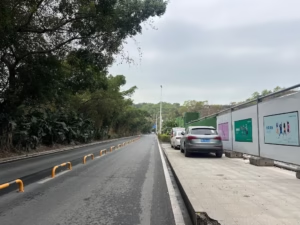
Make your way from Exit A onto Chiwan Lu. (above)
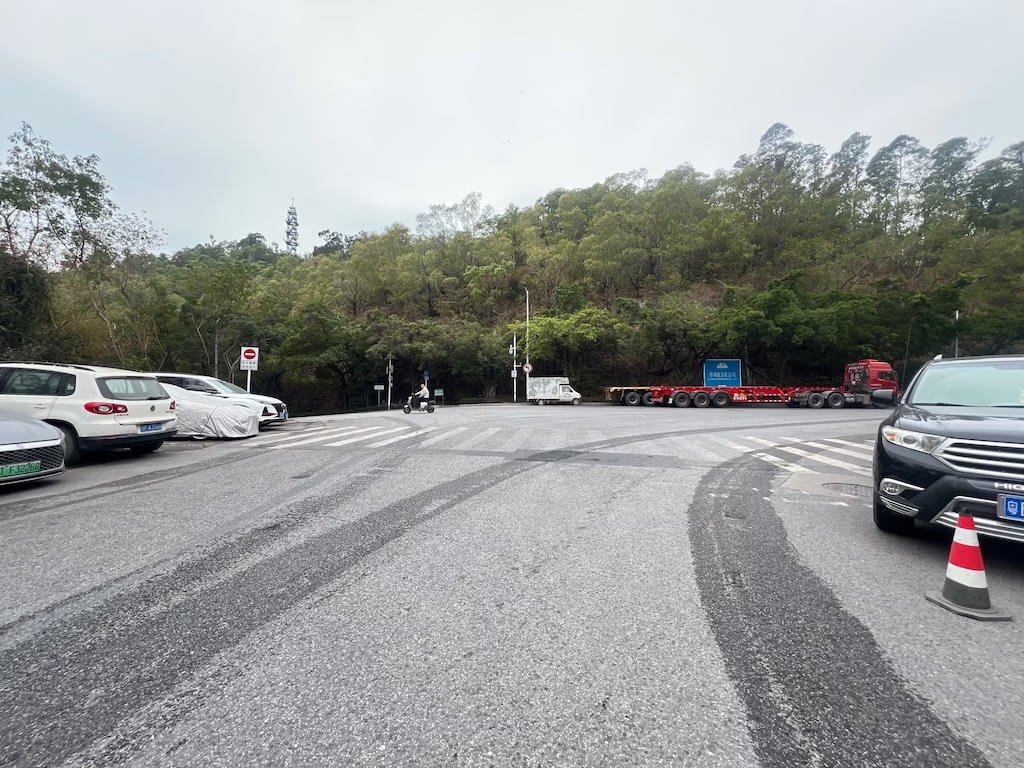
Walk to the end of the road and turn right on Tianxiang Lu. (above)
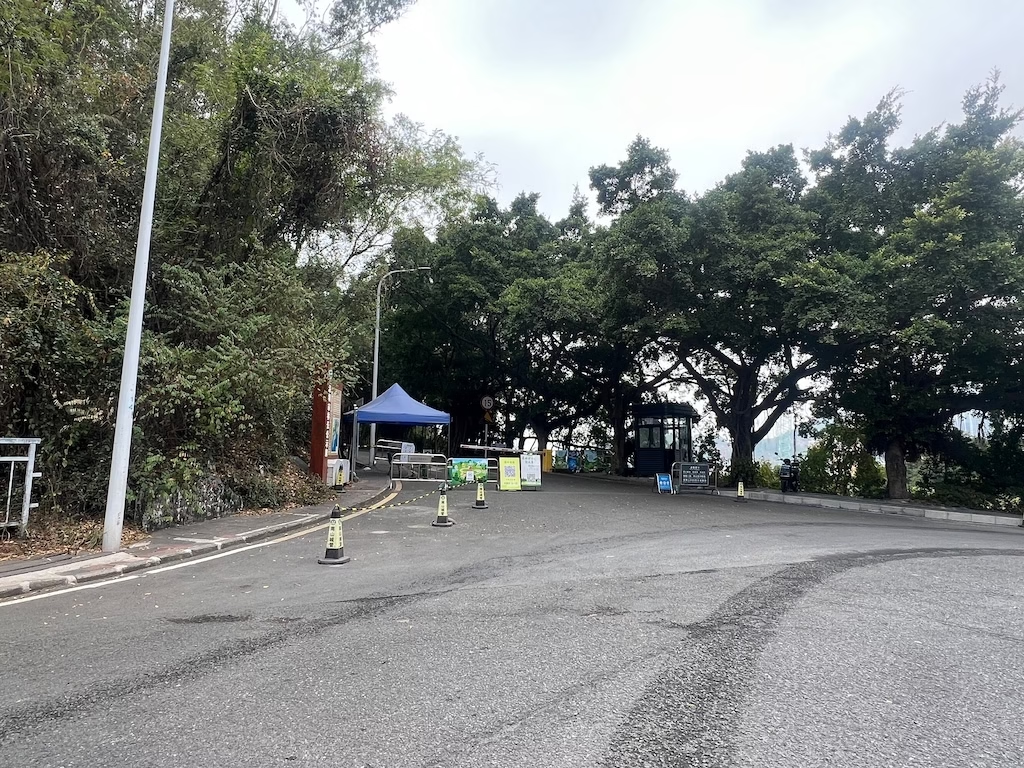
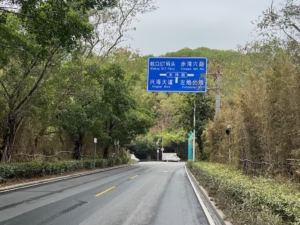
Then at the next intersection, turn left onto Linzexu Huanlu. (above)
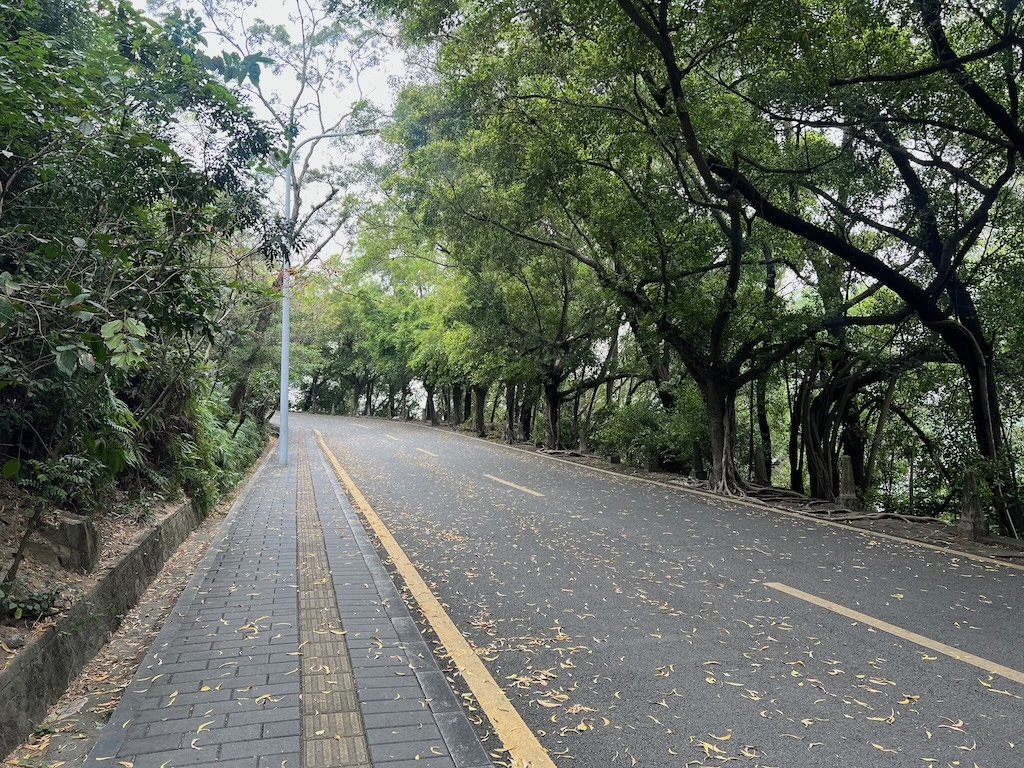
After a gentle incline (above), you will see the entrance to the Chiwan Left Fortress. (below)
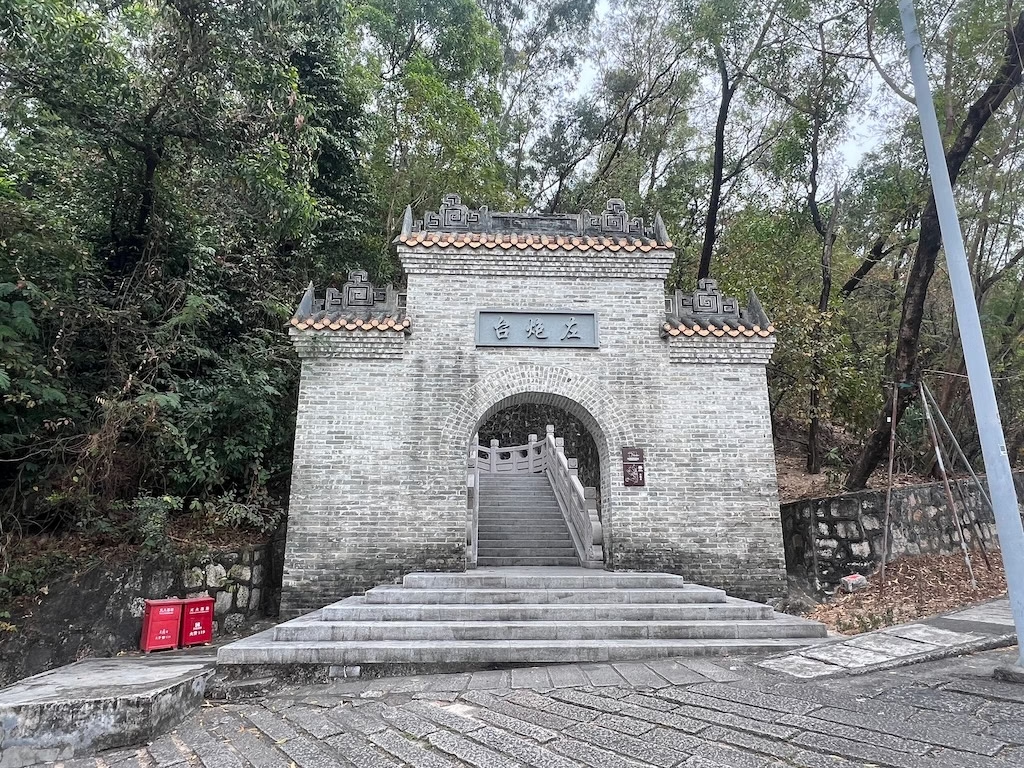
Otherwise, the closest boundary crossing is Shenzhen Bay. From there, the easiest is to call Didi, and it’s not so far away, about 30 minutes by car.
Sources
Descriptions on site at the Chiwan Left Fortress.
Baidu Baike on the Chiwan Left Fortress (Chin).