
Shenzhen Shorts — Purple Tabebuia at the Houhai Zhongxinhe Park
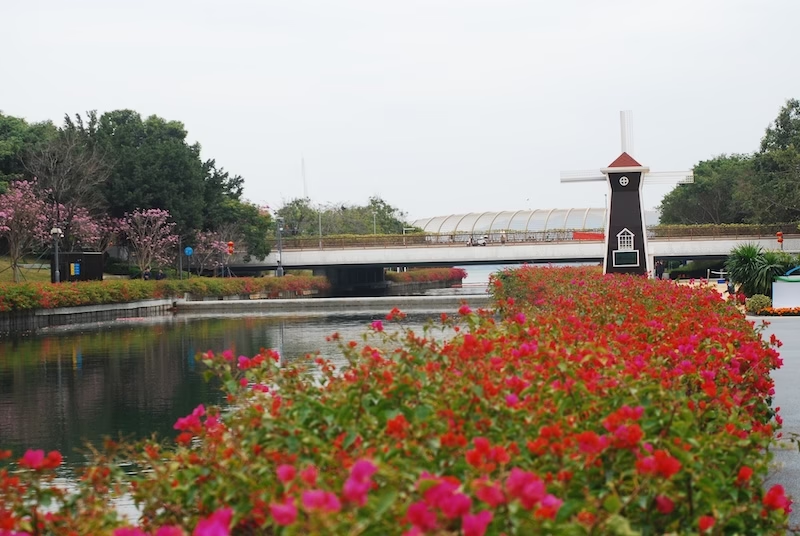
The Houhai Zhongxinhe Park (Houhai Central River Park) has been showing some spring colors and I took a walk there in February. The date of visit is February 8, 2026.
The Houhai Zhongxinhe Park
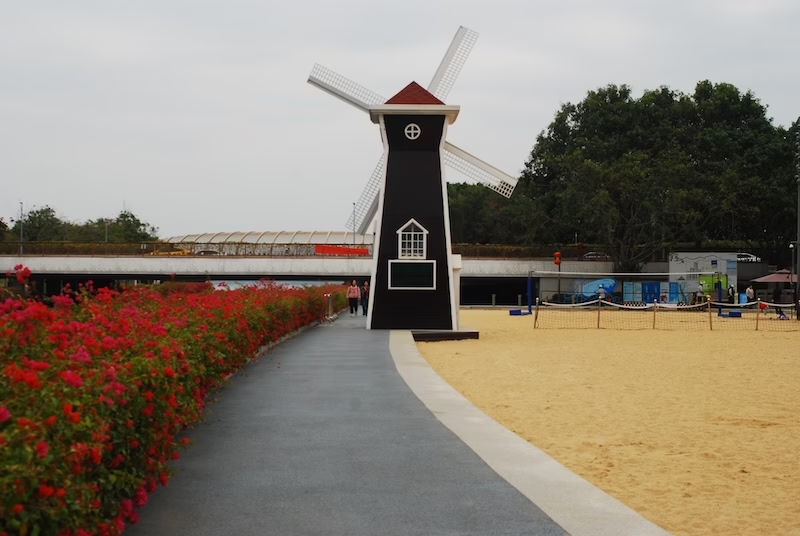
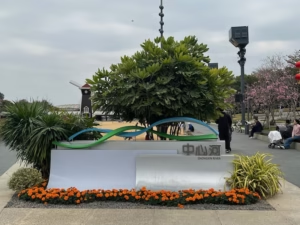
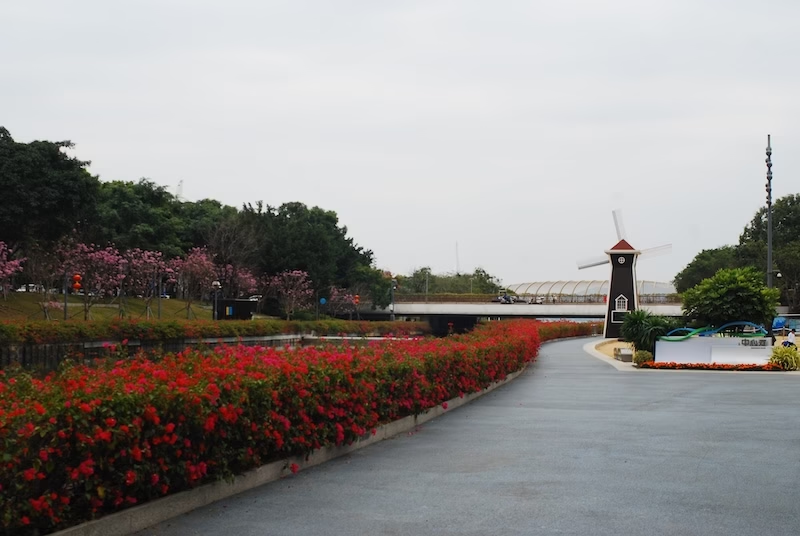
Meaning Houhai Central River Park, the recreational space at Houhai Zhongxinhe Park features a large area intended for children. A sandy patch and a Netherlands-styled windmill together welcome children to play. Usually, a windmill would feel a little gaudy in a Chinese park, but this windmill does not appear to be too out of place. The sandy patch is where people can play “beach volleyball.” The vibe there is deliberately “foreign,” but I think it is well done.
From its northern end at Dongbin Lu Road to its southern end at the mouth of the river at Shenzhen Bay, the park covers an area of 64,000 square meters. The park is part of the effort to beautify the coastal area of Shenzhen’s southwest, in the Nanshan District, as with the Guiwan Park in Qianhai (“Qianhai” means “the sea in the front” and “Houhai” means “the sea at the back.”).
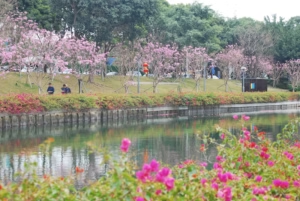
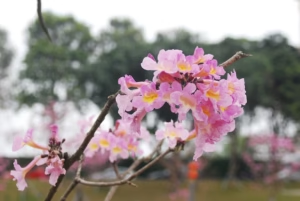
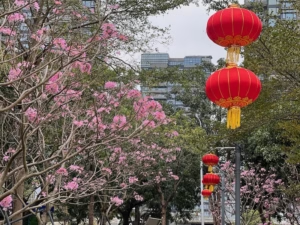
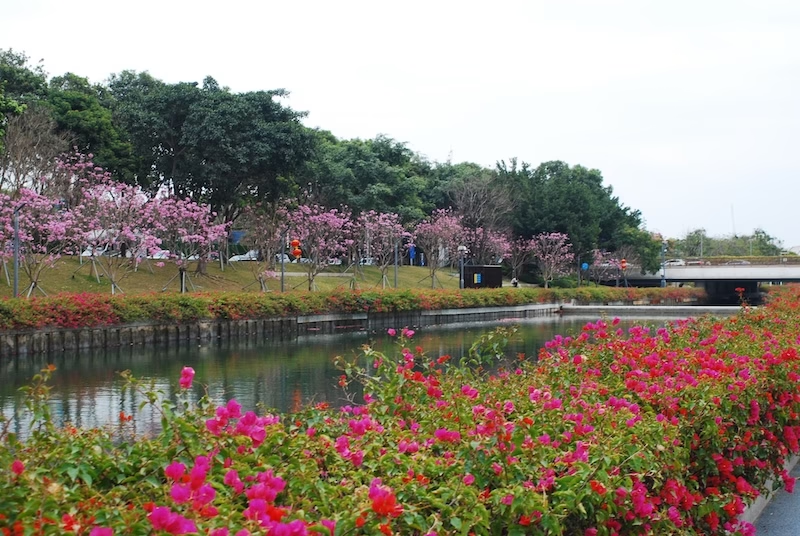
The Zhongxinhe River, which is formerly a canal built to address flooding issues only, becomes the central theme of this beautification effort. The banks of the river are extended to connect to the network of footpaths surrounding the park. The rows of purple tabebuia trees on the river bank serve ornamental purposes, especially during the early spring, when the blooming trumpets become the stars of the show.
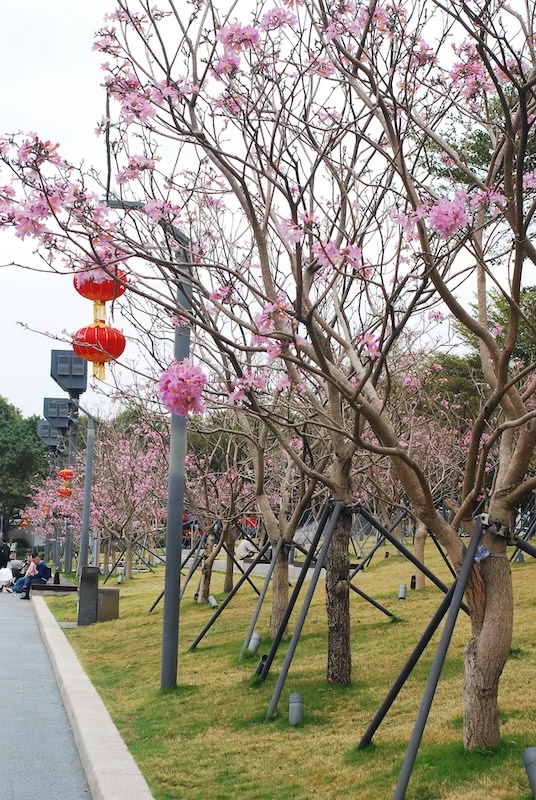
Both sides of the river are park areas, and there are rows of purple tabebuia lining the banks of the river. If I had gone at an earlier date, then the purple tabebuia would have made a much better scene, but even at the tail end of that floral season, the trees are beautiful.
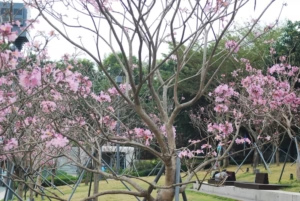
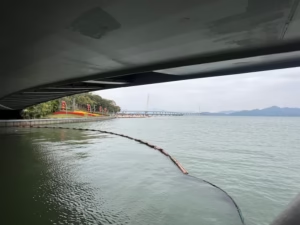
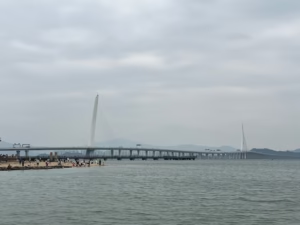
As with always, I was keen on the photography and so I spent all the time taking pictures. However, the point of visiting the park should be to walk around and enjoy the environment. I did walk from the river area through to the river mouth, which leads one to a 180-degree, wide open sea view. It seems as if the Shenzhen Bay Bridge is within grasp.
The Purple Tabebuia
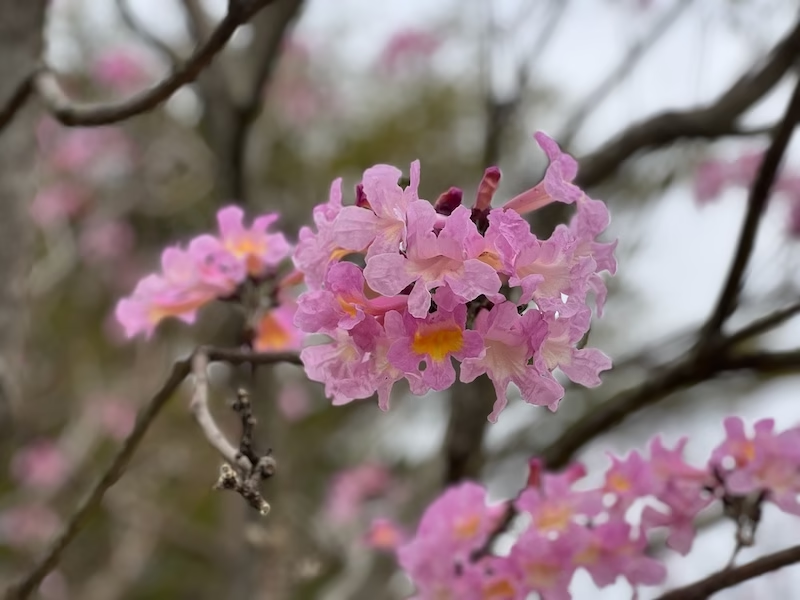
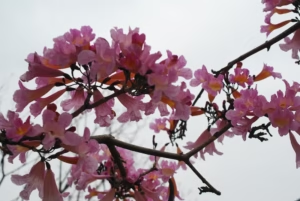
The tabebuia impetiginosa (commonly named trumpet tree) is a deciduous tree, which sheds leaves at certain time of the year. The flowers of the purple tabebuia come in a cluster. When viewed closely, you see handfuls of bouquets hung on the branches.
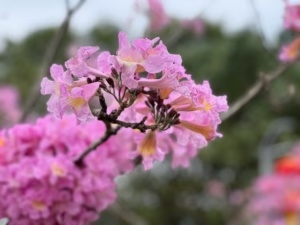
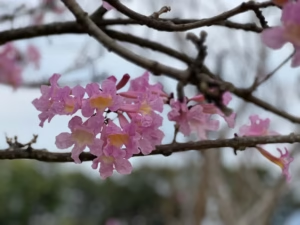
The tabebuia tends to thrive in warm and humid climates, and it is a species native to Central American countries. The species’ blooming bouquets have made it one of the most popular transplanted species in all parts of the world.They are planted mostly for ornamental purposes.
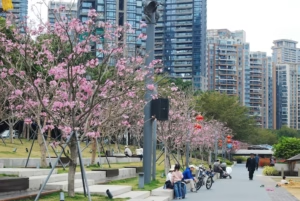
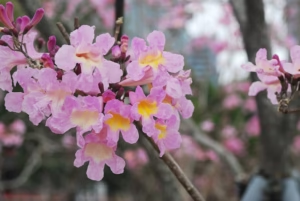
Quite a few locations in Shenzhen feature the purple tabebuia. Some of them line the sides of motorways, some of them are in the parks. They make fantastic opportunities for seasonal photography.
Bougainvillea
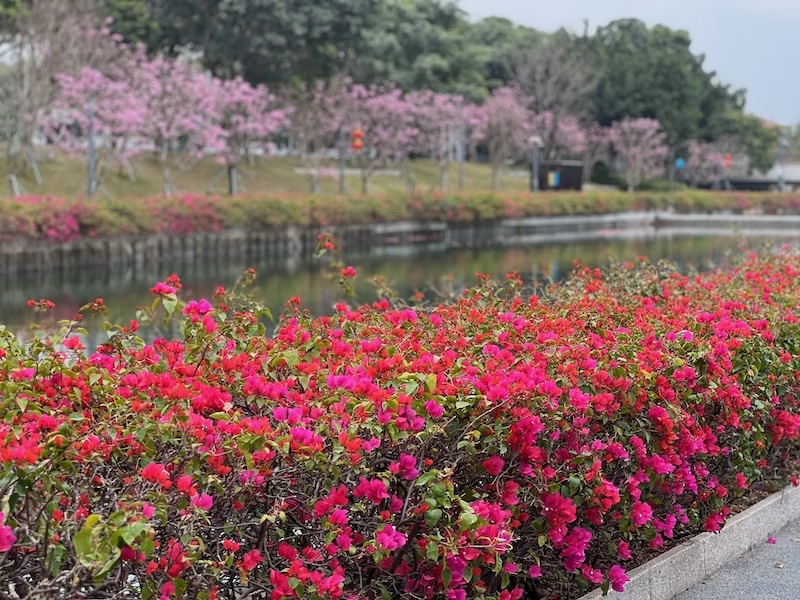
Besides the purple tabebuia, the park administrator also planted an abundance of bougainvillea, a thorny floral bush. It was at full bloom when I visited. It added an extra touch of auspicious color and significantly enriched the scenery. Where it was slightly disappointing that I was visiting at the tail end of the tabebuia bloom, the flourish of bougainvillea certainly made up for it.
How to Get There
The closest subway station to the Houhai Zhongxinhe Park is Wanxia Station, and you may walk about 15 minutes from there. The closest boundary crossing is the Shenzhen Bay Port, and from there you can take Bus Routes M484. From the Futian Boundary Crossing, calling Didi would cost you something like HK$48.
Sources
The Shenzhen Municipal Uban Management and Law Enforcement Bureau, the Eco-Pathway of Zhongxinhe River (Chin).