
Historic Macau — The Monte Fort
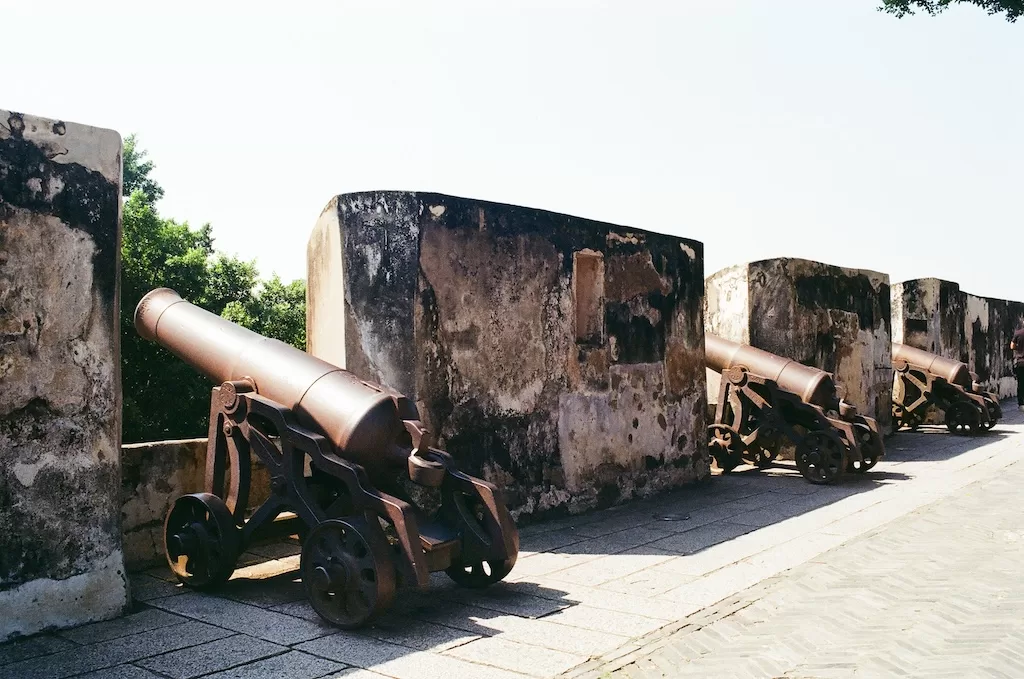
Fortaleza do Monte in Portuguese, the Monte Fort has great historical significance to Macau. This is the site of the battle between the Dutch and the Macanese during the Dutch Invasion of 1622.
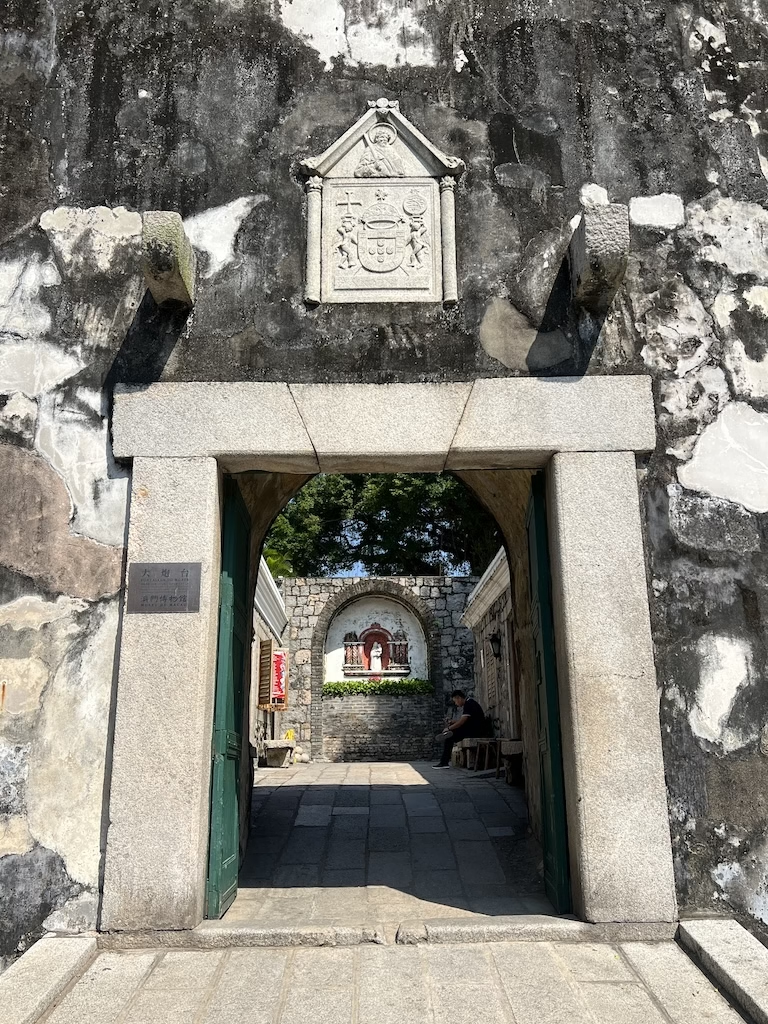
The tale is one of heroism at one shot. The Jesuit priest had but a few cannons with him and in his first shot he hit the Dutch troops ascending the Monte and blew up their magazine.
The Macanese having won the first invasion by the Dutch, the rest was history.
The History of the Monte Fort
The Monte Fort was built between 1617 and 1626 on Mount Hill by the Jesuits in order protect their properties. Originally, the protection was intended to be against the pirates in the area. Eventually, it came into the possession of the Macau government, and since then it had been considered a defensive structure for Macau city.
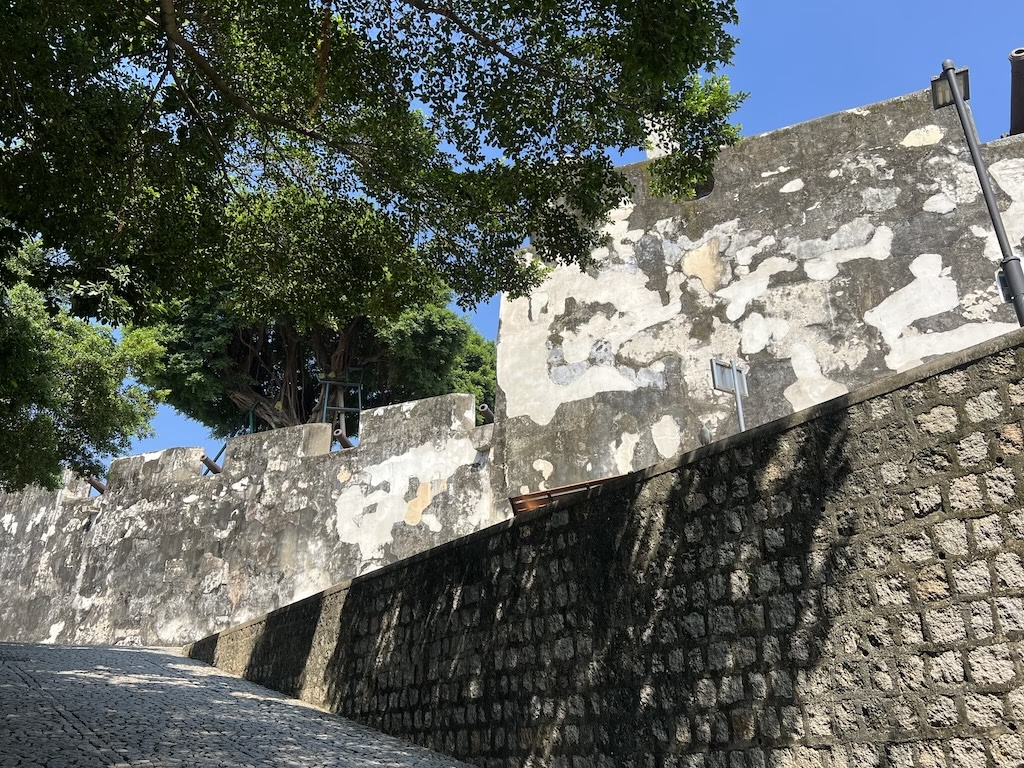
In its history, the Monte Fort’s cannons came into use only in two occasions. The Monte Fort remained a defensive structure, being off-bounds to the public, until the Macau Government built the weather station in 1965. This weather station would eventually be turned into the Macau Museum today, opening its doors since 1998.
The fort had also served as the governor’s residence between 1623 and 1749. Governor Francisco Mascarenhas began residing there, and successive Macau governors have done so until 1749.
The Layout of the Monte Fort
Perhaps it is hard to believe that a structure of defense has an exceeding beauty. The aged rocky enclosure breathes the spirit of endurance. Some parts of the exterior are black, some parts are white, looking like the patches of a classic milk cow. Though a little strangely, its appearance exhibits a calmness and serenity grounded in its significance in Macau history. It has certainly had its share of glory, having been through the thick and the thin of Macau’s transformation.
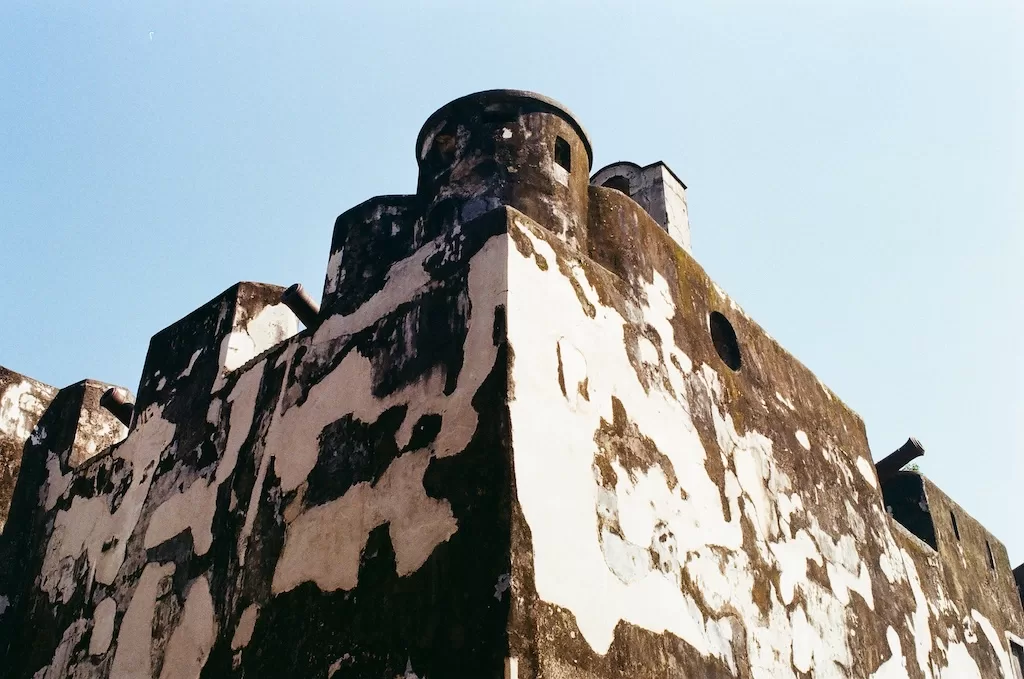
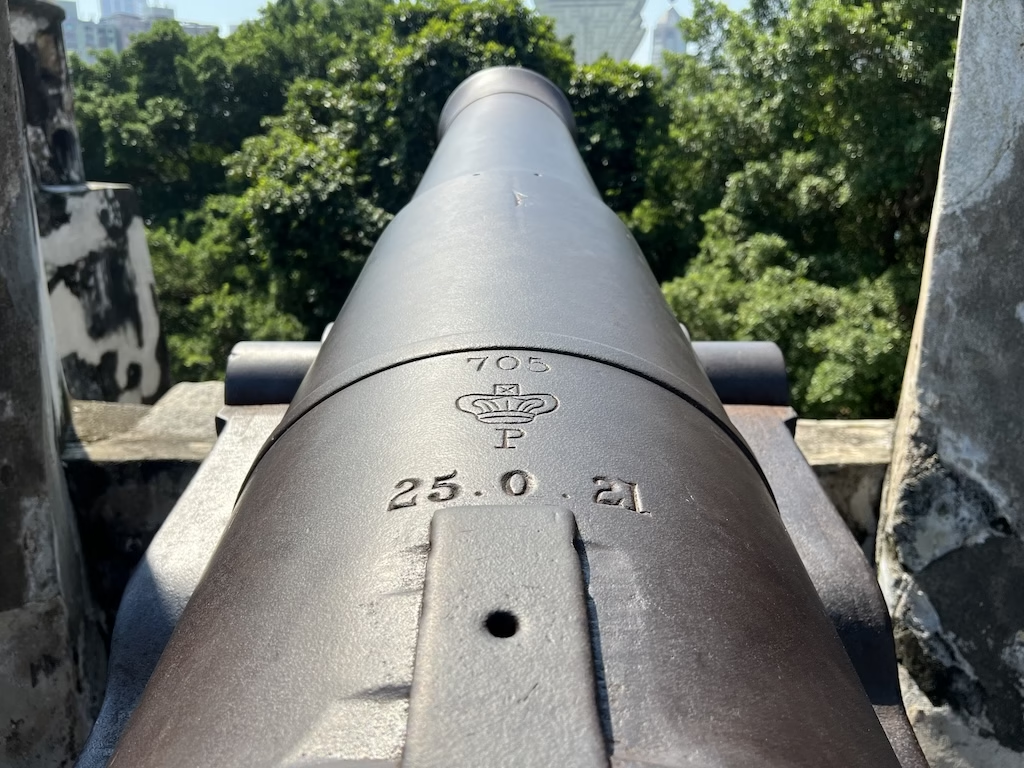
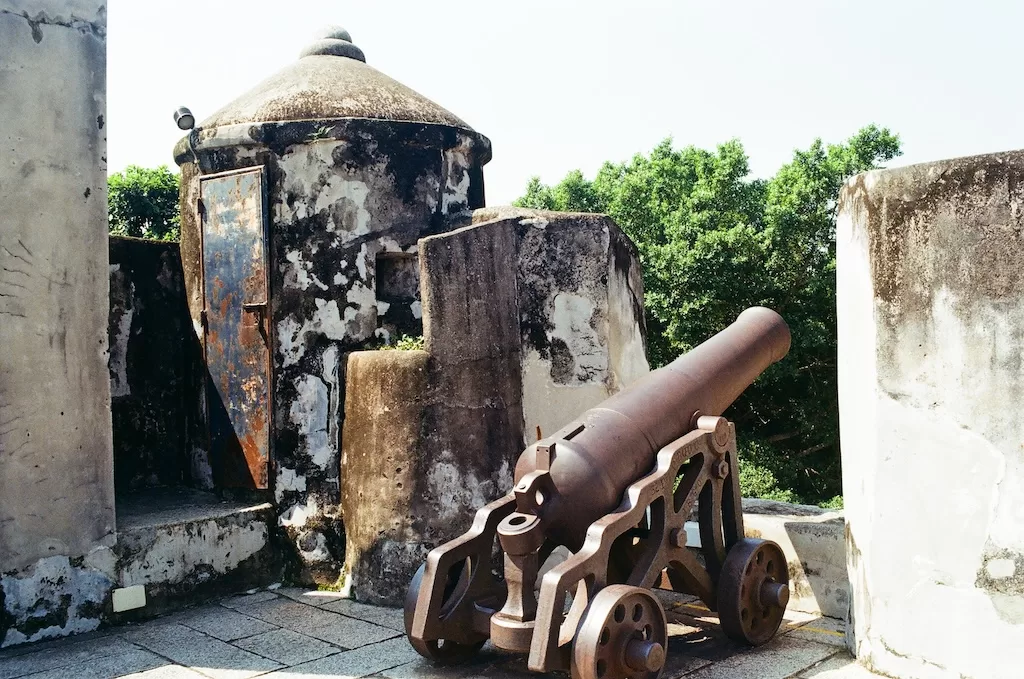
The general area of the Fort spans an impressive 2.47 acres. The cannons are situated at a 100 x 100 meter square fort. There are a total of 32 cannons on display, along with watch towers. The cannons face the western and southern directions, which include the coastal area of what is now Nam Van. The enclosures are built in stones. The former barracks now houses the Macau Museum. There are also tunnels, as part of the defense structure, in the area. They are worth exploring but not open on the day that I visited.
The Macau Museum is reputed to be the best source of Macau history, but I did not have enough time to see the exhibits there. That will be on my itinerary in my next visit.
Getting to Monte Fort
From the Ruins of St. Paul’s, one can easily walk up to reach the Monte Fort. The climb is gentle, although maybe a little sweaty during the hot days. Be sure to bring enough water with you, as in the next entry I will take you forward to the Guia Fortress and Lighthouse, which is another climb up.
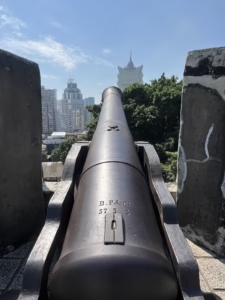
As I stood at the Monte looking over the city, I saw afar the clear image of the Grand Lisboa, its building’s signature top in a fan shape. Glistening in gold, it looked slightly outdated, slightly gaudy. I wondered if Macau has ever consciously reconciled the extreme opposites that lie at the core of its identity. One of a heavily religious past as against the decadently hedonistic present. Do the Macanese themselves think of their rich spiritual heritage to be fundamentally at odds with what is now the indispensable lifeline in their economy, that is legal gambling, as shown in the omnipresence of posh casinos?
Sources
The Wikipedia on the Fortaleza do Monte.
China Xian Tour, Monte Forte of Macau – the Oldest and Largest European Fort in East Asia.
China Highlights, Monte Fort.