
The Hong Kong Museum of Medical Sciences
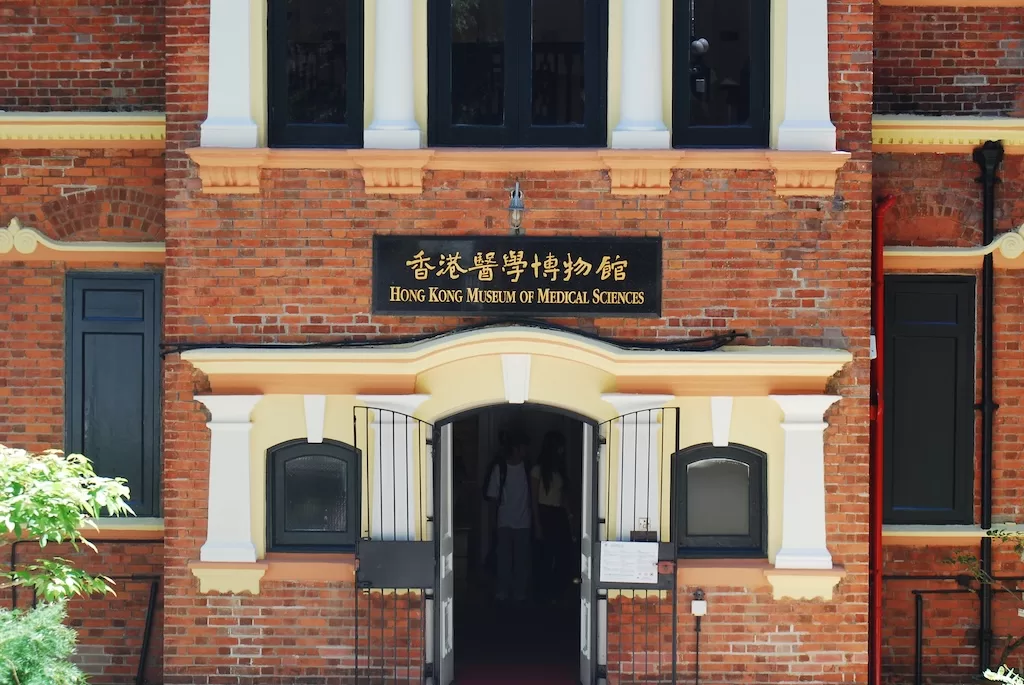
Here comes the dog days of the summer and the thought of having to walk from sea level up to the mid-levels’ altitude for the Museum of Medical Sciences was daunting enough.
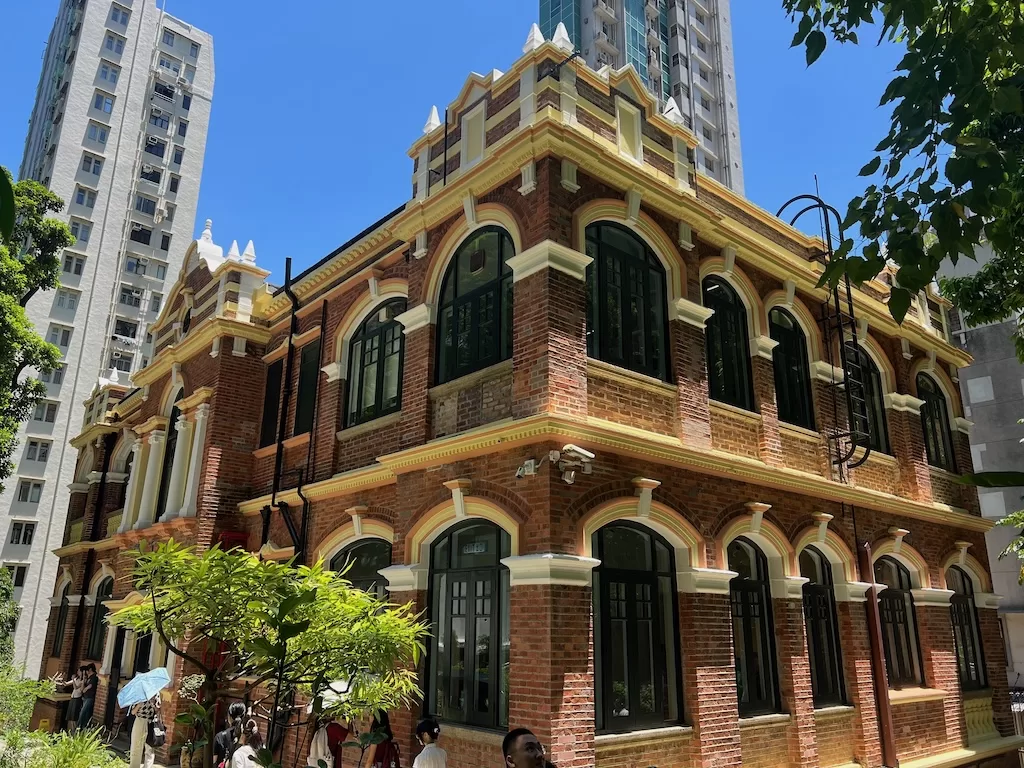
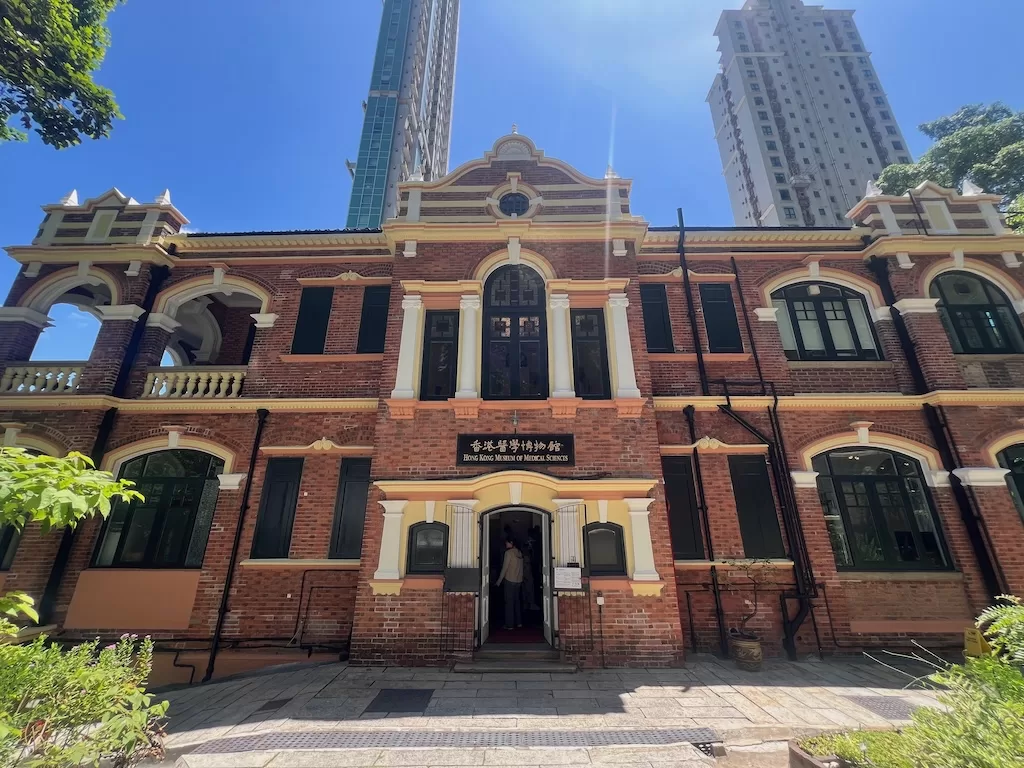
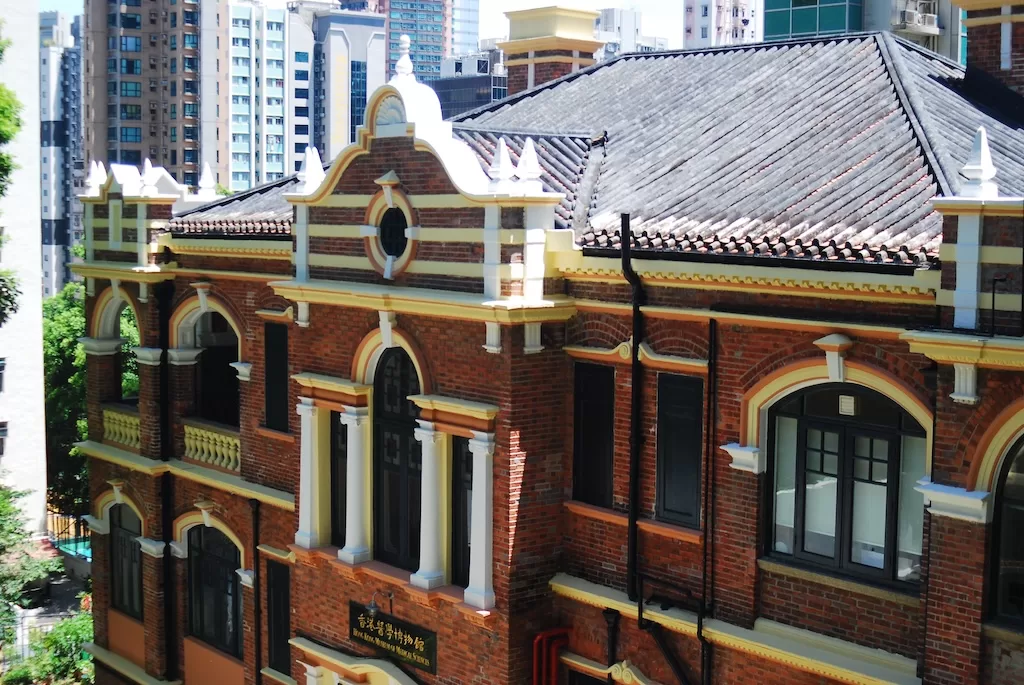
So, instead, I opted to walk from Central MTR station, via the escalators, up to Caine Road. I then headed to the Sheung Wan direction on Caine Road, then took one flight of stairs down to Caine Lane to arrive at the museum. I adored the museum building at my first sight. Under the broad daylight of mid-July, it stands proud, glistening in its historical significance as an antique monument that once gave home to Hong Kong’s first Bacteriological Institute.
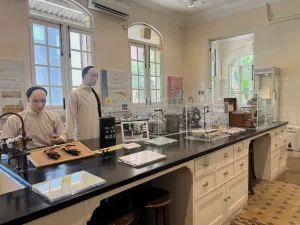
A tour of the Hong Kong Museum of Medical Sciences takes about 45 minutes at the most. The exhibition on the history of Hong Kong medicine was informational, so was the educational video upstairs. Otherwise, the really key thing to see was the laboratory, also on 2nd floor, which has preserved the original features of the Bacteriological Institute.
A Brief Look at the Historical Development of Hong Kong’s Medicine
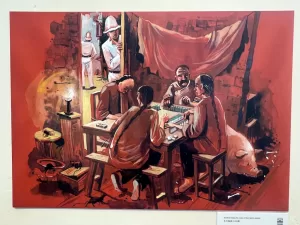
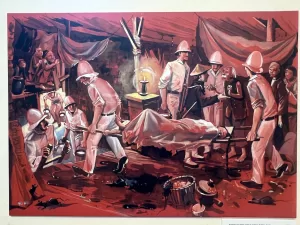
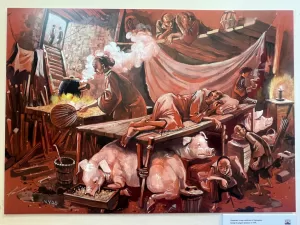
The urgency of studying bacteriology became apparent after Hong Kong emerged from the bubonic plague of 1894. The epidemic terrified the Chinese community of Hong Kong, equally so in both health and cultural dimensions. The bubonic plague, also known as black death, caused significant deaths and enormous suffering. The Chinese people at the time also resisted the Hong Kong Government’s efforts to forcefully sanitize their homes and to handle the corpses. It was a political and health crisis in one.
In 1906, the Bacteriological Institute began serving as a key medical institution in Hong Kong that addressed infectious diseases and bacterial pathology. The need to institute such a facility arose as a public health lesson learned from the bubonic plague. For decades, it was a laboratory of infectious pathology, until the 1950s. It then served as a vaccine production center until the 1970s.
The first hospital for the Chinese people were established in 1872. It provided services in traditional Chinese medicine as the predecessor of Tung Wah Hospital. The awareness for public health standards were introduced by the publication of Osbert Chadwick’s Report on the sanitary conditions of Hong Kong in 1882. In 1887, Sir Ho Kai donated the funds necessary to establish the Alice Hospital in the name of his beloved late wife. That was the first western hospital dedicated to serving the Chinese community of Hong Kong.
The Hong Kong College of Medicine for Chinese, an initiative of Sir Ho Kai and other practicing private doctors, would become the first institute of tertiary learning in Hong Kong. Beginning in 1887, it carried the torch in the education of local talents in western medicine. It is worth mentioning that Dr. Sun Yatsen, who would eventually lead a successful revolution against the Qing imperial rule of China, was a graduate of the Hong Kong College of Medicine for Chinese. The Hong Kong College of Medicine for Chinese was a founding faculty (the Faculty of Medicine) at the inception of the University of Hong Kong in 1912.
The Museum of Medical Sciences as a Heritage Site
Formerly the Bacteriological Institute, the Museum of Medical Sciences was intimately related to the bubonic plague of 1894. Tai Ping Shan, a densely populated residential area for the early residents of Hong Kong Island, located in Sheung Wan, was a site of heavy casualties.
At the time, the hygienic conditions in the Chinese communities were terrible. There were no sanitary or even automatic water supply facilities in the typical two-story tenement homes in the area. Tai Ping Shan was also notorious for its shallow graves, the corpses of which were often exposed by rain and weather conditions, posing significant distress and health risks.
It was during the bubonic plague that then Hong Kong Government shuttered the whole neighborhood of Tai Ping Shan and required an evacuation of all residents. After the bubonic plague, the Government then rebuilt the whole neighborhood. The Bacteriological Institute was established in 1906 in the former Tai Ping Shan neighborhood, dedicating itself to the study of infectious diseases.
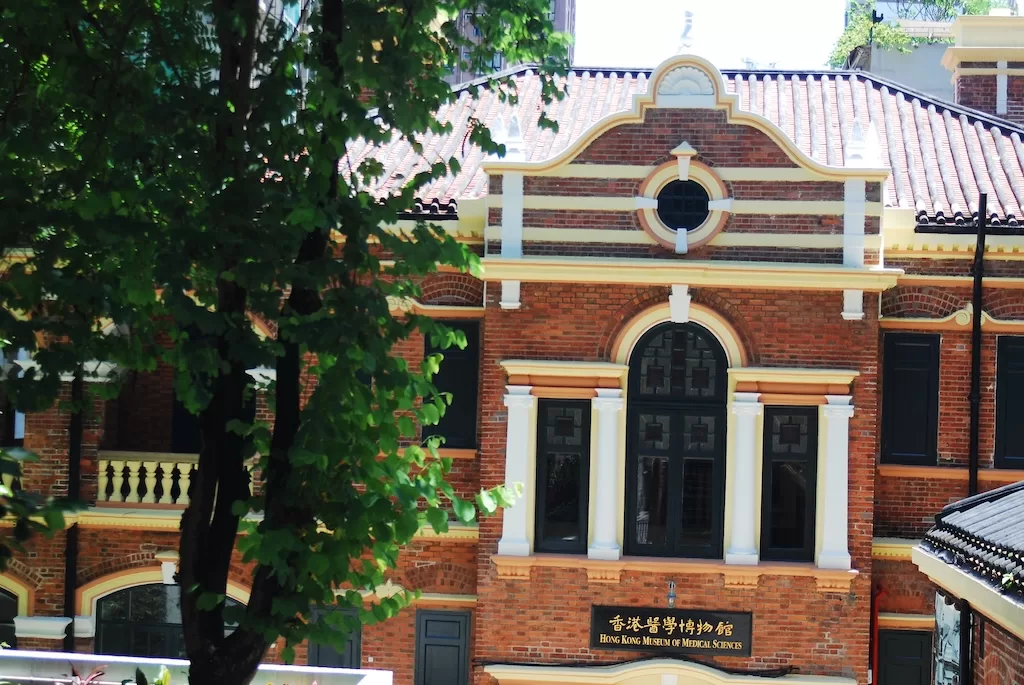
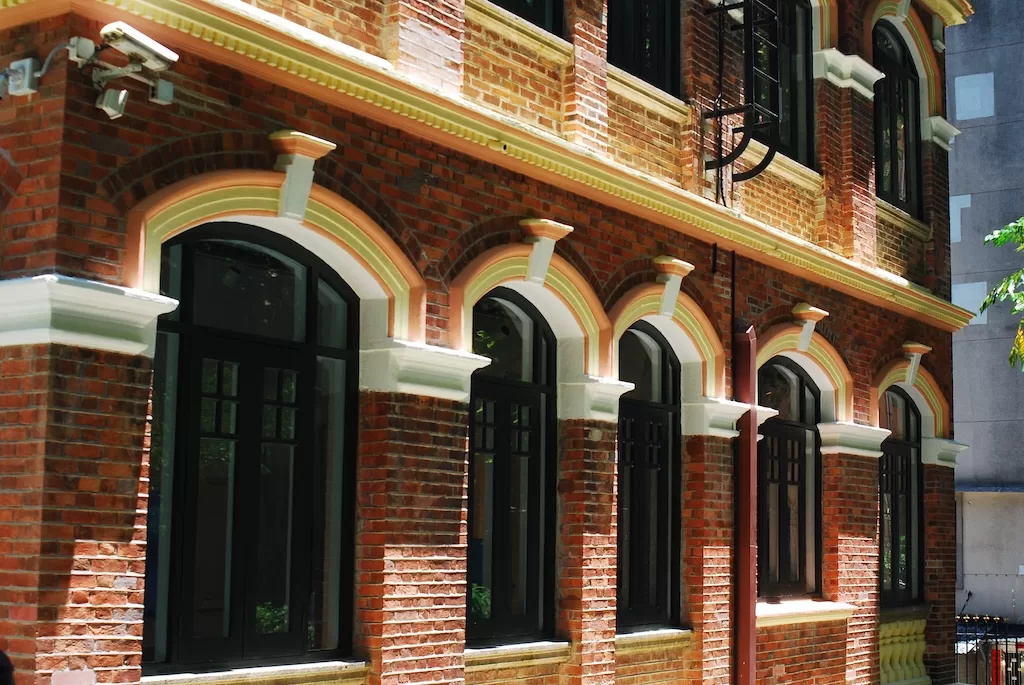
The two-story building comes in the Edwardian style of architecture and a tiled gabled roof. Its exterior lined in red bricks, the building features also arched windows with ornamental lining.
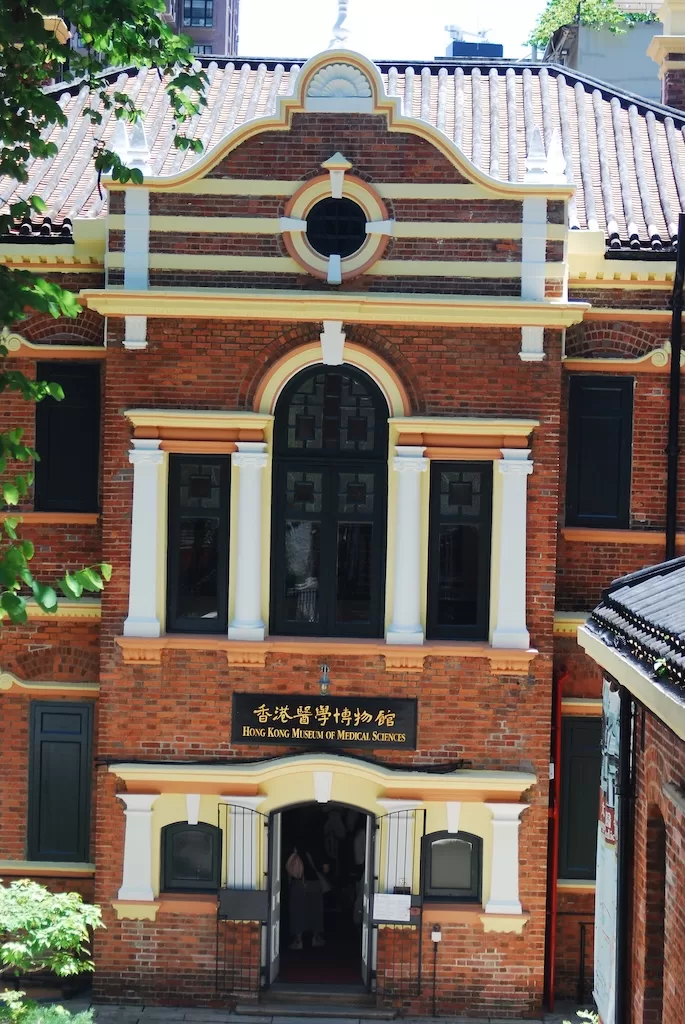
Viewed in the front, central bays with arched façades and Romanesque columns adorn both levels, as windows on the top level and the entrance gateway on the ground level. “The pilasters and attached columns framing the windows have iconic capitals.” (Official Website of the Museum of Medical Sciences)
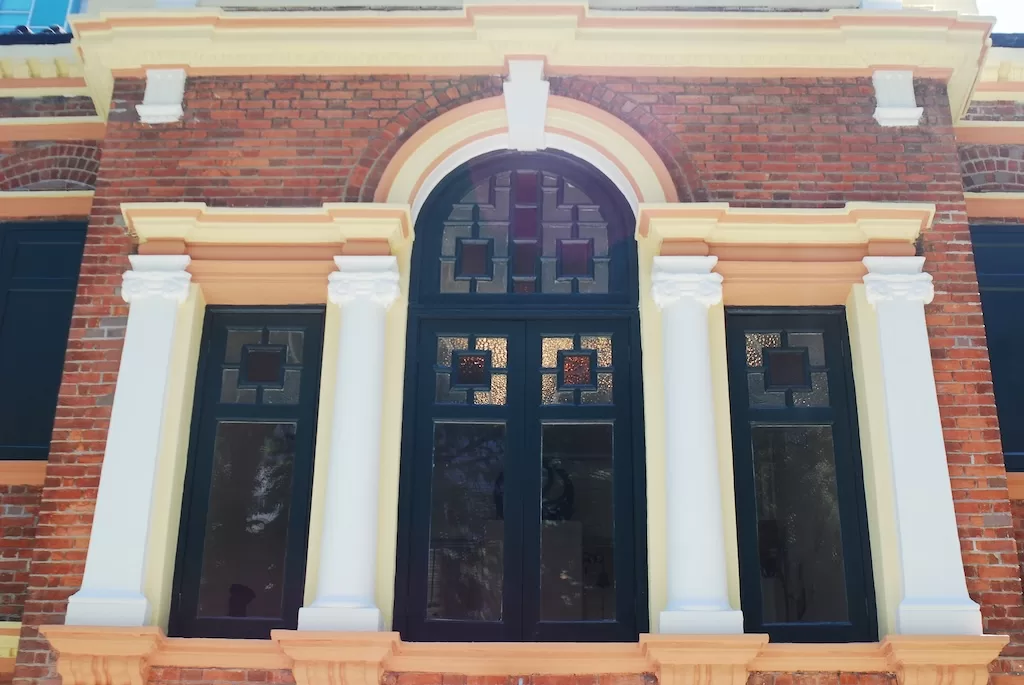
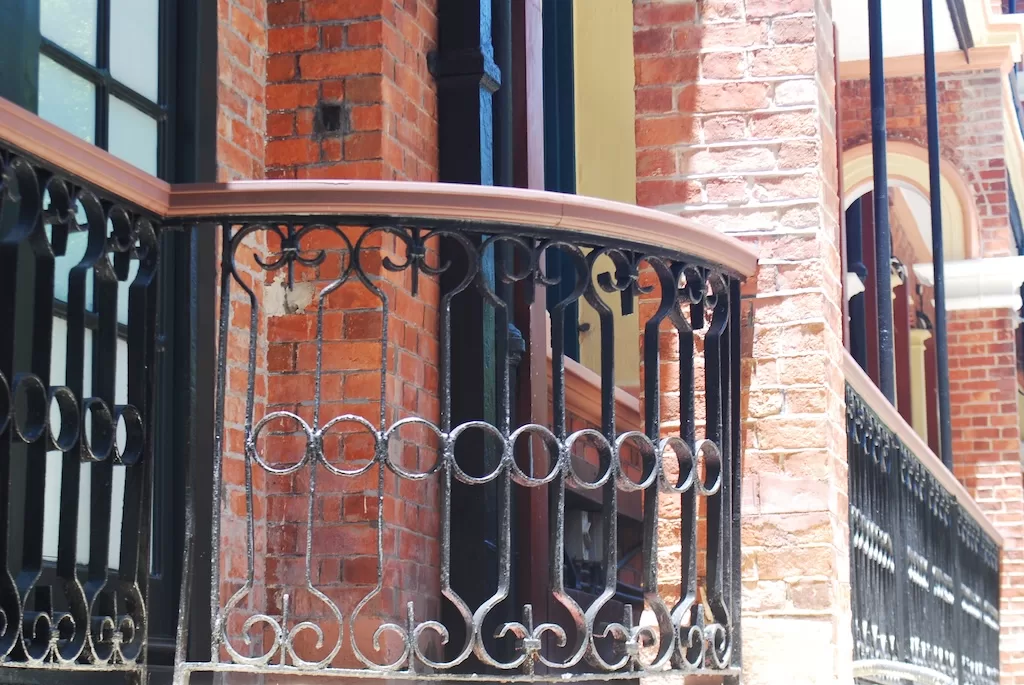
The upper story comes with balconies, a feature that aimed to address the tropical climate of Hong Kong. Unlike other typical early colonial era buildings, however, the Museum of Medical Sciences does not feature a veranda. It is nonetheless stately in its own right.
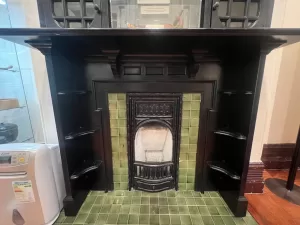
The Edwardian features also some typical interior features of early colonial era buildings, with elegant staircases, wooden flooring and a furnace for the dampen cold days.
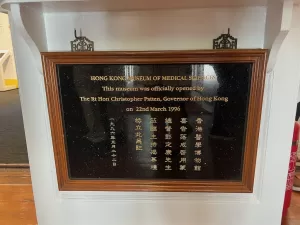
The heritage site, which would eventually become the Museum of Medical Sciences in 1996, was named a declared monument in 1990. Before being repositioned as a museum, it was known as the Old Pathological Institute.
The address of the Museum of Medical Sciences is 2 Caine Ln, Sheung Wan.
Sources
Descriptions on site at the Museum of Medical Sciences.
The official website of the Hong Kong Museum of Medical Sciences.