
Historic Macau — The Lilau Square and Mandarin’s House
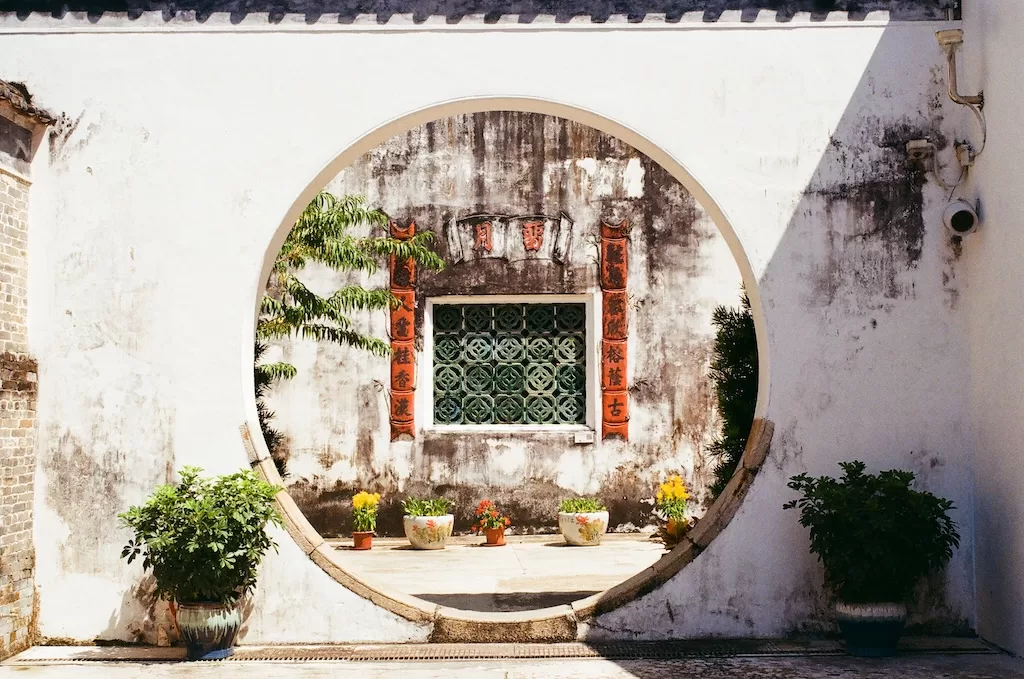
Once you have drunk the water of Lilau Square, you would never be able to forget Macau.
Throughout Macau, a main urban feature is the squares. Lying at every significant junction in the local neighborhoods are these squares that carves out a concentrated space, usually coming with an old, luscious tree on cobblestones for people to rest. The intention is to provide a community space before significant building structures. The eight squares in the Historic Center are uniquely Macau as a city design. The Lilau Square has a particular historical significance.
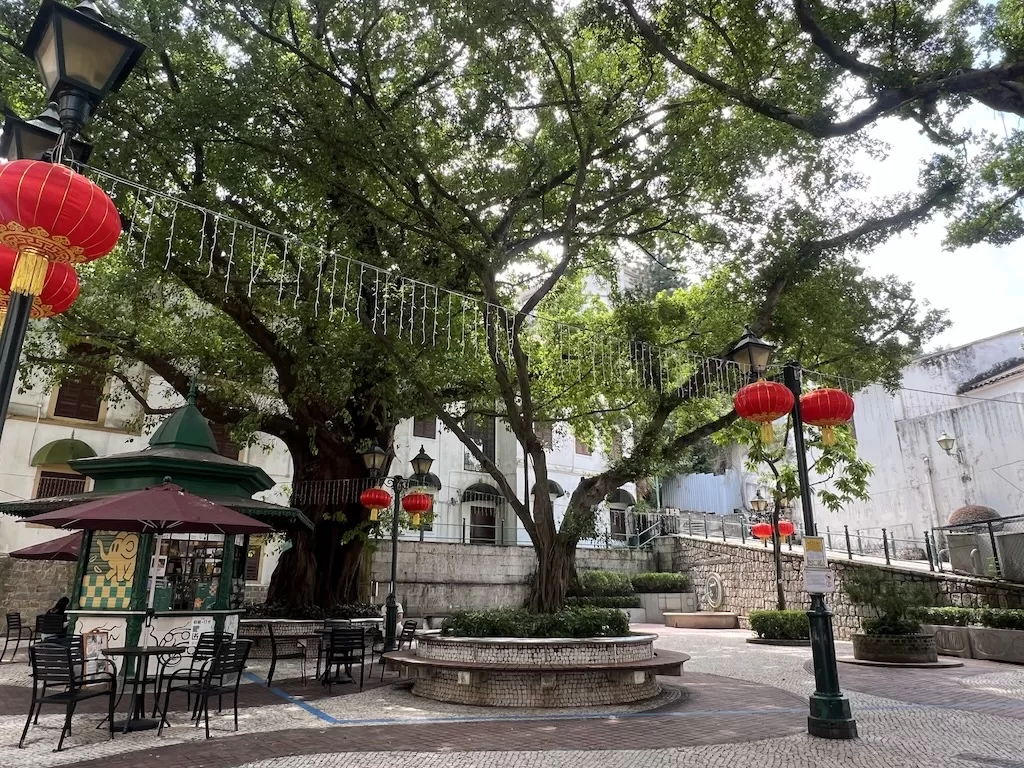
It was a leisurely stroll of about 10 minutes to the Lilau Square from Penha Hill. I noticed how quaint this part of Macau was, presenting a ready parallel of the old colonial with the somewhat aged modern.
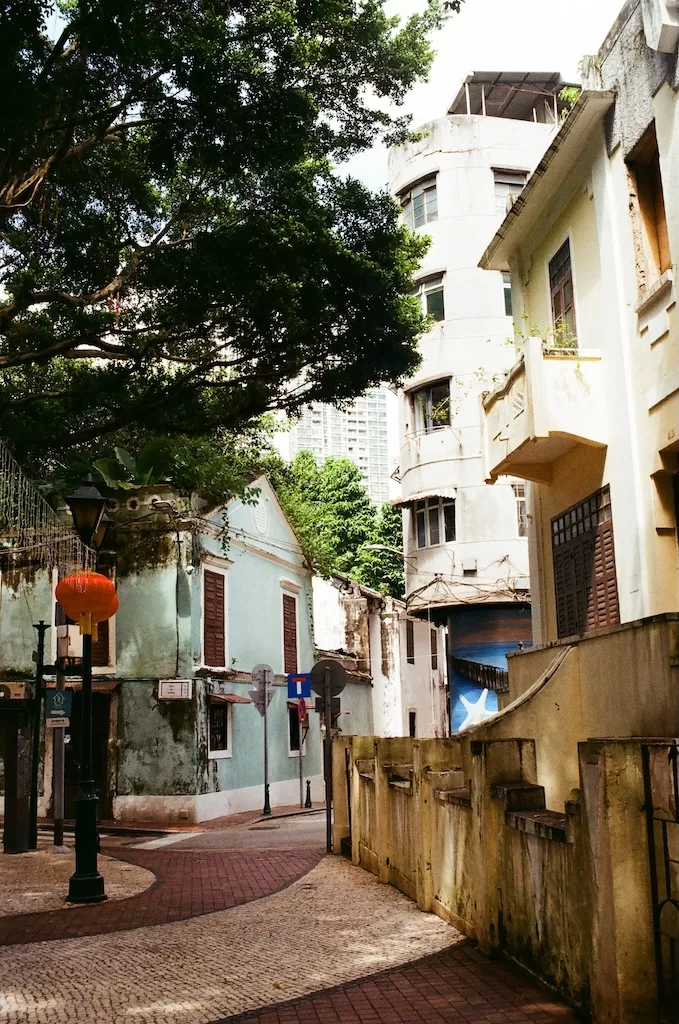
The Lilau Square
In those old colonial days, Lilau Square was where a fresh spring supplied water to the residents of Macau. In Chinese, Lilau Square means, roughly, “the grandma’s well square.” Legend has it that an old woman built a pool that collected fresh water here. Thus, it is said that “once you have drunk the water of Lilau Square, you would never be able to forget Macau.”
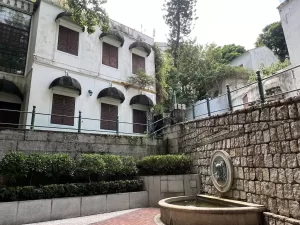
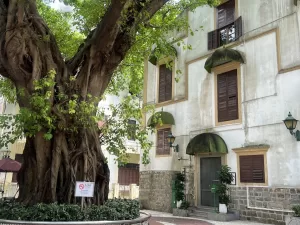
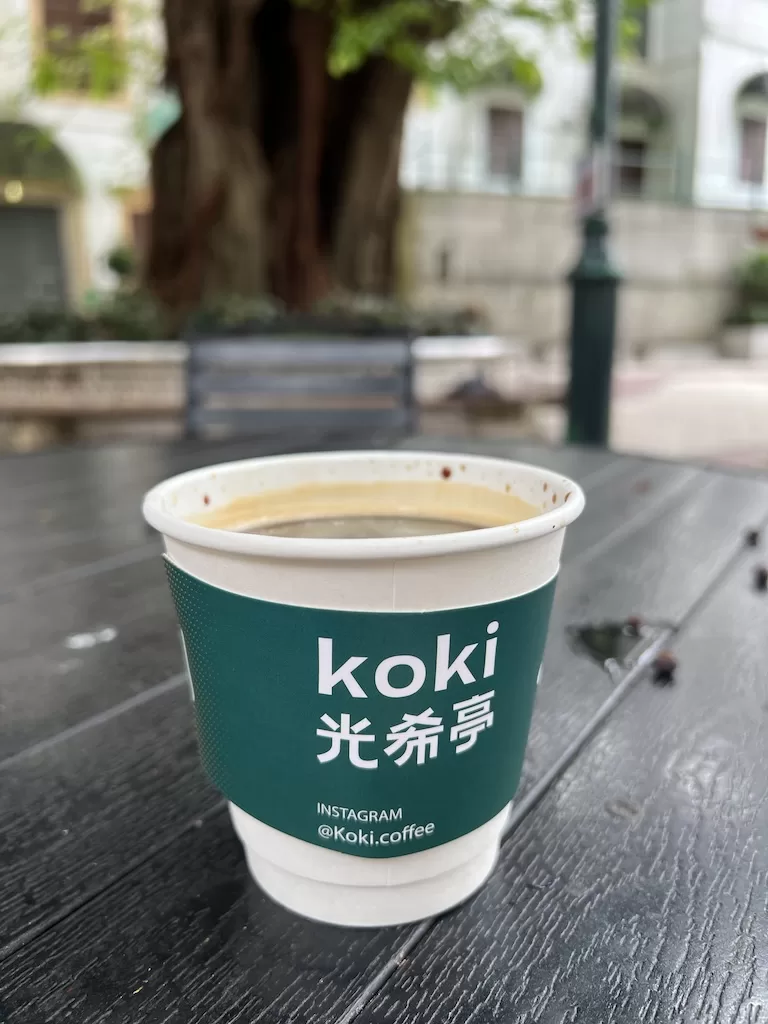
I didn’t drink the water at the well. I did drink the coffee there.
Perhaps then it is no surprise that this is the place where one of the first Portuguese residences in Macau was located. The Mandarin’s House, just abutting the Lilau Square, is also a testament of this area being a prime choice for the privileged.
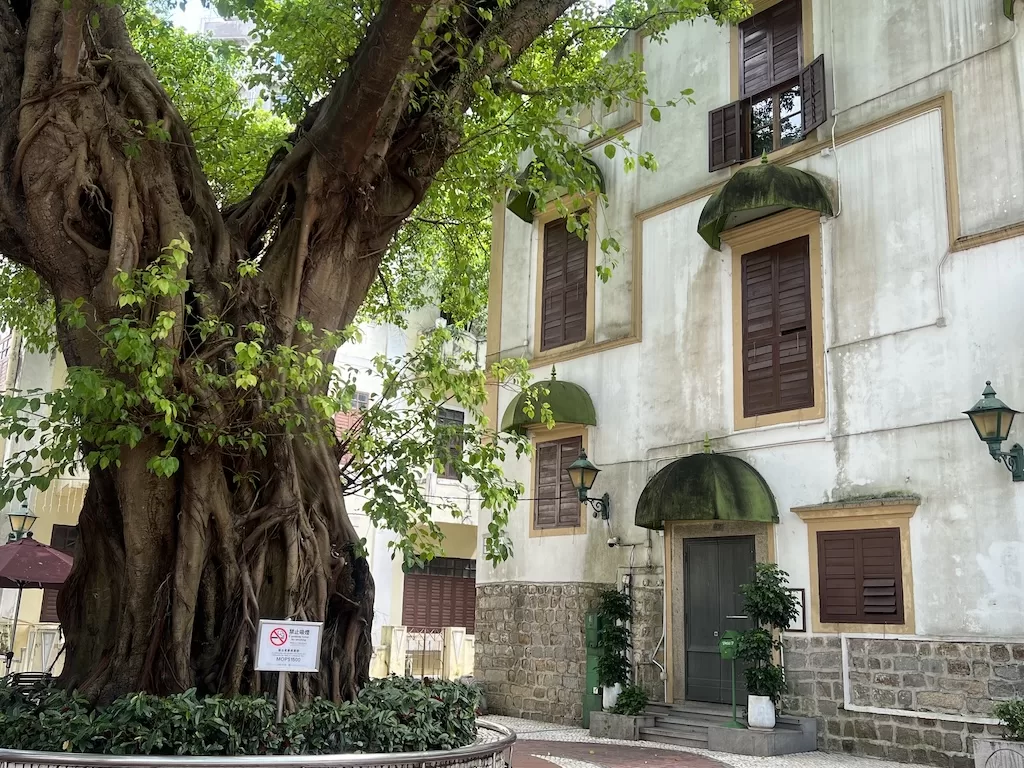
Today, the Lilau Square features a small coffee stand, some tables and chairs under the generous shades of an old Bunyan tree. Along with the aged and somewhat unkempt buildings in this neighborhood, the Lilau Square gives an impression that was at once contemporary and historical.
The Mandarin’s House
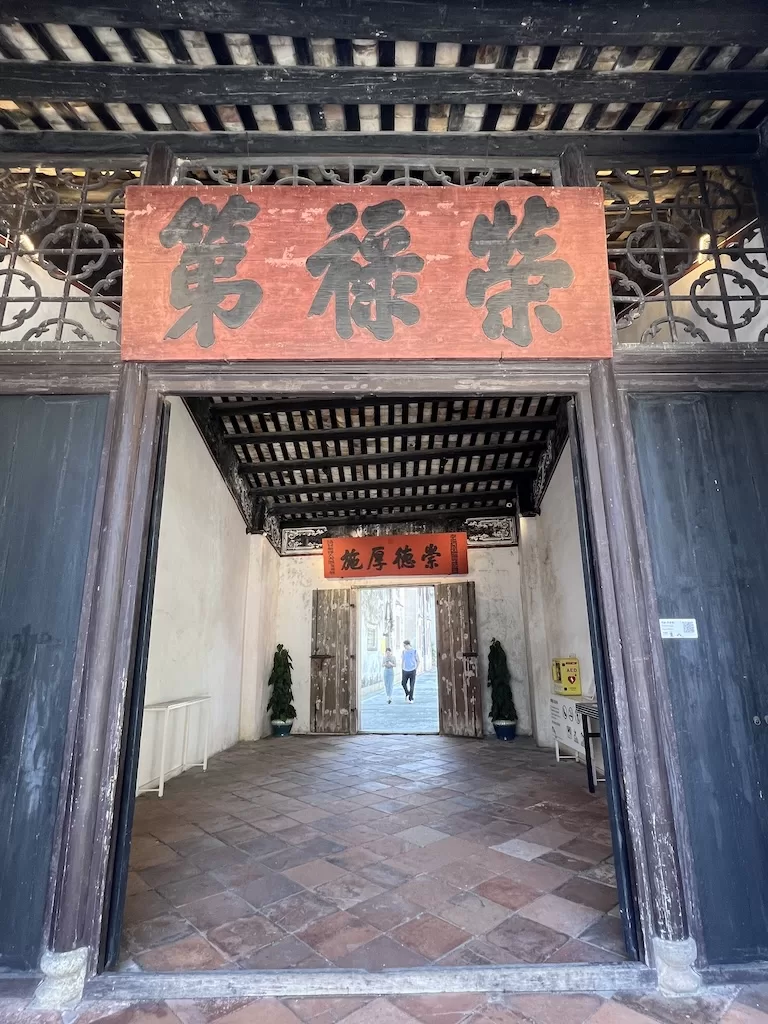
Of the Zheng’s, the Mandarin’s House was built in 1869. Zheng Guanying (1842-1921) was a well-known literati of China, and this aspect of his life is amply shown in the classic setup of the Mandarin’s House. It is said that his book Words of Warning in Times of Prosperity had far reaching impact on the Qing imperial court, Dr Sun Yatsen and even Mao Zedong. In fact, he wrote this book in this very home in Macau. In his illustrious life, he was known also for being a businessman, educator, philanthropist and a patriot.
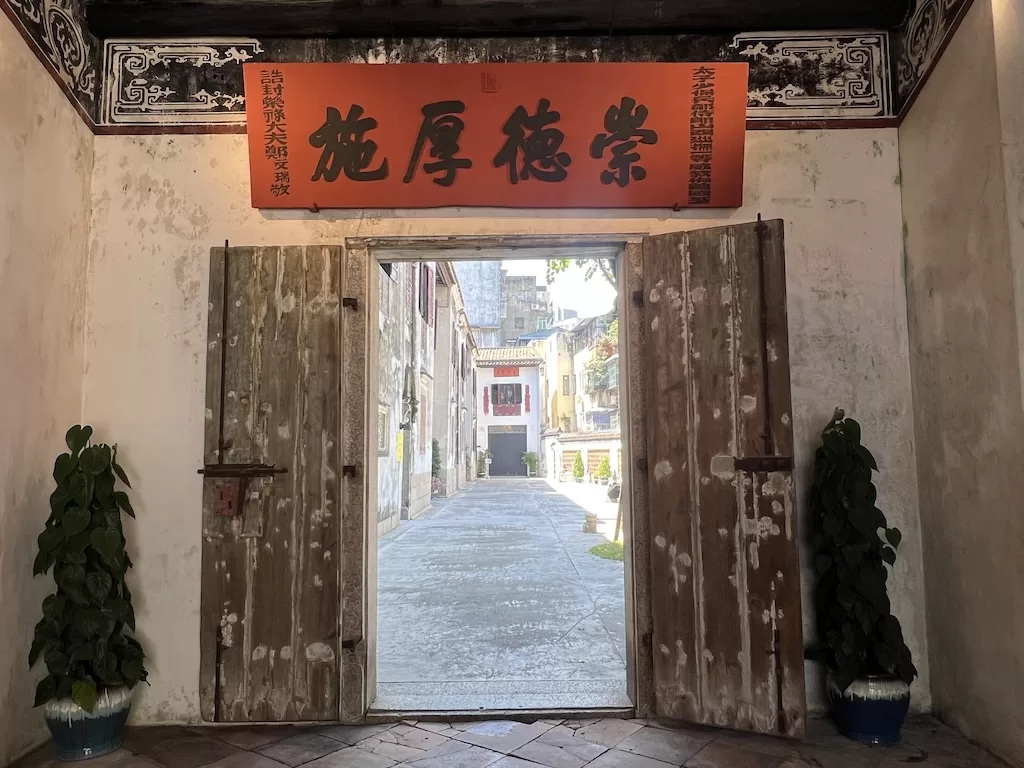
The Mandarin’s House is the only Tai Fu Tai in all of Macau that celebrates the Qing official title of Ronglu. Tai Fu Tai was the traditional mansion type of residency for a civilian government official, in Qing dynasty times known as Tai Fu. Zheng Guanying’s father, Zheng Wenrui, built this house.
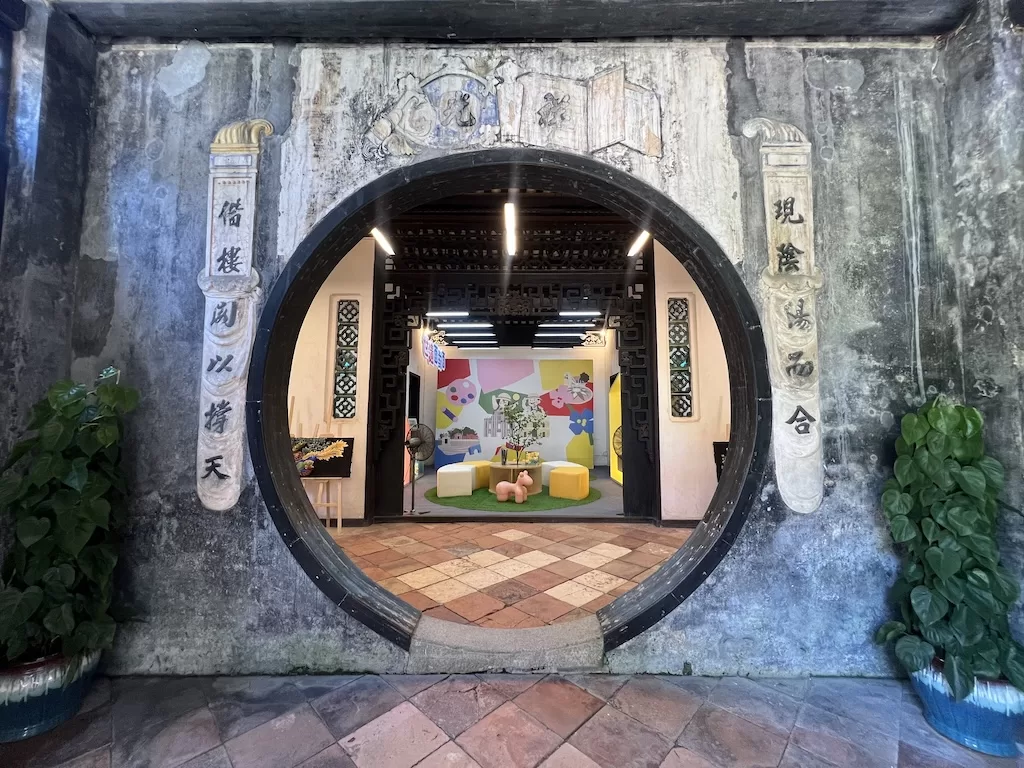
Architectural Features of the Mandarin’s House
Standing as it is now, the Mandarin House spans a floorspace of 4,000 square meters. From the main entrance, one goes past the subsidiary rooms, the gate tower and then the two main buildings in Lingnan architectural style.
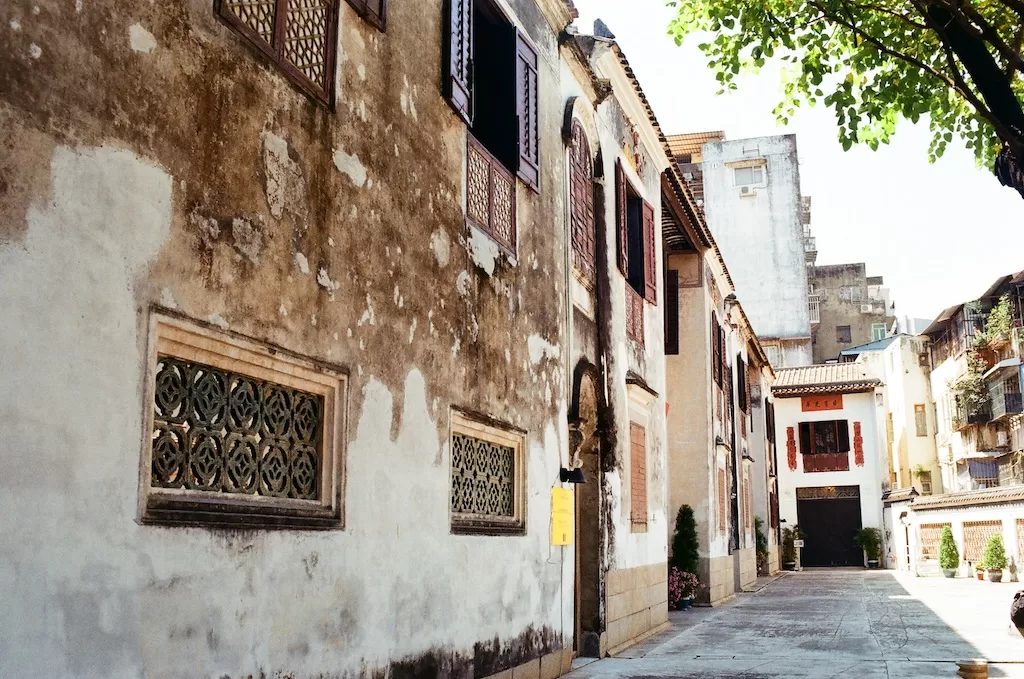
The two main building groups stand side by side in two stories. They come with the basic layout of three halls, connected by long corridors and showcasing inner courtyards. The building is made of blue bricks.
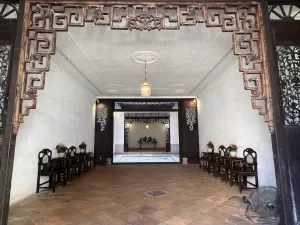
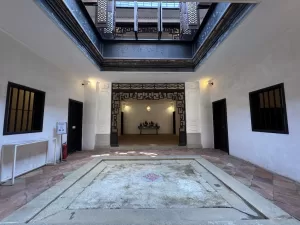
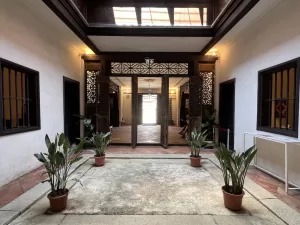
Yet there are fusion features in the Mandarin’s House as well, and they fully express the cosmopolitanism of Macau through centuries-worth of Portuguese influence. For example, the ceilings show clearly westernized details. Roof windows let in generous sunlight that draws brightness into the inner space.
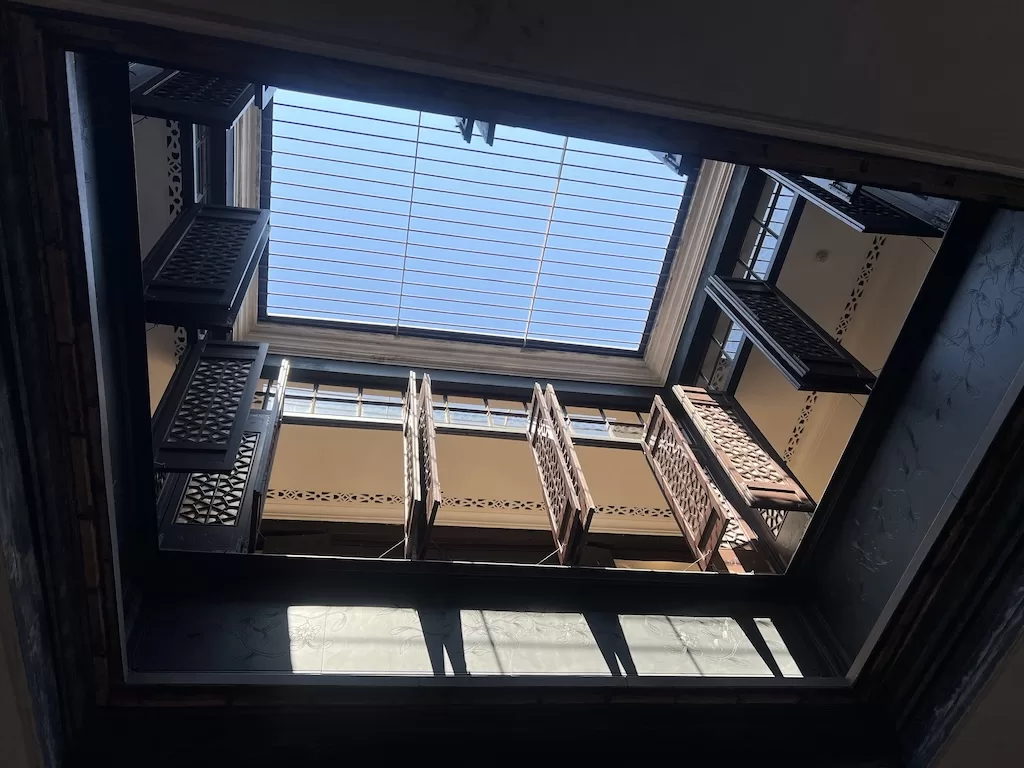
Even the traditional Lingnan architectural features bear the marks of the foreign. The clay reliefs beneath the eaves and on the walls show motifs of western art.
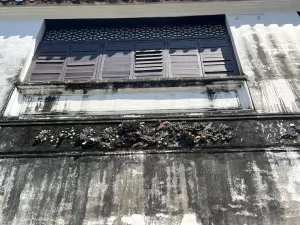
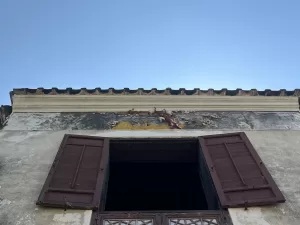
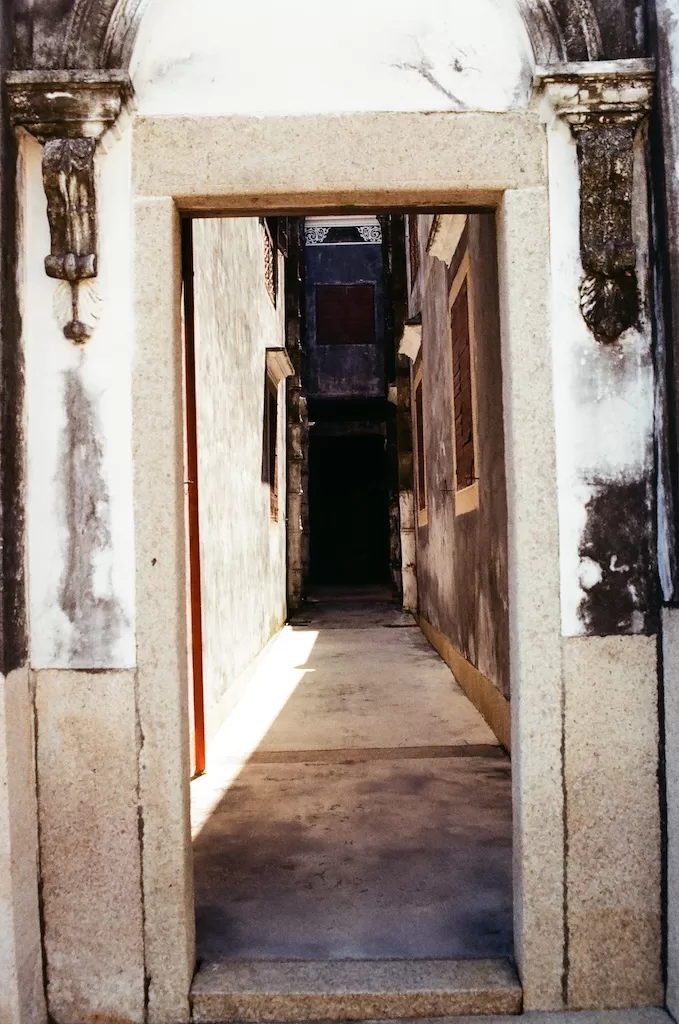
Similarly, the arched doorways are the light touches of European architecture that fuse nicely into the native imagination for a grand home space at the turn of the 20th century.
The Mandarin’s House in 20th Century
During the mid 20th century, the Zheng descendants went abroad and the Mandarin’s House was left vacant. They rented out the rooms in small units, and the dynamics of the community living there was just like the popular TV show, 72 Households, produced by the Guangdong Radio and Television. Due to a long period of disrepair, the Mandarin’s House fell victim to decay and fires.
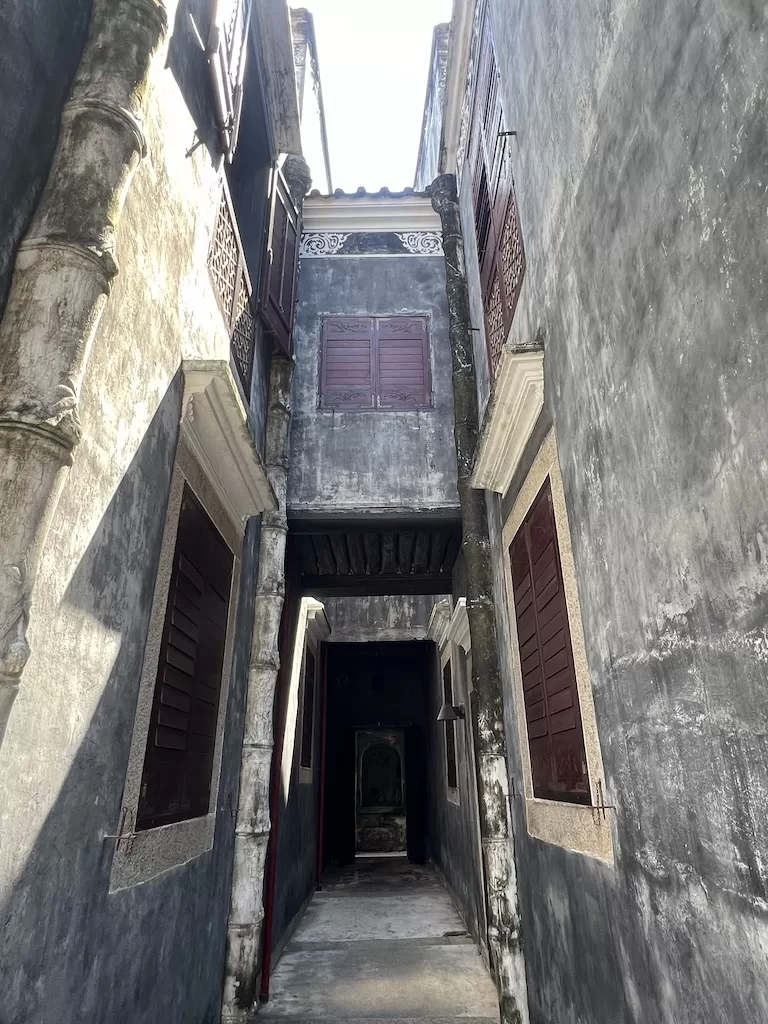
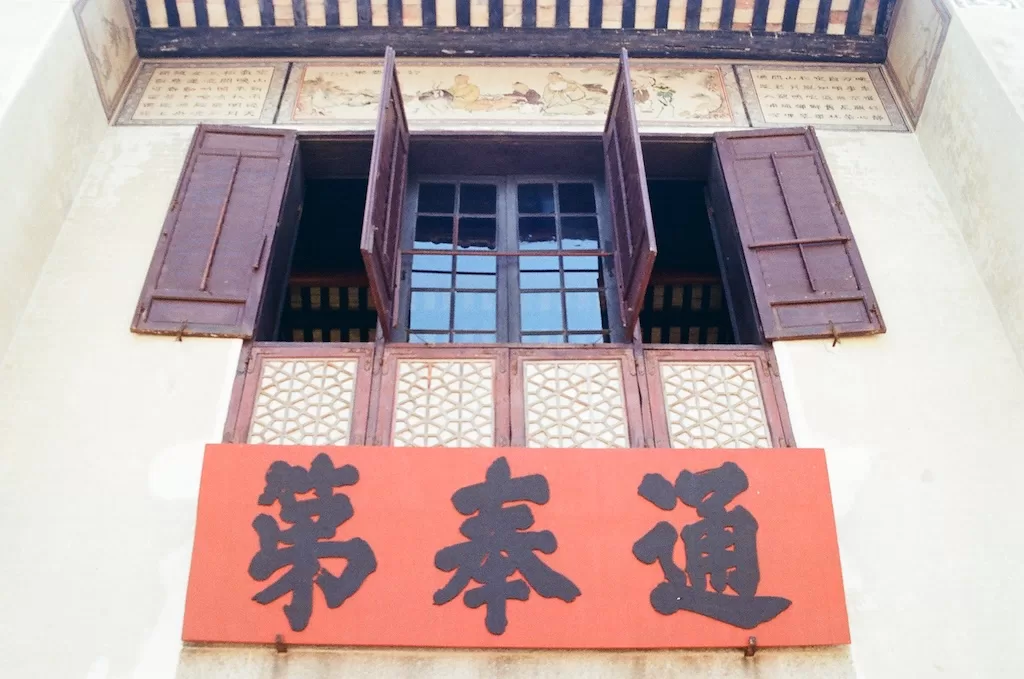
In 2001, the Macao Special Administrative Region Government took over the ownership of the Mandarin’s House. The Government undertook significant repair work to restore the Mandarin’s House to its former glory. Eight years later, the Mandarin’s House reentered the period of glory as a recognized heritage of Historic Macau.
Source
Descriptions on site at Lilau Square and Mandarin’s House.
KKNew.cc, The Only Ronglu Tai Fu Tai in Macau.
Jornal San Wa Ou, The Squares of Macau and its Urban Memories (Chin).