
Historic Macau — The First Encounter with Macau at Penha Hill
On this day I spent most of the day walking the heritage trail of UNESCO-designated historic Macau.
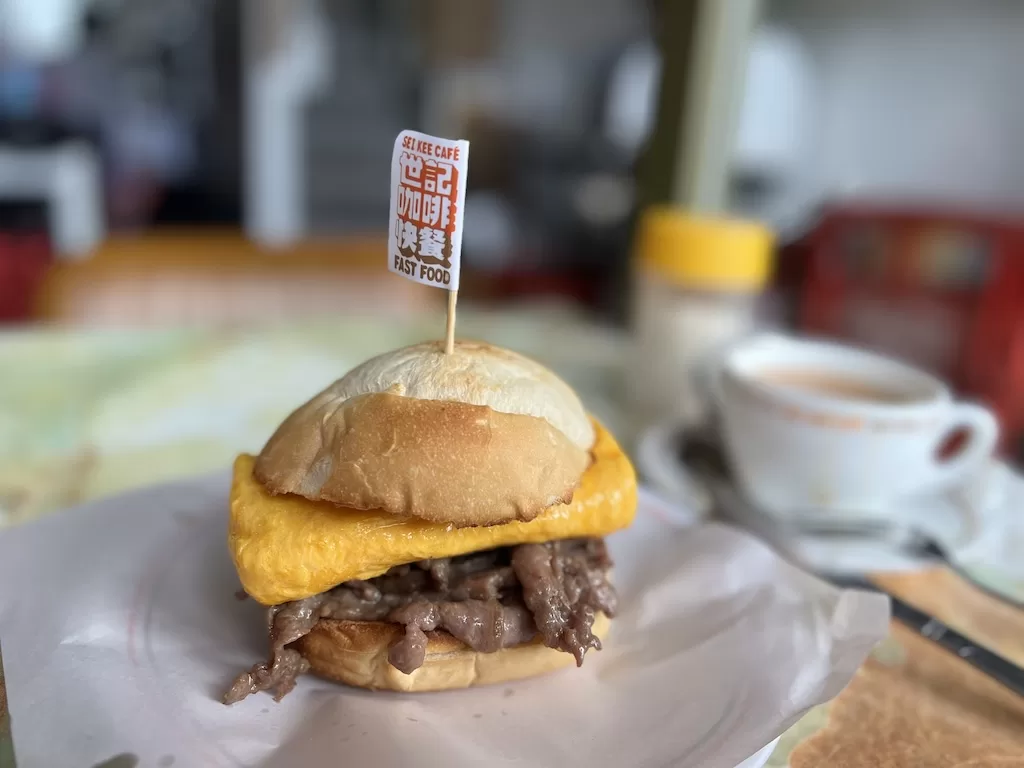
From the HZMB Macau Port, I arrived at Sei Kee Café, hoping to get the famous pork chop buns at the restaurant. However, I learned that this Sai Kee does not serve its famous pork chop buns. Instead, I ordered a beef and egg sando and it turned out to be fantastic.
The Sei Kee Café of Macau
Since 1965, Sei Kee has been making its famed clay pot coffee, brewed over open charcoal fire, to the satiation of Macau’s commoner palate. This coffee making technique continues to this day. The owner sets up the coffee making at 5am each morning. As the coffee ground swims within the swirling motions of a claypot brew, the slowness of the charcoal fire engenders a full infusion of the coffee’s flavor and pungency.
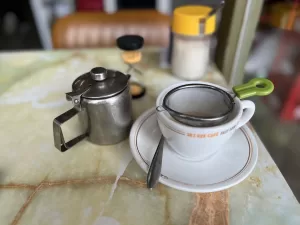
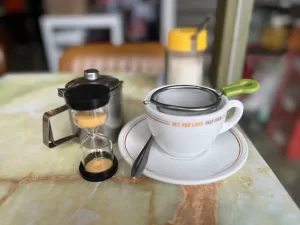

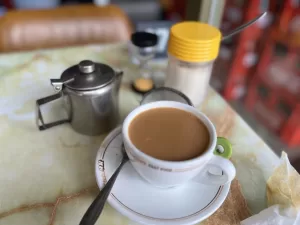
Sei Kee Café began as a simple shed on the streets of Macau. The current owners are the third-generation operators of the restaurant. Eventually, the business expanded. There are more shops, some as takeout only stands and some others having a proper dining space.
On this day I visited Sei Kee Café’s Nam Van shop. Besides its claypot brewed coffee, Sei Kee’s pork chop buns also top the charts for this distinctly Macau delicacy. However, at Nam Van Lake, the restaurant only serves the beef variation of the bun. It was, nonetheless, very delicious.
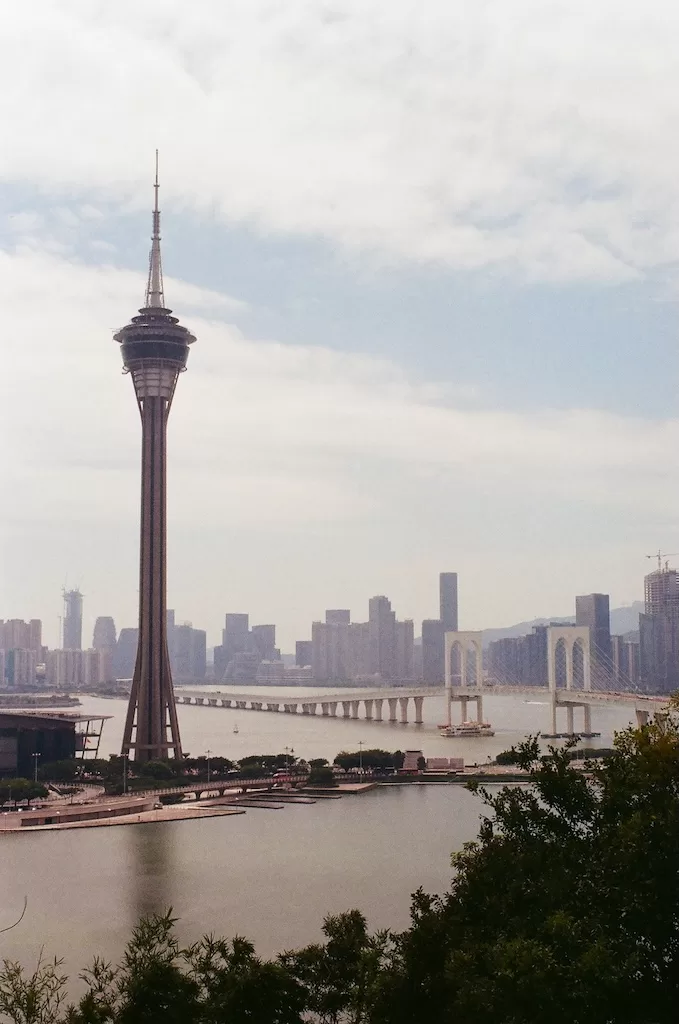
At this part of Nam Van Lake, the view of the Macau Tower lies afar by the waterfront. I became quite excited, as the steeping vibes of colonial history are well in sight at this part of Macau.
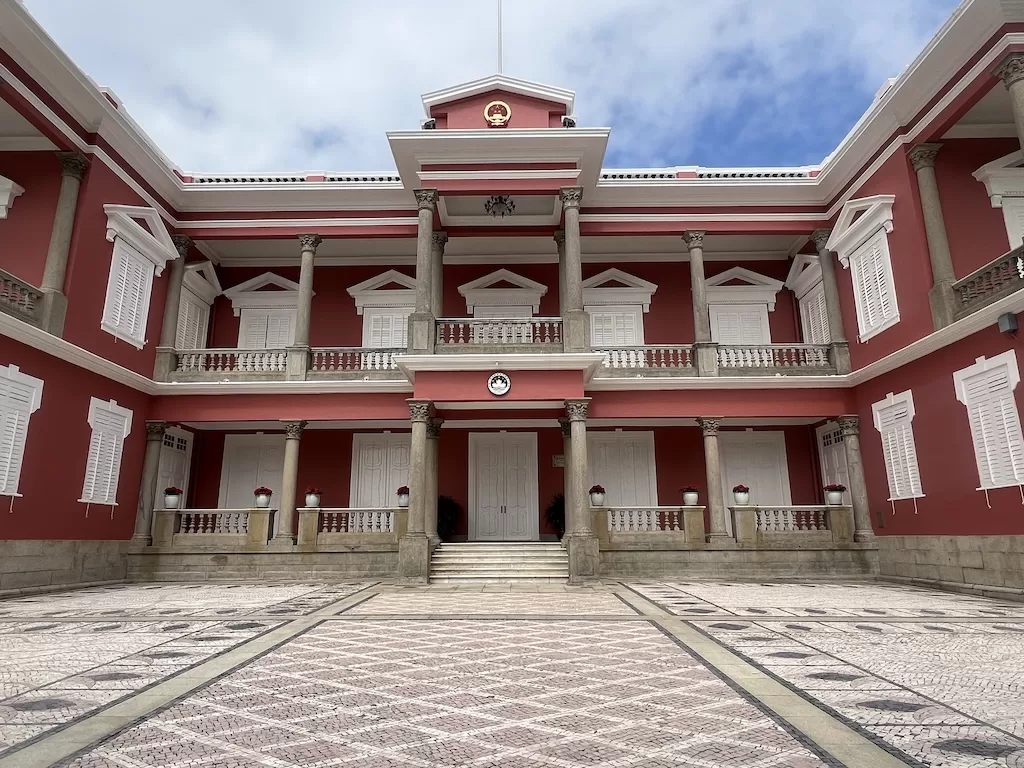
As I walked to the Riviera Hotel, I stopped occasionally to snap photos of the heritage buildings that I saw on the way.
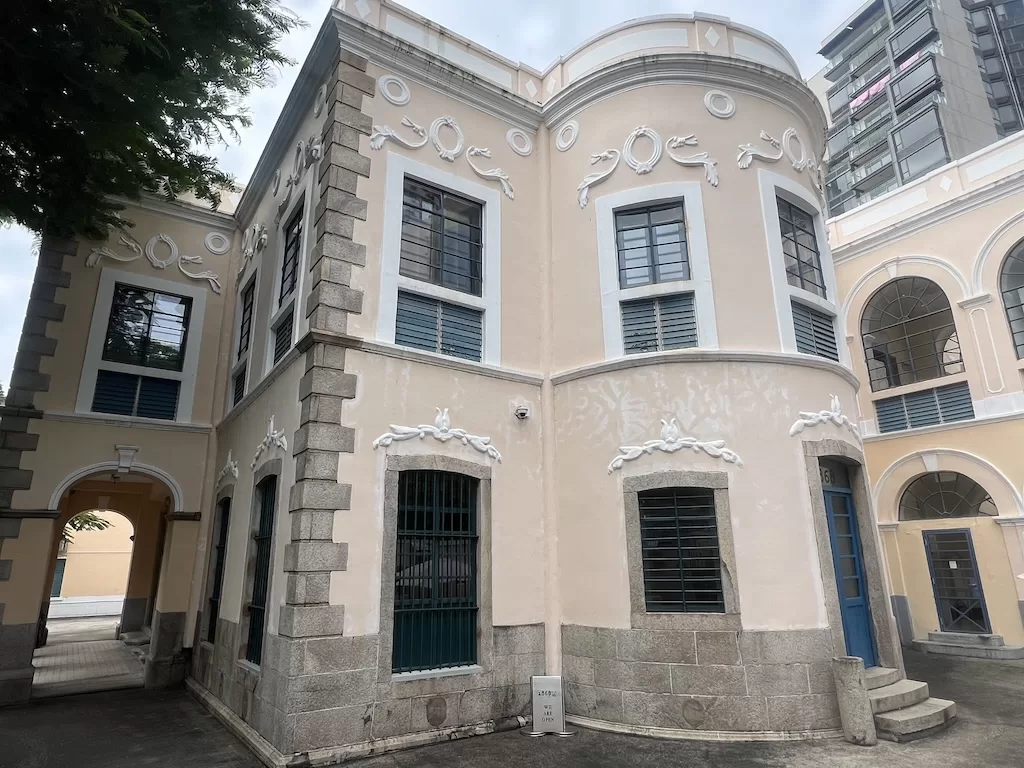
Our Lady of Penha Chapel (Capela de Nossa Senhora da Penha)
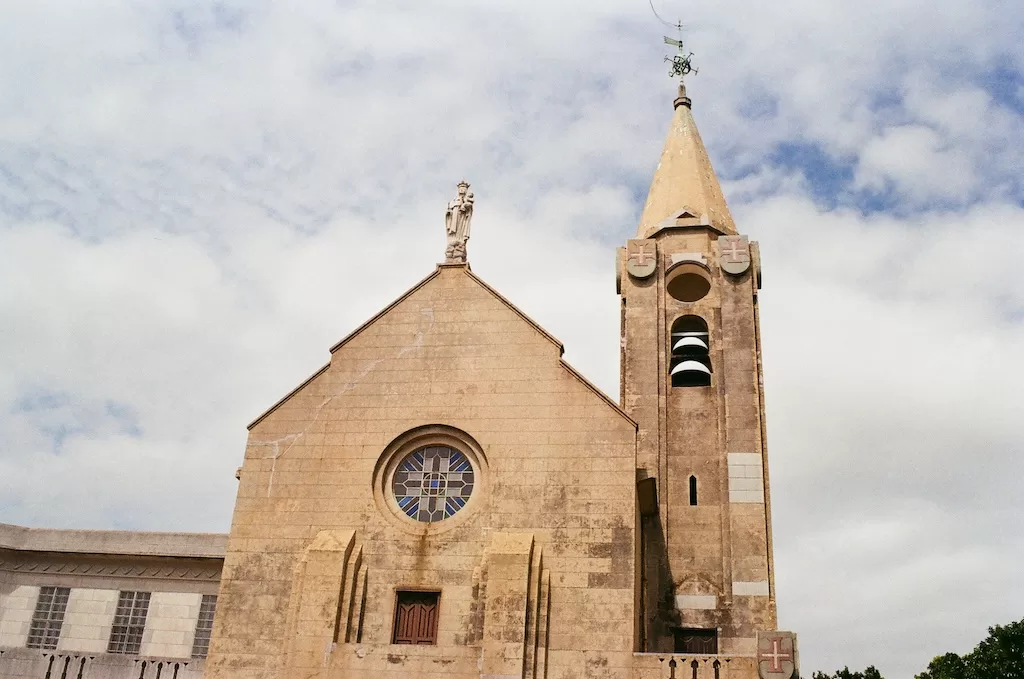
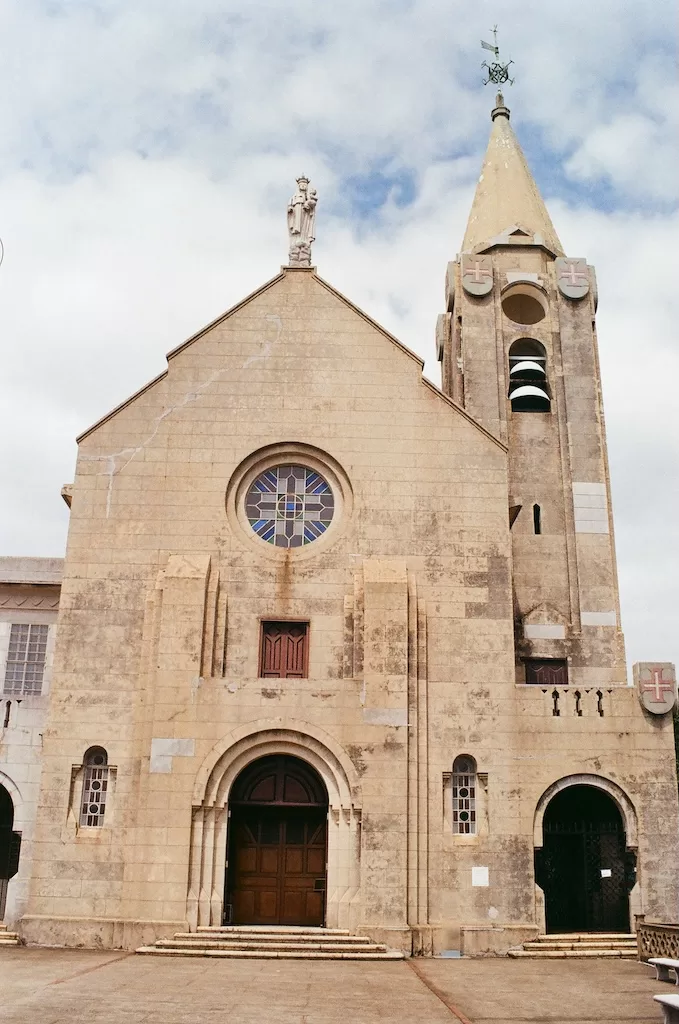
The beginning point of my heritage walk is Our Lady of Penha Chapel at Colina de Penha. Also known as Penha Hill, Colina de Penha is the third highest elevation point in all of Macau at 62.7 meters above sea level. In Portuguese, Penha means “a cliff by the sea.” At this vantage point, the view of Nam Van Lake is open and beautiful.
Our Lady of Penha Chapel has an interesting history. Its first structure was established in 1622 by the Augustinian priests (although the Jesuits were traditionally the preeminent order that came to Portuguese Asia). The church originated from a crew of the ship São Bartholomeu, the sail of which was pursued by the Dutch when it was near Formosa, en route to Japan.
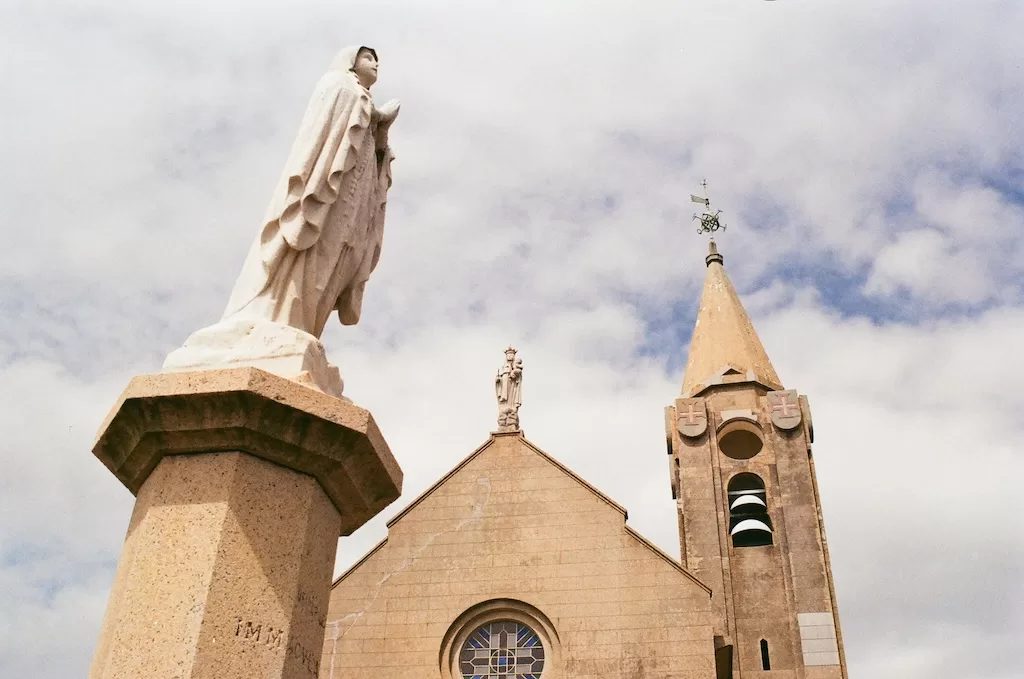
The crew decided that, if they were to make it back to Macau safely, they would certainly dedicate a church to the Virgin Mary. As such, it is the chapel of choice for the faithful seafaring followers, whose prayers were almost always about safe voyages.
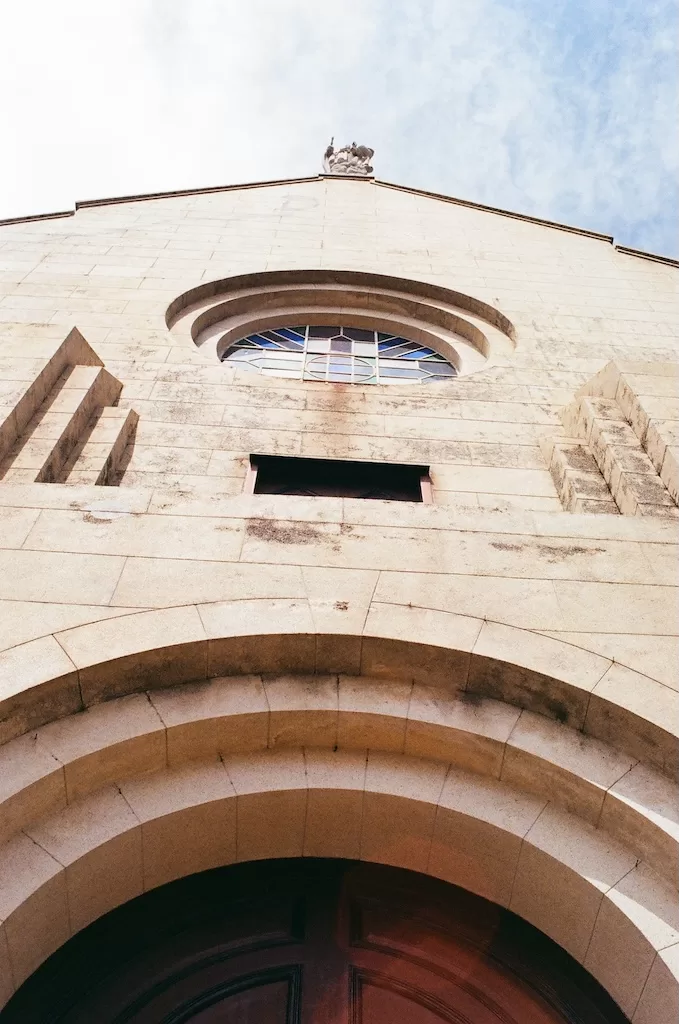
At the time of 1622, having sensed that there would be impending aggression by the Dutch, the Macanese built a fortress here at Penha Hill. The fortress overlooked a strategic southern point of entry to Macau by sea. This fortress was built over by the later structures of the church.
The current structure standing at Colina de Penha is a building of 1935, when the building underwent reconstruction with the Bishop’s Residence. The Colina de Penha is therefore also known as Bishop Hill.
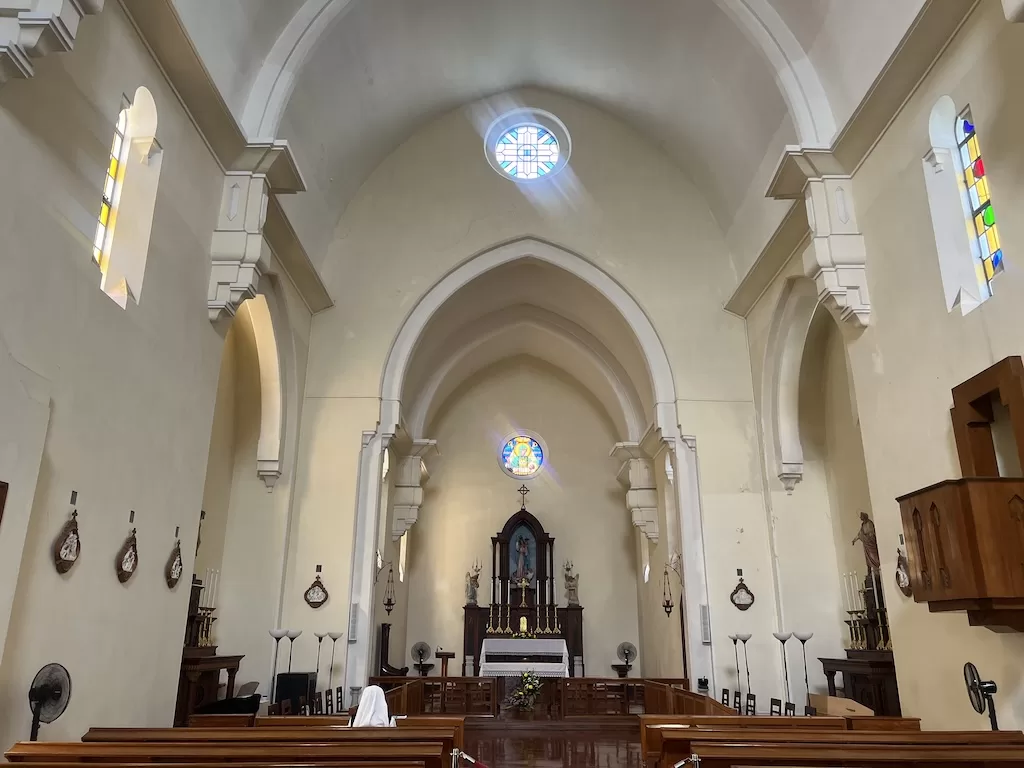
According to Patrimonio Cultural de Macau, “The built structure consists of a steeple, bell tower, a chapel in eclectic architectural style and the building of the former bishop’s residence.”
Sources
The Official Website of Sei Kee Café.
The Wikipedia on Penha Hill.
The Wikipedia on Pena Hill Fortress (Chin).
Patromonio Cultural de Macau on Chapel of Our Lady of Penha.
Descriptions on site at Penha Hill.