Historic Macau — Preliminaries
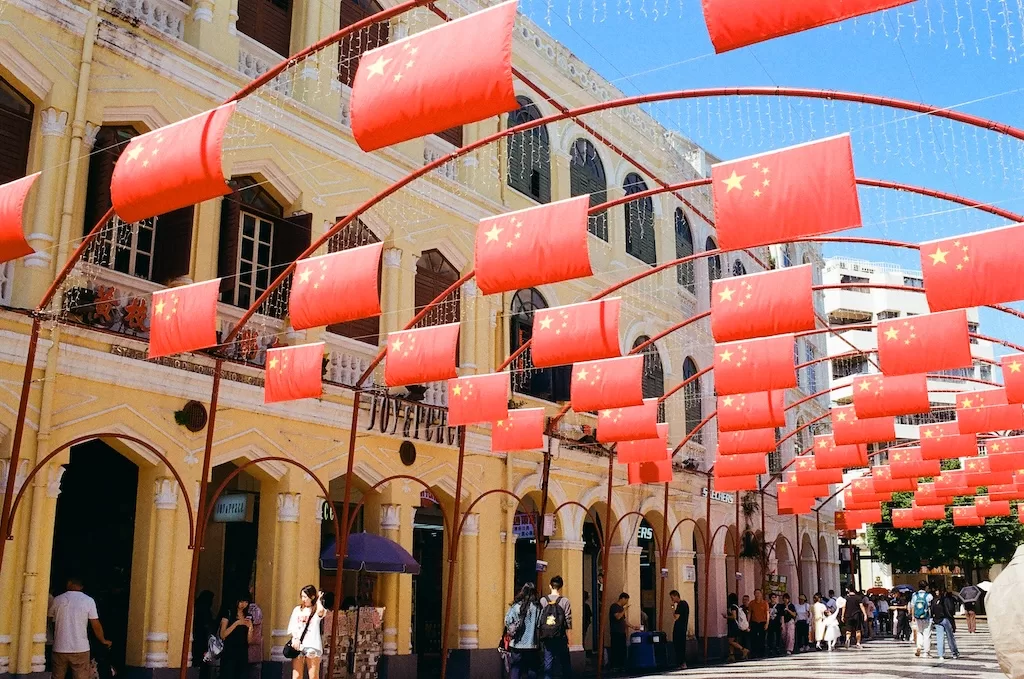
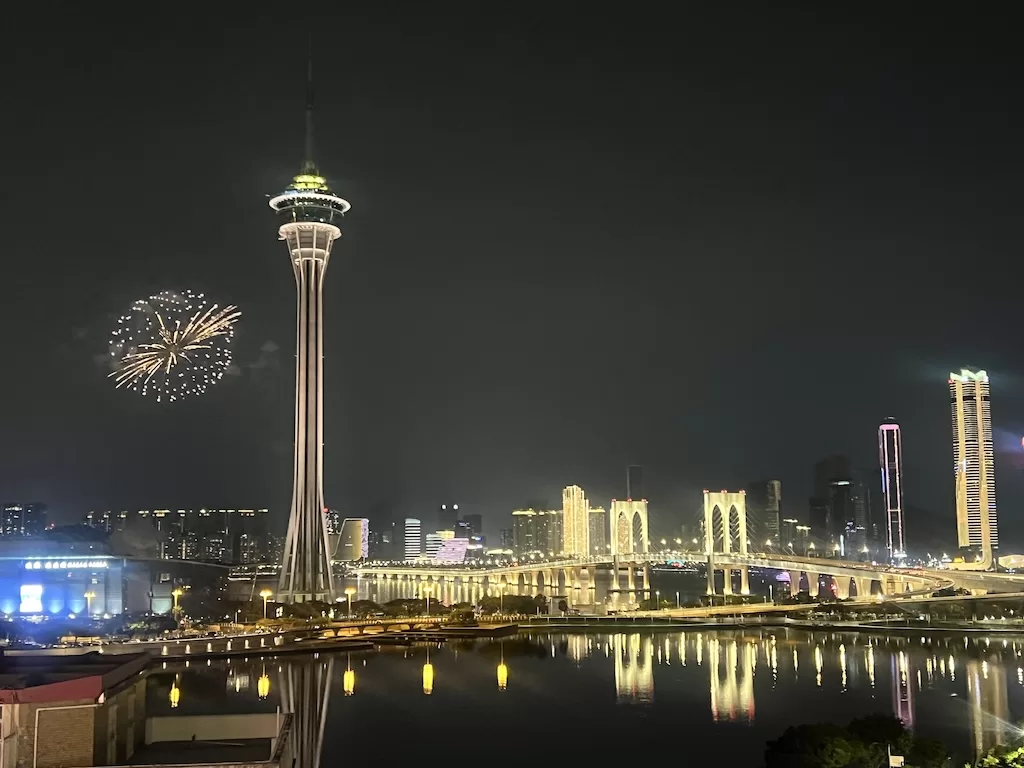
The series on Macau is long overdue. I visited Macau during the October 1st golden week, traditionally a week-long holiday in China. I was thus fortunate that I saw the National Day fireworks during this trip.
I have been to Macau many times before, but most Hong Kong people go there for the wonderful Macanese cuisine, or otherwise a round of good luck at the gambling tables. On this trip, I was determined to focus on the heritage and history aspects of Macau. It was truly eye opening to see that a place known for its swanky gambling establishments has so much to offer in its history, its past of Portuguese colonialism breathing through its cityscape.
Getting to Macau from Hong Kong
There was a time when the jetboats were the only way to reach Macau from Hong Kong. Since the opening of the Hong Kong-Zhuhai-Macao Bridge (HZMB), traveling to Macau by land transportation became the norm. I boarded the Hong Kong-Zhuhai-Macao shuttle bus at the HZMB Hong Kong Port.
However, not all airport buses arriving at the Hong Kong International Airport stop by the HZMB Hong Kong Port. The best thing to do is to ask the driver if a given airport bus takes you to the HZMB Hong Kong Port. If it does not, then get off at the Terminal 1 stop and wait for the next bus that will take you just one stop away and arrive at the HZMB Hong Kong Port. Adult tickets for the shuttle bus costs $65 (in both HKD and MOP, if you take the same bus back from Macau).
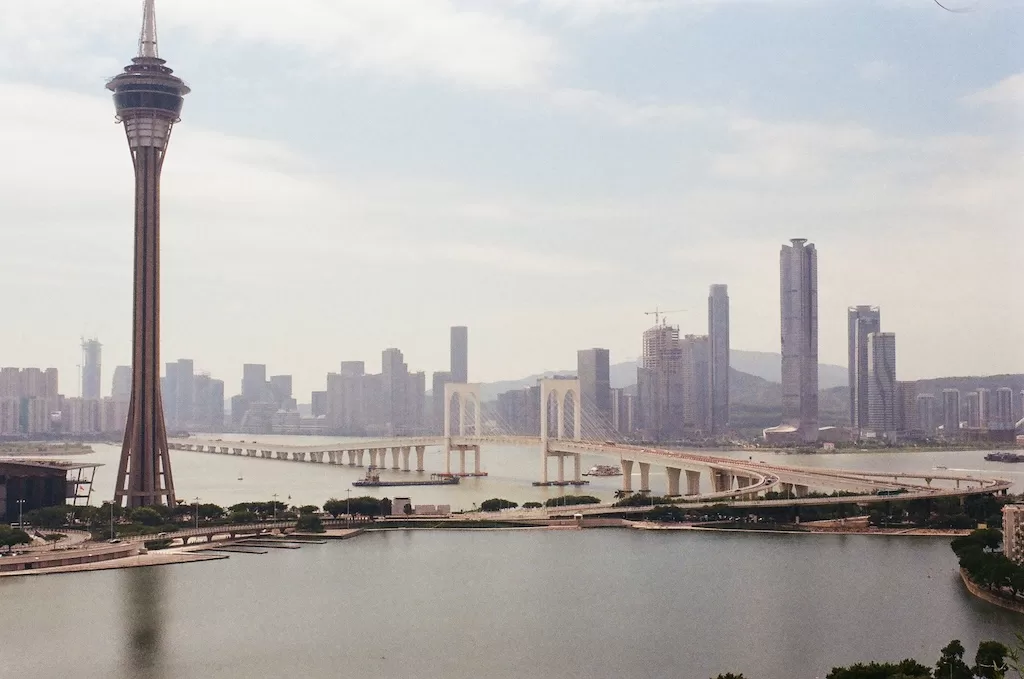
On my first time travelling by bus to Macau, there was quite a bit of learning to do. After arriving at the HZMB Port in Macau, I had no idea how to proceed in order to get into town. I decided to take a taxi, and that would be the only time I took taxis in Macau, for that was incredibly expensive. It cost HK $100 to get into the Macau Peninsula. Therefore, I suggest readers to take the bus (surely, it takes a lot longer) to get into the touristy areas of Macau, both in the Macau Peninsula (101x) and Taipa (Route 103x).
VISA
Hong Kong people with a permanent Hong Kong ID card are not required to apply for a VISA to enter Macau. It is also VISA exempt for passport holders of many western countries, such as the United States, the United Kingdom, and the EU for differing periods of time for a maximum stay. Be sure to check the status of VISA requirement before your visit.
At the immigration checkpoint, there are some electronic booths for HK ID card holders, but unless you have previously equipped your card for electronic access, you must go through the manned booths.
Currency Usage in Macau
Macau accepts Hong Kong currency on a 1:1 basis. The HKD is typically more expensive than the MOP, but perhaps the convenience is worth the exchange rate difference. Do note that, for cash transactions, they feel free to return you the change in MOP. Otherwise, Alipay and WeChat pay are accepted by some merchants, but be prepared for cash-only venues.
Getting Around in Macau
I highly recommend tourists to take full advantage of the buses in Macau. For finding your way, Google Map or Gaode Map are both good apps to use in Macau. They will tell you which buses will take you, point to point. The usual fare for Macau buses are 6 MOP per trip. Concession fares are only available for residents of Macau.
Time Necessary for a Heritage Tour of Macau
For this trip, I planned on only seeing the historic sites of the Macau peninsula within a two-day, one-night trip. If you are to visit Taipa and Coloane, perhaps another extra day is necessary.
A Heritage Walk in the Macau Peninsula
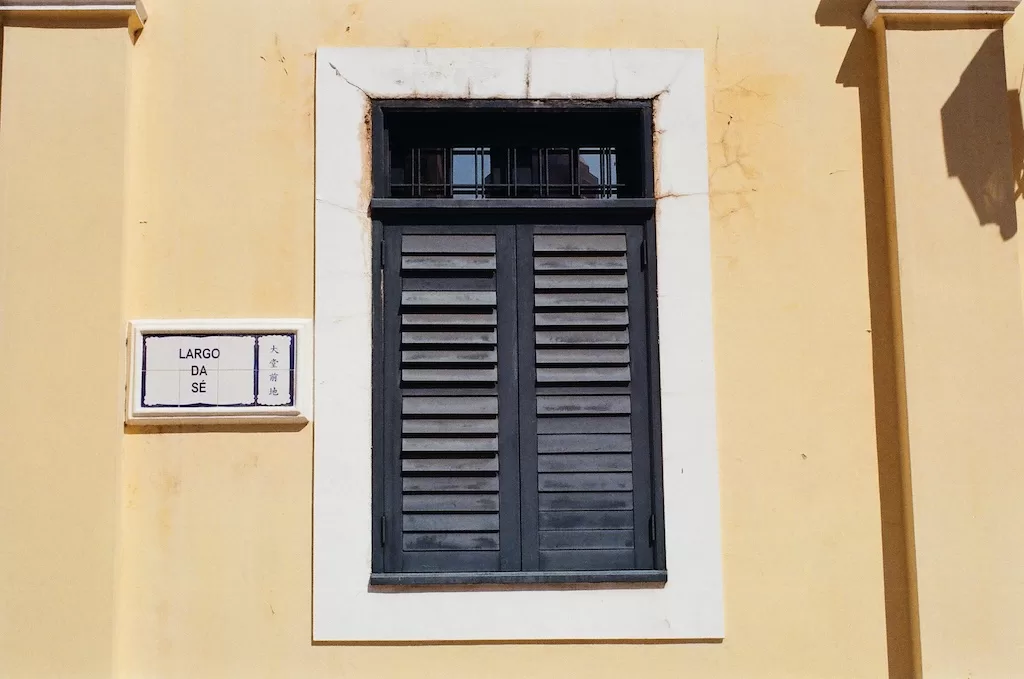
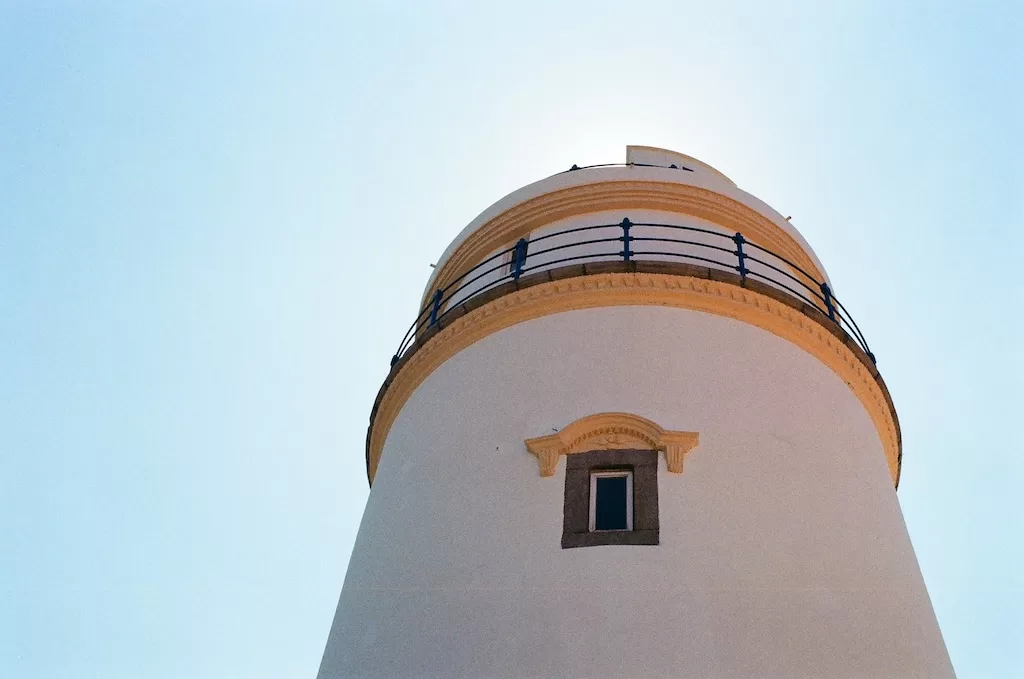
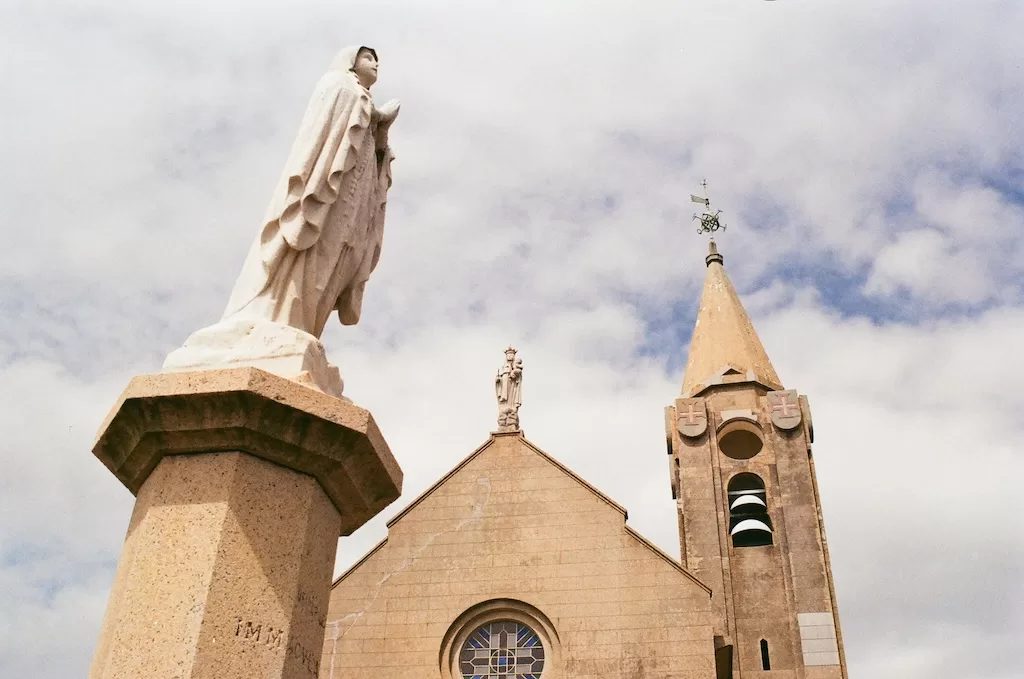
There is a well-trod heritage route easily available online. From my starting point of Our Lady of Penha Chapel at the Colina de Penha, I began a general descent through the quaint, clean and cute urban neighborhoods of Macau. My first day of touring ended at the very touristy and crowded Largo de Senado.
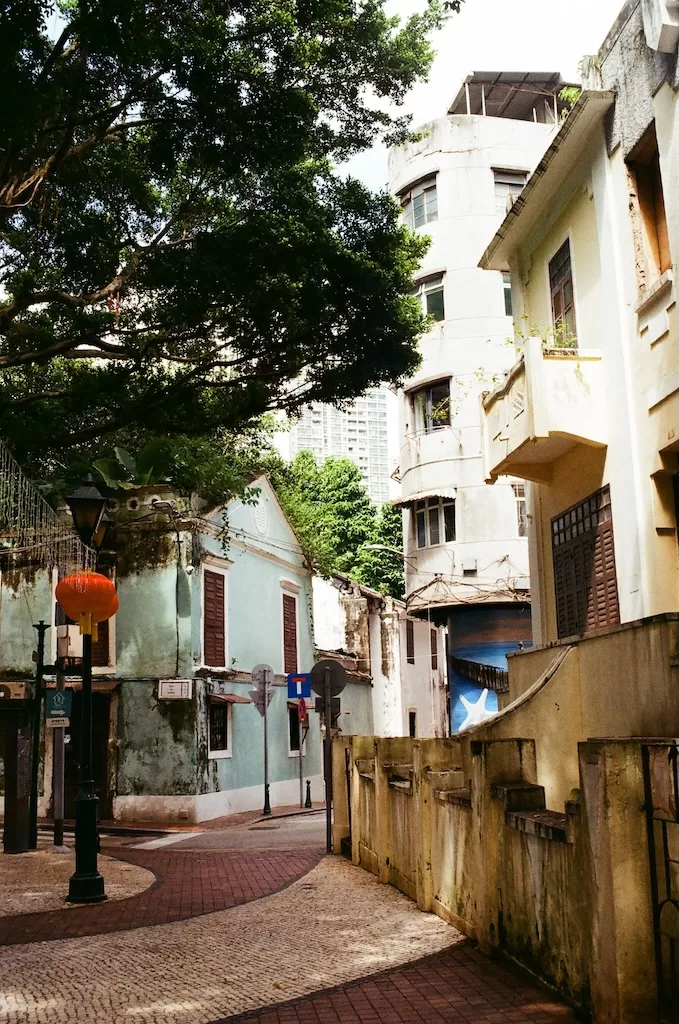
From the difficult-to-pronounce Portuguese street names to the typical scenes of local life, I soaked in all the goodness that old Macau offers. I have seen innumerable churches, and felt incredibly blessed by the spiritual dimension of the experience.
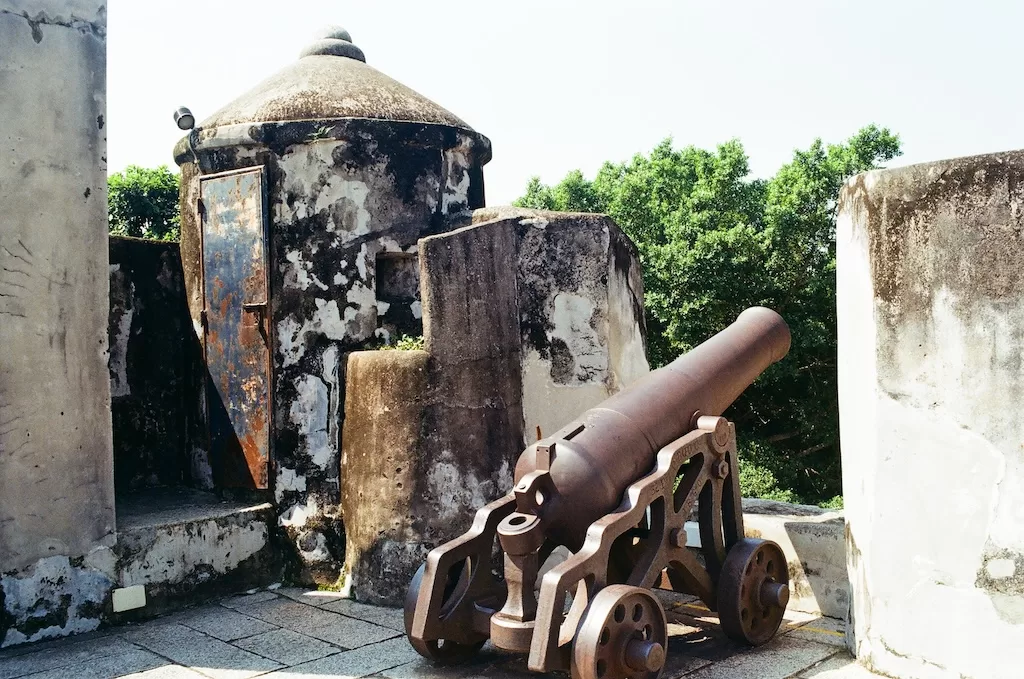
The rich heritage that populate the Historic Centre of Macau is recognized by the UNESCO.
Accommodation
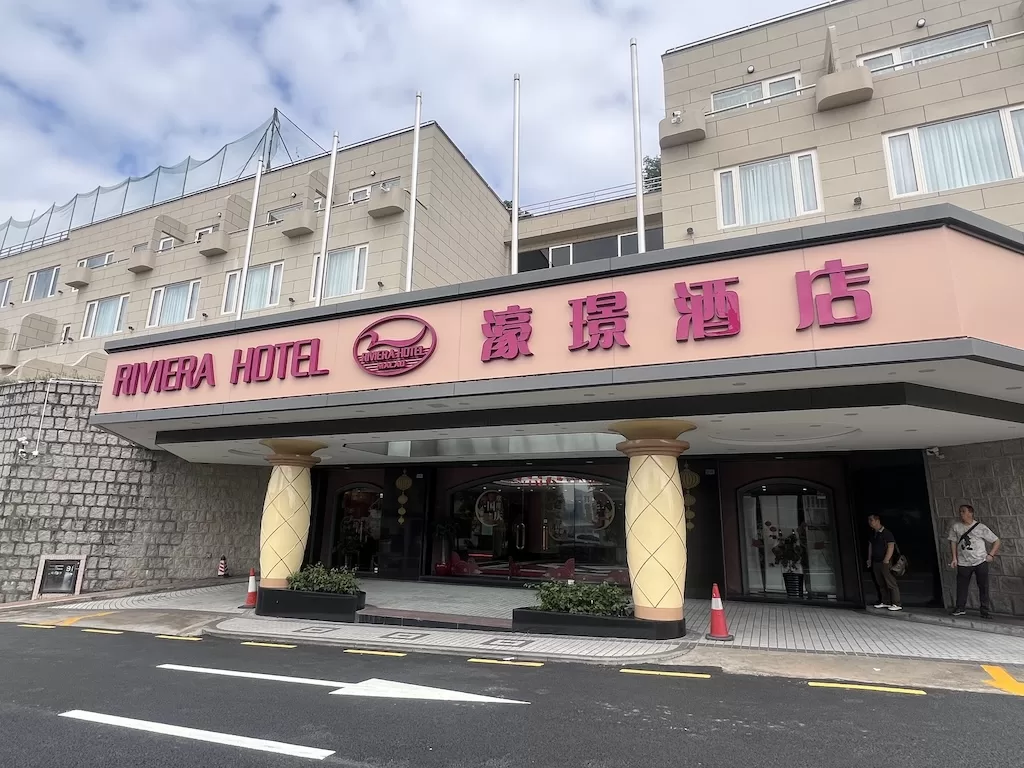
I do not like to stay at the bling bling casino hotels. They tend to be expensive and there is no point for me to stay at those places because I never gamble. I wanted something with a cultural bent, and settled on Riviera Hotel, which stands close to a few key historic sites. In fact, it is actually just a stone’s throw away from the Macau Governor’s House (Palacete de Santa Sancha). This is a quiet and upscale neighborhood, and the pleasant surprise was that I could watch the National Day fireworks at the deck of the hotel. The room was clean and spacious as well, although it really does show some fatigue from its age.