
Historic Macau — Portuguese Asia (2)
Since I would like to study the heritage of Macau, I figured that a good book on Macau’s history, which is probably not widely known, is in the order. I found an exceedingly pleasant book called A Macao Narrative by Austin Coates in the library. In the last, this and the next two entries, I summarize the key points that I took from his book as an overall introduction of Macau’s fascinating history.
The golden era of Macau would soon meet the challenge of both the British and the Dutch. The prelude to the rise of British and Dutch colonialism in Asia was the takeover of Portugal by the Spanish King Philip II. Soon after he took possession of Portugal, he banned all British presence in the Asian ports. Meanwhile, the unrest in Spanish Holland also resulted in Philip II closing all Portuguese and Spanish ports to Dutch presence.
New Player in the Game
In around the 1590s, the Dutch began its own exploration of colonial trade and settlement. In the matter of a few years, it managed to take over Java and established its footing in the Dutch East Indies. Like the Portuguese, the Dutch were eyeing the bounty of the Japanese trade route. It was only a matter of time that it would come upon Macau. The first Dutch fleet appeared in the Macau waters in 1601.
With the East India Company and the Netherlands East India Company established in 1601 and 1602 respectively, the British and the Dutch both entered the game of trade in Asia. Britain began its colonial presence in India. The Dutch, using their base in Java, developed an illicit trade route with Japan in the Island of Hirado, with Formosa (now Taiwan) as the sheltering point for Dutch vessels.
However, Formosa did not offer the massive supply of silk that the Japanese demanded in order for the Dutch to displace the Portuguese’s established position in the silk trade. The Dutch were only able to source their silk, in sporadic quantities, from the pirates in Formosa. Macau’s strategic importance in this trade, as it could source the silk from China, was clear as day.
There were some peaceful years after Truce of Antwerp of 1609, signed between Spain and the Netherlands. It applied also to Portuguese territories. However, Macau knew, after a few confrontations with the Dutch in the region, that they must fortify. Such actions caused misunderstanding with the Chinese authorities, as rumors started circulating that Portugal intended to invade the Chinese mainland and to take down the emperor. After this rumor was dispelled, it was determined that all Macau buildings must acquire a permit. Similarly, shipbuilding also required a license.
Eventually, the rise of the British and the Dutch as colonial powers in Asia would be the most significant cause for the decline of Portuguese influence in this part of the world.
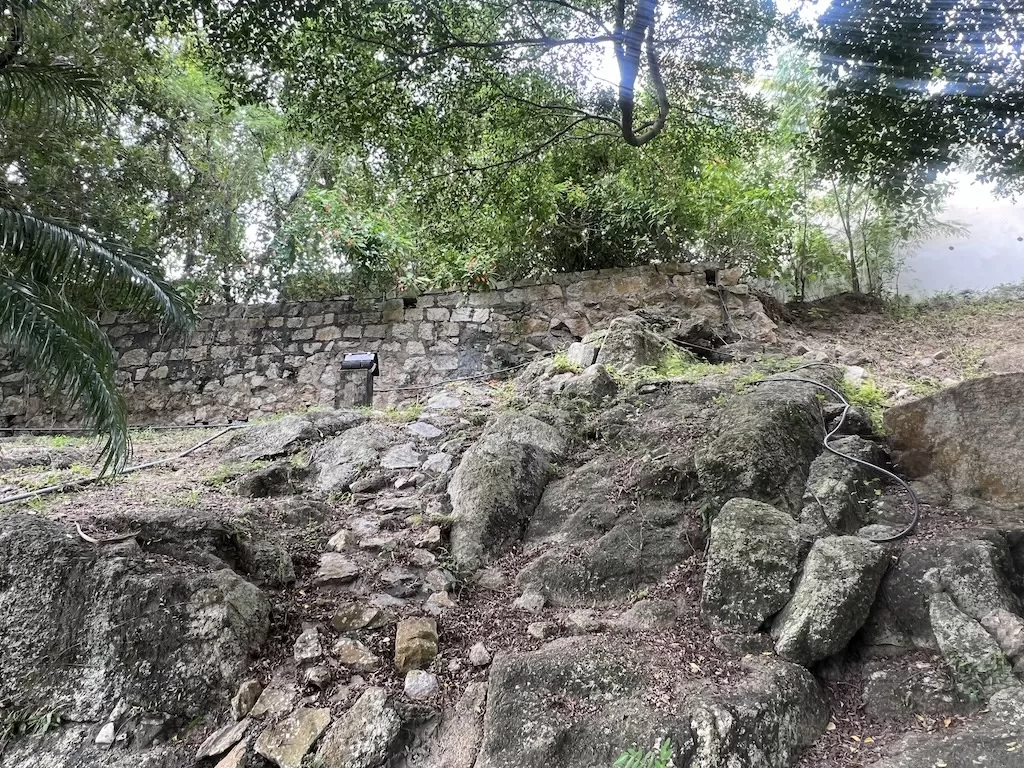
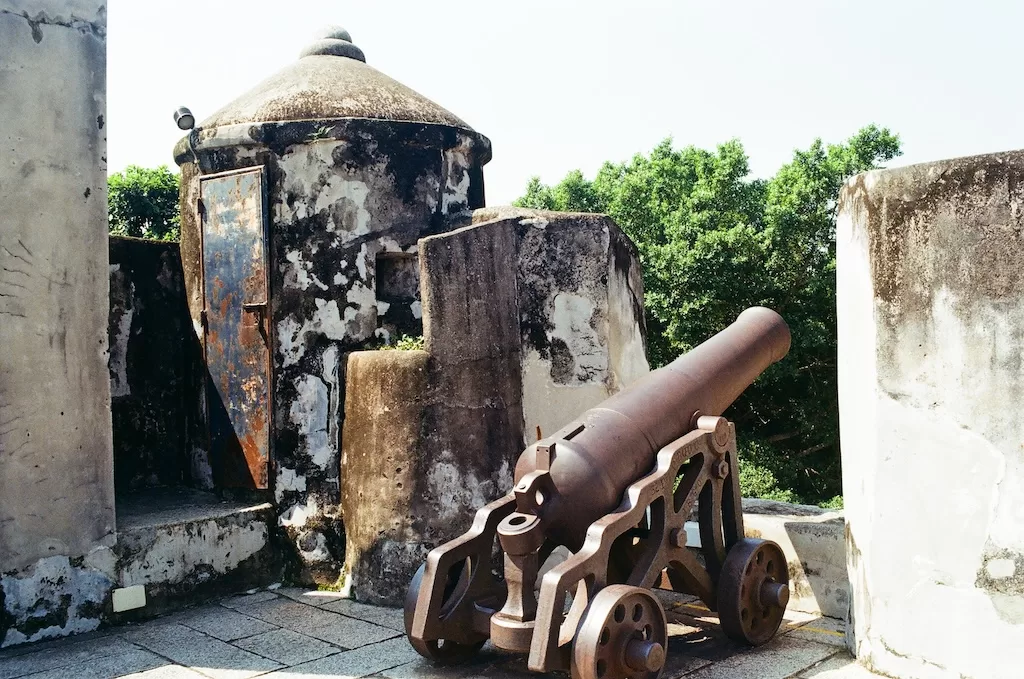
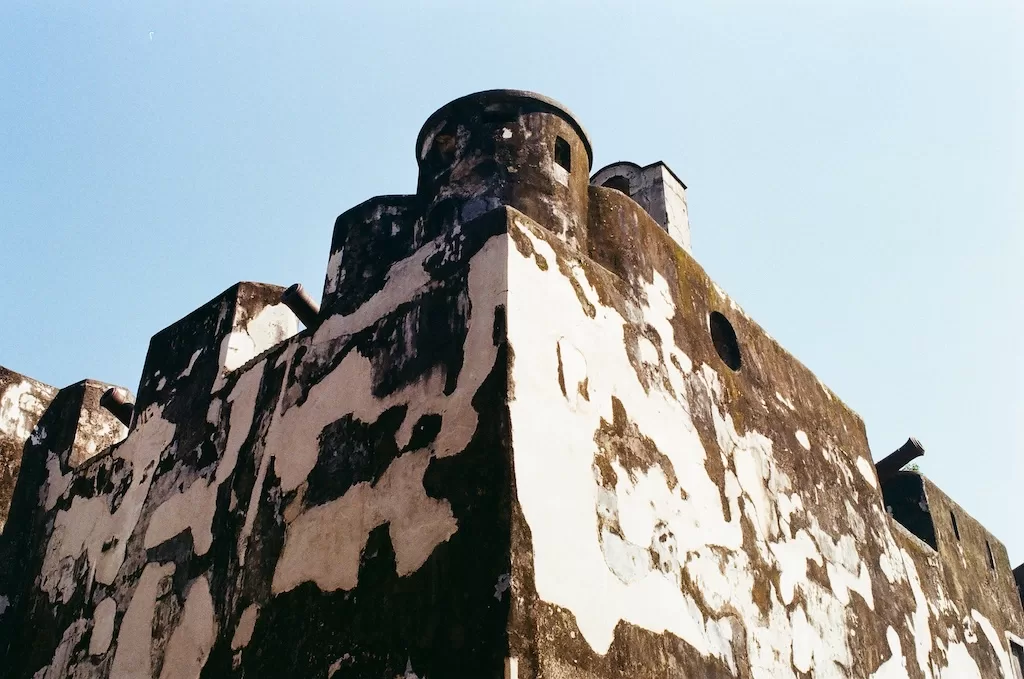
Photo: The Bom Barto Fortress was probably the first fortress built in Macao, and it was in existence at the time of the Dutch invasion of Macau in 1622.
The Dutch Invasion of Macau
On June 23rd, 1622, a Dutch fleet headed by Cornelis van Rijersen approached the harbor of Macau. The resistance against the Dutch launched by the heroic Macanese goes down the books as the most unified act of defense in Macau’s history.
At the time, a lot of the foreigners in Macau were out in different parts of China and the Far East, and perhaps only about 1,000 European men were left to defend Macau. After a nightlong bombardment of Macau’s fort, the Dutch lost one ship.
The Battle of Macau
The next morning, some of the men managed to approach the inland of Macau, which was not fortified. They soon met the fierce opposition from all men, from the slaves to the free, from the lay to the cleric — and the Jesuits quickly took their positions in the defensive seminary and launched their cannons, which, in “normal” circumstances, were meant as gifts to the Chinese emperor.
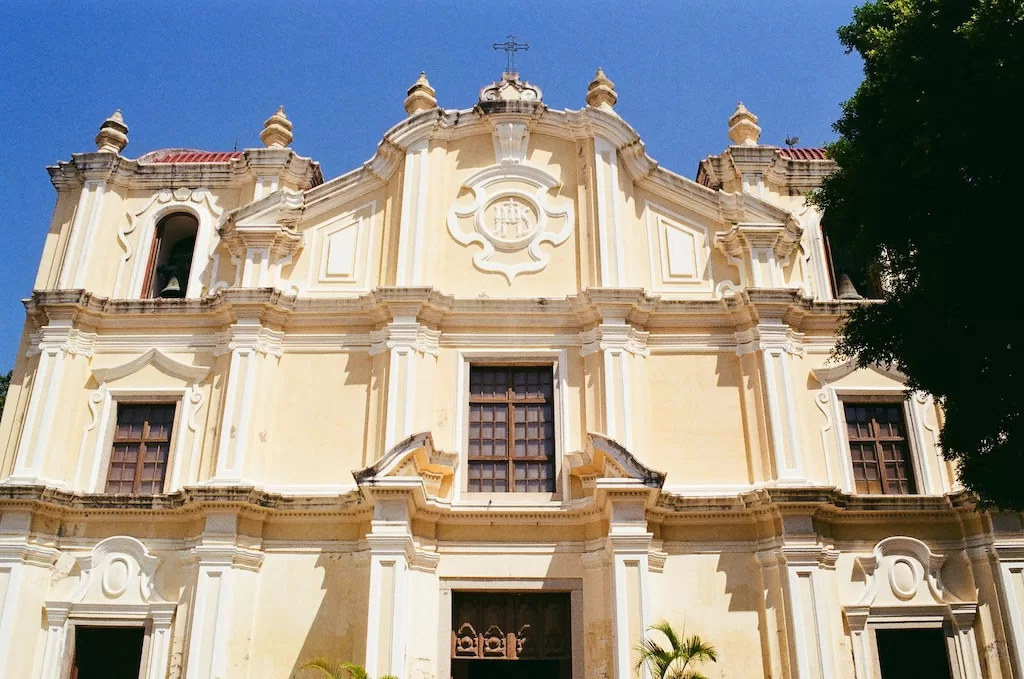
Two Jesuit missionaries were particularly critical in the Battle of Macau. Father Schall was himself the author of Huogong Qieyao (All Essential Matters of Firearms), the Ming dynasty ammunition playbook that the missionaries helped write to educate the imperial court. Fathers Rho and Schall certainly put their knowledge into practice in the Battle of Macau.
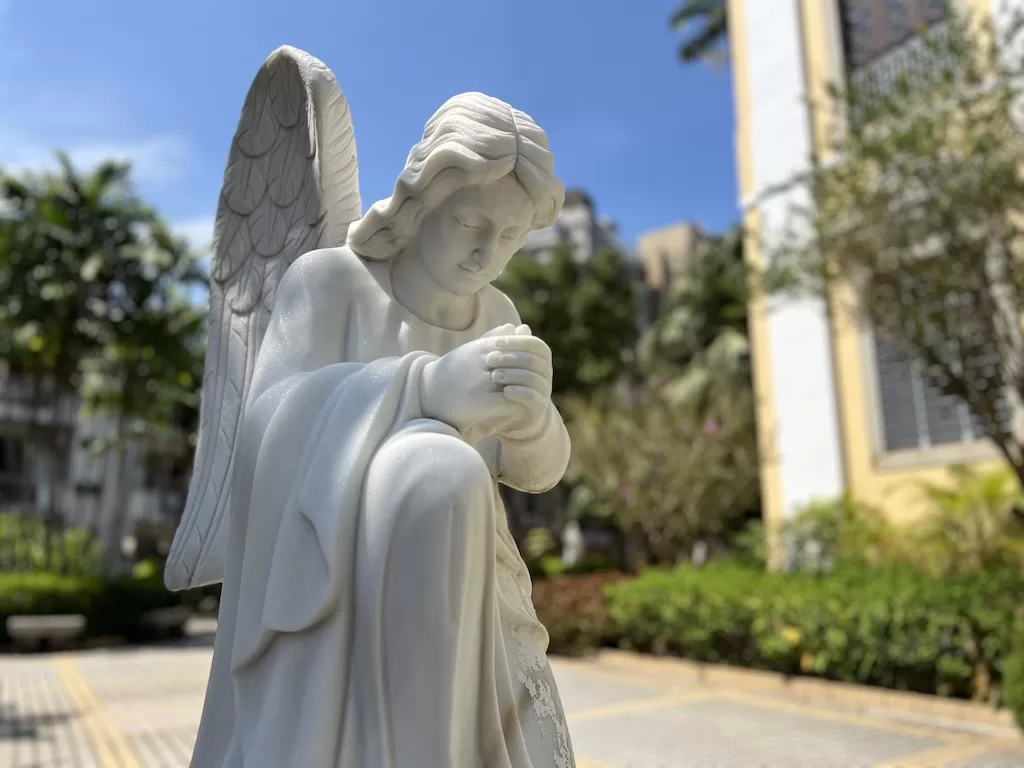
The Jesuits had few men or guns (just three guns) to fire those cannons, but as the Dutch forces approached the lower slope of the Monte, Father Rho fired a decisive shot. It having hit the Dutch powder magazine, the Dutch artillery blew up in an explosion. The Dutch were short on ammunition then, but they had planned on securing themselves between the hills of the Monte and the Guia. They had not known that there were simply not enough men to defend the city.
A sudden reinforcement of men arrived from the outer harbor forts. They made the battle cry of “St Iago!” and the whole city submerged in the roar of victory before it was won. The influx of Macanese forces engaged the Dutch in hand-to-hand battle. The Dutch were rightly confused as they had not known how strong the Macanese forces were. As the Dutch commander soon fell, the Dutch forces retreated messily back to their vessels. This was the moment where all engaged themselves in the battle by slaying the enemy. An African slave woman dressed as a man even killed two Dutchmen.
The slaves that engaged in this decisive battle were liberated as a result. Canton was pleased to hear about this heroic victory as well.
Finally, the Dutch launched its very last attack in 1627, but it was thwarted by the Portuguese naval forced led by local Portuguese Tomas Vieira. With this final defeat, the Dutch could only conduct its silk trade with the pirates off of Formosa.
But that was not to say that the Dutch had lost its influence in this part of the world. The truth was far from that. Without any reservation to exercise military power in its trade, the Dutch laid a stronghold in the Dutch Indies, and managed to control the waters around Singapore. This had the effect of making the route between Macau and Malacca very dangerous for the Portuguese. Without this particular leg of the journey, Macau’s own Japan trade came to a dwindle. “Malacca–Macao–Nagasaki… one of the most remarkable trading epochs in history. But the loss of just one if these cities, and the commercial existence of the other two would be fatally threatened.” ~Austin Coates at 72.
Source
Austin Coates, A Macao Narrative (1978, 2009).
CUHK Library: Adam Schall and the Battle of Macau (1622 Attack by the Dutch).